1-855-452-6224 (Customer Support Available 24/7)

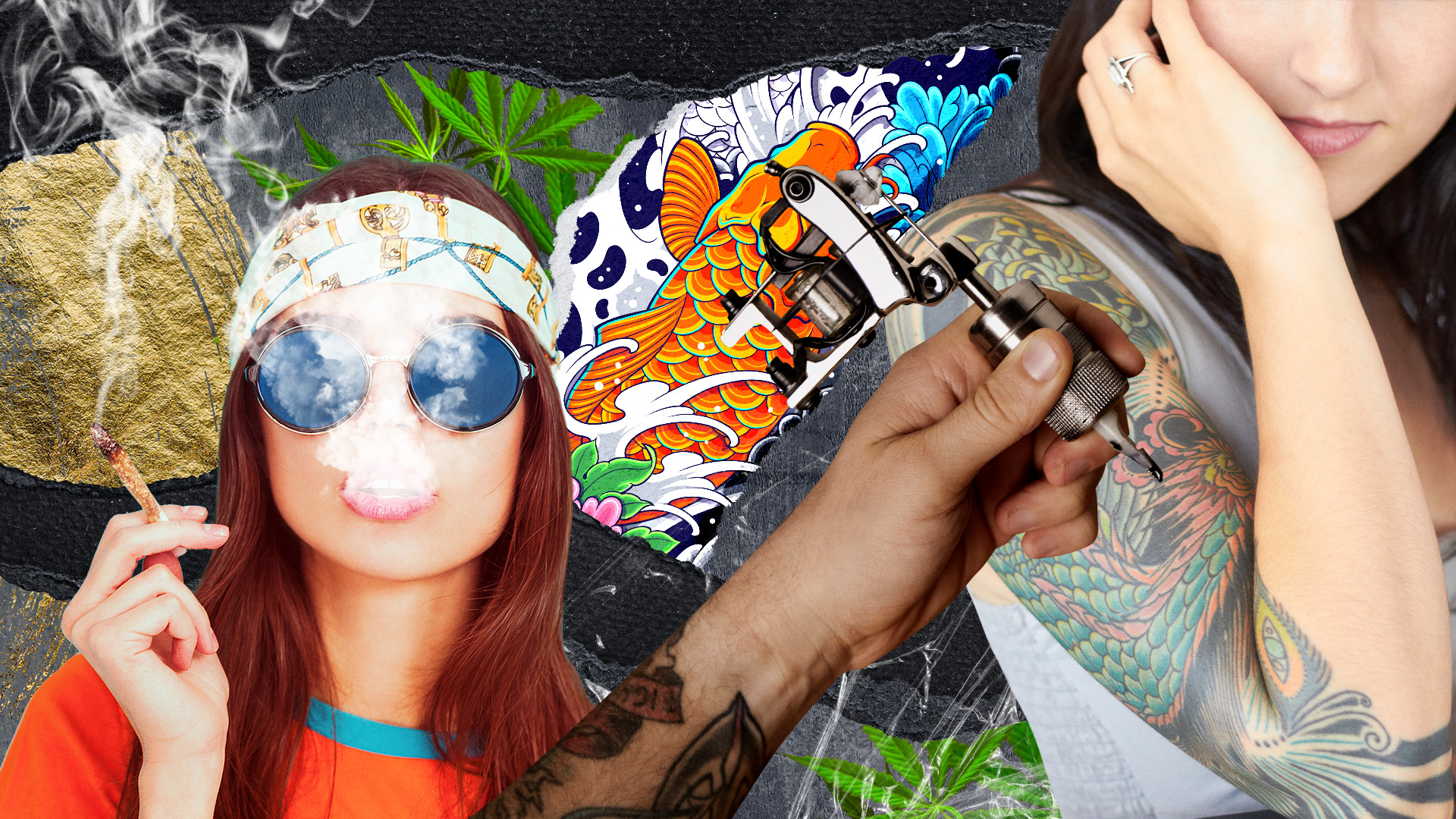
Yes, you can smoke cannabis before getting a tattoo, but timing and dosage matter significantly for both your safety and the quality of your ink. Cannabis affects pain perception, blood flow, and your mental state during the tattooing process, which means understanding these effects helps you make better decisions about consumption.
Getting a tattoo involves hours of needle work, and many people wonder if cannabis can help manage the discomfort. The short answer is that cannabis may help with anxiety and pain perception, but it also comes with considerations that could affect your tattoo experience. Your consumption method, timing, and individual tolerance all play roles in how cannabis interacts with the tattooing process.
Cannabis influences your tattoo experience through three primary pathways that work together during the session. Understanding these effects helps you decide whether and how to consume before your appointment.
Pain perception changes represent the most noticeable effect for most people. Cannabis interacts with your body’s pain signaling system, potentially reducing the intensity of tattoo needle sensations. However, this doesn’t eliminate pain entirely – it may simply change how you process the discomfort. Some people report feeling more detached from the pain, while others find they can tolerate longer sessions.
Blood flow impacts create the most significant safety consideration. Tetrahydrocannabinol (THC) can affect your cardiovascular system, potentially influencing bleeding during the tattoo process. While moderate cannabis use typically doesn’t cause major bleeding issues, it can affect how your skin responds to the needle work. This becomes more important during longer sessions or detailed work that requires precision.
Mental state effects shape your entire experience in the chair. Cannabis can reduce pre-tattoo anxiety, which helps many people feel more relaxed during the appointment. However, it can also affect your ability to communicate clearly with your artist about positioning, breaks, or any concerns that arise. Your mental clarity impacts how well you can follow aftercare instructions and make decisions during the session.
The timing of these effects matters because cannabis impacts peak at different points depending on your consumption method. Smoking provides faster onset but shorter duration, while edibles create longer-lasting effects that might extend beyond your appointment time.
Different consumption methods create distinct experiences during tattoo sessions, and choosing the right approach depends on your session length and personal tolerance. Each method offers specific advantages and drawbacks for tattoo appointments.
| Method | Onset Time | Duration | Pros | Cons |
| Smoking/Vaping | 5-15 minutes | 2-4 hours | Fast onset, easy to control dose, wears off quickly | May need redosing during long sessions, affects lungs |
| Edibles | 30-90 minutes | 4-8 hours | Long-lasting effects, no smoking required | Difficult to control, may outlast appointment |
| Topicals | 15-30 minutes | 2-4 hours | Localized effects, no psychoactive impact | Limited pain relief, doesn’t address anxiety |
Smoking or vaping works best for shorter tattoo sessions under three hours. The quick onset lets you gauge your comfort level before the appointment starts, and the shorter duration means effects wear off by the time you need to drive home. You can also adjust your dose more easily if you need additional relief during breaks.
Edibles suit longer tattoo sessions but require careful planning. Since onset can take up to 90 minutes, you need to time consumption well before your appointment. The extended duration helps during marathon sessions, but the intensity can be unpredictable. Start with a low dose since you can’t reverse the effects once they begin.
Topical cannabis products offer the safest option for people concerned about psychoactive effects. These products may help with localized discomfort without affecting your mental state or ability to communicate. However, they provide limited pain relief compared to other methods and don’t address pre-tattoo anxiety.
For most people, smoking or vaping 30-60 minutes before the appointment provides the best balance of control and effectiveness. This timing allows effects to peak during the early, most uncomfortable part of the session while wearing off before you need to handle aftercare responsibilities.
Topical cannabis products should never be applied directly to fresh tattoo work, but they may help with preparation and later healing stages. Understanding when and how to use topicals safely protects your new ink while potentially supporting the healing process.
Before your appointment, topical products containing CBD or low-THC ratios can be applied to the skin area that will be tattooed. Some people find this helps reduce pre-tattoo sensitivity, though the effects are generally mild compared to other consumption methods. Apply any topical at least two hours before your appointment so your artist works on clean, product-free skin.
During the tattoo process, never apply any cannabis products to broken skin. Fresh tattoo wounds are open and vulnerable to infection, and introducing any non-sterile product increases contamination risk. Your tattoo artist uses specific aftercare products designed for open wounds – stick to their recommendations during the session.
After initial healing begins (typically 3-5 days post-tattoo), some people incorporate CBD topicals into their aftercare routine. These products may help with inflammation and discomfort as your skin heals. However, always check with your tattoo artist first, as some topicals can interfere with the healing process or cause allergic reactions on sensitive, healing skin.
Choose topicals specifically formulated for skin application, avoiding any products containing harsh solvents or additives. Look for lab-tested products with clear ingredient lists, and always patch-test on untattooed skin before applying near your new ink.
Honest communication with your tattoo artist about cannabis use helps ensure both your safety and the quality of your tattoo work. Professional artists have experience working with clients who use cannabis, and sharing this information helps them provide better service.
Legal considerations vary by state and shop policy. In states where cannabis is legal, many tattoo artists are comfortable working with clients who have consumed cannabis beforehand. However, some shops maintain strict no-intoxication policies regardless of local laws. Call ahead to understand your artist’s policy rather than showing up and being turned away.
Disclosure timing works best during your consultation or when booking your appointment. This gives both you and your artist time to discuss any concerns and adjust plans if needed. Last-minute disclosure can create awkward situations and may result in rescheduled appointments.
How consumption affects the artist’s work matters more than many people realize. Cannabis can change how you respond to pain, which affects your ability to sit still during detailed work. Some artists prefer working with relaxed clients, while others need you fully alert for precise positioning and feedback. Your artist can adjust their approach when they know what to expect.
Key points to discuss with your artist:
Most professional artists appreciate clients who are upfront about their cannabis use. This transparency helps them plan the session appropriately and ensures you get the best possible tattoo experience.
Smart timing and conservative dosing create the best cannabis-enhanced tattoo experience while minimizing potential complications. Following these guidelines helps you stay comfortable without compromising your safety or tattoo quality.
Timing recommendations for different methods:
Dosage guidelines based on tolerance:
The goal is mild relaxation and anxiety reduction, not heavy intoxication. Being too high can make it difficult to communicate with your artist, sit still for detailed work, or follow aftercare instructions properly. You should still feel in control and able to make clear decisions throughout the session.
Additional considerations include eating a proper meal before consuming cannabis, staying hydrated during your session, and arranging transportation home. Never plan to drive after consuming cannabis, regardless of how you feel by the end of your appointment. Many people underestimate how long effects last, especially when combined with the stress and adrenaline of getting tattooed.
Consider bringing a trusted friend who can help you follow wound care aftercare instructions and ensure you get home safely. This becomes especially important for longer sessions or if you’re trying edibles for the first time.
Cannabis use during tattoo healing requires different considerations than pre-tattoo consumption, with timing and method playing crucial roles in supporting proper recovery. Understanding how cannabis interacts with your body’s healing process helps you make informed decisions during the critical first weeks after getting inked.
Immediate healing phase (first 24-48 hours) benefits from avoiding smoking if possible. Smoking can restrict blood flow and oxygen delivery to healing tissue, potentially slowing the initial recovery process. If you choose to consume cannabis during this period, edibles or tinctures provide better options that don’t compromise circulation to your fresh tattoo.
Active healing period (days 3-14) allows for more flexibility in consumption methods. Many people find that cannabis for pain relief helps manage the itching and discomfort that peaks during this phase. However, avoid scratching or picking at your tattoo, even if cannabis makes you feel more relaxed about the healing process.
Long-term healing (weeks 2-8) presents fewer restrictions on consumption methods. Your tattoo has likely formed a protective scab or is peeling naturally, reducing infection risk. Some people incorporate CBD topicals during this phase, though always check with your artist first and ensure any products you use are clean and designed for skin application.
The key throughout all healing phases is maintaining good aftercare habits regardless of how cannabis affects your perception of healing progress. Follow your artist’s cleaning and moisturizing instructions consistently, even if cannabis makes the healing discomfort less noticeable.
Proper tattoo aftercare remains your top priority regardless of cannabis use, and maintaining these routines becomes even more important when consuming cannabis affects your attention to detail. Cannabis can make you feel more relaxed about healing progress, but your tattoo still needs consistent, careful attention during recovery.
Cleaning routines should continue exactly as your artist instructed, whether or not you consume cannabis during healing. Wash your tattoo gently with unscented antibacterial soap 2-3 times daily, pat dry with clean paper towels, and apply the recommended aftercare ointment. Cannabis use doesn’t change these requirements, and feeling relaxed shouldn’t lead to skipping cleaning sessions.
Avoiding complications means staying alert to signs of infection or healing problems, even when cannabis helps you feel less concerned about minor discomfort. Watch for excessive redness, warmth, swelling, or unusual discharge from your tattoo. Cannabis can sometimes mask pain signals that would normally alert you to developing problems, so visual monitoring becomes extra important.
Sleep and healing benefit from cannabis use for many people, as better sleep quality supports faster recovery. However, be mindful of sleeping positions that might damage your fresh tattoo. Cannabis-enhanced sleep can be deeper, making you less likely to wake up when rolling onto a fresh tattoo.
Remember that how long effects last varies significantly between people and consumption methods. Plan your cannabis use around aftercare timing rather than the other way around. Your healing tattoo needs consistent attention whether you’re consuming cannabis or not.
Cannabis offers several potential advantages for tattoo experiences when used thoughtfully, though individual responses vary significantly. Understanding these benefits helps you set realistic expectations while recognizing that cannabis isn’t a magic solution for tattoo discomfort.
Anxiety reduction represents the most commonly reported benefit among people who consume cannabis before tattoo appointments. The pre-tattoo jitters affect many people, especially those getting their first tattoo or returning after a long break. Cannabis can help calm these nerves, making it easier to relax in the chair and enjoy the experience rather than dreading it.
Pain management varies widely between individuals, but many people report altered pain perception during tattoo sessions. Rather than eliminating pain entirely, cannabis often changes how you experience and respond to the needle work. Some describe feeling more detached from the sensation, while others find they can tolerate longer sessions without needing as many breaks.
Enhanced focus on the experience can make your tattoo session more enjoyable and memorable. Some people find that mild cannabis consumption helps them appreciate the artistic process and connect better with their tattoo artist. This can be particularly valuable during longer sessions where building rapport with your artist improves the overall experience.
Improved session tolerance allows some people to sit for longer periods, which can be beneficial for completing larger pieces or complex work in fewer appointments. However, this benefit only applies when cannabis helps you relax without making you fidgety or unable to hold still during detailed work.
These potential benefits work best when balanced against individual tolerance, the specific demands of your tattoo, and your artist’s working style. What helps one person might create challenges for another.
Professional guidance from both medical providers and experienced tattoo artists creates the safest approach to combining cannabis with tattoo sessions. These consultations help you understand your individual risk factors and make informed decisions based on your health history and tattoo goals.
Medical consultations become especially important if you have underlying health conditions, take prescription medications, or have concerns about how cannabis might interact with your body’s healing processes. Conditions affecting circulation, immune function, or blood clotting may be influenced by cannabis use during tattoo sessions. Your healthcare provider can assess these factors and provide personalized guidance.
Tattoo artist consultations offer practical insights from professionals who have worked with hundreds of clients in similar situations. Experienced artists can share observations about how cannabis affects different clients and suggest approaches that work well for your specific tattoo plan. They may recommend adjusting session length, scheduling, or positioning based on your consumption preferences.
Individual assessment considers your personal cannabis tolerance, tattoo experience, and the specific demands of your planned ink. A small, simple tattoo requires different considerations than a large back piece that will take multiple sessions to complete. Your consultation should address these specifics rather than relying on general advice.
Legal and policy discussions ensure you understand your artist’s shop policies and local regulations. Even in states where cannabis is legal, individual businesses may have their own rules about working with clients who have consumed cannabis. Clarifying these policies during consultation prevents disappointment or rescheduled appointments.
The consultation process works best when you’re honest about your cannabis experience and concerns. Professional artists and healthcare providers have likely dealt with similar questions before and can provide guidance tailored to your situation.
Ready to explore medical cannabis options for pain management and wellness? Find a qualified doctor today to discuss whether medical cannabis might be right for your needs and get professional guidance on safe consumption practices.
Note: The content on this page is for informational purposes only and is not intended to be professional medical advice. Do not attempt to self-diagnose or prescribe treatment based on the information provided. Always consult a physician before making any decision on the treatment of a medical condition.
Note: Veriheal does not support illegally consuming therapeutic substances such as cannabis but acknowledges that it transpires because of the current illicit status, which we strive to change by advocating for research, legal access, and responsible consumption. Always consult a physician before attempting alternative therapies.
No, you should never drive after consuming cannabis, regardless of how you feel by the end of your tattoo session. Cannabis affects reaction time and judgment for hours after consumption, and combining this with the physical stress of getting tattooed can impair your driving ability even more. Arrange alternative transportation or bring a designated driver.
For smoking or vaping, consume 30-60 minutes before your appointment to allow effects to peak during the early, most uncomfortable part of your session. This timing helps with anxiety and initial pain while ensuring you can communicate clearly with your artist throughout the process.
Cannabis can affect blood flow, but moderate use typically doesn’t cause significant bleeding issues during tattoo sessions. However, if you have bleeding disorders or take blood-thinning medications, consult both your doctor and tattoo artist before combining cannabis with tattoo work.
Yes, CBD products may help with pre-tattoo anxiety and inflammation without psychoactive effects. Many people find CBD helps them feel more relaxed while maintaining full mental clarity to communicate with their artist and follow aftercare instructions.
If you consume too much cannabis before your appointment, contact your tattoo artist immediately to discuss rescheduling. Being heavily intoxicated can make it dangerous to get tattooed and may result in poor-quality work. Most professional artists prefer to reschedule rather than work with overly impaired clients.
Yes, inform your artist about your consumption method, timing, and approximate dose during your consultation. This transparency helps them plan the session appropriately and ensures they know what to expect regarding your pain tolerance and ability to sit still during detailed work. Different consumption methods affect onset time and duration differently, so this context is useful for your artist.
Sign up for our newsletter
Learn the process in your state
All Rights Reserved Veriheal Inc. ©
Terms Privacy Policy Advertising Agreement Content Disclamer

Get your medical marijuana card today
Sign up in under 5 minutes
Start By Selecting Your State
 Alabama
Alaska
Arizona
Arkansas
California
Colorado
Connecticut
Delaware
Florida
Georgia
Hawaii
Idaho
Illinois
Indiana
Iowa
Kansas
Kentucky
Louisiana
Maine
Maryland
Massachusetts
Michigan
Minnesota
Mississippi
Missouri
Montana
Nebraska
Nevada
New Hampshire
New Jersey
New Mexico
New York
North Carolina
North Dakota
Ohio
Oklahoma
Oregon
Pennsylvania
Rhode Island
South Carolina
South Dakota
Tennessee
Texas
Utah
Vermont
Virginia
Washington
West Virginia
Wisconsin
Wyoming
Puerto Rico
Alabama
Alaska
Arizona
Arkansas
California
Colorado
Connecticut
Delaware
Florida
Georgia
Hawaii
Idaho
Illinois
Indiana
Iowa
Kansas
Kentucky
Louisiana
Maine
Maryland
Massachusetts
Michigan
Minnesota
Mississippi
Missouri
Montana
Nebraska
Nevada
New Hampshire
New Jersey
New Mexico
New York
North Carolina
North Dakota
Ohio
Oklahoma
Oregon
Pennsylvania
Rhode Island
South Carolina
South Dakota
Tennessee
Texas
Utah
Vermont
Virginia
Washington
West Virginia
Wisconsin
Wyoming
Puerto Rico