Your medical cannabis journey simplified: find partnered dispensaries, explore pricing options, earn rewards, and get answers to FAQs, all in one spot.
TikTok users spark curiosity with videos showing people microwaving cannabis gummies to mix into drinks. As searches for “microwave cannabis gummies,” “edibles microwave TikTok,” and “can you microwave marijuana gummies” increase, many people want to know whether the trend actually works—or reduces THC potency instead.
This guide explains how the TikTok gummy trick works, how heat impacts cannabinoids like THC, and better alternatives for making cannabis-infused drinks without compromising edible marijuana potency.
Why Everyone Is Microwaving Marijuana Gummies on TikTok
Numerous TikTok videos now showcase people putting marijuana edibles in the microwave. In this TikTok trend, users microwave cannabis gummies with a small amount of water and then add the mixture to drinks.
The TikTok cannabis gummy trick went viral because it shows what people believe to be an easy way to turn gummy edibles into cannabis infused drinks. As the trend continues to grow, more and more people search for answers about microwaving edibles—and whether it actually works.
People try this method for convenience and discretion. Microwaving gummies feels faster than waiting for them to dissolve. Adding gummies to coffee, tea, or juice also feels more discreet than eating an edible in public. For some, the idea of mixing THC gummies into drinks sounds more enjoyable than chewing a gummy. In addition, store-bought cannabis-infused beverages are often expensive.
The TikTok Method Explained: What People Are Doing
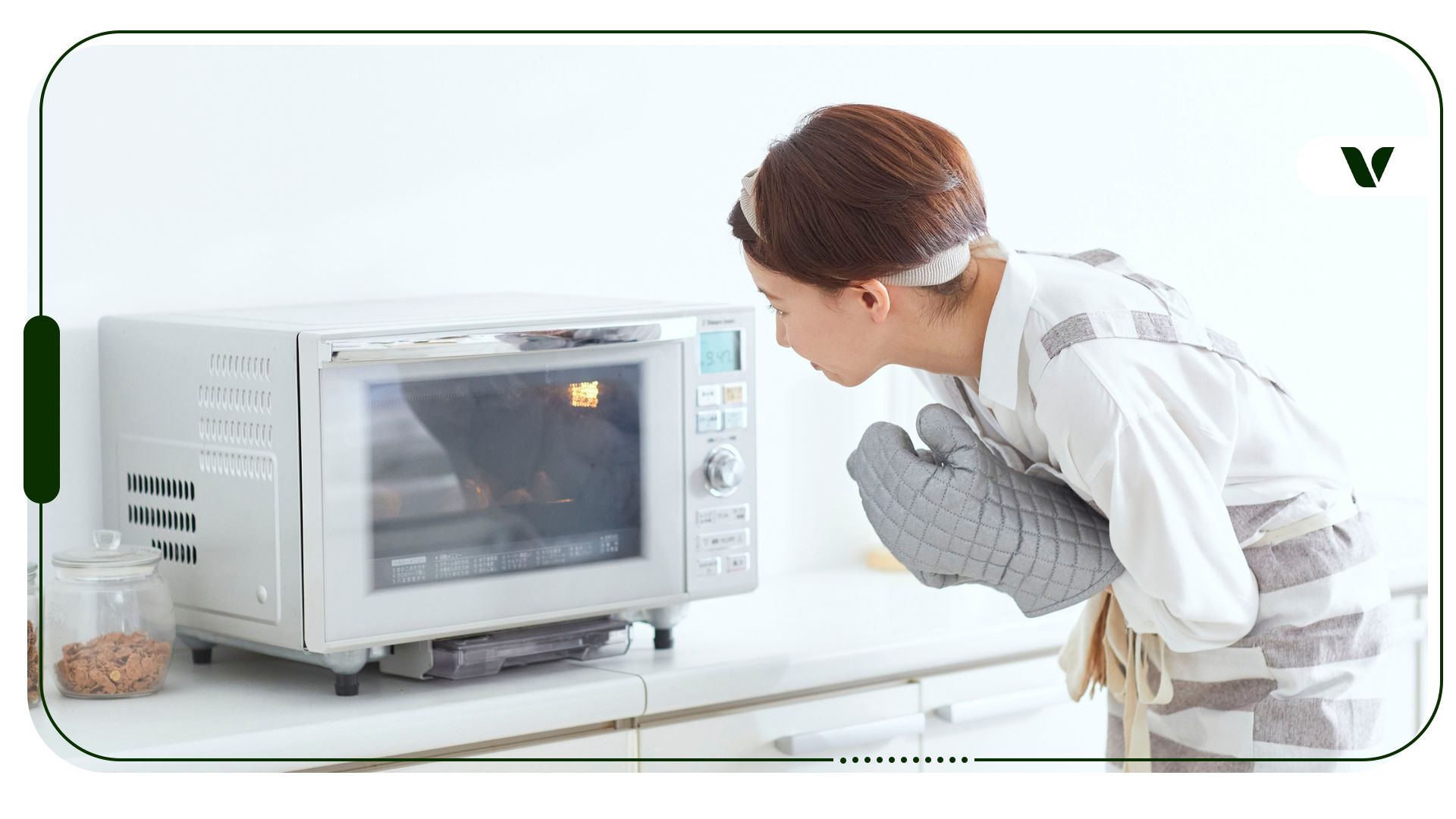
The TikTok edibles microwave trend follows a similar pattern across most videos. Users place one or more cannabis gummies into a microwave-safe cup, add a small amount of water, and heat the mixture for a few seconds.
After microwaving, they stir the softened gummies and pour the liquid into coffee, tea, juice, or another drink. Many creators describe this microwave cannabis gummy trick as a shortcut for making cannabis-infused drinks at home.
People add water because gummies do not truly melt on their own. Water helps transfer heat gently and prevents the gummy from sticking or burning during microwaving. It also creates a liquid base that mixes more easily into drinks.
However, many TikTok videos skip essential details. Some users microwave gummies too long or use too little water, which can overheat the edible and reduce potency. Others fail to stir thoroughly, leading to uneven dosing or a consistency that is not ideal for adding to drinks.
TikTok videos also rarely address temperature control or cannabinoid degradation. While the marijuana edibles microwave TikTok trend looks simple, it does not reflect best practices for preserving THC potency or managing edible dosing safely.
Cannabis edibles work by activating cannabinoids before you consume them. Heat triggers this process, called decarboxylation, which converts THCA and CBDA into active THC and CBD.
Once activated, these cannabinoids can produce effects you’d expect when you eat a cannabis edible. Licensed marijuana edible manufacturers control temperature and timing during production to make sure THC and CBD reach the correct chemical form for consumption.
However, cannabis gummies function differently from baked edibles like brownies or cookies because of their ingredients and structure. Baked goods like marijuana brownies usually contain cannabis-infused fats such as butter or oil, which bind easily to THC because cannabinoids are fat-soluble.
Instead, cannabis gummies rely on gelatin, sugar, and flavorings instead of fats. Manufacturers still infuse gummies with cannabinoids, but the gummy’s structure limits how those compounds interact with liquids later.
As such, THC and CBD dissolve in fats, not water. Fat-solubility means cannabinoids bind well to oils but do not mix evenly with water-based drinks. Water solubility refers to substances that dissolve completely in liquids, such as coffee or juice.
This explains why cannabis gummies do not truly dissolve in water, even when microwaved. Microwaving gummies with water only softens the candy, causing it to break down physically rather than chemically. As a result, the microwave cannabis gummies TikTok trend produces cloudy mixtures instead of fully infused drinks.
Does Heat Destroy or Degrade THC? What Science Actually Says
Heating cannabis edibles affects THC, and microwaving gummies the wrong way can reduce potency or create uneven dosing. THC, the cannabinoid responsible for the “high,” remains chemically stable only within a limited temperature range.
However, heat does play a key role in making homemade cannabis edibles, which makes decarboxylating cannabis flower necessary. Without decarboxylation, cannabis will not produce its expected medicinal or recreational effects.
But when temperatures rise too high or increase too quickly, THC begins to degrade into other compounds, most notably CBN (cannabinol). Research shows that excessive heat and prolonged exposure accelerate cannabinoid degradation.
THC degradation occurs naturally after harvest as cannabis ages and oxidizes. Over time, THC converts into CBN (cannabinol), a non-psychoactive cannabinoid that does not produce a high.
CBN may support sleep, pain relief, and anti-inflammatory effects, but it does not replace THC’s psychoactive impact. Fresh, properly cured cannabis contains very little CBN, while older or improperly stored cannabis shows higher levels.
Gentle warming cannabis differs significantly from high-heat exposure. Brief, low-temperature warming can soften an edible with minimal THC loss. High heat, however, accelerates THC degradation. THC degradation accelerates when cannabis remains exposed to temperature extremes, particularly below 32°F (0°C) or above 86°F (30°C).
See If You Qualify For Medical Marijuana -Select Your State!
Select Your State
Alabama
Alaska
Arizona
Arkansas
California
Colorado
Connecticut
Delaware
Florida
Georgia
Hawaii
Idaho
Illinois
Indiana
Iowa
Kansas
Kentucky
Louisiana
Maine
Maryland
Massachusetts
Michigan
Minnesota
Mississippi
Missouri
Montana
Nebraska
Nevada
New Hampshire
New Jersey
New Mexico
New York
North Carolina
North Dakota
Ohio
Oklahoma
Oregon
Pennsylvania
Rhode Island
South Carolina
South Dakota
Tennessee
Texas
Utah
Vermont
Virginia
Washington
West Virginia
Wisconsin
Wyoming
Never miss a post
Get updates on cannabis culture, new research, and expert insights
Microwaves complicate the THC degradation process because they heat unevenly. Microwave energy creates hot spots that spike temperatures in parts of the edible while other areas stay cooler.
These temperature fluctuations can damage THC even during short heating cycles. This uneven heating explains why the microwave cannabis gummies TikTok trend carries real risks when people skip careful timing, stirring, and temperature control.
Can You Microwave Cannabis Gummies? Safety, Timing, and What Can Go Wrong
Yes, you can microwave cannabis gummies—but only briefly and carefully. Microwaving softens gummies, but overheating quickly reduces potency and creates uneven dosing.
This method does not increase strength or speed up its effects. Instead, it only changes texture. Timing, ratio, and technique matter—successfully microwaving marijuana gummies depends on short heating times, enough water, and constant stirring.
Step 1: Use the Right Gummy-to-Water Ratio
Start with one cannabis gummy per 1–2 tablespoons of water. The added water absorbs microwave energy, helping protect cannabinoids from overheating. Using too little water increases the risk of burning the gummy or degrading THC.
Step 2: Microwave in Short Intervals Only
Heat cannabis gummies in 5–10 second intervals and stir thoroughly between each round. Continuous heating damages THC because microwaves heat unevenly and create hot spots that spike temperature (FDA). Stop heating as soon as the gummy softens, rather than trying to melt it fully.
Step 3: Watch the Temperature Closely
The liquid should feel warm, not hot to the touch. Bubbling or boiling accelerates THC degradation and decreases potency. Water boils at 212°F (100°C), and cannabinoid breakdown speeds up as temperatures approach that range. Gentle warming preserves potency far better than aggressive heating.
Step 4: Mix Into Drinks Carefully
Warm beverages like tea or coffee blend more smoothly than cold drinks. Separation can still occur because THC remains fat-soluble, and the edible’s formulation limits how evenly it mixes. Stir before sipping and expect some cloudiness.
Step 5: Avoid Overheating at All Costs
Microwaving gummies for too long reduces potency and alters flavor and texture. Overheating also increases dosing unpredictability because uneven heating creates uneven cannabinoid distribution. Be sure to use low heat, short microwave intervals, and careful mixing to reduce these risks.
Better Alternatives to Microwaving Gummies: THC Simple Syrup, Cannabutter, Cannabis-Infused Coconut Oil, and More
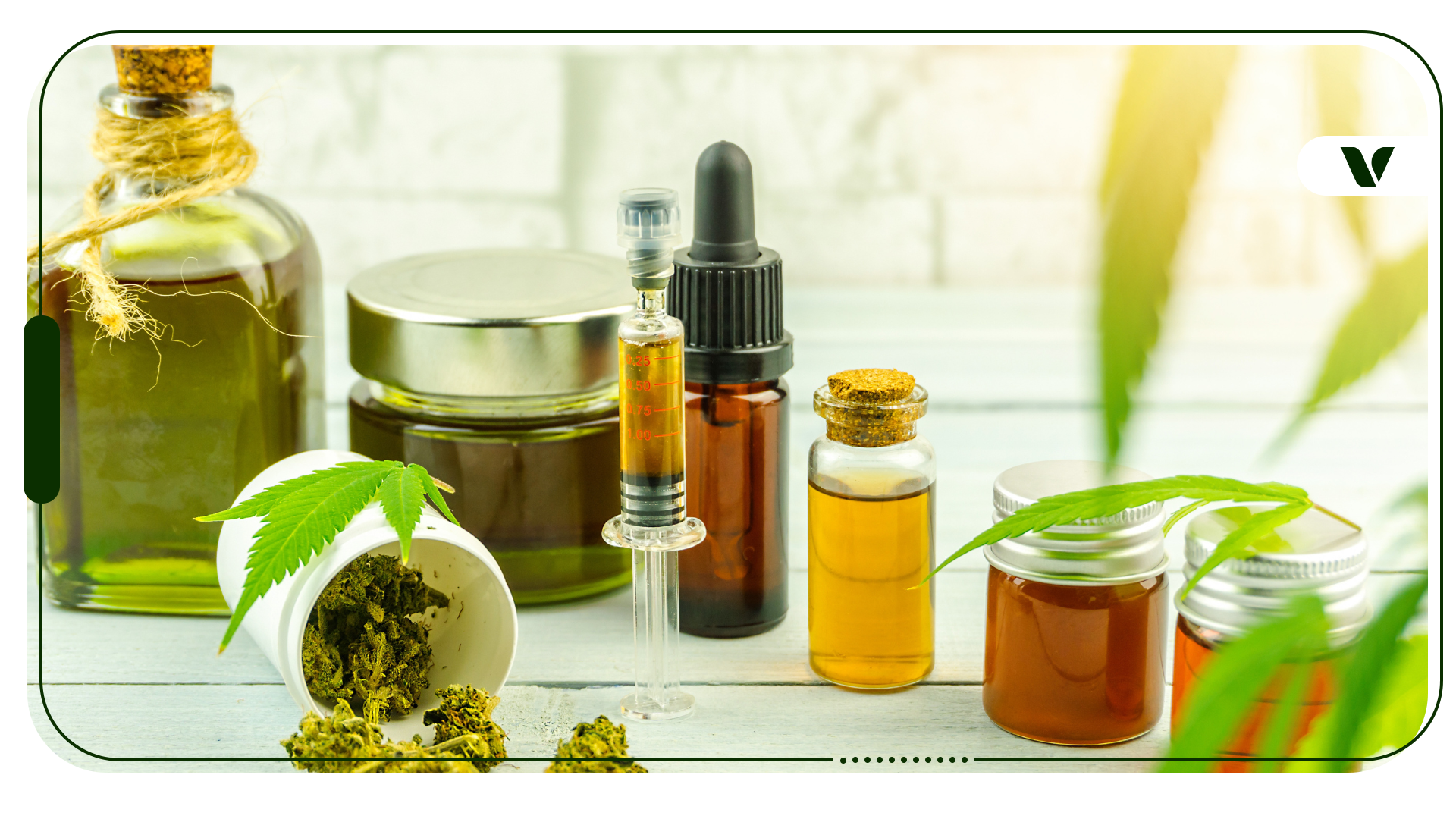
People can enjoy cannabis-infused drinks year-round in ways that mix and taste better than the microwaved marijuana gummy TikTok trend. DIY and store-bought THC products designed specifically for liquid use deliver safer, more consistent results than microwaving gummies.
Many of these options are quick and easy to make in large batches, allowing you to keep them on hand and add a precise amount to a drink anytime. These THC drink infusion alternatives preserve potency, improve dosing accuracy, and blend more smoothly into drinks. Many of these options work seamlessly across seasons, from refreshing summer cannabis drinks to holiday and winter favorites with a cannabis-infused twist.
Cannabutter
Cannabutter works well in warm drinks that already contain fats, such as coffee, hot chocolate, or lattes. Because THC binds to fat, cannabutter allows cannabinoids to distribute more evenly than water-based methods. This fat-based infusion supports smoother blending and more predictable effects.
Cannabis-infused coconut oil provides another fat-based option that also blends smoothly into warm beverages. Coconut oil remains stable, shelf-friendly, and versatile for both drinks and other recipes. Its fat content helps cannabinoids stay evenly distributed and supports consistent dosing.
You can learn how to make DIY cannabis-infused coconut oil here.
THC Simple Syrup
THC simple syrup works exceptionally well for cold drinks, mocktails, and cannabis infused cocktails. These easy DIY syrups disperse more evenly in beverages than melted gummies and allow precise dose control by the teaspoon. They also taste better and suit people who want a cold, instead of a hot, beverage-friendly cannabis infusion.
You can learn how to make DIY THC simple syrup here.
Cannabis-Infused Honey
Cannabis-infused honey adds sweetness and cannabinoids to tea or warm drinks while offering better consistency than microwaved gummies. Honey’s natural thickness helps suspend cannabinoids more evenly and reduces separation during sipping.
You can learn how to make DIY Cannabis-infused honey here.
Cannabis Tinctures Designed for Beverages
Store-bought or DIY cannabis tinctures offer one of the easiest ways to infuse drinks. Manufacturers design tinctures to mix evenly into liquids, which reduces separation and dosing unpredictability.
Many tinctures use alcohol or glycerin bases that disperse cannabinoids more consistently than microwave-softened gummies. This option works well for people who want precise dosing without added sugar or changes in texture.
You can learn how to make DIY cannabis tinctures here.
Sarah Welk Baynum is a Columbus, Ohio based published fiction author and experienced freelance writer specializing in long-form content. When she isn't working on her next novel or writing for her clients, she enjoys spending time riding and competing in showjumping or eventing with her two horses, Tilly and Letty.
In the school of life, tetrahydrocannabinol (THC), the most popular intoxicating cannabis compound, is like the popular kid everyone knows by name. The center of attention, always getting talked about, and highly sought after. Cannabidiol (CBD), on the other hand, gets a little less love. It’s more like the quiet honor student: low-key, non-intoxicating, rarely…
In the confusing landscape of state-by-state medical marijuana legalization and federal prohibition lies a patient’s pursuit of a better quality of life, balanced with an unrestricted financial livelihood. In workplaces across many different medical marijuana legal states, no law guarantees that a valid, card-carrying MMJ patient status exempts an employee from termination or discrimination stemming…
An alarming trend has recently come to light: more non-smokers are getting lung cancer than ever before. Given that lung cancer is the most common worldwide and the leading cause of cancer death, you may be worried about the implications of your cannabis habits. How much does cannabis contribute to lung cancer risk? According to…
It feels like every other day, a fresh slang term pops up in the cannabis lexicon, and today, we’re looking at an entry that’s all over TikTok and Reddit – Yart! Spoiler alert: it has everything to do with the humble vape cart (and how challenging it is to talk about cannabis on social media). …
The final stage of life often brings profound challenges for both patients and their families. For patients in hospice and palliative care, common symptoms not only affect the physical body but also their mental well-being. While traditional medications may dull pain, they often come with heavy sedation, confusion, and loss of clarity. Fortunately, medical cannabis…
The statements made regarding cannabis products on this website have not been evaluated by the Food and Drug Administration (FDA). Cannabis is not an FDA-approved substance and is still illegal under federal law. The information provided on this website is intended for educational purposes only and is not intended to diagnose, treat, cure, or prevent any disease. It is not intended as medical advice and should not be considered as a substitute for advice from a healthcare professional. We strongly recommend that you consult with a physician or other qualified healthcare provider before using any cannabis products. The use of any information provided on this website is solely at your own risk.