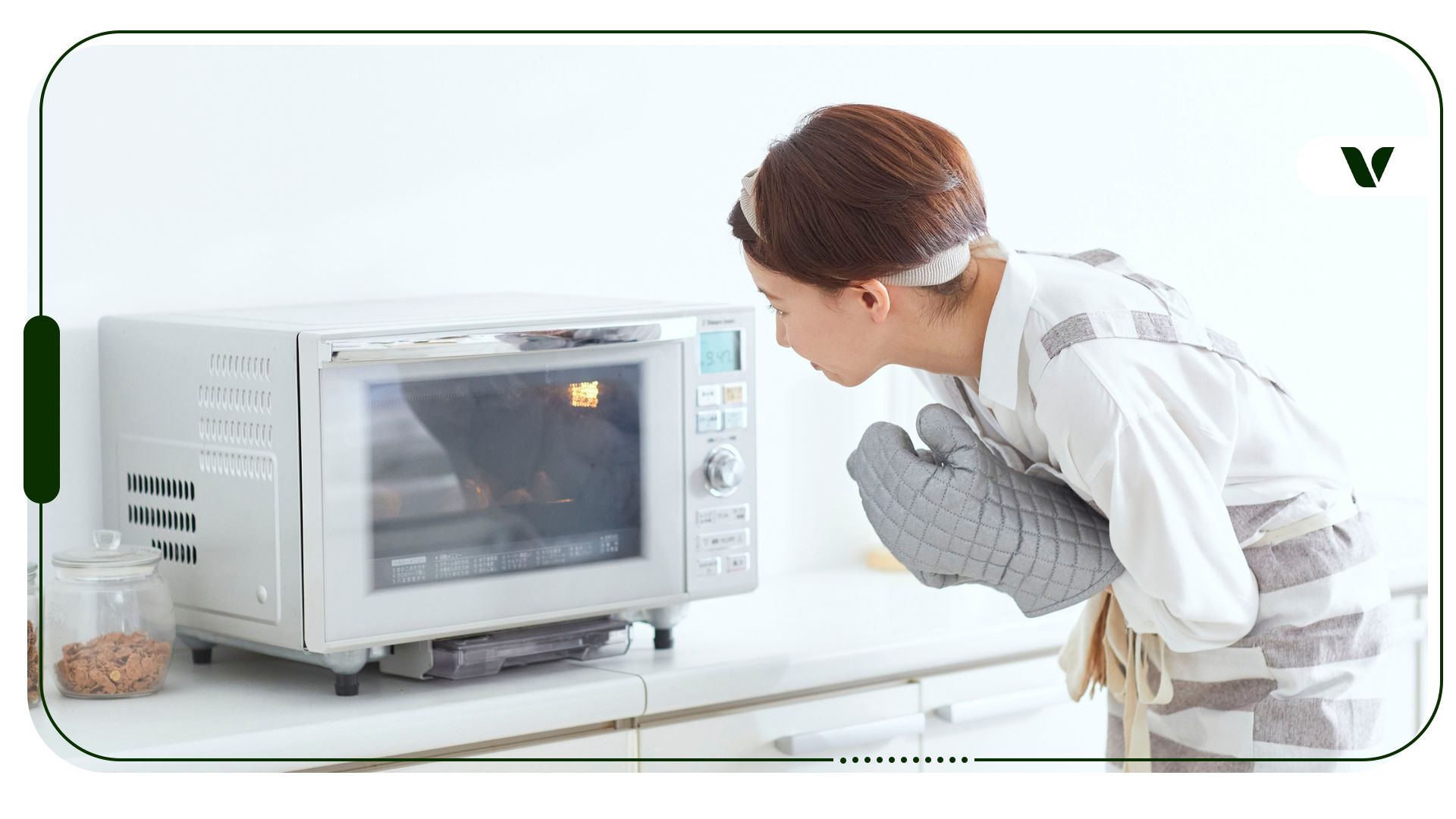
Microwaving cannabis edibles can degrade tetrahydrocannabinol (THC), but how much potency you lose depends on the temperature reached and the type of edible you’re heating. The TikTok trend of dissolving gummies in hot drinks looks simple, but the chemistry happening inside that microwave is worth understanding before you try it.
Why People Are Microwaving Cannabis Edibles, and What the Trend Actually Involves
The trend started on TikTok, where videos of people dropping cannabis gummies into cups of hot water or tea racked up millions of views. The appeal is obvious: instead of waiting up to two hours for a standard edible to kick in, users claimed the dissolved gummy hit faster because the cannabinoids were already in liquid form and easier to absorb. Searches for “microwave cannabis gummies” and “edibles microwave TikTok” climbed steadily through 2025 and into 2026.
The assumption driving the trend is that heat speeds up how cannabis edibles are absorbed through the digestive system. That part has some logic to it. What the trend skips over is what that microwave heat does to the cannabinoids themselves before the drink even reaches your mouth.
The TikTok Method Explained: What People Are Doing
The basic method involves placing one or more cannabis gummies in a small amount of water and microwaving the mixture in short bursts until the gummies dissolve. The resulting liquid gets stirred into a warm drink. Some versions use juice or tea instead of water. The goal is a drinkable cannabis beverage made at home in under five minutes.
The problem is that microwave ovens heat unevenly. Unlike a stovetop or a controlled water bath, a microwave creates hot spots where temperature can spike dramatically in a small area, particularly when the liquid volume is low and the gummy is concentrated in one spot. That uneven heat distribution is where the potency loss begins.
How Cannabis Edibles Work, and Why Microwaving Doesn’t Change the High the Way You’d Expect
When you eat a cannabis edible, THC is absorbed through your digestive tract and processed by the liver, which converts it into 11-hydroxy-THC, a compound that crosses the blood-brain barrier more efficiently than THC itself. This process takes time, which is why edibles produce effects that differ from smoked or vaped cannabis, a difference rooted in the pharmacokinetics of orally administered cannabinoids versus inhaled ones.
It’s also part of why edibles hit differently depending on what’s in your stomach, and why onset can range from 30 minutes to two hours depending on your metabolism and what you’ve eaten.
Dissolving a gummy in warm liquid does not bypass this process. The cannabinoids still need to be digested and metabolized before you feel anything. What changes is the physical form, not the pharmacology. The faster-onset effect some users report is likely placebo, expectation, or the result of drinking the liquid on an empty stomach, not a genuine acceleration caused by heat.
At What Temperature Does Heat Degrade THC? What the Science Shows
THC begins to volatilize at approximately 157°C (315°F), a figure documented in research on THC’s boiling point and in Veriheal’s own breakdown of THC degradation temperatures, and oxidative degradation accelerates meaningfully above that threshold. This is the number the TikTok trend ignores. At that temperature, THC converts into cannabinol (CBN), a mildly sedating compound with a fraction of THC’s psychoactive potency.
A standard microwave set to high can drive surface temperatures well above 157°C in concentrated hot spots within 30 to 60 seconds, particularly when a small gummy sits in a minimal volume of water. The water itself caps at 100°C while it’s still liquid, which sounds safe. But once the water volume is low and the gummy starts to dry out or concentrate, localized temperatures can spike quickly, according to THC thermal degradation research.
This is exactly what makes microwave heating different from controlled heating. Non-uniform heat distribution means some zones in the edible can exceed the degradation threshold while others stay cool. The result is uneven cannabinoid exposure and unpredictable potency loss.
Understanding the cannabis decarboxylation process and role of temperature in cannabinoid activation helps clarify why temperature control matters so much when working with cannabinoids.
Microwave vs. Other Heating Methods, Which Is Safest for Cannabis Edibles
If your goal is to dissolve a gummy into a drink without losing potency, the method you use to apply heat matters more than how quickly it happens. Here is how the three most common home methods compare.
| Method |
Heat Uniformity |
THC Risk |
Best For |
| Microwave |
Poor, creates unpredictable hot spots |
High if water volume is low or heating exceeds 60 seconds |
Not recommended for edibles |
| Warm water bath |
Excellent, temperature stays at or below 100°C |
Low, well below the 157°C degradation threshold |
Dissolving gummies into drinks |
| Room temperature |
No applied heat |
None |
Softening chocolate or slow-melting gummies |
A warm water bath is the method that delivers what the TikTok trend is actually after. Place the gummy in a sealed bag or small container, submerge it in warm (not boiling) water, and let it dissolve over five to ten minutes. The temperature stays safely below the degradation threshold, heat distributes evenly, and you lose none of the potency in the process.
Can You Microwave Cannabis Edibles Safely? What Can Go Wrong by Edible Type
Not all edibles respond to microwave heat the same way, and the risk level varies significantly by format. Here is what happens to the three most common edible types.
| Edible Type |
Heat Behavior |
Risk Level |
Notes |
| Gummies |
Rapid heat uptake; small mass concentrates temperature quickly |
High |
Sugar crystallization and uneven cannabinoid exposure; highest risk of exceeding 157°C threshold |
| Baked goods (brownies, cookies) |
Fat matrix slows heat transfer; exterior may feel cool while interior spikes |
Medium |
Interior hot spots can exceed degradation threshold even when the edible feels warm, not hot |
| Chocolate |
Cocoa butter melts at approximately 34°C, well below any degradation threshold |
Low |
Gentle warming is unlikely to affect potency; overheating is still possible if microwaved on high |
Gummies carry the highest risk because they combine small mass, low water content, and a gelatin structure that concentrates heat rapidly. If you do choose to microwave any edible, use the lowest power setting, heat in 10-second intervals, and stop well before the edible looks or smells overheated.
Better Alternatives to Microwaving Cannabis Edibles
If you want cannabis in drink form without risking THC loss, several better options exist. These are made with controlled heat from the start, which means the cannabinoids are already stable by the time you consume them.
- Cannabutter: Made by simmering cannabis in butter at low, controlled temperatures. Dissolves easily into hot drinks, baked goods, and sauces.
- Cannabis-infused coconut oil: One of the most versatile options. Follow a reliable cannabis-infused coconut oil recipe to make a base you can add to smoothies, coffee, or cooking.
- THC simple syrup: Designed specifically for beverages. Blends into cold or warm drinks without any fat, making it the cleanest option for drink infusion.
- Cannabis-infused honey: Adds sweetness along with cannabinoids, whether THC, CBD, or a blend of the two. Works well in tea or any drink where honey is a natural fit.
- Cannabis tinctures: These are already in liquid form and designed for sublingual use or drink infusion. They offer the most precise dose control and the most predictable edible high compared to any home-dissolved gummy method.
Each of these options gives you consistent cannabinoid delivery because the heat was controlled during production, not applied randomly in a microwave after the fact. If onset speed is your main concern, sublingual tinctures consistently outperform any edible format, dissolved or not.
If you’re looking to explore medical cannabis options with a licensed provider, find a medical marijuana doctor near you through Veriheal.
Note: The content on this page is for informational purposes only and is not intended to be professional medical advice. Do not attempt to self-diagnose or prescribe treatment based on the information provided. Always consult a physician before making any decision on the treatment of a medical condition.
Note: Veriheal does not support illegally consuming therapeutic substances such as cannabis but acknowledges that it transpires because of the current illicit status, which we strive to change by advocating for research, legal access, and responsible consumption. Always consult a physician before attempting alternative therapies.
FAQs
Will edibles still work if you melt them?
Melting a cannabis edible below the THC degradation threshold of approximately 157°C (315°F) does not destroy the cannabinoids, so the edible will still produce effects. The risk comes when heat exceeds that threshold, which converts THC into CBN and reduces psychoactive potency. Gentle melting, such as in a warm water bath, preserves potency; aggressive microwave heating does not.
Can I melt gummies in the microwave?
You can physically melt cannabis gummies in the microwave, but doing so carries a real risk of THC degradation. Gummies heat rapidly and unevenly, and localized temperatures in the microwave can exceed the 157°C point where THC begins to break down. A warm water bath achieves the same result with far less risk to potency.
Does heating up edibles make them less strong?
Heat can make edibles less potent if the temperature reaches approximately 157°C (315°F) or above, which is where THC begins to volatilize and convert to CBN. Below that threshold, moderate warming is unlikely to cause significant potency loss. The problem with microwaving is that hot spots can spike above this level even when the liquid feels only warm to the touch.
What’s the fastest way to make an edible hit?
The method of delivery matters more than preparation temperature when it comes to onset speed. Cannabis tinctures used sublingually, placed under the tongue and held for 60 to 90 seconds, typically produce effects within 15 to 30 minutes. Consuming any edible on an empty stomach also shortens onset time compared to eating after a large meal.
Author, Share & Comments