Your medical cannabis journey simplified: find partnered dispensaries, explore pricing options, earn rewards, and get answers to FAQs, all in one spot.
Cannabis does more than influence mood or ease pain—it can also affect how your body regulates heat. This can offer relief in hot weather or for people dealing with heat-related symptoms.
In this article, we explore the science behind cannabis and thermoregulation, including how THC and CBD differ in their effects, the role of terpenes, the ways consumption methods can influence results, and real-world ways people use cannabis to manage heat-related discomfort.
Cannabis and Thermoregulation: How Cannabis Affects Body Temperature Regulation
Scientists first documented THC’s hypothermic impact in the 1970s. Later animal studies confirmed this phenomenon as a hallmark of THC-like cannabinoids. Tetrahydrocannabinol (THC), the primary psychoactive compound in cannabis, can influence how the body regulates temperature. In some cases—especially with higher doses—THC triggers what’s called THC-induced hypothermia, where body temperature drops after consumption.
Higher THC doses make THC-induced hypothermia most apparent, lowering core body temperature. However, this cooling is mild and short-lived, and far less severe than the dangerous hypothermia caused by prolonged exposure to extreme cold—especially at the THC doses most people typically consume. THC-induced hypothermia is only felt centrally in the brain by playing with our internal thermostat; it does not actually expose tissues to thermal injury or elemental damage.
The endocannabinoid system (ECS) plays a key role in regulating body temperature through the hypothalamus—the brain’s thermostat. Natural compounds like anandamide (AEA) activate cannabinoid and TRPV1 (transient receptor potential vanilloid 1) channels, which can promote thermal balance. TRPV1 channels sit in both central and peripheral nerve cells, and act as heat and pain sensors within and outside the brain.
THC further affects how your body controls temperature by binding to CB1 receptors in the hypothalamus. THC lowers body temperature by slowing heat production and reducing oxygen use.
Studies show this cooling effect is dose-dependent—higher doses cause more noticeable drops in temperature. When researchers block CB1 receptors, the cooling stops, proving that CB1 activity in the hypothalamus drives THC-induced body cooling. Because it can influence body temperature through several mechanisms, cannabis stands out even more as a versatile option for supporting natural health and wellness.
CBD vs. THC for Thermoregulation
THC binds directly to CB1 receptors in the hypothalamus, slowing heat production and reducing oxygen use, which can cause dose-dependent cooling. CBD, however, does not directly activate CB1 receptors and appears to have a neutral effect on core body temperature.
This is interesting given that CBD and CBG bind TRPV1 potently. Meanwhile, THC doesn’t bind TRPV1, but instead binds to the other TRP family members. This suggests CB1 activation is a bigger factor in reducing body temperature, but the mechanisms are unclear to date.
Human and sports performance studies show CBD does not significantly change thermoregulation—even under extreme circumstances like heat stress. This is likely because it interacts with the ECS indirectly rather than directly like THC.
Dosing Matters: THC Can Cool or Heat You
THC changes core temperature in a dose-dependent way. At higher doses, THC increasingly lowers body temperature. At lower doses, it may instead raise body temperature, called hyperthermia. Researchers trace this dose-dependent reaction to CB1-receptor activity in the hypothalamus and downstream effects on heat production, but don’t understand it fully yet.
One reason THC can cool the body is by reducing metabolic heat production, which shows up as lower oxygen use after consumption. This slowdown in metabolism helps explain the temperature drop seen at higher doses. When researchers block CB1 receptors, the cooling effect weakens or disappears—evidence that CB1 activity in the hypothalamus plays a key role in this temperature change.
Because dose matters, careful cannabis titration is essential. At the correct, higher doses, THC’s cooling effects can help people who struggle with heat-related symptoms. Using appropriate amounts of cannabis may offer relief during hot weather, heat stress, or conditions with heat intolerance, including certain neurological disorders or menopausal hot flashes.
Cooling terpenes intensify the “sensory chill” effect. Cannabis naturally contains many of these terpene compounds, which shape its flavor, aroma, and effects. These terpenes activate the TRPM8 receptor (also called the cold and menthol receptor), the same sensory pathway triggered by mint or menthol rubs.
While this “sensory chill” doesn’t significantly lower internal temperature, it can make you feel cooler or alleviate body aches and pains (e.g., capsaicin cream, Icy Hot®, Bengay®, etc.)—especially when paired with THC’s thermoregulatory effects. Combining cooling terpene-rich strains with THC may enhance overall comfort.
Key cooling terpenes include:
Eucalyptol (Cineole): Delivers a strong minty, camphor-like aroma and flavor, along with a noticeable cooling sensation.
Borneol: Offers a minty aroma and flavor with a subtle metallic note. Known for its potential analgesic and anti-inflammatory effects.
Menthol: Provides a classic minty aroma and flavor, creating a distinct cooling sensation.
Pulegone: Features a minty, icy, and refreshing aroma and flavor.
Camphene: Has an earthy, woody, and slightly pungent aroma with hints of fir needles and damp forest. Produces a cooling sensation when applied topically and appears in many indica strains.
Methods of Cannabis Consumption & Their Effect on Cooling the Body
The way you consume cannabis can also influence how strongly and how quickly you feel its cooling effects.
See If You Qualify For Medical Marijuana -Select Your State!
Select Your State
Alabama
Alaska
Arizona
Arkansas
California
Colorado
Connecticut
Delaware
Florida
Georgia
Hawaii
Idaho
Illinois
Indiana
Iowa
Kansas
Kentucky
Louisiana
Maine
Maryland
Massachusetts
Michigan
Minnesota
Mississippi
Missouri
Montana
Nebraska
Nevada
New Hampshire
New Jersey
New Mexico
New York
North Carolina
North Dakota
Ohio
Oklahoma
Oregon
Pennsylvania
Rhode Island
South Carolina
South Dakota
Tennessee
Texas
Utah
Vermont
Virginia
Washington
West Virginia
Wisconsin
Wyoming
Never miss a post
Get updates on cannabis culture, new research, and expert insights
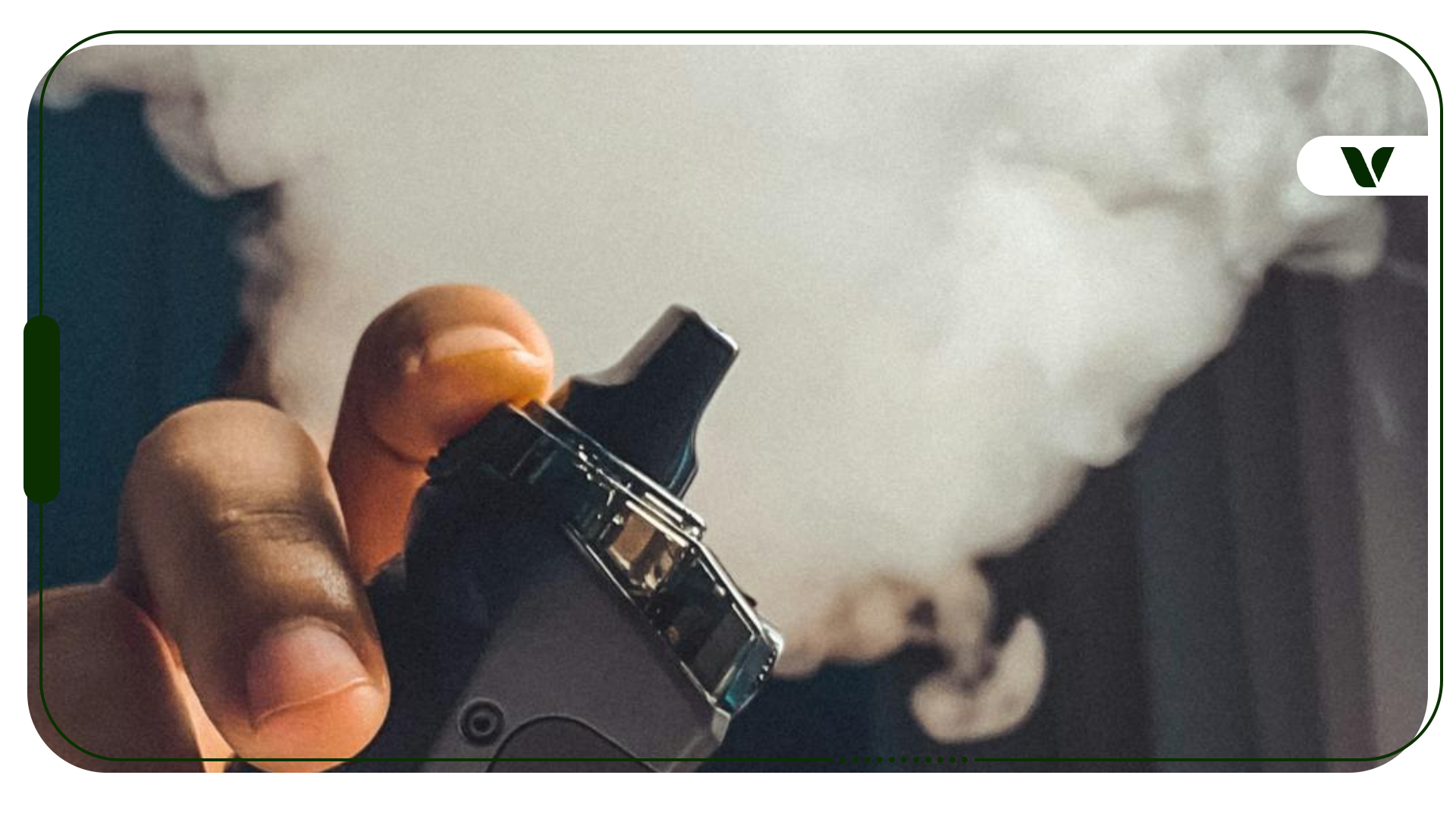
Smoking or vaping: This consumption method delivers cannabinoids to the bloodstream and into the brain within minutes, which means any cooling effects—depending on dose—can happen quickly. This makes inhalation a better option for situations where you want fast relief.
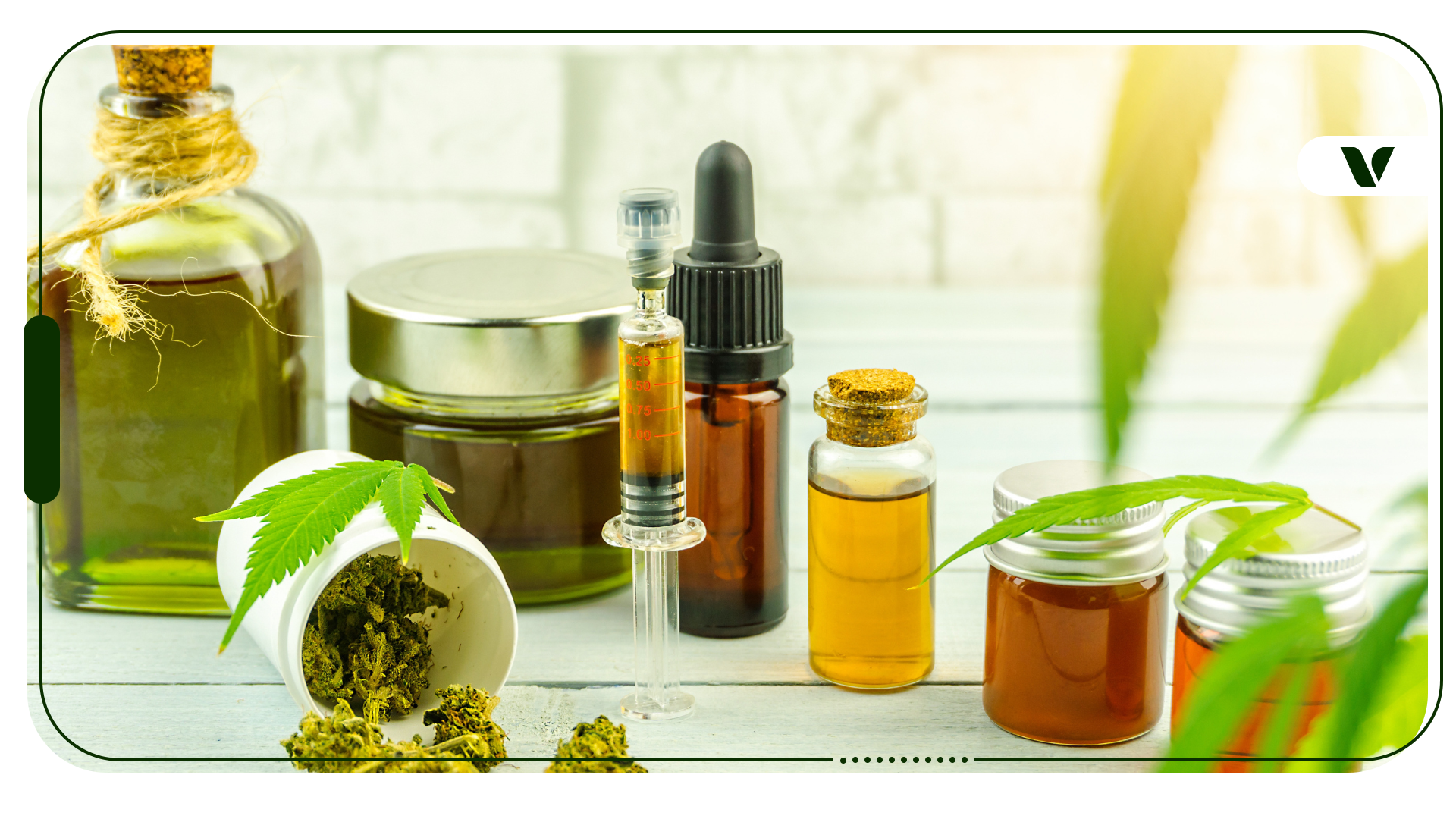
Edibles: Edibles take longer to kick in, typically starting about 30–60 minutes after consumption. Because of this delay, they’re less useful for immediate heat stress. However, their longer-lasting effects and precise dosing can make them a good choice for planned temperature modulation.
Topicals: Cannabis topicals with menthol create a refreshing, sensory chill on the skin by activating cold receptors. Pair topicals with other cannabis methods, including THC, to boost relief.
Beverages: Cannabis beverages with THC can include electrolytes to boost hydration and provide extra benefits, especially during exercise or hot weather.
Surprising and Unique Ways to Use Cannabis for Heat Relief
There are unique—and sometimes surprising—ways to tap into THC’s cooling power to support relief from heat-related symptoms alongside other cooling methods.
Heat Stress
Heat stress occurs when your body overheats from high temperatures, humidity, or intense physical activity. Heat stress symptoms can include:
Nausea
Dizziness
Headache
Fatigue
Cannabis—particularly THC at higher doses—may help ease heat discomfort and nausea, while “cooling” terpene-rich strains can enhance the sensation of cooling relief. However, too much may worsen nausea and dizziness, emphasizing balance, precautions, or a need for complementary cannabinoids like CBD or CBG.
Pair cannabis use for heat stress with proven relief and protective measures like adequate hydration, shade, and rest. It should not replace medical treatment, especially in severe cases such as heat stroke.
Menopause & Hot Flashes
In a 2022 survey involving 258 perimenopausal and postmenopausal women, researchers found that 78.7% of participants currently use cannabis to manage menopause-related symptoms.
Women can use cannabis to help manage vasomotor symptoms, reactions caused by sudden changes in blood vessel dilation or constriction, like hot flashes. Surveys also show women turn to cannabis for other menopause-related concerns, including better mood, improved sleep, joint pain relief, and reduced anxiety. For many, THC’s mild cooling effect—enhanced by cooling terpenes like menthol or eucalyptol—offers added comfort during hot flashes.
Autoimmune Disorders
Autoimmune disorders—particularly multiple sclerosis (MS)—can make people more sensitive to heat. Heat sensitivity may worsen other autoimmune disorder symptoms and affect daily comfort.
Research suggests cannabis may calm the nervous system and reduce inflammation by activating CB2 receptors, which play a key role in immune regulation. These effects may support better temperature control while easing other symptoms of autoimmune conditions. Most findings come from preliminary or preclinical studies, so researchers need more evidence to confirm cannabis’s role in thermal regulation.
Fever and The Flu
High doses of THC can lower body temperature, which may create a cooling effect during a fever, such as with the flu. Cannabis may also help ease other flu-related symptoms, including poor appetite, nausea, low mood, headaches, and inflammation. Cannabinoids and terpenes also have several synergistic antiviral, bronchodilatory, and mucus-busting (mucolytic) properties that consumers may benefit from, although clinical research is lacking here.
However, because fever is part of the body’s natural immune response to fight infections, it’s important to avoid reducing it unnecessarily, as this could slow recovery. Cannabis can provide comfort, but use it under medical guidance—especially with an infection.
Exercise-Induced Overheating
Appropriately-dosed THC—particularly at levels known to produce a lower body temperature—may offer some relief to those who overheat during or after intense activity.
A small human study found that CBD did not change core temperature during heat stress but did reduce inflammatory markers, suggesting it may aid recovery after exercise in hot conditions. Its anti-inflammatory and analgesic effects may ease post-exercise soreness and synergize with terpenes, too. Pair CBD with hydration, electrolytes, appropriately-dosed THC, and other cooling strategies to boost athletic recovery.
Anxiety or Panic-Induced Overheating
Anxiety and panic attacks can raise body temperature by increasing heart rate, muscle tension, and blood flow. Carefully-managed doses and strains of CBD, CBG, or low-dose THC may promote relaxation for these attacks.
However, higher THC doses can often trigger or worsen anxiety, which could increase heat sensations. People prone to anxiety should start with low THC doses, track their response, and pair cannabis with calming techniques like slow breathing or grounding exercises. CBD and CBG-rich strains may also help calm the nervous system, possibly lowering perceived anxiety, stress, heat, and discomfort.
Migraine or Cluster Headache Heat Sensitivity
For some people, heat triggers or worsens migraines and cluster headaches. Research shows that cannabinoids—such as THC and CBD—activate cannabinoid and GABA receptors in the trigeminovascular system. This can help reduce neurogenic inflammation, increase endocannabinoid tone, vascular relaxation, and modulate pain signals, which may lessen the severity of headaches.
In one study, inhaled cannabis cut migraine severity by 50% and improved duration and nausea for many users. While research specifically on heat-triggered attacks remains limited, people sensitive to temperature changes may find extra relief by pairing cannabis with cooling strategies like cold compresses, hydration, and controlled environmental temperature.
Chronic Dehydration or Dysautonomia
Conditions like postural orthostatic tachycardia syndrome (POTS) and other autonomic nervous system disorders often cause heat intolerance and dizziness. Cannabis may help ease related symptoms such as nausea and general heat discomfort. However, THC can lower blood pressure, which may make dizziness worse, so caution is essential.
Tips for Using Cannabis to Cool Down
While higher doses of THC can have the best cooling effect, it’s still best to start with a lower THC dose and monitor how your body responds before increasing gradually. Pairing THC with equal portions of CBD or CBG may mitigate anxiety-inducing effects, but could alter temperature-reducing effects.
Look for strains or products rich in cooling terpenes like menthol or eucalyptol.
Stay well-hydrated, especially in hot conditions. This not only supports overall cooling but can also ease cannabis side effects like cottonmouth. Since cannabis can increase thirst, it may even encourage you to drink more water and maintain better hydration.
Avoid combining cannabis with alcohol in hot conditions, as alcohol can increase body heat and directly contributes to dehydration.
Use cannabis alongside other cooling measures such as shade, rest, and proper ventilation. Seek urgent help if there are signs of heat stroke, dehydration, altered mental status, or passing out.
Conclusion
Cannabis helps regulate body temperature through THC’s dose-dependent cooling effects on CB1, and terpenes that enhance the sensation of coolness throughout the body. Early research and anecdotal reports suggest potential benefits for heat stress, menopause hot flashes, and neurological heat sensitivity.
Still, it should complement—not replace—cooling essentials like hydration, shade, and rest. Start with a low THC dose, monitor your response, and choose products that best fit your needs. Current evidence points to cannabis as a promising option for natural heat relief, though researchers still need more human studies.
Sarah Welk Baynum is a Columbus, Ohio based published fiction author and experienced freelance writer specializing in long-form content. When she isn't working on her next novel or writing for her clients, she enjoys spending time riding and competing in showjumping or eventing with her two horses, Tilly and Letty.
Reclaim edibles are re-purposed leftovers. You see that sticky residue sitting in your dab rig? Take a look, it is there. With a teensy bit of creativity, you can actually transform it into something amazing. The downside? Probably won’t hit exactly like fresh cannabis and won’t taste great either. However, if for whatever reason you…
In the school of life, tetrahydrocannabinol (THC), the most popular intoxicating cannabis compound, is like the popular kid everyone knows by name. The center of attention, always getting talked about, and highly sought after. Cannabidiol (CBD), on the other hand, gets a little less love. It’s more like the quiet honor student: low-key, non-intoxicating, rarely…
In the confusing landscape of state-by-state medical marijuana legalization and federal prohibition lies a patient’s pursuit of a better quality of life, balanced with an unrestricted financial livelihood. In workplaces across many different medical marijuana legal states, no law guarantees that a valid, card-carrying MMJ patient status exempts an employee from termination or discrimination stemming…
An alarming trend has recently come to light: more non-smokers are getting lung cancer than ever before. Given that lung cancer is the most common worldwide and the leading cause of cancer death, you may be worried about the implications of your cannabis habits. How much does cannabis contribute to lung cancer risk? According to…
It feels like every other day, a fresh slang term pops up in the cannabis lexicon, and today, we’re looking at an entry that’s all over TikTok and Reddit – Yart! Spoiler alert: it has everything to do with the humble vape cart (and how challenging it is to talk about cannabis on social media). …
The statements made regarding cannabis products on this website have not been evaluated by the Food and Drug Administration (FDA). Cannabis is not an FDA-approved substance and is still illegal under federal law. The information provided on this website is intended for educational purposes only and is not intended to diagnose, treat, cure, or prevent any disease. It is not intended as medical advice and should not be considered as a substitute for advice from a healthcare professional. We strongly recommend that you consult with a physician or other qualified healthcare provider before using any cannabis products. The use of any information provided on this website is solely at your own risk.