Your medical cannabis journey simplified: find partnered dispensaries, explore pricing options, earn rewards, and get answers to FAQs, all in one spot.
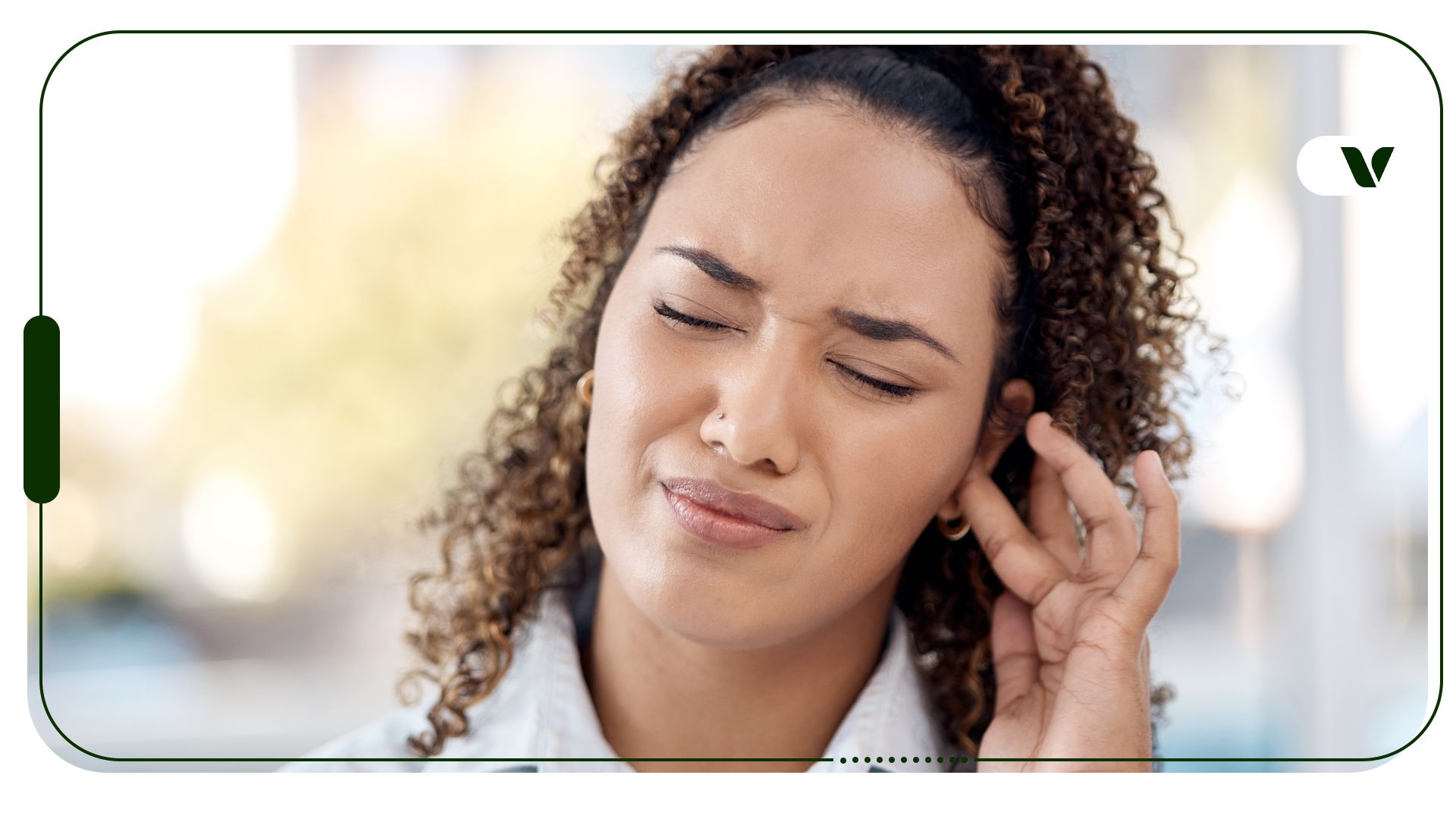
Are you hearing phantom sounds – ringing, buzzing, clicking, or roaring – that no one else can? The good news is you’re not haunted. The bad news is you may have tinnitus, a common hearing issue among up to 15% of adults.
While there’s no known cure, there are ways to manage tinnitus symptoms and its effects on your quality of life. However, certain habits may worsen the condition, and according to some, cannabis is one of them. Follow us as we delve into the truth of this, starting with a quick clarification of what tinnitus is and what causes it.
What Is Tinnitus?
Tinnitus is a condition where you hear sounds that aren’t there. Not voices, but rather ringing, buzzing, hissing, or similar phantom noises. In severe cases, the sounds can be loud, persistent, and disruptive to daily life, impacting concentration and even sleep.
Tinnitus can occur in one ear or both, and while the condition itself isn’t deadly, it may be a symptom of a more serious underlying issue. For example, it may be a sign of oncoming hearing loss, ear infections, high blood pressure, or a neurological disorder.
Causes of Tinnitus
The most common cause of tinnitus is prolonged or sudden exposure to loud sounds that damage hearing and leave your ears ringing or buzzing. It’s especially common among workers who frequently use firearms or work in loud machining environments, such as factories or construction sites, without hearing protection. In younger people, popular hangouts like sporting events, concerts, loud indoor venues, or excessive headphone volumes are common causes.
Tinnitus may also be due to factors beyond your control, such as:
Age-related hearing loss
Ear infections, blockages, or eardrum rupture
Medications like antibiotics, antidepressants, cancer drugs, and non-steroidal anti-inflammatory drugs
According to multiple studies, yes – and many point to tetrahydrocannabinol (THC), the main psychoactive compound in cannabis, as the culprit.
For example, a 2020 medical review published in the Laryngoscope Investigative Otolaryngology journal examines the relationship between cannabis and tinnitus across a few studies. One particular study from 1975 shows 11 out of 33 cancer patients experiencing tinnitus as a side effect after receiving 10 mg or 20 mg of THC plus either 60 or 120 mg of codeine. Patients who received a higher dose had tinnitus more frequently, but keep in mind they all had cancer and were given codeine at the same time, causing an unclear association that doesn’t really extrapolate to the general population.
A more relevant and recent 2023 study on theAssociation between Cannabis Use and Tinnitus in U.S. Adults shows tinnitus to be more common among heavy cannabis users (20.5%). It’s less common among light users (17.0%) and even less so among non-users (12.0%). Even after accounting for factors like age, noise exposure, and hearing loss, the study still strongly links heavy cannabis use to tinnitus.
Then there’s the 2019 cross-sectional observational study on An Association between Marijuana Use and Tinnitus, which suggests that regular marijuana use may cause tinnitus. Cannabis users in the study were more likely to experience tinnitus, but no link was found between the amount of marijuana used and the likelihood of having tinnitus.
Anecdotal evidence also points toward cannabis worsening tinnitus. According to Redditor,BaeLogic, “Ate a 10 mg edible and my T went from a 3/10 to about an 8/10. After about 8 hours, it returned to the baseline.”
RobsSister also shared, “I have permanent Tinnitus, but THC makes it temporarily worse. 😩”
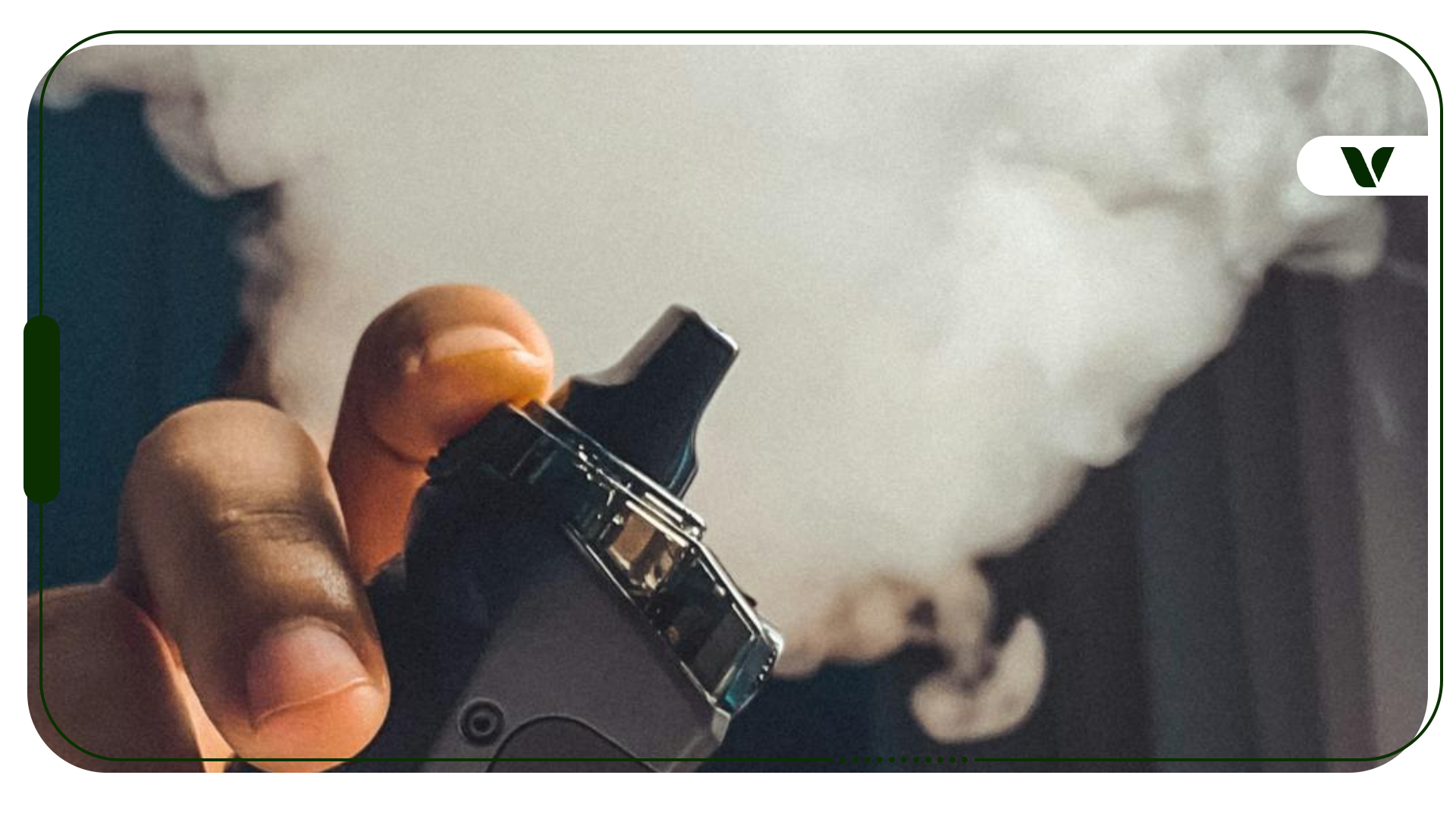
DownxLow’s feedback sheds even more light: “For me, it does not help, and I have never heard about anyone getting relief from it. I smoke every day, mostly vape carts and some flower now and again. The ringing doesn’t generally get worse when I use the cartridges, but flower can cause my tinnitus to spike…”
Why Cannabis May Worsen Tinnitus
Several theories exist about why cannabis might worsen tinnitus, but two stand out the most. The first hypothesis is that too much THC raises short-term blood pressure by increasing heart rate, which can temporarily harm blood vessels in the inner ear and reduce blood flow to the cochlea. This stress on the ear’s blood supply may trigger or worsen tinnitus.
See If You Qualify For Medical Marijuana -Select Your State!
Select Your State
Alabama
Alaska
Arizona
Arkansas
California
Colorado
Connecticut
Delaware
Florida
Georgia
Hawaii
Idaho
Illinois
Indiana
Iowa
Kansas
Kentucky
Louisiana
Maine
Maryland
Massachusetts
Michigan
Minnesota
Mississippi
Missouri
Montana
Nebraska
Nevada
New Hampshire
New Jersey
New Mexico
New York
North Carolina
North Dakota
Ohio
Oklahoma
Oregon
Pennsylvania
Rhode Island
South Carolina
South Dakota
Tennessee
Texas
Utah
Vermont
Virginia
Washington
West Virginia
Wisconsin
Wyoming
Never miss a post
Get updates on cannabis culture, new research, and expert insights
The other theory is that THC activates CB1 receptors in the parts of the brain involved in hearing, like the cochlear nucleus and hypothalamus. This can increase nerve activity, which animal studies link to worse tinnitus symptoms, especially after exposure to loud noises.
Additionally, THC may amplify how the brain processes sound, making internal noises like ringing or buzzing more noticeable. This heightened awareness may intensify tinnitus symptoms, making phantom sounds harder to ignore.
While multiple studies indicate that cannabis might worsen the ringing in your ears, they don’t paint a complete picture. You see, if you have tinnitus, especially really bad tinnitus, the phantom sounds can be constant and loud enough to impair your hearing. It can also be distracting and stressful enough to disrupt your mental health, causing anxiety or even depression. In fact, according to a 2023 cohort study, depression and anxiety are more common among tinnitus sufferers.
To combat psychological strain and improve quality of life, many tinnitus patients rely on cannabis. In one study involving 45 patients, 80% admitted to using cannabis to treat tinnitus-related symptoms like dizziness, anxiety, bodily pain, and sleep disturbances.
In addition to stress, anxiety, and sleeping trouble, tinnitus is linked to several conditions like epilepsy, neuropathic pain, and COVID-19 syndromes that may also be eased by cannabis. Addressing the underlying condition could, in turn, possibly be helpful for tinnitus symptoms as well.
New 2023 research also indicates that targeting the CB2 receptor instead of CB1 may be helpful for reducing inflammation associated with tinnitus and other conditions. Beta-caryophyllene is a powerful dietary cannabinoid and terpene that selectively does this, but it is not yet studied in this context.
Keep in mind that cannabis doesn’t treat tinnitus or improve it. These people simply use it to make living with tinnitus more bearable. The calming effects of CBD help them relax, while the impairing effects of THC help distract them from the phantom sounds. A combined effect that helps alleviate the stress, anxiety, depression, or other mental health strains from living with tinnitus.
There’s anecdotal evidence to support this benefit, and here are a few gathered from Redditors:
Crackodile: “Yes, it helps me. This seems to be a contrarian view, however. My tinnitus is quite severe and chronic. I’ve had it for decades, and marijuana makes it easier to cope with it. It doesn’t make it better, it doesn’t reduce it, but it just makes it easier to cope – I can enjoy watching a movie or other activities and not notice the ringing.”
Topotaul: “Exactly the same for me. I’m into my 14th year of having T. It’s slowly got worse and worse to the point now that there’s no escape from it. I’m become an insomniac. I find it incredibly difficult to get to sleep. I’ll then wake up 5 or 6 times through the night. I vape weed to take the edge off the stress. Has absolutely no effect on the T itself; it just helps me cope with it and to get through the night.”
Ratdickralphbaby: “Tbh mine was really bad today, it made me depressed, along with other things. I smoked when I finally got home, and that helped me pull myself out of the depression, and that helped me stop caring so much about the tinnitus, which eventually made it quieter or at least seem it. So in today’s case, it worked, but that’s not always the case; sometimes weed makes me extremely anxious. This is all new to me too. I smoked daily for 15 years, and tinnitus completely changed my relationship with tinnitus.”
Photo Credit: Reddit.com
So, Should You Use Cannabis If You Have Tinnitus?
You can use cannabis if you have tinnitus, but it’s crucial that you first understand its possible effects. Firstly, it may worsen the ringing in your ears, especially if you use a high-THC product or already have tinnitus, vertigo, or high blood pressure. The increased ringing typically doesn’t last long but can be uncomfortable. This makes high-THC cannabis unideal if you have mild to average tinnitus, as it may temporarily make it worse.
However, CBD-dominant cannabis products with less than 10% THC may not worsen your tinnitus. Most of the studies we found suggest that THC is the cannabis compound that causes ear ringing due to its effects on blood pressure and CB1 receptors in the ears. So, a hemp-based, low-THC product might be a safer option, such as CBD, CBDA, CBG, and more.
Anecdotal evidence from multiple tinnitus patients also indicates that cannabis might help you overcome stress, depression, and anxiety caused by the condition. How? It could help you relax and ignore the phantom sounds so you can enjoy other activities or just sleep better.
Using Cannabis for Tinnitus
While cannabis may help manage tinnitus symptoms, keep in mind that the herb affects everyone differently. The same dose and strain might ease symptoms for one person but worsen someone else’s. The only way to know for sure if cannabis will help your tinnitus is to try it yourself.
However, before you try it, talk to your doctor. They may advise against it if you have certain health conditions or are on medication that might interact negatively with cannabinoids.
If your doctor gives the go-ahead, use a low-THC cannabis product to reduce the risk of triggering or worsening tinnitus symptoms. Start with a small dose and give yourself time to notice any changes in your hearing or overall well-being. If you don’t notice any negative effects, you can slowly increase the dose to find what works best for you. Just be sure to listen to your body and stop if your symptoms get worse.
Tobi Moyela is an avid cannabis enthusiast who enjoys creating helpful, educational content that helps others better understand cannabis, especially its potential uses and benefits. When he's not researching or writing for brands, you can find him watching anime, cooking, or reading his latest fiction finds.
In the confusing landscape of state-by-state medical marijuana legalization and federal prohibition lies a patient’s pursuit of a better quality of life, balanced with an unrestricted financial livelihood. In workplaces across many different medical marijuana legal states, no law guarantees that a valid, card-carrying MMJ patient status exempts an employee from termination or discrimination stemming…
It feels like every other day, a fresh slang term pops up in the cannabis lexicon, and today, we’re looking at an entry that’s all over TikTok and Reddit – Yart! Spoiler alert: it has everything to do with the humble vape cart (and how challenging it is to talk about cannabis on social media). …
The final stage of life often brings profound challenges for both patients and their families. For patients in hospice and palliative care, common symptoms not only affect the physical body but also their mental well-being. While traditional medications may dull pain, they often come with heavy sedation, confusion, and loss of clarity. Fortunately, medical cannabis…
The old “lazy stoner” stereotype is quickly fading. We now see bodybuilder moms using cannabis for better sleep, runners getting in the zone with the help of weed, and many other examples of cannabis being used in ways that counter the unmotivated stereotypes of the past. As legal access to the plant increases, more people…
If you’re planning to get a medical marijuana card in 2026, you might be wondering whether you need to meet with a certified cannabis doctor—either online or in person. Still, finding a qualified medical marijuana doctor near you can feel overwhelming and confusing if you’re not sure where to start. This guide shows you exactly…
The statements made regarding cannabis products on this website have not been evaluated by the Food and Drug Administration (FDA). Cannabis is not an FDA-approved substance and is still illegal under federal law. The information provided on this website is intended for educational purposes only and is not intended to diagnose, treat, cure, or prevent any disease. It is not intended as medical advice and should not be considered as a substitute for advice from a healthcare professional. We strongly recommend that you consult with a physician or other qualified healthcare provider before using any cannabis products. The use of any information provided on this website is solely at your own risk.