The dramatic changes in cannabis potency have occurred over the past few decades. Today’s high-THC products can contain THC levels of 20% or higher in flower, with concentrates reaching 60-90% or more. Understanding these thresholds helps you make informed choices about the products you use.
The definition of “high THC” depends on the product type you’re considering. What qualifies as high potency in flower differs significantly from concentrates or edibles. This guide breaks down the specific percentage ranges that define low, medium, and high THC across different cannabis products.
How THC Levels Are Measured
The most common way of measuring THC percentages is through high-performance liquid chromatography (HPLC), a laboratory testing method that separates and identifies different compounds in cannabis. This process measures the concentration of tetrahydrocannabinol (THC) as a percentage of the total weight of the sample.
Labs typically test for both THCA (tetrahydrocannabinolic acid) and activated THC. THCA converts to THC when heated, which is why many lab reports show “total THC,” a calculation that assumes all THCA will convert during consumption. The THC degradation temperature affects both testing accuracy and final potency.
Testing standards vary between states and laboratories, which can create inconsistencies in reported THC levels. Some facilities may use testing methods that produce higher readings, a practice sometimes called “lab shopping” where producers seek the most favorable results.
What Percentage Is Considered High THC?
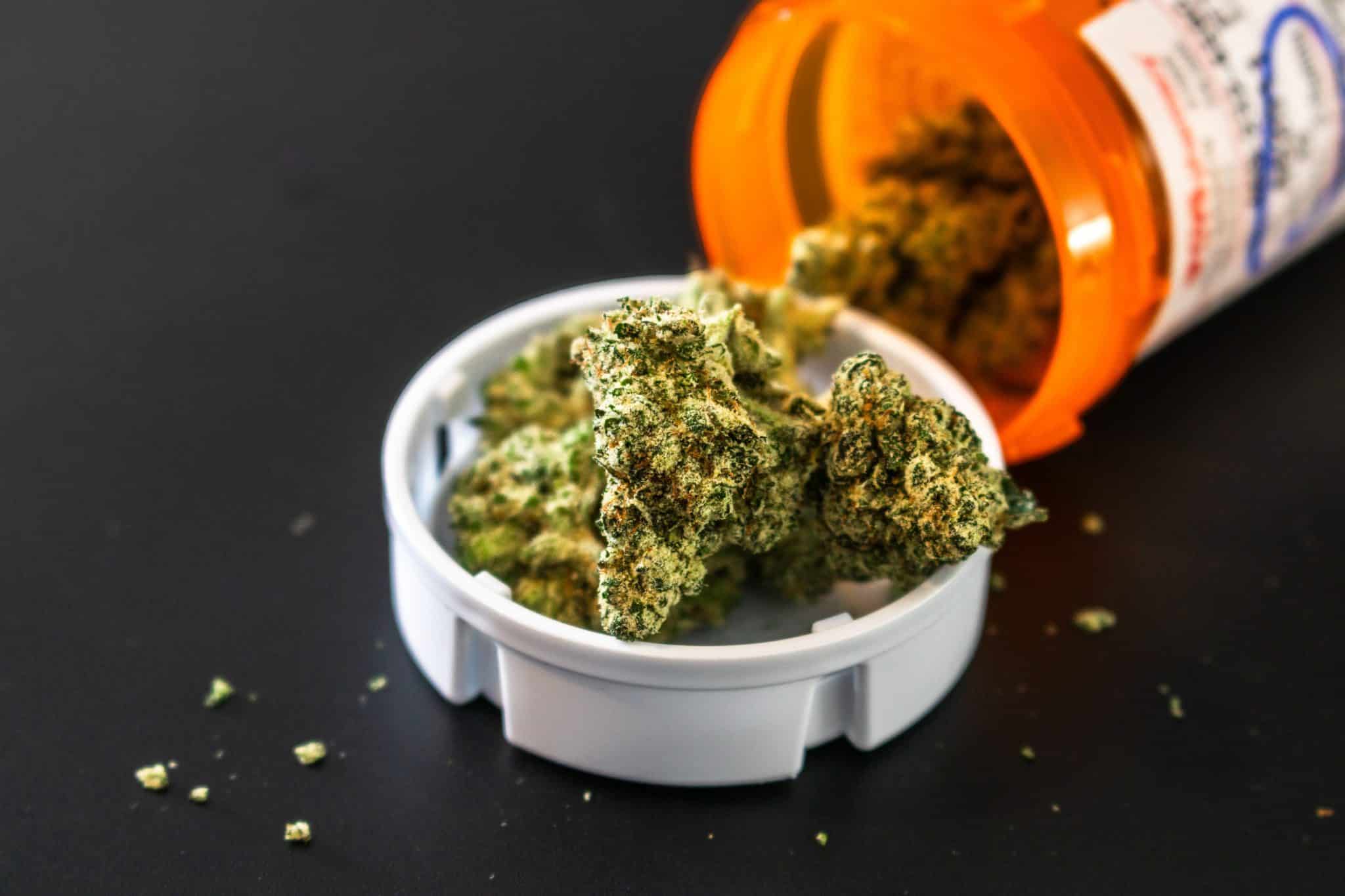
High THC cannabis is generally defined as products containing 20% THC or higher concentration in flower form. However, this threshold shifts dramatically across different product categories, making it essential to understand the ranges for each type.
Here are the standard THC percentage classifications for cannabis flower:
| THC Range |
Classification |
Typical Effects |
| 0-10% |
Low THC |
Mild psychoactive effects, good for beginners |
| 10-20% |
Medium THC |
Moderate effects, suitable for regular users |
| 20%+ |
High THC |
Strong psychoactive effects, experienced users |
According to research on cannabis potency, modern cannabis flower commonly reaches 25-30% THC, with some strains testing even higher. This represents a significant increase from the 1990s, when average THC levels hovered around 4%. The jump reflects advances in cultivation techniques, selective breeding, and improved growing conditions.
High THC in Flower vs Concentrates
The definition of high THC concentration changes completely when you move beyond flower. Concentrates undergo extraction processes that strip away plant matter, leaving behind concentrated cannabinoids. A 20% THC concentrate would actually be considered low potency in this category.
Concentrate THC ranges follow different standards entirely. Hash and rosin typically contain 40-70% THC, while distillates and isolates can reach 80-95% or higher. The extraction method determines the final concentration, with CO2 and butane extraction producing some of the most potent products available.
How High THC Compares to Historical Averages
Today’s high-THC cannabis represents a dramatic shift from historical norms. Research from the University of Mississippi tracking seized cannabis samples shows THC levels have increased roughly sixfold since the 1990s. This change reflects both improved cultivation methods and consumer demand for more potent products.
The increase isn’t just about numbers, it represents a fundamental change in cannabis consumption patterns. Products that would have been considered impossibly strong decades ago are now commonplace in legal dispensaries. This shift has important implications for dosing, tolerance, and potential side effects.
High THC Product Categories
High THC manifests differently across cannabis product types, with each category having distinct potency ranges and consumption considerations. Understanding these differences helps you choose products that match your experience level and desired effects.
Here’s how high THC is defined across major product categories:
| Product Type |
High THC Range |
Typical Consumption Method |
Onset Time |
| Flower |
20%+ |
Smoking, vaping |
Immediate to 5 minutes |
| Concentrates |
60-95% |
Dabbing, vaping |
Immediate to 3 minutes |
| Edibles |
10+ mg per serving |
Oral consumption |
30 minutes to 2 hours |
| Tinctures |
100+ mg per bottle |
Sublingual or oral |
15 minutes to 1 hour |
High-THC flower products with 20% or higher THC deliver rapid onset effects through smoking or vaping. The high THC concentration means smaller amounts produce significant psychoactive effects, making precise dosing more challenging for inexperienced users.
Concentrate products represent the highest THC levels available, often exceeding 70% in hash and rosin products. These require specialized equipment like dab rigs and demand careful dosing due to their extreme potency. Even experienced cannabis users often find concentrate effects more intense and longer-lasting than flower.
Edibles with high THC content are measured differently, focusing on milligrams per serving rather than percentages. Products containing 10 mg or more per serving are considered high-dose, though individual tolerance varies significantly. The delayed onset of edibles makes it easy to consume too much before feeling initial effects.
Factors That Influence THC Potency
Several factors determine the final THC content in cannabis products, explaining why the same strain can test differently between batches or producers. Understanding these variables helps you better evaluate product consistency and quality.
The main factors affecting THC potency include:
- Genetics and breeding: The strain’s genetic makeup sets the potential THC ceiling, though growing conditions determine whether that potential is reached
- Growing environment: Light intensity, temperature control, humidity levels, and nutrient management all impact cannabinoid development during the flowering stage
- Harvest timing: THC levels peak at specific points during flower maturation, with early or late harvests producing lower concentrations
- Curing and storage: Proper cannabis storage methods preserve THC levels, while poor storage leads to degradation and reduced potency
- Processing methods: Extraction techniques, decarboxylation processes, and handling procedures affect final cannabinoid concentrations in processed products
- Testing variations: Different laboratories may produce varying results using different equipment, methodologies, or testing standards
Genetic factors establish the baseline potential for THC production, but environmental conditions during growth determine whether plants reach their maximum potency. Indoor cultivation typically produces more consistent THC levels than outdoor growing due to better environmental control.
Processing and storage significantly impact final potency in all product types. THC distillate products maintain higher consistency through controlled extraction processes, while flower potency can vary more between batches.
Risks and Side Effects of High-THC Cannabis
High-THC products carry increased risks compared to lower-potency alternatives, particularly for inexperienced users or those sensitive to THC’s psychoactive effects. Research published in JAMA Psychiatry suggests that regular use of high-potency cannabis may increase the risk of developing cannabis use disorder.
Common side effects of high-THC consumption include anxiety, paranoia, rapid heart rate, and impaired coordination. These effects typically intensify with higher THC concentrations and can persist longer when consuming concentrates or edibles. The delayed onset of edibles makes overconsumption particularly common with high-THC products.
Tolerance development occurs more rapidly with regular high-THC use. Users often find they need increasingly potent products to achieve the same effects, which can lead to a cycle of escalating consumption. Taking breaks from high-THC products can help reset tolerance levels.
New users should start with low-THC products and gradually increase potency as they develop familiarity with cannabis effects. Different consumption methods offer varying levels of control over dosing and onset timing.
Benefits of High-THC Cannabis
High-THC products may offer enhanced therapeutic benefits for certain medical conditions, particularly those requiring stronger symptom management. Patients with chronic pain, severe nausea, or appetite disorders sometimes find high-potency products more effective than lower-THC alternatives.
The concentrated effects of high-THC cannabis products can provide more efficient symptom relief using smaller quantities. This efficiency appeals to medical patients who need consistent, reliable effects for managing their conditions throughout the day.
Some medical cannabis patients develop tolerance over time and require higher-potency products to maintain therapeutic effects. High-THC options ensure these patients can continue accessing effective treatment without consuming impractically large quantities of lower-potency products.
For recreational users, high-THC products offer more intense experiences and longer-lasting effects. However, the increased potency requires careful dosing and consideration of individual tolerance levels to avoid uncomfortable side effects.
If you’re considering high-THC products for medical purposes, find a doctor today to discuss whether these products align with your treatment goals and current health status.
Note: The content on this page is for informational purposes only and is not intended to be professional medical advice. Do not attempt to self-diagnose or prescribe treatment based on the information provided. Always consult a physician before making any decision on the treatment of a medical condition.
Note: Veriheal does not support illegally consuming therapeutic substances such as cannabis but acknowledges that it transpires because of the current illicit status, which we strive to change by advocating for research, legal access, and responsible consumption. Always consult a physician before attempting alternative therapies.
Frequently Asked Questions
What strain has the highest THC level?
Strains like Bruce Banner, Ghost Train Haze, and Godfather OG consistently test above 25% THC, with some batches reaching 30% or higher.
How long can THC keep its potency?
Properly stored cannabis maintains most of its potency for 6-12 months, though THC levels gradually decrease over time even under ideal conditions.
Can you make a strain more potent?
You cannot increase the THC percentage of harvested cannabis, but proper curing and storage prevent potency loss, while extraction processes can concentrate existing THC.
How can I test THC potency at home?
Home testing kits provide rough estimates, but laboratory analysis using HPLC equipment offers the only accurate measurement of THC percentages.
Are there other qualities to look for in a strain besides THC content?
Terpene profiles, CBD ratios, and other cannabinoids significantly influence effects and may be more important than THC percentage alone for achieving desired outcomes.
Author, Share & Comments