Low-THC strains provide therapeutic benefits of cannabis without the intense psychoactive effects that can overwhelm new users or interfere with daily activities. These strains typically contain less than 10% THC and are often rich in CBD, creating a balanced experience suited to medical patients, beginners, or anyone seeking the therapeutic benefits of cannabis without intense psychoactive effects.
The growing popularity of low-THC cannabis reflects a shift toward more intentional consumption. Many people want the pain relief, anxiety reduction, and relaxation that cannabis may provide without the heavy sedation or mental fog that high-THC strains can produce.
What Are Low-THC Strains?
Low-THC strains are cannabis varieties that contain less than 10% tetrahydrocannabinol (THC), the compound responsible for the plant’s psychoactive effects. Most low-THC strains fall between 2% and 8% THC, which is significantly lower than the 15% to 30% THC found in many popular recreational strains.
What makes these strains special is their cannabinoid balance. While they’re low in THC, many are high in cannabidiol (CBD), which can enhance therapeutic benefits without adding psychoactive intensity. The CBD-to-THC ratio shapes the experience significantly, a concept covered in depth in our guide to CBD:THC ratios.
A 2:1 CBD to THC ratio produces mild relaxation, while a 10:1 ratio offers therapeutic benefits with almost no psychoactive effects.
| THC Level |
Classification |
Effects |
| 1-5% |
Very low |
Minimal psychoactivity, strong therapeutic potential |
| 6-10% |
Low |
Mild euphoria, functional high, enhanced mood |
| 11-15% |
Moderate |
Noticeable psychoactive effects, recreational use |
| 16%+ |
High |
Strong psychoactive effects, experienced users |
This balance makes low-THC strains ideal for people who want to remain functional while experiencing cannabis’s benefits. You can use them during the day without worrying about impairment, making them perfect for managing chronic conditions that require consistent relief.
Benefits of Low-THC Cannabis Strains
Low-THC cannabis strains offer several advantages that make them appealing to a wide range of users, from medical patients to cannabis newcomers.
Reduced anxiety and paranoia represent the primary benefit for many users. High-THC strains can trigger anxiety or paranoid thoughts, especially in sensitive individuals or those new to cannabis. Low-THC strains provide relaxation and mood enhancement without these uncomfortable side effects, making them ideal for people with existing anxiety disorders.
Maintained functionality allows you to use cannabis throughout the day without the significant cognitive impairment that typically occurs. You can take low-THC strains before work, social events, or activities that require focus and coordination. This makes them particularly valuable for medical patients who need consistent symptom relief without being sidelined by intoxication.
Enhanced therapeutic benefits often occur when CBD levels are high relative to THC. The entourage effect, where cannabinoids work together synergistically, may enhance pain relief while minimizing psychoactive intensity.
Cost-effectiveness makes low-THC strains attractive for regular users. Since you don’t need as much to achieve desired effects, these strains often provide better value than their high-THC counterparts. Many users find that a small amount of a quality low-THC strain delivers exactly what they need.
Legal compliance with high-potency cannabis regulations in some jurisdictions favors low-THC products. Hemp-derived CBD products with less than 0.3% THC are federally legal, while some states have specific allowances for low-THC medical cannabis that don’t apply to higher-potency products.
How to Choose the Right Low-THC Strain for You
Selecting the best low-THC strain depends on your experience level, goals, and the effects you’re seeking. Understanding your needs helps narrow down the options from dozens of available varieties.
First-time users often find strains containing 2% to 5% THC easier to manage, with CBD-to-THC ratios of 10:1 or 5:1 providing therapeutic benefits with minimal psychoactivity. Strains like Cannatonic or Harlequin offer gentle introductions to cannabis effects without overwhelming new users.
Medical patients managing specific conditions benefit from targeted cannabinoid profiles. Chronic pain responds well to balanced ratios of 2:1 or 3:1 CBD to THC, while anxiety and sleep disorders often improve with higher CBD strains. Consider your medication schedule and whether you need all-day relief or just evening use.
Daytime functionality needs require strains with clear-headed effects and minimal sedation. Sativa-dominant low-THC strains or balanced hybrids work best for maintaining productivity while managing symptoms. Avoid indica-heavy strains during work hours, as they tend to promote relaxation and sleepiness.
| User Type |
Recommended THC % |
Ideal CBD Ratio |
Best Time to Use |
| Complete beginner |
2-4% |
10:1 CBD |
Evening initially |
| Medical patient |
5-8% |
3:1 to 5:1 CBD |
As needed |
| Functional user |
6-10% |
2:1 to 3:1 CBD |
Daytime/evening |
| Sleep support |
5-8% |
2:1 CBD, indica-dominant |
1-2 hours before bed |
Consumption method shapes the experience. Vaping or smoking produces immediate effects that are easy to gauge, making them more manageable for beginners than edibles, which take longer to activate and carry stronger effects at the same THC percentage.
Top 7 Low-THC Strains for Every Need
These carefully selected low-THC strains offer different benefits for various users and situations. Each provides unique terpene profiles and cannabinoid ratios that create distinct therapeutic experiences.
1. Lifter
Lifter delivers energizing effects with approximately 16% CBD and less than 1% THC, making it perfect for daytime use without any psychoactive concerns. This hemp-derived strain offers a citrusy, earthy flavor profile dominated by limonene and myrcene terpenes.
Best for: Morning productivity, mild anxiety relief, and maintaining focus throughout the day, particularly for those seeking daily routine mental health benefits. The high CBD content provides anti-inflammatory benefits without sedation, making it ideal for people managing chronic pain who need to stay active.
2. Cannatonic
Cannatonic typically contains 6% to 10% CBD and 6% to 7% THC, creating a balanced 1:1 ratio that’s become the gold standard for medical cannabis patients. This strain produces mild euphoria combined with significant therapeutic benefits.
Best for: New medical patients, anxiety management, and pain relief without heavy sedation. The balanced cannabinoid profile makes it versatile for both physical and mental health applications. Many users report improved mood and reduced inflammation without feeling impaired.
3. Star Tonic
Star Tonic offers a CBD-heavy profile with ratios typically ranging from 15:1 to 20:1 CBD to THC. This strain provides powerful therapeutic effects with virtually no psychoactivity, making it suitable for any time of day.
Best for: Severe anxiety, inflammation, and users seeking maximum therapeutic benefit without any high. The minimal THC content makes it appropriate for people who are sensitive to psychoactive effects or need to pass drug tests.
4. Midnight
Midnight combines approximately 1% THC with 13% CBD in an indica-dominant profile that promotes relaxation and sleep. The strain’s terpene profile includes high levels of myrcene and linalool, which enhance its sedating properties.
Best for: Sleep disorders, evening relaxation, and managing chronic pain that interferes with rest. Users typically feel calm and peaceful without the grogginess that can come from high-THC indica strains. This makes it perfect for people who want best marijuana strains for sleep without next-day impairment.
5. Pennywise
Pennywise maintains a 1:1 CBD to THC ratio with levels typically around 8% to 12% for each cannabinoid. This balanced hybrid provides gentle euphoria combined with significant therapeutic benefits, making it versatile for various conditions.
Best for: Balanced relief from both physical and mental symptoms, social anxiety, and users who want mild psychoactive effects. The equal CBD and THC content creates an entourage effect that enhances both compounds’ benefits while keeping effects manageable.
6. Harlequin
Harlequin delivers a sativa-dominant experience with 5:2 CBD to THC ratios, typically containing 10% CBD and 4% THC. This strain provides clear-headed relief that won’t interfere with daily activities while offering substantial therapeutic benefits.
Best for: Daytime pain management, creative work, and social situations where you want to feel relaxed but alert. The sativa genetics provide energy and focus, while the high CBD content manages pain and anxiety without sedation.
7. Sour Blueberry
Sour Blueberry offers moderate THC levels around 8% to 10% with complementary CBD content, creating a mild but noticeable psychoactive experience. The strain features fruity terpenes that contribute to its uplifting effects.
Best for: Users transitioning from high-THC strains, mild recreational use, and managing stress without complete sedation. This strain provides enough THC for euphoria while remaining functional and manageable for most users.
Where to Find Low-THC Strains
Finding quality low-THC strains requires knowing where to look and what to ask for, as not all dispensaries stock extensive low-THC selections.
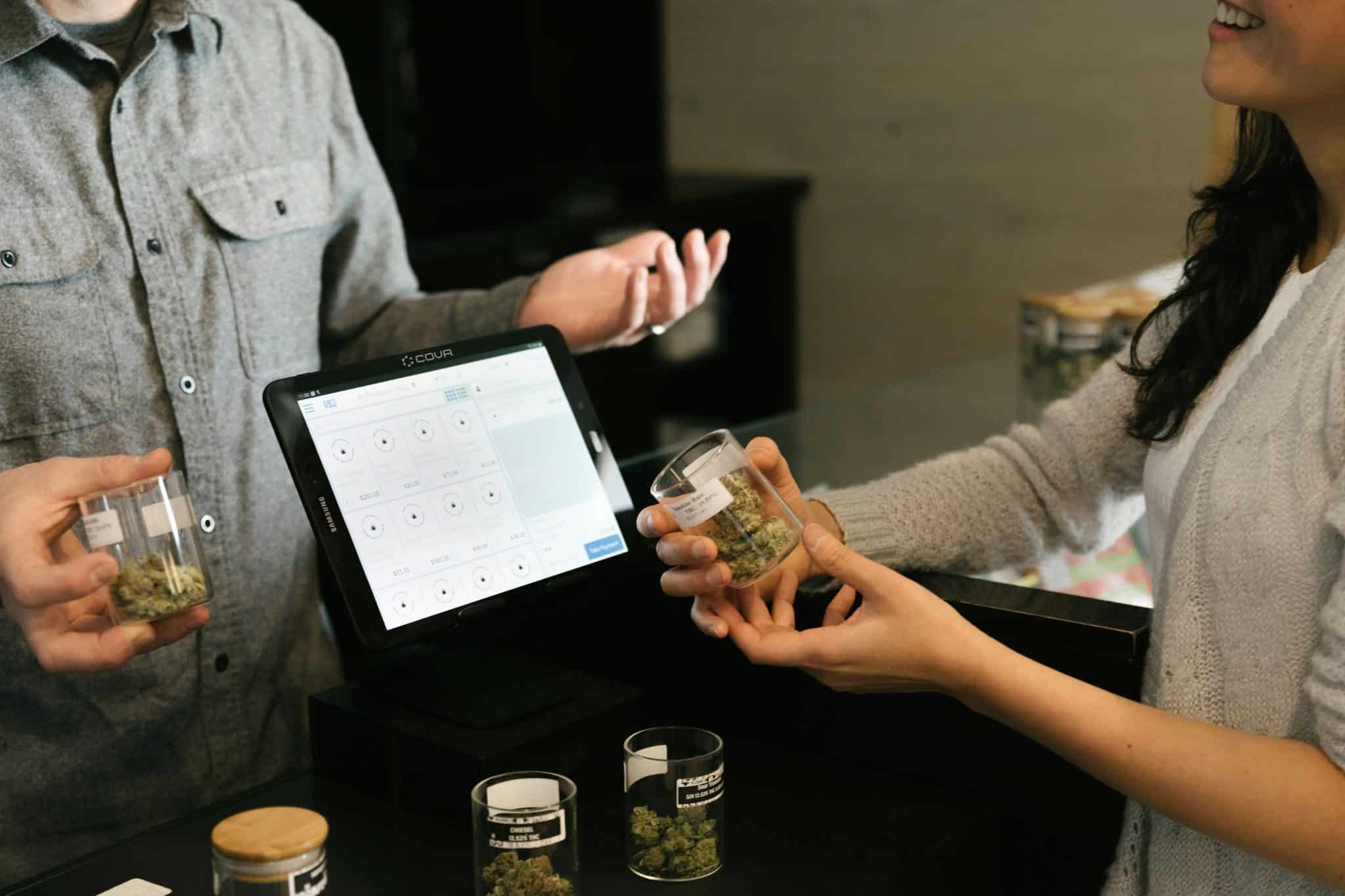
Licensed dispensaries in legal states typically carry the widest selection of low-THC strains. Call ahead to ask about their CBD-dominant or low-THC options, as these products may not be prominently displayed alongside high-THC recreational strains. Many dispensaries keep low-THC products in a separate section focused on medical or wellness use.
Hemp-derived THC-free CBD products with less than 0.3% THC are available nationwide and can provide many of the same benefits as low-THC cannabis strains. These products are legally sold online and in many retail locations, though quality varies significantly between manufacturers. Look for third-party lab testing and certificates of analysis when shopping for hemp products.
Medical cannabis programs often prioritize low-THC, high-CBD strains for patient needs. If you qualify for medical cannabis in your state, these programs typically offer better selection and pricing for therapeutic strains. Medical dispensaries also employ staff trained to recommend specific products for different conditions.
When visiting any dispensary, ask budtenders about THC and CBD percentages, terpene profiles, and whether they have lab test results available. Quality retailers will provide detailed information about their products and can recommend strains based on your specific needs and experience level.
Many states now allow online ordering with in-store pickup, making it easier to research products before visiting. Check what is considered high THC to better understand potency levels and make informed choices about the strains you select.
Looking to explore low-THC cannabis options with professional guidance? Find a qualified medical marijuana doctor who can help you determine whether low-THC strains might benefit your specific health needs and recommend appropriate products for your situation.
Note: The content on this page is for informational purposes only and is not intended to be professional medical advice. Do not attempt to self-diagnose or prescribe treatment based on the information provided. Always consult a physician before making any decision on the treatment of a medical condition.
Note: Veriheal does not support illegally consuming therapeutic substances such as cannabis but acknowledges that it transpires because of the current illicit status, which we strive to change by advocating for research, legal access, and responsible consumption. Always consult a physician before attempting alternative therapies.
Frequently Asked Questions
What is considered a high level of THC?
High-THC cannabis products typically contain 20% to 30% or more THC, with some concentrate products reaching 80% to 90% THC. These levels can produce intense psychoactive effects that may be overwhelming for inexperienced users.
Is high-THC weed better?
High-THC cannabis isn’t necessarily better, it depends on your goals and tolerance. Low-THC strains often provide better therapeutic benefits with fewer side effects for medical use and daily functionality.
Why choose a low-THC weed?
Low-THC cannabis offers therapeutic benefits without intense psychoactive effects, making it ideal for medical patients, beginners, daytime use, and people sensitive to THC’s anxiety-inducing properties.
What are the negative effects of too much THC?
Excessive THC can cause anxiety, paranoia, rapid heart rate, dry mouth, red eyes, impaired coordination, memory problems, and in rare cases, cannabis-induced psychosis. Starting with low-THC strains helps avoid these issues.
Author, Share & Comments