Your medical cannabis journey simplified: find partnered dispensaries, explore pricing options, earn rewards, and get answers to FAQs, all in one spot.
September 26, 2023 08:00 am ETEstimated Read Time: 2 Minutes
Chem Dawg is a sativa-leaning hybrid flower and has 35.70% total cannabinoids. The structure of the flower is slightly spongey but pushes back with defined calyxes and amber hairs protruding throughout. The buds have a light green color and break apart easily.
A chemmy aroma escapes as the flowers are broken up, reminding me of petrol and leather with a hint of sourness. The flavor of the dense smoke was strong with black pepper, notes of citrus, and a little sweetness at the end. Caryophyllene is a dominant terpene of the infamous Chem Dawg strain, resulting in spicy flavors, along with limonene and myrcene.
The effects were rather intensely cerebral the first few minutes, with a heightened sense of awareness and a strong, motivated feeling. After a bit, the Chem Dawg smoke had settled into a consciousness-heightening experience, and I felt like I was elevated both mentally and emotionally.
With over 34% THC in this flower, the effects are noticeable very quickly, and I was pleasantly surprised at how long the effects lasted, as sometimes sativa strains wear off quicker for me. After a few hours, I was still high in the clouds mentally, but able to focus and found it to be very inspiring.
Chem Dawg is a great strain for concerts, which is no surprise given the folklore that this strain was passed via a bag seed at none other than a Grateful Dead concert. I also enjoy Chem Dawg before a hike or doing something artistic, like painting or crafts, due to its imaginative effects.
Mia Jane is a multifaceted influencer, educator, and advocate known for her ability to connect with people and shift their perspectives on cannabis. Through her network, she educates others on responsible cannabis use, its diverse applications, and its potential to improve daily life. As an advocate, Mia passionately shares her personal experiences with cannabis as medicine, aiming to shine a positive light on its healing properties for those in need. Her mission revolves around helping people integrate cannabis into their lives for well-being and growth while also demystifying misconceptions surrounding the evolving cannabis culture.
Getting a medical marijuana card in Georgia involves confirming eligibility, obtaining physician certification, and completing registration through the state’s medical cannabis program. This guide covers qualifying conditions, online applications, telehealth evaluations, registration fees, processing times, caregiver requirements, and the legal rights and restrictions affecting patients under Georgia’s updated 2026 laws.
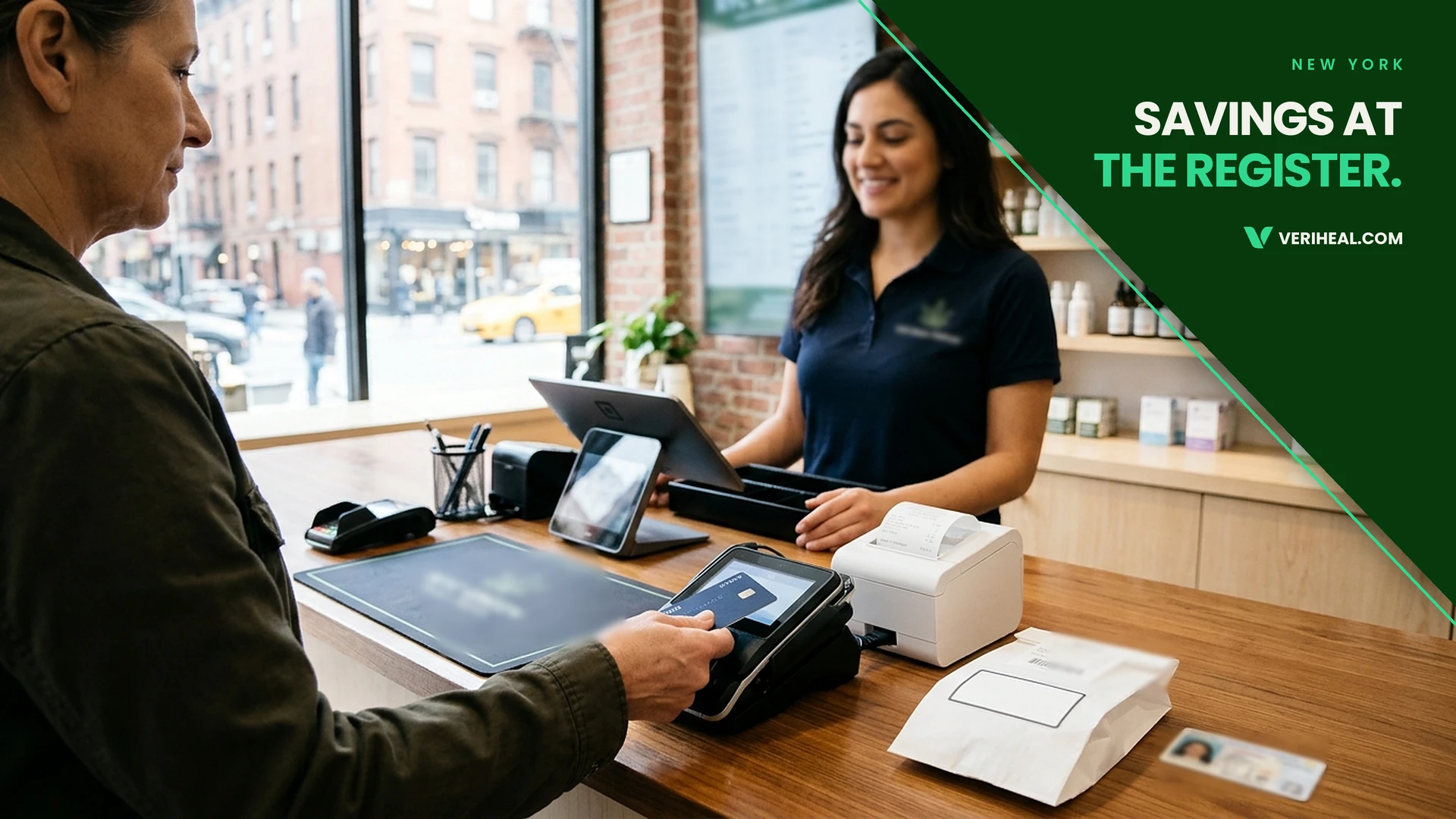
Getting a medical marijuana card in New York primarily involves paying a practitioner certification fee, with no mandatory state registration charge. This guide breaks down Veriheal’s pricing, renewal costs, insurance considerations, potential discounts, telehealth evaluations, and how reduced medical cannabis taxes can help patients save money on dispensary purchases.
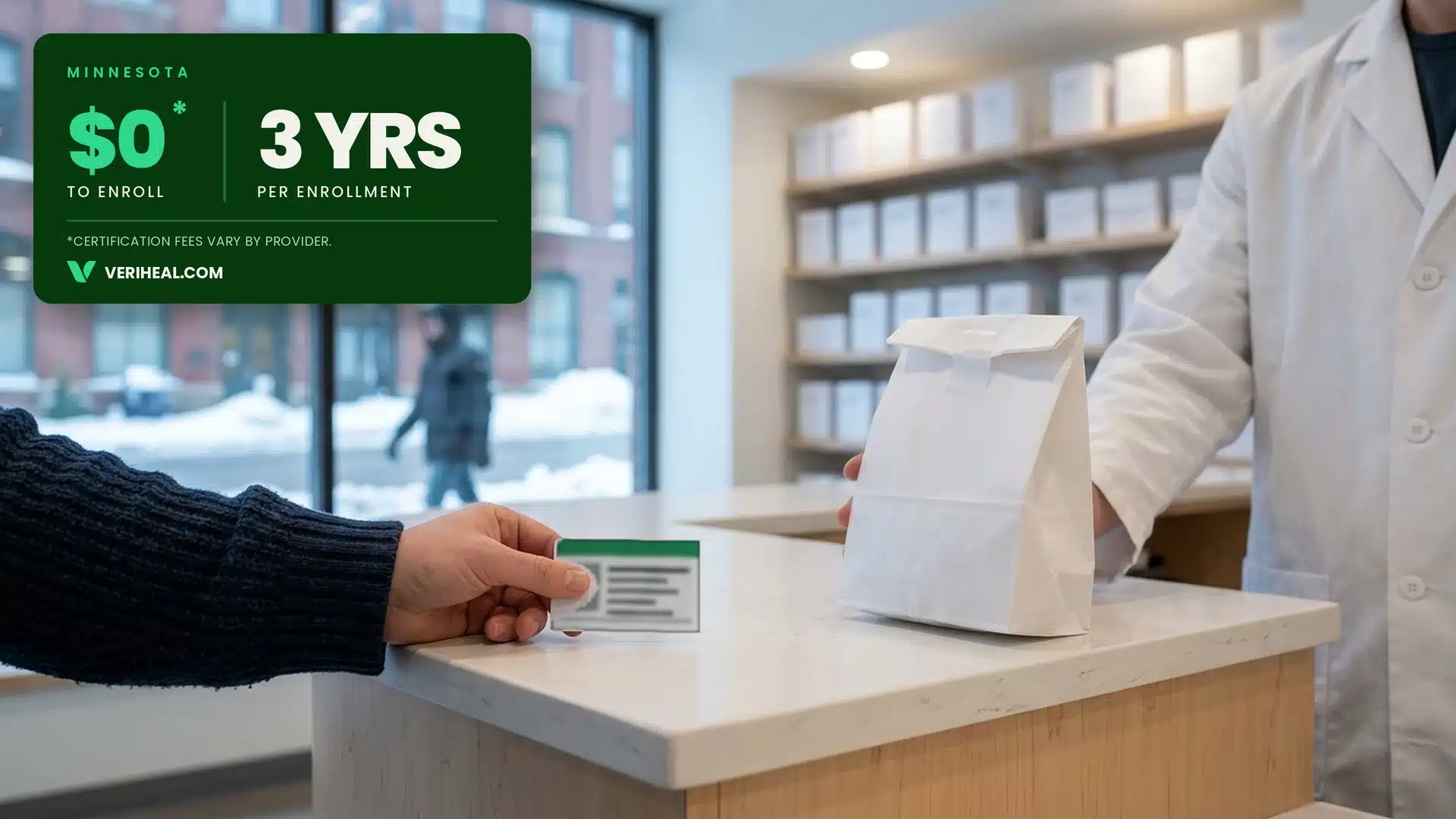
Getting a medical cannabis card in Minnesota involves practitioner certification but no state enrollment fee, making provider costs the main expense. This guide compares affordable telehealth and in-person options, veteran enrollment benefits, three-year renewal costs, and potential tax savings to help patients find the most cost-effective certification option.
Finding a certified medical marijuana doctor in Florida involves verifying their medical license, required training, and registration with the Office of Medical Marijuana Use. This guide explains how to check physician credentials, prepare for an evaluation, identify unreliable providers, understand telehealth restrictions, and complete the state registration process.
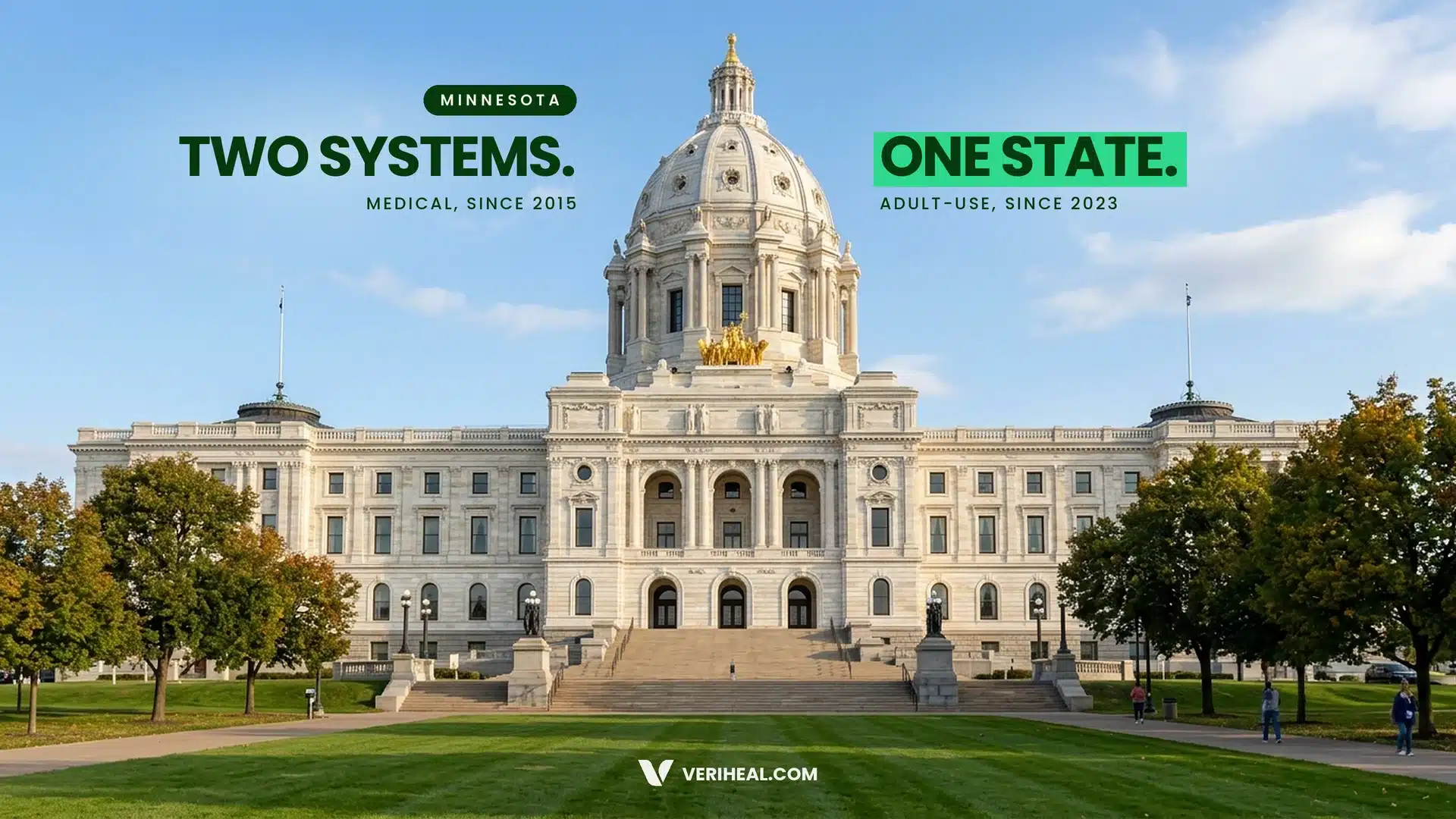
Medical marijuana and recreational cannabis are both legal in Minnesota, but each operates under different rules and eligibility requirements. This guide explores the state’s legalization history, qualifying medical conditions, patient registration, tax benefits, possession limits, home cultivation rules, and federal restrictions affecting cannabis consumers in 2026.
The statements made regarding cannabis products on this website have not been evaluated by the Food and Drug Administration (FDA). Cannabis is not an FDA-approved substance and is still illegal under federal law. The information provided on this website is intended for educational purposes only and is not intended to diagnose, treat, cure, or prevent any disease. It is not intended as medical advice and should not be considered as a substitute for advice from a healthcare professional. We strongly recommend that you consult with a physician or other qualified healthcare provider before using any cannabis products. The use of any information provided on this website is solely at your own risk.