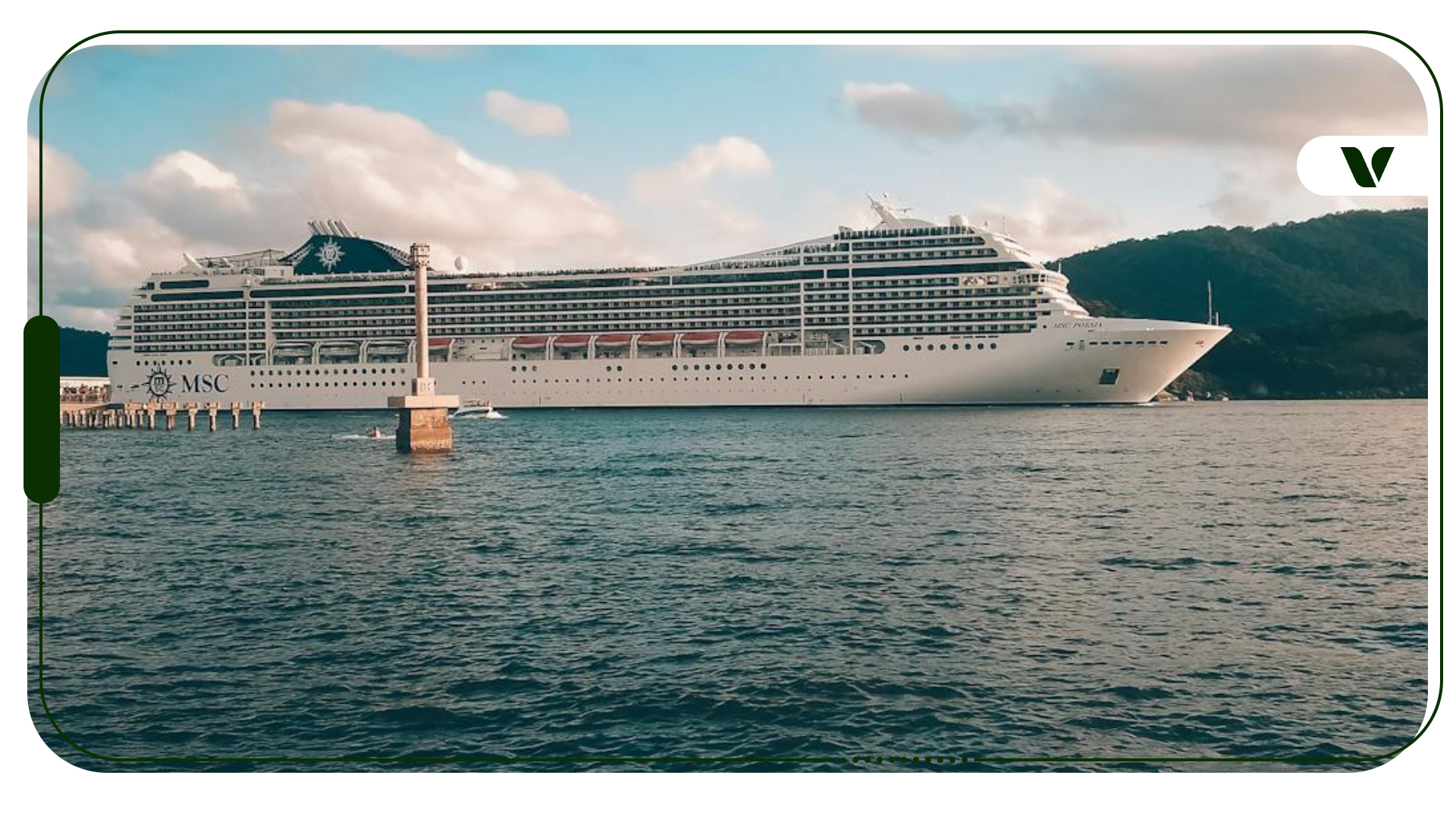
Most cruise lines prohibit all cannabis products, including CBD, regardless of their legal status in your home state or departure port. While CBD derived from hemp is federally legal in the U.S., cruise ships operate under federal maritime law and international waters jurisdiction, which creates a complex legal environment that most cruise lines address with blanket cannabis bans.
The confusion around cruise cannabis policies stems from the patchwork of state laws versus federal regulations. Even if you hold a medical marijuana card or live in a state where cannabis is legal, these protections don’t extend to cruise ships, which must comply with federal law and the regulations of every port they visit.
Understanding these policies before you book can help you make informed decisions about your cruise vacation and avoid potentially serious legal consequences.
Official Cruise Line Cannabis and CBD Policies
Major cruise lines maintain strict policies against all cannabis products, with most making no distinction between CBD and THC products. These policies reflect the complex legal landscape cruise ships navigate, operating under federal maritime law while visiting multiple jurisdictions.
Royal Caribbean explicitly prohibits “illegal drugs and substances” including marijuana and CBD products in their prohibited items list. Their security screening process includes detection methods that can identify cannabis products regardless of their legal status in departure states. Carnival Cruise Line follows similar restrictions, stating that all cannabis products are prohibited onboard, including those with medical prescriptions.
Norwegian Cruise Line and Disney Cruise Line maintain equally strict policies. Virgin Voyages, despite marketing to a younger demographic, also prohibits all cannabis products. These policies apply even to cruise lines departing from states where cannabis is legal, because federal maritime law supersedes state regulations once the ship leaves port.
| Cruise Line |
CBD Policy |
THC Policy |
Medical Exceptions |
Detection Methods |
| Royal Caribbean |
Prohibited |
Prohibited |
None |
X-ray, physical search |
| Carnival |
Prohibited |
Prohibited |
None |
X-ray, drug dogs |
| Norwegian |
Prohibited |
Prohibited |
None |
X-ray, physical search |
| Disney |
Prohibited |
Prohibited |
None |
Enhanced screening |
| Virgin Voyages |
Prohibited |
Prohibited |
None |
Standard screening |
The reasoning behind these blanket bans centers on federal jurisdiction. Once a cruise ship leaves U.S. territorial waters, it operates under federal maritime law, where cannabis remains a Schedule I controlled substance. Additionally, cruise ships must comply with the laws of every port they visit, many of which have strict cannabis prohibitions.
International waters create additional complications. While some passengers assume international waters mean “no laws apply,” ships flying U.S. flags remain subject to federal law throughout their journey. This means traveling with medical marijuana card benefits don’t extend to cruise ship travel, even for legitimate medical patients.
CBD vs THC: Understanding the Difference for Cruise Travel
The legal distinction between CBD and THC products creates confusion for cruise travelers, but understanding these differences explains why cruise lines maintain blanket cannabis bans. While hemp-derived CBD became federally legal under the 2018 Farm Bill, cruise lines operate in a more complex regulatory environment that makes these distinctions largely irrelevant.
CBD (cannabidiol) and THC (tetrahydrocannabinol) differ significantly in their legal status on land. Hemp-derived CBD products containing less than 0.3% THC are federally legal and available in most states. THC products remain federally illegal but are legal in many states for medical or recreational use. This creates a legal patchwork that varies dramatically by location.
However, cruise ships face unique regulatory challenges that make these distinctions practically meaningless. Federal maritime law applies throughout the journey, regardless of state laws at departure or destination ports. Additionally, many international ports have strict cannabis laws that make no distinction between CBD and THC products.
| Product Type |
Federal Status |
Cruise Ship Status |
International Ports |
| Hemp CBD (<0.3% THC) |
Legal |
Prohibited |
Varies by country |
| Full-spectrum CBD |
Legal in some states |
Prohibited |
Generally prohibited |
| THC products |
Federally illegal |
Prohibited |
Generally prohibited |
| Medical marijuana |
State-dependent |
Prohibited |
Generally prohibited |
The enforcement reality adds another layer of complexity. Cruise line security staff typically cannot distinguish between different cannabis products during screening. A CBD gummy and a THC gummy appear identical to X-ray machines and detection methods. This practical limitation reinforces cruise lines’ preference for blanket prohibitions rather than attempting to verify product compliance with varying legal standards.
Most passengers don’t realize that even legal CBD products can trigger positive results on drug detection equipment. Security teams err on the side of caution, treating any cannabis-derived product as potentially problematic. This approach protects cruise lines from legal liability and avoids complex determinations about product compliance during boarding.
State-by-State Cannabis Laws at Departure Ports
Popular cruise departure ports span states with dramatically different cannabis laws, but these local regulations become irrelevant once you board the ship. Understanding this jurisdictional shift helps explain why having a medical marijuana card or living in a legal state doesn’t provide cruise ship protection.
Florida hosts the majority of U.S. cruise departures, with ports in Miami, Fort Lauderdale, and Port Canaveral. Florida allows medical marijuana for qualified patients but prohibits recreational use. However, these state protections end at the gangway. Federal maritime law takes precedence the moment you step aboard.
California ports in Los Angeles and San Francisco operate in a fully legal cannabis environment, where both medical and recreational use are permitted. Yet cruise ships departing these ports maintain the same strict cannabis policies as those leaving prohibition states. The benefits of a medical marijuana card don’t transfer to federal maritime jurisdiction.
| Departure Port |
State Cannabis Laws |
Local Possession Limits |
Cruise Ship Jurisdiction |
| Miami, FL |
Medical only |
Up to 2.5 oz (medical) |
Federal maritime law |
| Los Angeles, CA |
Full legalization |
Up to 1 oz (recreational) |
Federal maritime law |
| New York, NY |
Full legalization |
Up to 3 oz (recreational) |
Federal maritime law |
| Seattle, WA |
Full legalization |
Up to 1 oz (recreational) |
Federal maritime law |
| New Orleans, LA |
Medical only |
Varies by parish |
Federal maritime law |
This jurisdictional complexity extends to medical marijuana patients who might assume their cards provide travel protection. Even out-of-state reciprocity agreements don’t apply to federal maritime jurisdiction, creating a hard legal boundary at the ship’s boarding area.
The practical impact affects cruise planning significantly. Passengers departing from legal states often mistakenly believe they can consume cannabis products up until boarding time, then safely store remaining products in their cabin. This misunderstanding has led to serious legal consequences for travelers who didn’t realize the jurisdiction shift occurs immediately upon boarding.
What Happens If You’re Caught with Cannabis on a Cruise
Getting caught with cannabis on a cruise ship triggers a serious legal process that can result in immediate confinement, removal at the next port, and potential federal charges. Cruise lines take these violations seriously because they risk their operating licenses and port access agreements.
The discovery process typically begins during security screening at boarding, but can occur at any point during the voyage. Ship security uses X-ray machines, physical searches, and sometimes drug detection dogs. Once cannabis is discovered, security immediately confiscates the products and detains the passenger for questioning.
Immediate consequences include confinement to your cabin or a designated holding area while the ship’s security team contacts maritime authorities. You’ll face questioning about how you obtained the products and whether other passengers are involved. The ship’s captain has broad authority to make decisions about your continued participation in the cruise.
At the next port, you may be removed from the ship and turned over to local law enforcement. This creates a complex legal situation because you’ll face charges under the laws of whichever country or U.S. state the ship happens to visit. Legal systems vary dramatically between Caribbean islands, Mexican ports, and European destinations.
The long-term consequences extend beyond the immediate cruise. Most cruise lines maintain records of passengers removed for drug violations and may ban you from future bookings. Travel insurance typically doesn’t cover incidents involving illegal substances, leaving you responsible for unexpected accommodation, legal, and transportation costs.
Federal charges remain possible even after the cruise ends. Maritime law violations can result in federal prosecution in the United States, regardless of where the discovery occurred during your journey. These charges carry serious penalties including significant fines and potential imprisonment.
Legal Cannabis Alternatives and Preparation for Cruise Travel
Medical patients who rely on cannabis for symptom management face unique challenges and should work with their healthcare providers to develop cruise-specific treatment plans. Legal alternatives and proper preparation can help you enjoy your vacation while staying compliant with cruise line policies.
Timing considerations play a crucial role in cruise preparation. If you use cannabis regularly, plan a gradual reduction starting 1-2 weeks before departure. This approach helps minimize withdrawal symptoms and ensures any residual effects wear off before boarding. Medical patients should consult their healthcare providers about alternative medications during travel.
- Port-based legal access: Research cannabis laws at your destination ports, as some may allow legal purchase and consumption while in port
- Alternative relaxation methods: Book spa services, meditation sessions, or wellness activities offered onboard as substitutes for cannabis relaxation
- Legal supplements: Consider CBD alternatives like L-theanine, magnesium, or melatonin for anxiety and sleep support
- Preparation strategies: Pack familiar comfort items, plan engaging activities, and maintain regular sleep schedules to reduce stress
Several cruise destinations offer legal cannabis access during port visits. Some Caribbean islands, parts of Canada, and certain European ports have legal cannabis markets where passengers can purchase and consume products while on land. However, these products cannot return to the ship under any circumstances.
Onboard wellness alternatives help fill the gap cannabis might normally serve. Most cruise ships offer extensive spa services, fitness classes, and recreational activities designed to promote relaxation and stress relief. Many passengers find these alternatives effective for managing anxiety, sleep issues, and pain that they might normally address with cannabis.
Medical patients face unique challenges and should work with their healthcare providers to develop cruise-specific management plans. This might include temporary prescription medications, physical therapy techniques, or other medical interventions that provide symptom relief without cannabis. Some patients choose shorter cruises or land-based vacations instead to maintain access to their medical cannabis regimens.
Takeaways
Understanding cruise ship cannabis policies protects you from serious legal consequences while helping you make informed vacation decisions. The key takeaway is that all cannabis products, including legal CBD, are prohibited on cruise ships regardless of your departure state’s laws or medical marijuana card status.
Federal maritime law creates a jurisdictional boundary that state cannabis protections cannot cross. This means the legal cannabis products you can purchase and possess on land become illegal contraband the moment you board a cruise ship. Planning accordingly helps you avoid the significant legal, financial, and personal consequences that come with cannabis violations at sea.
If you’re a regular cannabis user considering a cruise vacation, explore the legal alternatives and preparation strategies outlined above, or consider land-based vacation options where you can maintain legal access to cannabis products. The temporary inconvenience of planning around cruise restrictions far outweighs the potential consequences of attempting to bring cannabis products aboard.
Ready to explore your medical marijuana options for land-based travel? Get connected with a qualified physician who can help you understand your cannabis treatment options and develop travel-friendly management strategies.
Note: The content on this page is for informational purposes only and is not intended to be professional medical advice. Do not attempt to self-diagnose or prescribe treatment based on the information provided. Always consult a physician before making any decision on the treatment of a medical condition.
Note: Veriheal does not support illegally consuming therapeutic substances such as cannabis but acknowledges that it transpires because of the current illicit status, which we strive to change by advocating for research, legal access, and responsible consumption. Always consult a physician before attempting alternative therapies.
Frequently Asked Questions
Can you bring CBD gummies on a cruise ship?
No, cruise lines prohibit all cannabis-derived products including CBD gummies, regardless of their legal status in your home state.
What cruise lines allow CBD products?
No major cruise line allows CBD products onboard. Royal Caribbean, Carnival, Norwegian, Disney, and Virgin Voyages all maintain strict cannabis prohibitions.
Can I use my medical marijuana card on a cruise?
No, medical marijuana cards provide no legal protection on cruise ships, which operate under federal maritime law where cannabis remains illegal.
Will cruise security find hidden cannabis products?
Yes, cruise security uses X-ray screening, physical searches, and sometimes drug detection dogs that can identify cannabis products regardless of how they’re concealed.
What happens if I get caught with cannabis at a cruise port?
You may be removed from the ship, turned over to local law enforcement, banned from future cruises, and face legal charges under local laws.
Can I consume legal cannabis at port stops and return to the ship?
You can consume cannabis legally in ports where it’s permitted, but you cannot bring any cannabis products back onboard the ship under any circumstances.
Author, Share & Comments