Making dabs at home requires the right equipment, safety precautions, and understanding of different extraction methods. You can produce quality cannabis concentrates using alcohol extraction, ice water hash, or rosin pressing techniques. Each method offers different advantages in terms of equipment cost, difficulty level, and final product quality.
The process involves extracting cannabinoids and terpenes from cannabis plant material to create a concentrated form that delivers potent effects. Home extraction allows you to control quality and save money compared to dispensary concentrates.
What Are Cannabis Dabs?
Cannabis dabs are concentrated extracts containing high levels of THC, CBD, and other cannabinoids. The extraction process removes plant material while preserving the active compounds, resulting in a product that can contain 60-90% THC compared to flower’s 15-25% range.
These concentrates come in various textures including wax, shatter, budder, and rosin. The consistency depends on factors like extraction method, temperature, and post-processing techniques. Crumble wax represents one popular texture that many home extractors aim to achieve.
The term “dab” refers both to the concentrate itself and the consumption method. Users heat a nail or banger on a dab rig, then apply a small amount of concentrate to vaporize and inhale the resulting vapor.
Traditional Dab-making
Commercial extraction operations use sophisticated equipment like closed-loop systems, CO2 extractors, and vacuum ovens to produce concentrates safely. These systems cost tens of thousands of dollars and require specialized training to operate safely.
Professional extractors work in controlled environments with proper ventilation, fire suppression systems, and safety protocols. They can achieve consistent quality and potency while minimizing contamination risks.
Home extraction methods cannot replicate these industrial processes exactly. However, several techniques allow you to produce quality concentrates using simpler equipment and safer solvents.
Choosing Your Starting Material
The quality of your starting cannabis directly impacts your final concentrate’s potency, flavor, and yield. Fresh, properly cured flower produces the best results for home extraction methods.
Quality indicators for extraction material:
- Trichome coverage: Look for cannabis with visible crystal-like trichomes covering the buds and sugar leaves
- Moisture content: Properly cured flower feels dry but not brittle, with 10-12% moisture content ideal for most extraction methods
- Color and smell: Bright green color with minimal brown spots indicates proper curing and storage
- Age: Cannabis under 12 months old retains more terpenes and cannabinoids than older material
Different strains affect your final product’s characteristics. Indica-dominant strains typically produce more resinous extracts, while sativa strains may yield concentrates with more complex terpene profiles. High-THC strains obviously produce more potent concentrates, but CBD-rich varieties work well for making therapeutic concentrates.
Trim and shake work for extraction but produce lower-quality results than whole flower. If using trim, ensure it comes from high-quality plants and contains minimal stems. The cannabis decarboxylation process becomes relevant if you plan to use your concentrates in edibles rather than smoking or vaping.
Essential Equipment and Safety Setup
Home extraction requires specific equipment for each method, plus universal safety gear that applies to all techniques. Proper ventilation ranks as the most critical safety consideration for any extraction involving solvents.
Universal safety equipment:
- Ventilation: Work outdoors or in a well-ventilated garage with fans creating airflow away from ignition sources
- Fire extinguisher: Keep a Class B fire extinguisher rated for flammable liquids within reach
- Safety glasses and nitrile gloves: Protect eyes and skin from solvent splashes
- No ignition sources: Turn off pilot lights, avoid smoking, and keep electrical equipment away from work area
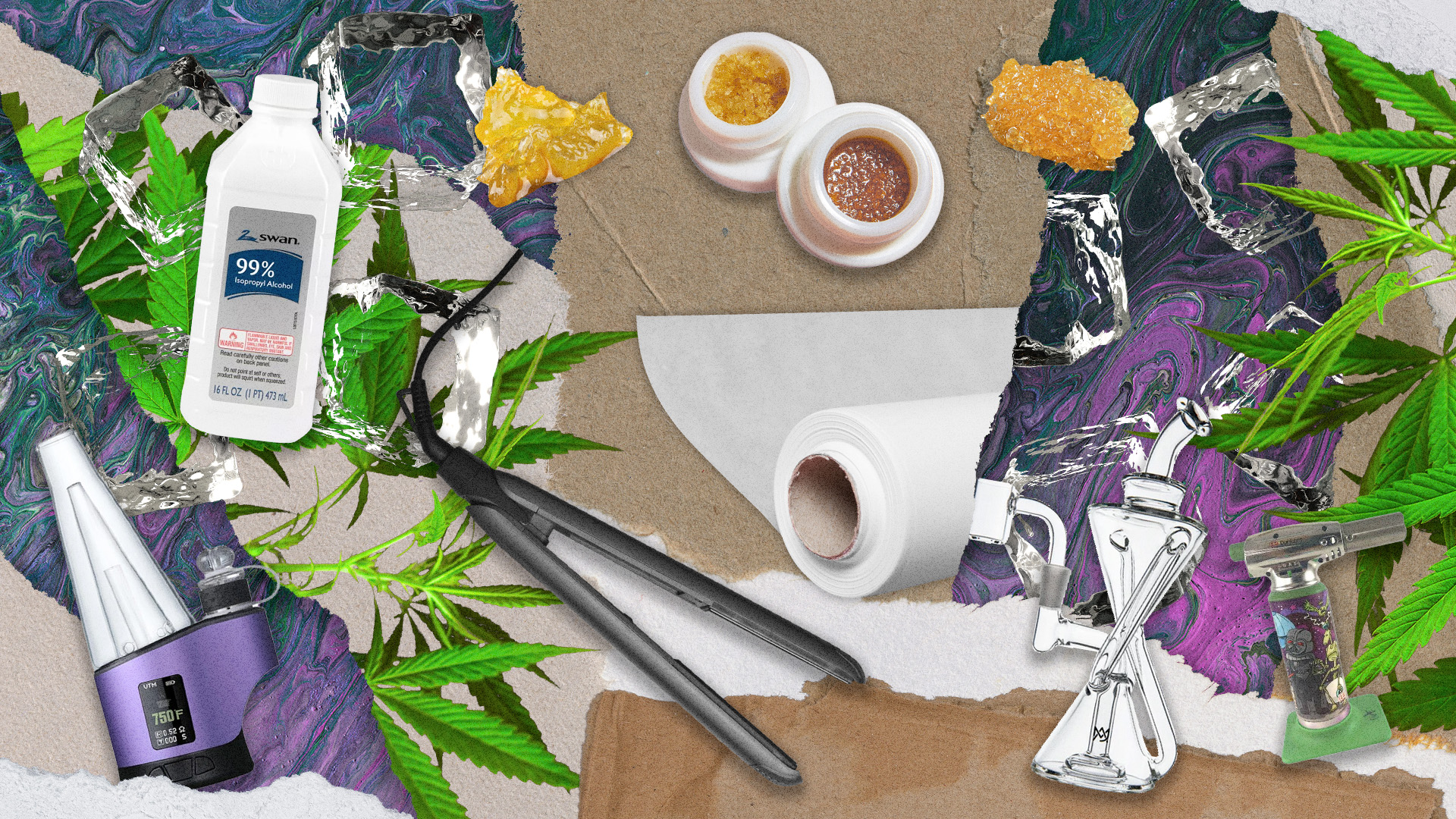
Method-specific equipment varies significantly. Alcohol extraction requires glass containers, fine-mesh strainers, and a heat source for evaporation. Ice water extraction needs bubble bags, ice, and a washing machine or large bucket. Rosin pressing works with a hair straightener for small batches or a dedicated rosin press for larger yields.
Never attempt extractions indoors with flammable solvents. Even small amounts of alcohol vapor can ignite explosively in enclosed spaces. Many home extractors work in detached garages with doors open and fans running to ensure proper ventilation.
Storage containers should be glass or food-grade silicone. Avoid plastic containers that can leach chemicals into your concentrate or get dissolved by residual solvents.
Method 1: Alcohol Extraction (Isopropyl Method)
Alcohol extraction uses isopropyl alcohol as a solvent to dissolve cannabinoids and terpenes from plant material. This method produces concentrates similar to Rick Simpson Oil when made with high-proof ethanol, or a more refined product when using 99% isopropyl alcohol.
Materials Needed
Required supplies:
- 99% isopropyl alcohol (never use lower concentrations)
- Cannabis material (1 ounce produces 3-5 grams of concentrate typically)
- Large glass jar with tight lid
- Fine mesh strainer or cheesecloth
- Glass collection dish (Pyrex works well)
- Double boiler or electric griddle for gentle heating
The alcohol-to-cannabis ratio affects extraction efficiency. Use approximately 4-6 ounces of alcohol per ounce of cannabis. More alcohol extracts more cannabinoids but requires longer evaporation times.
Step-by-Step Process
- Freeze materials: Place cannabis and alcohol in freezer for 24 hours before extraction. Cold temperatures prevent chlorophyll extraction while allowing cannabinoids to dissolve.
- Mix thoroughly: Combine frozen cannabis and alcohol in glass jar. Shake vigorously for 30 seconds, then let sit for 3-5 minutes maximum. Longer soaking times extract more chlorophyll and plant waxes.
- Strain immediately: Pour mixture through fine strainer into collection container. Press plant material gently to extract remaining liquid, but don’t squeeze too hard.
- Optional second wash: Pour strained alcohol back over plant material for a second 30-second extraction. This increases yield but may reduce quality.
- Evaporate solvent: Place collection dish in double boiler or on electric griddle set to lowest temperature. Never use direct flame or high heat. Alcohol should evaporate slowly over 2-4 hours.
Purging and Safety
Critical safety warnings:
- Work outdoors only, as alcohol vapors are highly flammable
- Never use open flames, spark-producing equipment, or smoking materials
- Keep fire extinguisher accessible throughout the process
- Ensure continuous ventilation to prevent vapor accumulation
The concentrate is ready when no alcohol smell remains and the consistency becomes sticky rather than liquid. Properly purged concentrate should not bubble when a heated dabber touches it. Any bubbling indicates residual solvent that requires additional purging time.
Yield expectations: One ounce of quality flower typically produces 3-5 grams of concentrate, depending on starting material potency and extraction efficiency. Lower yields often indicate incomplete extraction or low-quality starting material.
Method 2: Ice Water Hash (Bubble Hash)
Ice water extraction separates trichome heads from plant material using cold water agitation and filtration bags with different micron ratings. This solventless method produces full-melt hash that vaporizes cleanly without leaving residue.
Equipment Setup
Essential bubble hash equipment:
- Bubble bag set (8-bag kit with 220, 190, 160, 120, 90, 73, 45, and 25-micron bags)
- 5-gallon buckets (at least 2)
- Large wooden spoon or paint mixer attachment for drill
- Ice (lots of it, plan for 5-10 pounds per ounce of cannabis)
- Cold water
- Collection screens and spoons
Micron bag selection determines final product grades. The 73-micron bag typically produces the highest quality “full-melt” hash, while larger micron bags collect lower-grade material suitable for pressing into rosin or cooking.
Mixing Process
- Prepare ice bath: Fill bucket with cold water and ice. Water temperature should stay between 32-40 degrees F throughout the process.
- Add cannabis: Place cannabis material in largest micron bag (220 microns) to contain plant matter during agitation.
- Mix gently: Stir mixture for 15-20 minutes, keeping action gentle to avoid breaking plant material. Vigorous mixing contaminates hash with plant particles.
- Rest period: Let mixture settle for 10 minutes after mixing. This allows trichome heads to sink while plant material floats.
- Strain through bags: Pour mixture through nested bags, starting with largest micron size and working down to smallest. Work quickly to prevent ice from melting completely.
Collection and Drying
Harvest from each bag:
- 220-190 microns: Usually contains plant debris, often discarded
- 160-120 microns: Lower grade hash suitable for cooking or pressing
- 90-73 microns: Premium full-melt hash for dabbing
- 45-25 microns: Often contaminated but may contain some quality material
Collect hash from each bag using a spoon, working gently to avoid damaging the delicate trichome heads. Place collected material on parchment paper or fine screens for drying.
Drying process takes 3-7 days in a cool, dry environment. Spread hash thinly and turn occasionally to ensure even drying. Properly dried bubble hash should feel dry to the touch but remain pliable when pressed.
Method 3: Rosin Press (Heat and Pressure)
Rosin extraction uses heat and pressure to squeeze cannabinoid-rich resin from cannabis without solvents. This method produces clean concentrates that retain terpene profiles similar to the original flower.
DIY Hair Straightener Method
Hair straightener pressing works for small batches and beginners learning rosin techniques. Choose a straightener with flat plates (no ridges) and adjustable temperature controls.
Basic hair straightener setup:
- Hair straightener with 1-2 inch wide plates
- Parchment paper (never wax paper)
- Collection tool (dabber or small spoon)
- Small amounts of cannabis (0.5-2 grams per press)
Place cannabis between parchment paper, then between straightener plates. Apply steady pressure for 3-7 seconds while maintaining temperature around 220 degrees F. Too much heat degrades terpenes, while insufficient heat reduces yields.
Professional Press Setup
Dedicated rosin presses offer consistent pressure, precise temperature control, and larger capacity than hair straighteners. Pneumatic and hydraulic presses can handle larger quantities and produce more consistent results.
Professional press advantages:
- Pressure gauges allow consistent force application
- Digital temperature controls prevent overheating
- Larger plates accommodate bigger quantities
- Timer functions ensure consistent press durations
Even basic pneumatic presses costing $200-500 outperform hair straighteners in yield and consistency. The investment pays off quickly for regular concentrate users.
Temperature and Pressure Guidelines
Optimal parameters vary by starting material:
| Material Type |
Temperature |
Pressure |
Time |
| Fresh flower |
190-220 degrees F |
300-1000 PSI |
45-90 seconds |
| Cured flower |
200-230 degrees F |
500-1200 PSI |
60-120 seconds |
| Hash/kief |
160-190 degrees F |
200-600 PSI |
30-60 seconds |
| Dry sift |
180-200 degrees F |
300-800 PSI |
45-75 seconds |
Lower temperatures preserve terpenes but reduce yields. Higher temperatures increase yields but may degrade flavor compounds. Start with conservative settings and adjust based on results.
Maximizing yield requires proper preparation: break larger buds into 0.5-1 gram pieces, ensure even moisture content, and pre-press material into pucks for better heat distribution.
Comparing Extraction Methods: Yield, Quality, and Difficulty
Each extraction method offers distinct advantages and drawbacks in terms of cost, complexity, and final product characteristics. Understanding these differences helps you choose the right approach for your situation and goals.
| Method |
Equipment Cost |
Difficulty Level |
Typical Yield |
Quality Rating |
Time Required |
| Alcohol extraction |
$50-100 |
Moderate |
15-25% |
Good |
4-8 hours |
| Ice water hash |
$100-200 |
Moderate |
10-20% |
Excellent |
2-4 hours |
| Rosin (hair straightener) |
$30-80 |
Easy |
10-20% |
Excellent |
30 minutes |
| Rosin (press) |
$200-2000+ |
Easy |
15-25% |
Excellent |
30 minutes |
For beginners, rosin pressing with a hair straightener offers the safest introduction to concentrate making. No solvents means fewer safety concerns, and you can see results immediately without waiting for purging or drying.
Alcohol extraction produces the highest yields but requires careful attention to safety protocols. The purging process takes time, and residual solvents remain a concern if not properly removed. This method works well for making large quantities or when starting material quality is lower.
Ice water extraction creates the purest concentrates with no risk of solvent contamination. However, it requires significant equipment investment and produces variable yields depending on starting material quality. The process is labor-intensive but produces exceptional flavor profiles.
Professional rosin presses offer the best balance of safety, quality, and yield for serious home extractors. Initial equipment costs are higher, but the method produces consistent results with minimal time investment.
Safety Guidelines and Legal Considerations
Home extraction carries both safety and legal risks that vary significantly by location and method chosen. Understanding these risks helps you make informed decisions about whether and how to proceed with concentrate production.
Universal safety requirements apply to all methods: adequate ventilation prevents vapor accumulation, proper fire suppression equipment handles emergencies, and personal protective equipment protects against chemical exposure. Even “safe” methods like rosin pressing can cause burns from hot equipment.
Alcohol-based extractions pose the highest safety risks due to flammable vapors. These vapors can travel considerable distances to ignition sources, creating explosion risks even when working outdoors. Professional extractors use specialized ventilation systems and explosion-proof equipment that home users cannot replicate safely.
Legal considerations vary dramatically by jurisdiction. Some states allow home extraction for personal use, while others prohibit any concentrate production outside licensed facilities. Possession limits often apply differently to flower versus concentrates, with some areas treating small amounts of concentrate as felony quantities.
Federal law still classifies all cannabis extraction as drug manufacturing, regardless of state laws. This creates additional legal risks that users should understand before proceeding. Consult local regulations and consider legal alternatives like purchasing concentrates from licensed dispensaries.
Insurance and property concerns add another layer of risk. Homeowner’s insurance typically excludes coverage for illegal activities, even in legal cannabis states. Extraction-related fires or explosions may not be covered, leaving homeowners responsible for damages.
Storing and Using Your Homemade Concentrates
Proper storage preserves concentrate potency, flavor, and texture while preventing contamination and degradation. Different concentrate types require specific storage approaches to maintain quality over time.
Storage container selection affects concentrate longevity: glass containers provide the most inert storage environment, while food-grade silicone offers non-stick convenience for sticky concentrates. Avoid plastic containers that can leach chemicals or get dissolved by terpenes.
Temperature control prevents texture changes and potency loss. Store concentrates in cool, dark environments between 60-70 degrees F. Refrigeration works well for long-term storage but can cause condensation issues when containers warm to room temperature. Proper cannabis storage principles apply to concentrates with modifications for their higher potency and different textures.
Consumption methods depend on concentrate type and consistency: stable concentrates like shatter work well with dab rigs and e-nails, while softer textures like budder can be mixed with flower in joints or bowls. Vaporizer pens designed for concentrates offer portable consumption options.
Quality assessment helps identify storage problems: properly stored concentrates maintain consistent color, smell, and texture. Darkening colors, harsh flavors, or unusual odors may indicate degradation or contamination. When in doubt, discard questionable concentrates rather than risk consuming degraded products.
Homemade concentrates typically maintain peak quality for 6-12 months when stored properly. Solventless extracts like rosin may degrade faster due to retained moisture and plant materials, while properly purged solvent-based extracts can last longer.
Note: The content on this page is for informational purposes only and is not intended to be professional medical advice. Do not attempt to self-diagnose or prescribe treatment based on the information provided. Always consult a physician before making any decision on the treatment of a medical condition.
Note: Veriheal does not support illegally consuming therapeutic substances such as cannabis but acknowledges that it transpires because of the current illicit status, which we strive to change by advocating for research, legal access, and responsible consumption. Always consult a physician before attempting alternative therapies.
Get started with medical cannabis by consulting with qualified physicians who can help determine if concentrates suit your therapeutic needs. Speak with a medical cannabis doctor to explore legal access options in your state.
Frequently Asked Questions
Is making dabs at home legal?
Laws vary significantly by state and local jurisdiction. Some states allow home extraction for personal use while others prohibit any concentrate production outside licensed facilities. Check local regulations before attempting any extraction method, as violations can result in serious criminal charges even in cannabis-legal states.
Which extraction method produces the strongest concentrates?
All methods can produce concentrates with 60-80% THC content when done properly. Alcohol extraction often yields slightly higher cannabinoid percentages due to its ability to dissolve more plant compounds, but ice water hash and rosin maintain better terpene profiles that enhance overall effects.
How much concentrate can I expect from an ounce of flower?
Yields typically range from 10-25% depending on starting material quality and extraction method. One ounce of quality flower usually produces 3-7 grams of concentrate. Higher yields often indicate better starting material or more efficient extraction techniques.
What’s the safest extraction method for beginners?
Rosin pressing with a hair straightener offers the safest introduction because it uses no solvents. The process requires only heat and pressure, produces immediate results, and poses minimal fire or chemical risks compared to alcohol-based methods.
Can I use lower-grade alcohol for extraction?
Never use alcohol below 99% concentration for extraction. Lower concentrations contain more water, which extracts chlorophyll and other undesirable compounds while reducing final concentrate quality. The water also makes purging more difficult and time-consuming.
How do I know if my concentrate is properly purged?
Properly purged concentrates should have no solvent smell and won’t bubble when touched with a heated dabber. Any bubbling indicates residual solvents that require additional purging time. Taste-test small amounts; harsh or chemical flavors suggest incomplete purging. Understanding basic dab terminology guide helps recognize quality indicators and proper extraction techniques.
Author, Share & Comments