Your medical cannabis journey simplified: find partnered dispensaries, explore pricing options, earn rewards, and get answers to FAQs, all in one spot.
November 11, 2021 08:30 am ETEstimated Read Time: 4 Minutes
California is renowned for having one of the most lucrative and well-organized cannabis industries in the entire U.S. However, medical cannabis patients have felt somewhat neglected since The Control, Regulate and Tax Adult Use of Marijuana Act, or Proposition 64, was enacted.
The legislation, which was approved by voters on Nov. 8, 2016, effectively eradicated compassionate care (medical and emotional care for patients with terminal diseases). Fortunately for patients, leading well-known cannabis software platform and marketplace Eaze is celebrating the inauguration of Eaze Compassion, which aims to reinstate compassionate care across the Golden State.
The End of Compassionate Care in California
Before Proposition 64 was officially enacted into state law, California’s medical cannabis consumers were generously served by a range of successful and well-executed compassionate care programs. For example, Proposition 215 permitted medical providers to deliver free cannabis donations among low-income patients.
Unfortunately, Proposition 64 wiped out compassionate care completely and instead taxed donations in the same way as sales; a state tax of $1,000 was added for every pound of patient-donated cannabis. Two solid years of advocating and managing compassionate care programs resulted in these services being restored for Californians through the Dennis Peron and Brownie Mary Act (SB 34), a bill signed into law by California Gov. Gavin Newsom in October 2019.
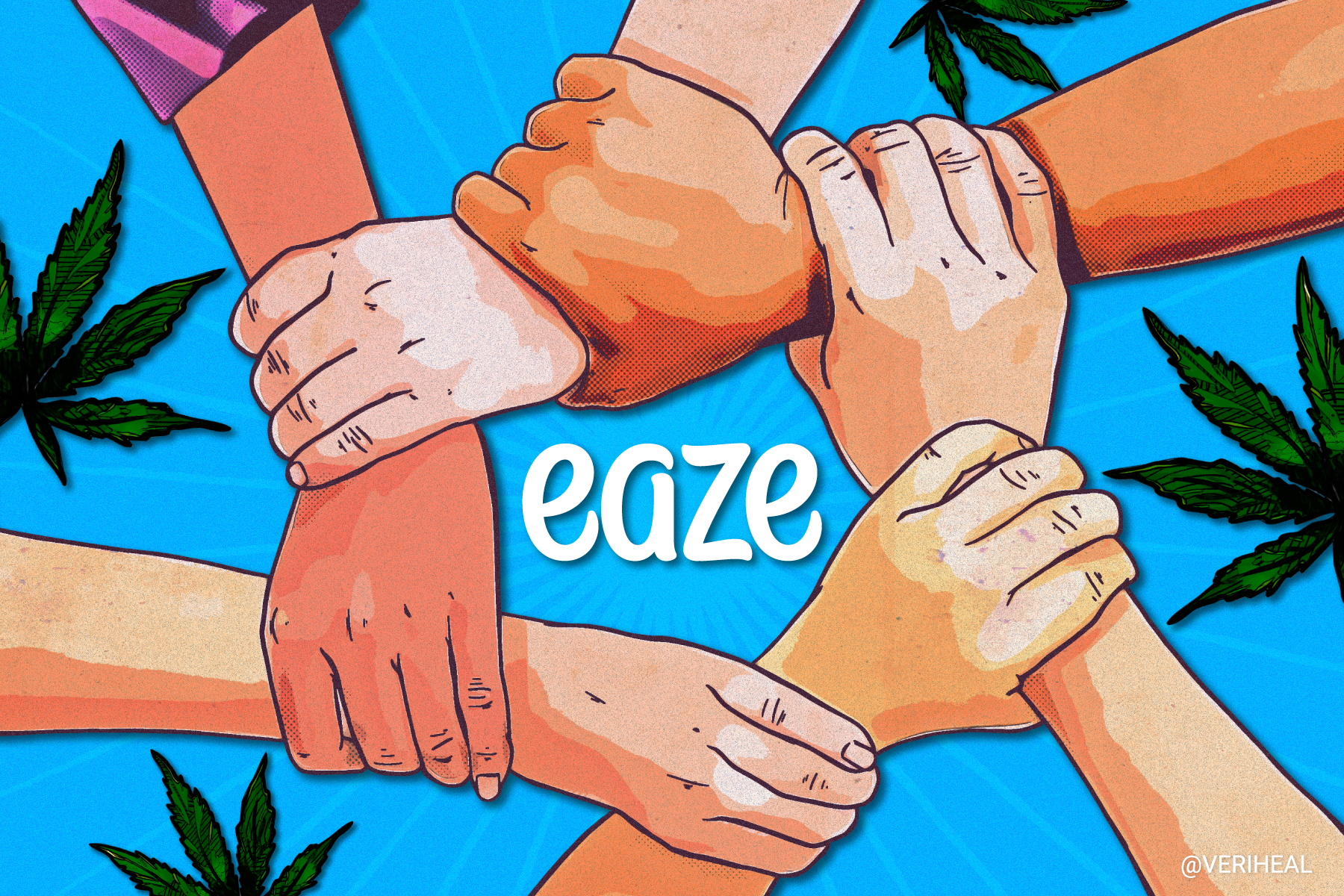
By collaborating with brands and advocates, Eaze’s new business venture will help implement SB 34, which enables dispensaries to donate cannabis to patients. Eaze is acknowledged as the nation’s largest cannabis supply marketplace, and the company’s recently unveiled nationwide program is expected to provide therapeutic respite for patients who’ve been cast aside by California’s cannabis laws.
A Collaborative Effort To Increase Cannabis Access
By capitalizing on Eaze’s vast array of brands and delivery drivers, Eaze Compassion meticulously forms a connection between cash-strapped patients and the products they rely on to live comfortably. Moreover, the new project involves collecting donated products for distribution among patients who have identifiably been “excluded” from the legal market, forced to pay high taxes, and/or reside in a jurisdiction that outlaws the legal cannabis trade (70% of California’s jurisdictions prohibit industry activity).
A number of pioneering compassionate organizations will assist Eaze Compassion specialists with this task, including Brownie Mary Democratic Club, Operation Evac, This Is Jane Project, and Weed For Warriors. In order to verify patient eligibility, various criteria are considered, including medical diagnosis, individual requirements, and income.
The program has received wide support from politicians advocating for access to medicinal cannabis, such as California Sen. Scott Wiener, who sponsored SB 34. “Cannabis is medicine. Nobody should be forced to live with the effects of debilitating pain, PTSD, multiple sclerosis, or any other illness because they can’t pay or live under a local ban,” said Wiener, who noted that cannabis donations are helping the Compassionate Care Act by Dennis Peron and Brownie Mary become reality.
Eliminating Cannabis Waste Through Partnerships
According to the CEO of Fumé Brands, Eric Sklar, his Napa, CA-headquartered company has already dispensed more than 8,000 units of cannabis to certified patients through the Eaze Compassion program. He says that donating is “a win-win situation” for his company, which has to either donate or destroy unused products under California law. “Our plants do best, and for low-income patients who can now access safe, legal medicines for free,” Sklar told reporters.
Someone else who agrees with Sklar is the executive director of the This Is Jane Project, Shannon DeGrooms, who described the partnership between Eaze Compassion and her project as “very important.” “Eaze’s seamless onboarding and delivery process, as well as the dedication of its team members, was a turning point in making free cannabis donation easier for women and non-binary trauma survivors,” said DeGrooms. “Together with partners like Eaze, we are committed to doing something about it.”
Ultimately, Eaze’s revolutionary new program kills two birds with one stone by increasing access to medicinal cannabis and mitigating cannabis product waste. “Many compassion programs collapsed in the early green onslaught, leaving the very people who were legalized cannabis to help,” said Eaze CEO Ro Choy. “Eaze Compassion gives companies an easy way to donate and distribute products that they would otherwise have to destroy, so I hope more brands will join the program.”
Bethan Rose is a cannabis advocate, writer and traveler with no permanent address. Currently based in Bali, she can usually be found curating cannabis content on her hammock.
Hi, my name is Robert and I was wondering if the eaze program will be available in Maryland soon because I’m on a fixed budget and could use a donation here and there thanks in advance
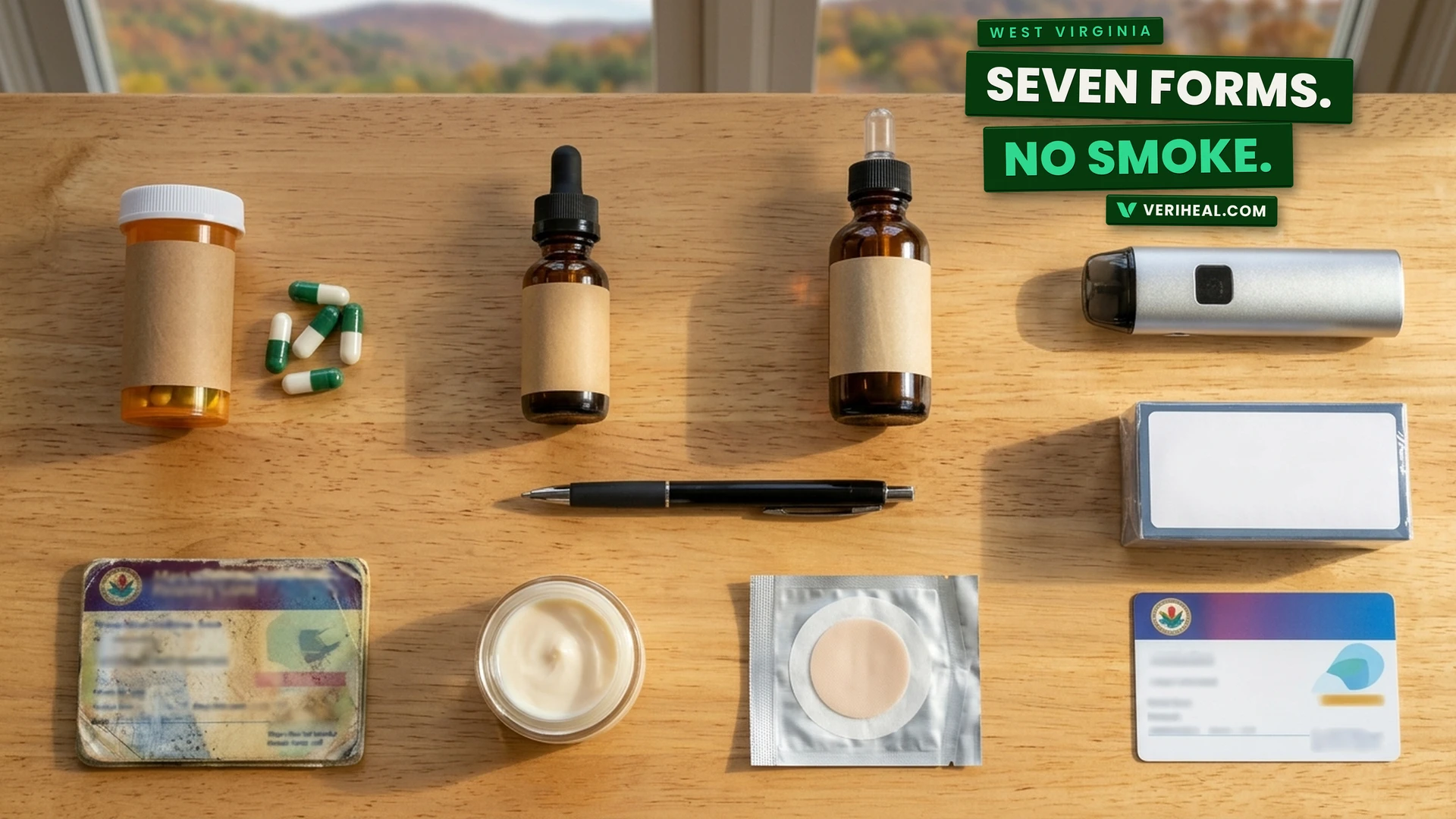
West Virginia allows medical cannabis in approved forms, including pills, oils, tinctures, topicals, patches, and products intended for vaporization, while prohibiting smoking and dispensary-sold edibles. This guide explains the differences between permitted products, dry leaf restrictions, purchase and possession limits, patient registration requirements, certification costs, and important legal considerations for medical cannabis patients.
Many states let adults 18 and older get a medical marijuana card on their own, with no caregiver needed. Learn which states allow it, what you need to qualify at 18, and how patients under 18 can apply with a caregiver.
Post-traumatic stress disorder (PTSD) is a qualifying condition for medical cannabis in Minnesota, with a separate enrollment pathway available to eligible veterans. This guide explains practitioner certification, free state enrollment, veteran exemptions, telehealth evaluations, tax savings, medical versus recreational cannabis benefits, and important considerations involving existing PTSD treatments, insurance coverage, and patient rights.
Getting a medical cannabis card in Minneapolis involves certification from a Minnesota-licensed practitioner and enrollment through the state’s Office of Cannabis Management. This guide explains qualifying conditions, telehealth evaluations, application deadlines, free state enrollment, dispensary locations, caregiver requirements, and the tax savings and legal benefits available to registered patients.
Getting a medical cannabis certification in New York City involves an evaluation by an authorized healthcare provider, with no physical card or separate state registration required. This guide explains eligibility requirements, telehealth appointments, certification costs, dispensary access across all five boroughs, medical versus recreational cannabis benefits, tax savings, caregiver options, and renewal requirements.
The statements made regarding cannabis products on this website have not been evaluated by the Food and Drug Administration (FDA). Cannabis is not an FDA-approved substance and is still illegal under federal law. The information provided on this website is intended for educational purposes only and is not intended to diagnose, treat, cure, or prevent any disease. It is not intended as medical advice and should not be considered as a substitute for advice from a healthcare professional. We strongly recommend that you consult with a physician or other qualified healthcare provider before using any cannabis products. The use of any information provided on this website is solely at your own risk.