Super cropping cannabis involves gently bending and damaging stems to boost yields and strengthen plants. This high-stress training technique stresses your plant in a controlled way, triggering natural healing responses that create stronger branches and bigger harvests.
When you super crop your cannabis plant, you’re essentially creating small injuries that heal stronger than before. The technique works by pinching and bending stems at key points, which disrupts the plant’s normal growth pattern and redistributes energy to lower branches. This process increases overall bud production and creates a more even canopy for light exposure.
The technique requires careful timing and gentle hands, but the results speak for themselves. Growers who master super cropping often see yield increases of 20-30% compared to untrained plants, along with stronger structural support that prevents branches from breaking under the weight of heavy buds.
What Is Super Cropping?
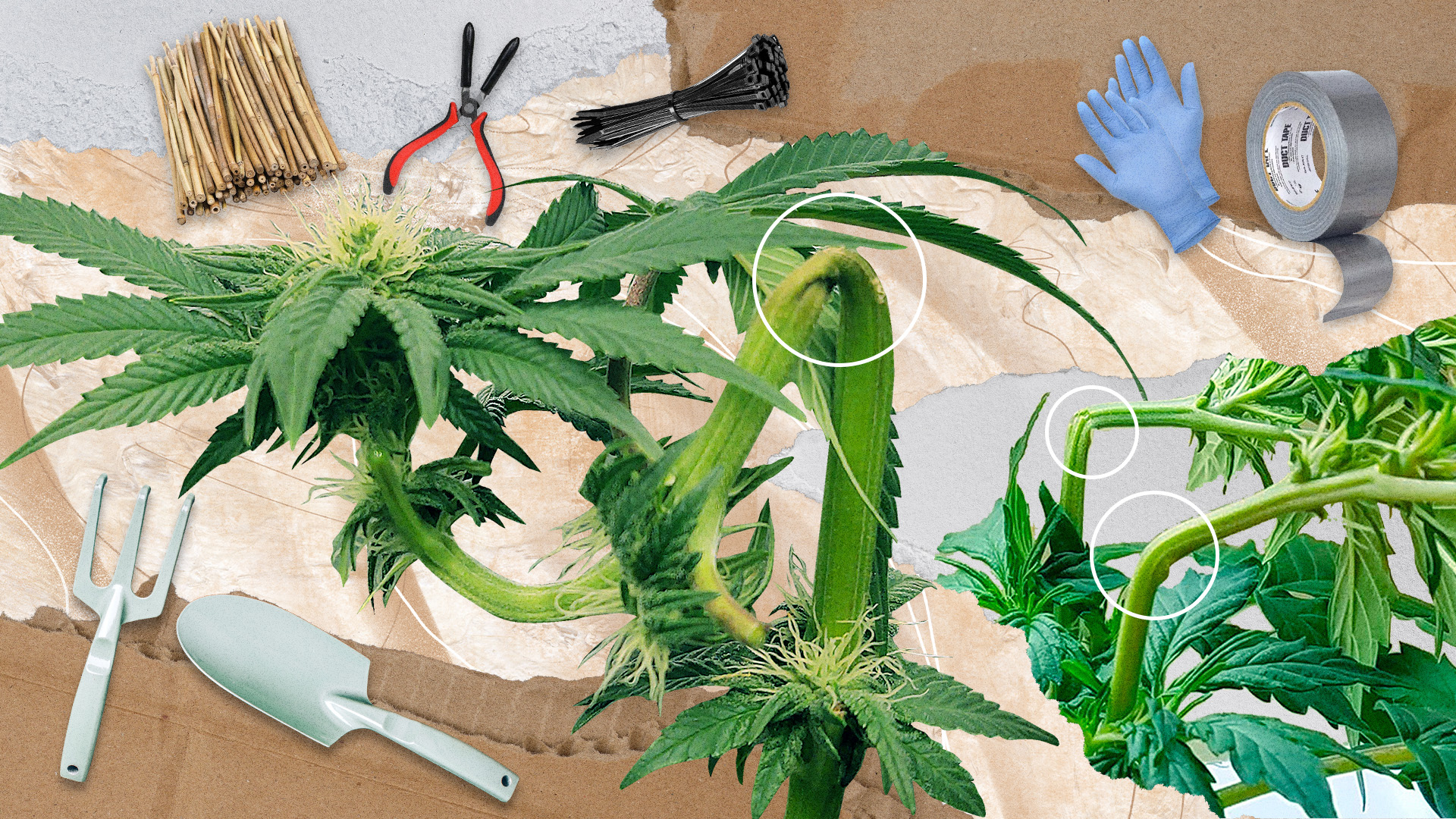
Super cropping is a high-stress training technique where you deliberately bend and slightly damage cannabis stems to encourage stronger regrowth and increased yields. The process involves pinching stems between your fingers until you feel the inner tissue soften, then carefully bending the stem at a 90-degree angle without breaking the outer skin.
The technique triggers your plant’s natural healing response, similar to how a broken bone heals stronger than before. When you damage the stem’s internal structure, the plant sends extra nutrients and energy to that area to repair the damage. This healing process creates what’s called a “knuckle,” a thicker, stronger section of stem that can support heavier branches and larger buds.
Super cropping differs from other training methods because it actually damages the plant temporarily. Unlike low-stress training where you simply tie branches down, super cropping creates controlled stress that forces your plant to rebuild itself stronger. The key is timing the technique correctly and applying just enough pressure to soften the stem without snapping it completely.
Benefits of Super Cropping Cannabis Plants
Super cropping offers several advantages that make it one of the most effective training techniques for cannabis growers. The controlled stress you apply to stems triggers multiple beneficial responses that improve your plant’s overall performance and final harvest.
Vigorous Growth and Better Bud Development
When you super crop a stem, you redirect the plant’s energy from vertical growth into lateral branch development. This energy redistribution creates more bud sites along each branch, which means more flowers at harvest time. The plant also develops a bushier structure with shorter internodal spacing, creating denser flower clusters.
The bending process also improves light penetration throughout the canopy. Instead of having one dominant main stem that shades lower branches, you create an even canopy where all bud sites receive similar light exposure. This improved light distribution translates directly into better bud development across the entire plant.
Boosts Plant’s Resin Production and Potency
Super cropping appears to increase resin production as part of the plant’s stress response. Cannabis plants produce cannabinoids and terpenes partly as a defense mechanism against environmental stress, and the controlled damage from super cropping can trigger increased resin production in the affected areas.
While individual results vary, many growers report that super cropped plants produce more aromatic and potent buds compared to untrained plants. The stress response may activate genetic pathways that increase cannabinoid synthesis, though more research is needed to fully understand this mechanism.
Encourages Better Structural Support for Buds
The healing process that follows super cropping creates thicker, stronger stems that provide better structural support for heavy buds. These “knuckles” that form at bend points become reinforcement areas that can handle much more weight than the original stem.
This improved structural integrity becomes especially important during the flowering stage when buds gain weight rapidly. Plants that haven’t been trained often require external support to prevent branches from snapping under bud weight, while properly super cropped plants typically support themselves through harvest.
Greater Yield
All these benefits combine to produce significantly higher yields compared to untrained plants. The increased number of bud sites, better light exposure, improved structural support, and potential increases in resin production all contribute to heavier harvests.
Most growers who practice super cropping consistently report yield increases between 20-30% compared to their untrained plants. Some experienced growers achieve even higher increases by combining super cropping with other training techniques like LST or SCROG methods.
Super Cropping vs Other Training Techniques
Understanding how super cropping compares to other training methods helps you choose the right technique for your growing situation. Each method has specific advantages, stress levels, and timing requirements that make them suitable for different scenarios.
| Technique |
Stress Level |
Best Timing |
Primary Goal |
Recovery Time |
| Super Cropping |
High |
Vegetative weeks 3-6 |
Yield increase, structural strength |
3-7 days |
| Low Stress Training (LST) |
Low |
Throughout vegetative |
Even canopy, light exposure |
1-2 days |
| Topping |
High |
Vegetative weeks 4-8 |
Multiple main colas |
5-10 days |
| SCROG |
Low |
Vegetative through early flower |
Maximum light efficiency |
Ongoing |
Super cropping works exceptionally well when combined with other techniques. Many growers start with topping to create multiple main stems, then use super cropping to manage height and strengthen branches, and finish with LST to fine-tune canopy evenness. This combination approach often produces the highest yields.
The main advantage of super cropping over LST is the permanent structural changes it creates. While LST requires ongoing maintenance throughout the grow, super cropping creates lasting improvements in branch strength and architecture. However, LST is safer for beginners since there’s no risk of accidentally breaking stems.
Choose super cropping when you want maximum yield increases and have experience with cannabis plant growth stages. Stick with LST if you’re new to training or working with delicate genetics that might not handle the stress well.
Tools You Need To Super Crop Your Cannabis Plant
Super cropping requires minimal equipment, making it one of the most accessible training techniques for home growers. Having the right tools ready before you start ensures smooth execution and reduces stress on both you and your plants.
Your fingers provide the primary tool for super cropping, but having backup supplies prevents problems when techniques go wrong. Clean, sanitized tools also reduce the risk of introducing pathogens to damaged plant tissue.
The essential tools include clean hands or sanitized gloves for the actual bending process. Soft plant ties or twist ties help secure bent branches if they won’t stay in position naturally. Tape comes in handy for emergency repairs if you accidentally snap a stem completely.
Keep small scissors or pruning shears nearby for trimming any damaged leaves or removing completely broken branches. A spray bottle with clean water helps clean your hands between plants and can mist stressed areas after super cropping. Some growers also keep rooting hormone available to encourage healing at bend sites, though this isn’t strictly necessary.
When to Super Crop Cannabis Plants
Timing determines the success or failure of super cropping more than any other factor. Cannabis plants can only handle this high-stress technique during specific growth phases when they have enough energy to heal quickly and redirect growth effectively.
Best Timing During Vegetative Stage
The ideal window for super cropping falls between weeks 3-6 of vegetative growth, when plants have developed sufficient stem thickness and root systems to handle the stress. Younger plants often have stems too soft and weak to hold bends properly, while older plants may have woody stems that crack instead of bending smoothly.
Start super cropping after your plant has developed at least 4-6 nodes and shows vigorous daily growth. The stems should feel firm but still flexible when you gently squeeze them. If stems feel hollow or overly soft, wait another week before attempting the technique.
Cannabis plants in this growth phase have maximum energy reserves and rapid healing capabilities. They can typically recover from super cropping within 3-7 days and show visible new growth responses within a week of treatment.
Pre-Flower Considerations
You can continue super cropping into the early pre-flower transition, but stop all high-stress training once you see the first pistils or pollen sacs developing. The pre-flower period requires careful monitoring since plants can shift from vegetative to flowering growth seemingly overnight.
Many experienced growers do their final super cropping session 1-2 weeks before flipping to flower lights, giving plants time to recover completely before the energy-intensive flowering phase begins. This timing ensures maximum yield benefits without compromising flower development.
Why to Avoid During Flowering
Never super crop during the flowering stage. Flowering plants redirect their energy toward bud production rather than vegetative healing, which means they recover much more slowly from high-stress training. The stress can also reduce final yields and delay harvest timing.
Plants showing active flower development have brittle stems that break more easily and lack the rapid healing response needed for successful super cropping. Focus on gentle LST techniques during flower if you need to adjust branch positions.
Step-by-Step Super Cropping Technique
Executing super cropping successfully requires a systematic approach that minimizes plant stress while maximizing the technique’s benefits. Follow each step carefully, working slowly to avoid accidentally breaking stems that could have been saved with more patience.
Selecting the Right Stems
Choose stems that are 4-6 inches long with good thickness and flexibility. The ideal candidates feel firm when squeezed but still have some give when bent gently. Avoid stems that feel woody or hollow, as these either won’t bend properly or may snap unexpectedly.
Target stems on the upper portion of your plant that are growing too tall or blocking light from reaching lower branches. Secondary branches often respond better to super cropping than the main stem, especially for beginners learning the technique.
Focus on healthy, vigorous growth rather than weak or stressed branches. Super cropping damaged or slow-growing stems often kills them entirely instead of strengthening them through the healing process.
The Bending Process
Start by pinching the stem between your thumb and forefinger about 2-3 inches from the tip. Apply steady, gentle pressure while rolling the stem slightly between your fingers. You should feel the internal structure start to soften and give way.
Continue applying pressure until you feel the stem’s interior become pliable, but stop before you hear any cracking sounds from the outer skin. The goal is to damage the inner tissue while keeping the outer “skin” of the stem intact to maintain nutrient flow.
Once the stem feels soft, carefully bend it to approximately 90 degrees from its original position. Move slowly and listen for any cracking sounds that indicate you’re pushing too hard. The bent section should fold smoothly without sharp kinks or complete breaks.
Securing Your Super Cropped Branches
Most successfully super cropped stems will hold their new position naturally after the initial bend. However, some may try to straighten back up, especially if the bend wasn’t quite complete or the stem was particularly vigorous.
Use soft plant ties or twist ties to gently secure branches that won’t stay in position. Tie the bent portion to a lower branch or stake, but avoid pulling too tightly since the damaged tissue needs room to swell during healing.
Check your ties daily and loosen them as the stems thicken during recovery. Ties that were comfortable initially can become restrictive as the plant heals and grows, potentially causing additional damage if left too tight.
Common Super Cropping Mistakes to Avoid
Learning to super crop effectively means avoiding the common errors that can damage or kill your plants instead of strengthening them. These mistakes often stem from impatience, poor timing, or applying techniques learned from other training methods inappropriately.
Understanding what goes wrong helps you recognize problems early and adjust your technique before causing serious damage. Most super cropping failures are preventable with proper preparation and realistic expectations about the process.
- Super cropping too late in flower: Plants in active flowering lack the energy and healing capacity needed for high-stress training. Attempting to super crop after pistils appear often causes permanent damage and reduces final yields significantly.
- Applying too much pressure: New growers often think more pressure creates better results, but excessive force breaks stems completely rather than creating the controlled damage that triggers beneficial healing responses.
- Not supporting bent branches: Failing to secure branches that won’t hold their position naturally allows them to straighten back up, negating the training effect and potentially creating weak spots where the stem was damaged unnecessarily.
- Working with brittle stems: Attempting to super crop during periods when plants are water-stressed or have developed woody growth leads to clean breaks rather than the flexible bends that characterize successful super cropping.
- Ignoring plant health signals: Super cropping stressed, nutrient-deficient, or pest-damaged plants often pushes them over the edge into serious decline rather than triggering the robust healing response seen in healthy plants.
The key to avoiding these mistakes lies in patience and observation. Take time to assess each stem individually, work only with healthy plants during appropriate growth phases, and be prepared to stop if something doesn’t feel right during the bending process.
How to Fix Broken Branches From Super Cropping
Even experienced growers occasionally break stems completely while attempting to super crop. Quick action can save most broken branches and often results in even stronger growth than successful super cropping, though the recovery time increases significantly.
The success of branch repair depends largely on how quickly you respond and whether the break maintains any connection between the upper and lower portions of the stem. Complete separations are much harder to save than partial breaks where some tissue remains intact.
- Assess the damage immediately: Look for any remaining tissue connecting the broken sections. Even thin strips of outer stem material can provide enough connection for successful healing if properly supported.
- Align the broken sections: Carefully fit the pieces back together as closely as possible to their original positions. The cambium layers (growth tissue just under the outer skin) need to make contact for healing to occur.
- Secure with tape or splints: Wrap the repair site with electrical tape, medical tape, or plant tape to hold the sections firmly together. Some growers use small splints made from toothpicks or bamboo skewers for additional support.
- Support the branch weight: Use plant ties to support the weight of the broken branch by connecting it to nearby healthy stems or stakes. This prevents the repair from tearing apart as the plant continues growing.
- Monitor for infection signs: Check the repair site daily for signs of rot, mold, or bacterial infection. Healthy repairs show new growth within 5-10 days, while infected areas develop dark discoloration or fuzzy growth.
Most successfully repaired branches develop extremely strong knuckles at the break site and often produce some of the plant’s largest buds. The intense healing response triggered by complete breaks can create structural improvements beyond what normal super cropping achieves.
Super Cropping Results and Recovery
Super cropping transforms your cannabis plants gradually over several weeks, with the most dramatic changes occurring during the initial healing phase. Understanding the recovery timeline helps you provide appropriate care and recognize when the technique is working effectively.
Most plants show visible healing responses within 24-48 hours of super cropping. The bent areas typically swell slightly as increased nutrients flow to the repair sites, and you may notice the branches beginning to turn upward again as they seek light. This recovery period requires consistent care to support the plant’s healing efforts.
Within 3-7 days, successfully super cropped stems develop noticeable thickening at bend points. These “knuckles” represent the permanent structural improvements that make super cropping so effective. The areas above the bends also show increased vigor as hormonal changes redirect growth energy into lateral development.
Full recovery typically takes 1-2 weeks, after which you’ll see the technique’s true benefits emerging. Lower branches gain strength and size as apical dominance decreases, creating a more even canopy with multiple strong flowering sites. The stress response can even trigger certain visual changes, which explains why cannabis turns purple in some varieties after high-stress training.
The long-term results become most apparent during flowering when properly super cropped plants support heavy bud loads without external supports. Growers often see their most impressive yields from branches that were super cropped during vegetative growth, as these areas combine structural strength with increased flowering sites.
Note: The content on this page is for informational purposes only and is not intended to be professional medical advice. Do not attempt to self-diagnose or prescribe treatment based on the information provided. Always consult a physician before making any decision on the treatment of a medical condition.
Note: Veriheal does not support illegally consuming therapeutic substances such as cannabis but acknowledges that it transpires because of the current illicit status, which we strive to change by advocating for research, legal access, and responsible consumption. Always consult a physician before attempting alternative therapies.
Ready to start growing your own medical cannabis? Find a qualified doctor who can help you get your medical marijuana card and provide guidance on cultivation in your state.
Frequently Asked Questions
When is the best time to super crop cannabis plants?
Super crop during weeks 3-6 of vegetative growth when stems are firm but flexible and plants have enough energy to heal quickly.
Can you super crop during flowering?
No, avoid super cropping once flowering begins as plants lack the energy needed for rapid healing and the stress can reduce yields.
What happens if I break a stem while super cropping?
Immediately align the broken pieces, secure with tape, and support the branch weight. Most breaks can heal successfully with proper care.
How long does it take plants to recover from super cropping?
Most plants show initial healing within 24-48 hours and full recovery within 1-2 weeks, with visible thickening at bend sites developing within a week.
Can super cropping be combined with other training techniques?
Yes, super cropping works well with LST, topping, and SCROG methods when properly timed throughout the vegetative growth phase.
Does super cropping increase THC levels?
While some growers report increased potency, research on stress responses affecting cannabinoid production is still developing. The specific effect on tetrahydrocannabinol (THC) levels varies by strain and conditions.
Author, Share & Comments