Male cannabis plants can’t get you high like their female counterparts, but they serve essential roles that many growers overlook. While female plants produce the cannabinoid-rich buds we’re familiar with, males contribute to breeding, fiber production, and even low-potency extracts. Understanding their value helps you make informed decisions about which plants to keep and which to remove.
Most home growers immediately eliminate male plants to prevent seed formation in their females. This approach makes sense for maximizing flower production, but it also wastes plants with genuine utility. Male cannabis plants offer surprising benefits once you know how to use them.
What’s the Male Cannabis Plant?
Male plants represent half of the cannabis reproductive equation. Their primary biological function involves producing and releasing pollen to fertilize female plants, which then develop seeds for the next generation. Without male plants, natural cannabis reproduction couldn’t occur.
These plants develop differently from females throughout their lifecycle. Males typically grow taller and develop more open branching patterns to facilitate pollen dispersal. They also mature faster than females, often showing their sex 1-2 weeks earlier during the flowering phase.
The distinction between male and female cannabis becomes clear once plants enter their reproductive phase. Understanding cannabis plant anatomy helps you identify each sex accurately.
How Do Male Cannabis Plants Look?
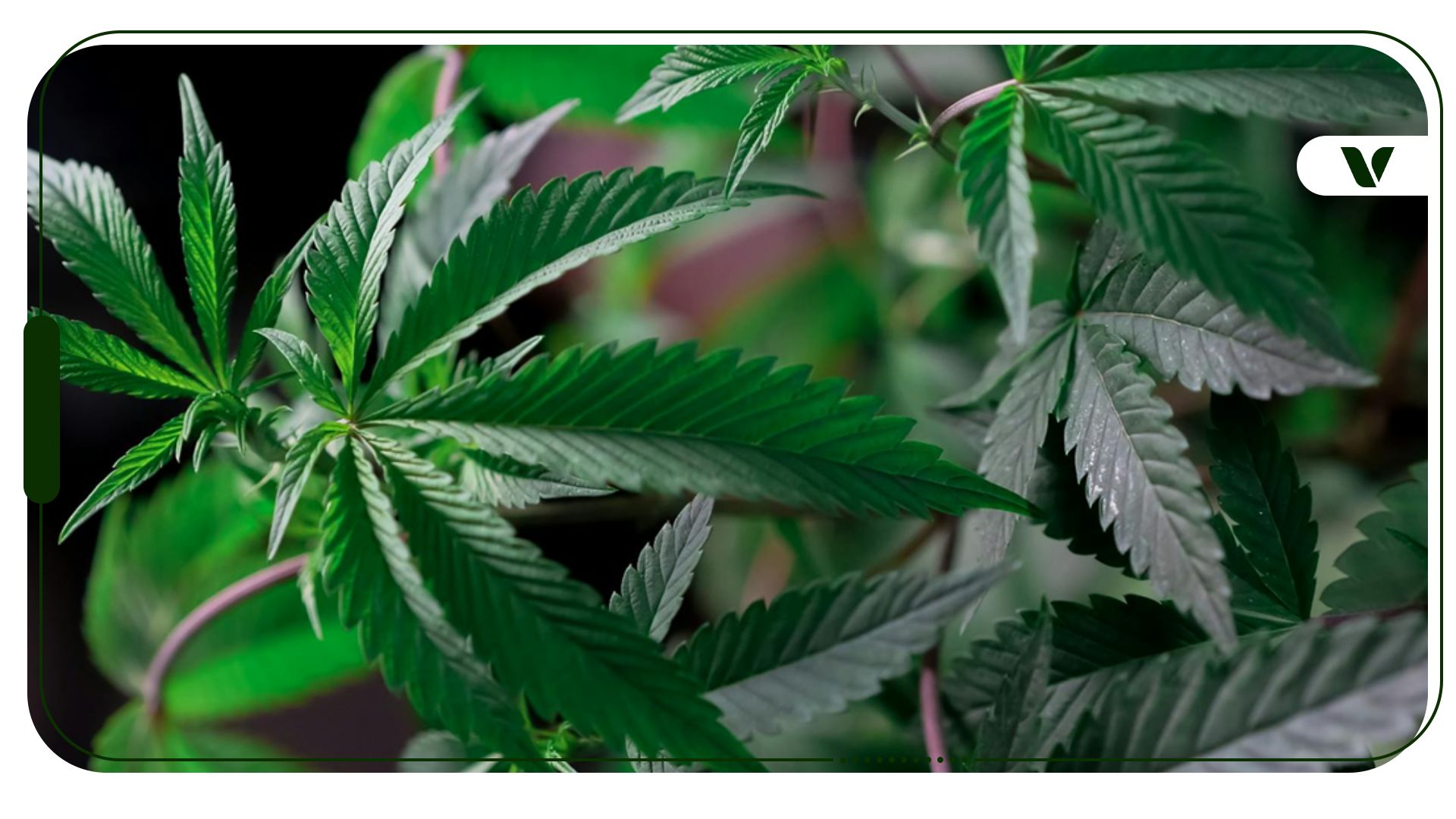
Male cannabis plants develop distinct visual characteristics that differentiate them from females. During the vegetative stage, males often appear taller and more stretched than their female counterparts. Their stems tend to be thicker and more robust to support the weight of pollen-bearing structures.
The most obvious differences emerge during early flowering. Males develop small, ball-shaped pollen sacs that hang from nodes where branches meet the main stem. These sacs appear in clusters and eventually open to release powdery pollen. Females, by contrast, develop white pistils that emerge from tear-shaped calyxes.
Male plants also show their sex earlier than females, typically within the first week of switching to a 12/12 light cycle. This earlier maturation allows growers to identify and separate males before pollen release occurs, preventing unwanted fertilization of female plants.
Male vs Female Cannabis Plants: Key Differences
Understanding the fundamental differences between male and female cannabis plants helps you make informed cultivation decisions. These distinctions go beyond visual identification to include chemical composition, growth patterns, and harvest timing.
| Aspect |
Male Plants |
Female Plants |
| Visual Structure |
Ball-shaped pollen sacs, taller growth, thicker stems |
Tear-shaped calyxes with white pistils, bushier growth |
| THC Content |
0.1-0.3% THC typically |
15-30% THC in quality strains |
| CBD Content |
Minimal CBD, usually under 0.5% |
Variable, can range 0.1-20% depending on strain |
| Maturation Speed |
Shows sex 1-2 weeks earlier |
Slower to reveal sex, longer flowering period |
| Harvest Timing |
Harvest before pollen release (4-6 weeks) |
Harvest when trichomes reach peak potency (8-12 weeks) |
These differences explain why commercial cultivation focuses almost exclusively on female plants. The dramatic gap in cannabinoid content makes females far more valuable for recreational and medical applications. However, males still serve specific purposes that justify keeping select plants under controlled conditions.
Can Male Cannabis Plants Get You High?
Male cannabis plants contain minimal THC compared to females and won’t produce a recreational high. Laboratory testing typically shows THC levels between 0.1-0.3% in male plants, compared to 15-30% in quality female buds. This means males have roughly 1/50th to 1/100th the psychoactive potency of their female counterparts.
The low THC content occurs because males don’t develop the resin-rich cannabis trichomes that concentrate cannabinoids in female flowers. Instead, males focus their energy on pollen production rather than cannabinoid synthesis. Their leaves and stems do contain trace amounts of THC, CBD, and terpenes, but not enough to create noticeable psychoactive effects.
Some users report mild relaxation from male plant extracts, likely due to the small cannabinoid content combined with terpenes. However, the quantities required would be impractical for most consumers. The primary value of male plants lies in their non-psychoactive applications rather than their ability to produce a high.
5 Practical Uses for Male Cannabis Plants
Male cannabis plants serve several practical purposes that make them valuable despite their low THC content. These applications range from breeding and genetics to industrial fiber production. Understanding these uses helps you maximize the value of your entire crop rather than discarding half your plants.
- Breeding and strain development: Male plants provide the genetic material necessary for creating new cannabis strains and preserving existing ones. Quality males contribute half the genetics to any seed offspring, influencing traits like terpene profiles, disease resistance, and growth characteristics. Professional breeders carefully select males based on vigor, structure, and genetic background rather than discarding them automatically.
- Hemp fiber production: Male cannabis plants typically produce higher quality fiber than females due to their taller growth and fewer branches. The stems contain long, strong fibers suitable for textiles, rope, and paper production. Industrial hemp operations often harvest males first to capture peak fiber quality before the plants become woody and less flexible.
- Organic pest control: Some growers use male plants as companion crops to deter certain pests through their terpene emissions. While research on cannabis pest deterrent properties remains limited, anecdotal reports suggest males may help protect nearby plants from spider mites and aphids. The plants also attract beneficial insects that feed on common cannabis pests.
- Low-potency extracts and topicals: The small amounts of cannabinoids and terpenes in male plants can be concentrated into mild topical products or tinctures. These extracts won’t produce psychoactive effects but may offer subtle therapeutic benefits. Some producers create “whole plant” products that include male plant material for a complete cannabinoid and terpene spectrum.
- Compost and soil amendment: Male cannabis plants make excellent compost material due to their high nitrogen content and rapid decomposition. The leaves and stems break down quickly, adding organic matter and nutrients to garden soil. This creates a sustainable cycle where “waste” plants contribute to future growing success.
When to Remove vs Keep Male Cannabis Plants
The decision to remove or keep male cannabis plants depends entirely on your cultivation goals and setup. Most home growers should remove males immediately after identification to prevent unwanted pollination of female plants. However, specific circumstances justify keeping selected males under controlled conditions.
Remove males immediately when growing for maximum flower production and potency, operating in limited space where every plant must produce usable buds, lacking separate areas to isolate males from females, or growing feminized seeds where males indicate genetic instability.
Keep males when you want to create seeds for future planting or breeding projects, develop new strain genetics through controlled pollination, harvest fiber for rope, textiles, or paper making, or experiment with low-potency extracts or topicals.
Timing becomes critical when keeping males for breeding purposes. Collect pollen before sacs open naturally, typically 3-4 weeks after switching to flowering light cycles. Store collected pollen in a cool, dry environment for later use, or apply immediately to selected female branches for controlled seed production.
To learn more about getting your medical cannabis card and accessing quality female cannabis plants legally, visit Veriheal’s medical marijuana doctors.
Note: The content on this page is for informational purposes only and is not intended to be professional medical advice. Do not attempt to self-diagnose or prescribe treatment based on the information provided. Always consult a physician before making any decision on the treatment of a medical condition.
Note: Veriheal does not support illegally consuming therapeutic substances such as cannabis but acknowledges that it transpires because of the current illicit status, which we strive to change by advocating for research, legal access, and responsible consumption. Always consult a physician before attempting alternative therapies.
Frequently Asked Questions
Can male cannabis plants produce buds like females?
Male cannabis plants do not produce the dense, resinous buds associated with female plants. Instead, males develop small pollen sacs that contain reproductive material rather than cannabinoid-rich flowers. These sacs serve a completely different biological function and contain minimal THC or CBD compared to female buds.
How early can you identify male cannabis plants?
Male cannabis plants typically reveal their sex 1-2 weeks earlier than females when switched to flowering conditions. Pre-flowers may appear during late vegetative growth, usually around 4-6 weeks from seed. Look for small, ball-shaped structures at branch nodes rather than the tear-shaped calyxes that develop on females.
Do male cannabis plants smell like females?
Male cannabis plants produce terpenes and can develop noticeable aromas, though usually less intense than females. The scent profile often differs from female plants of the same strain, sometimes appearing more green or vegetative rather than the complex fragrances associated with mature female buds. Some males develop surprisingly strong and pleasant terpene profiles that breeders value for genetic contributions.
Can you smoke male cannabis plants?
You can smoke male cannabis plants, but the experience differs significantly from female buds due to extremely low THC content. The material typically produces harsh smoke with minimal psychoactive effects. Most consumers find the low potency and poor smoking quality make male plant material unsuitable for recreational use.
How do male plants pollinate females?
Male plants release powdery pollen from mature sacs that opens when environmental conditions are right. This pollen travels through air currents or gets carried by insects to female plants, where it fertilizes pistils and triggers seed development. A single male plant can pollinate multiple females across considerable distances, which is why growers remove males to prevent unwanted seeding.
Author, Share & Comments