1-855-452-6224 (Customer Support Available 24/7)


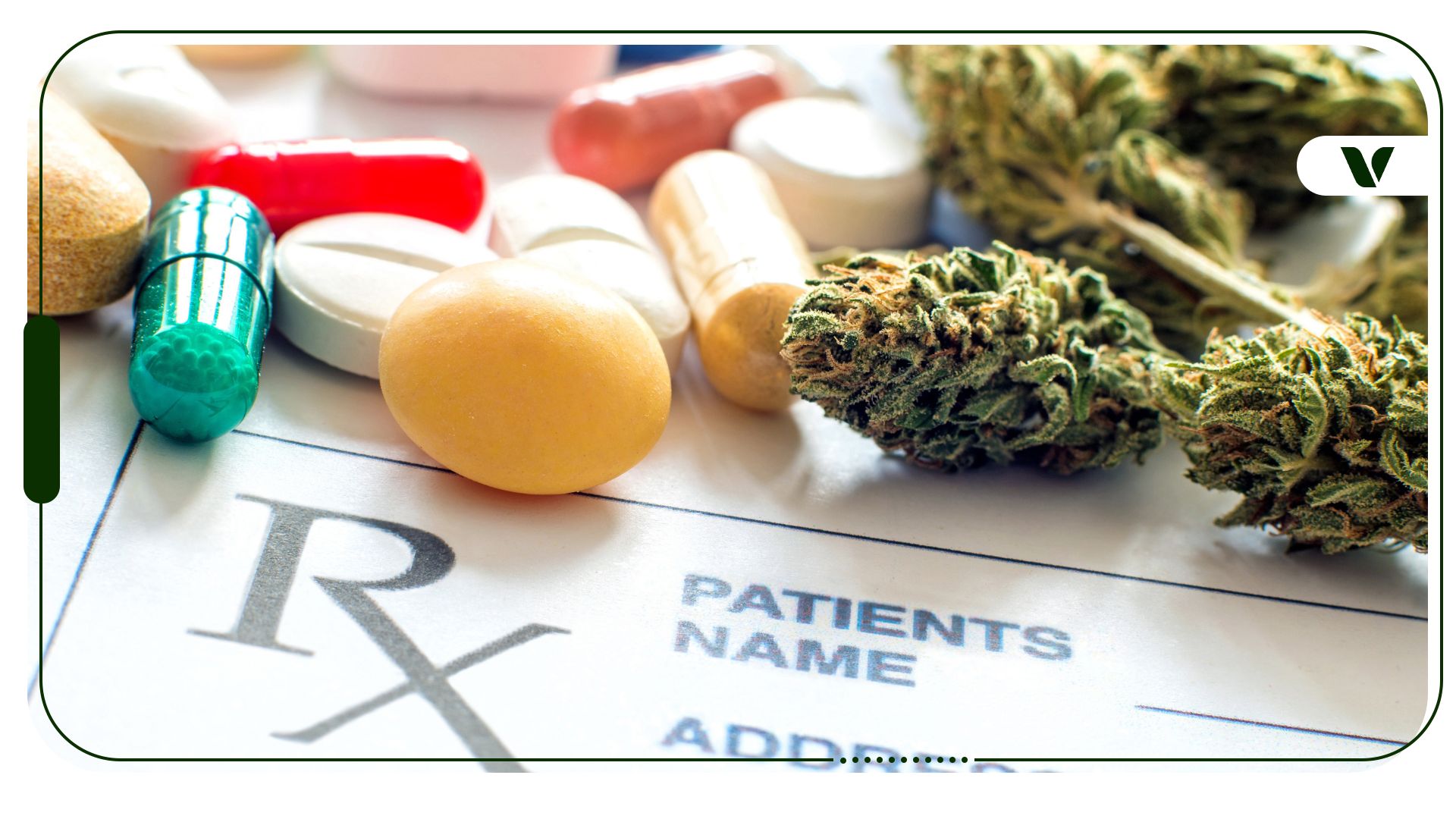
Smoking weed on blood thinners is not simply a matter of personal preference, it raises a documented pharmacological risk that depends heavily on which anticoagulant you take. The interaction works through your liver’s enzyme system, and the details matter enough that “warfarin patient” and “Eliquis patient” are not the same conversation.
Cannabis affects the same family of liver enzymes that process many anticoagulant medications, which means using both simultaneously can alter how much of your blood thinner actually stays active in your bloodstream. That effect can push your anticoagulant levels higher than intended, raising your risk of uncontrolled bleeding. How significant that risk is depends on your specific medication, your consumption method, and how often you use cannabis.
Your liver uses a family of enzymes called cytochrome P450 (CYP450) to break down and clear medications from your body. Both tetrahydrocannabinol (THC) and cannabidiol (CBD) inhibit specific enzymes within this family, particularly CYP2C9, which is the primary enzyme responsible for metabolizing warfarin.
When CYP2C9 is occupied processing cannabinoids, warfarin clears from your system more slowly than usual. That slower clearance causes warfarin to accumulate, raising its concentration in your blood beyond the intended therapeutic level. A 2018 case report documenting elevated INR in cannabis-using warfarin patients captured this effect directly: patients using cannabis showed heightened INR levels, meaning their blood was taking longer to clot than their prescribed dose was designed to produce.
INR stands for International Normalized Ratio, the measure used to track how long your blood takes to form a clot. For most warfarin patients, the target INR sits between 2 and 3. When cannabis inhibits the enzyme that clears warfarin, INR can rise above that range, which means even a small cut or internal bruise takes significantly longer to stop bleeding than it should.
Not all blood thinners work through the same pathways, and that distinction changes the nature of the cannabis interaction. The table below gives a quick-reference comparison before the detail sections below it.
| Medication Type | Example Drugs | Enzyme Pathway Affected | Level of Evidence for Interaction |
| Vitamin K antagonist | Warfarin | CYP2C9 | Moderate (case series, pharmacokinetic studies) |
| Direct oral anticoagulants (DOACs) | Eliquis, Xarelto, Pradaxa | CYP3A4, P-glycoprotein | Limited (pharmacokinetic basis established, clinical studies sparse) |
| CBD-specific | Epidiolex and OTC CBD oils | CYP2C9, CYP3A4 | Moderate for warfarin; emerging for DOACs |
Warfarin has one of the narrowest therapeutic windows of any commonly prescribed anticoagulant, meaning the margin between a dose that works and a dose that causes harm is small. When cannabis inhibits CYP2C9, even a modest rise in warfarin concentration can push a patient from therapeutic range into dangerous territory.
Research cited in a 2023 review of cannabis-drug interactions published in Pharmacotherapy found that some physicians managing cannabis-using patients reduced warfarin doses by 22 to 31% to maintain target INR levels, a clinically significant adjustment that reflects how reliably the interaction occurs.
Apixaban (Eliquis), rivaroxaban (Xarelto), and dabigatran (Pradaxa) are metabolized primarily through CYP3A4 and P-glycoprotein pathways rather than CYP2C9. CBD inhibits CYP3A4, which means CBD-containing products may affect how your body clears these medications even though DOACs do not require INR monitoring.
The research base for DOAC-cannabis interactions is thinner than for warfarin, but the pharmacokinetic basis for an interaction is established. The complicating factor is that DOAC users have fewer early warning signs: warfarin patients receive regular INR tests that catch elevations before they become dangerous, while DOAC users do not have an equivalent routine monitor. That absence of monitoring makes the risk harder to catch.
Many people assume CBD is safe alongside blood thinners because it is non-psychoactive and widely available over the counter. That assumption is pharmacologically incorrect. CBD inhibits the same CYP2C9 and CYP3A4 enzymes as THC, which means CBD oil used with warfarin or a DOAC carries the same interaction mechanism as cannabis containing THC.
The FDA prescribing information for Epidiolex, the FDA-approved CBD drug, includes a formal drug interaction warning for this reason. Over-the-counter CBD oils are not pharmacologically categorized as harmless just because they are legal. If you are on any anticoagulant, the same caution that applies to THC-containing cannabis applies to CBD products.
How you consume cannabis affects not just the intensity of the drug interaction but also the duration and the secondary cardiovascular burden. Method matters more than most people on anticoagulants realize.
When you smoke or vape cannabis, cannabinoids enter your bloodstream rapidly through the lungs, producing a short but intense peak concentration. The CYP450 competition with your blood thinner is acute but brief. Smoking adds a separate concern: combustion byproducts, including carbon monoxide and fine particulates, reduce oxygen delivery and increase heart rate independently of any drug interaction.
For someone already managing a cardiovascular condition with an anticoagulant, the cardiovascular load of smoking may be a meaningful risk on its own, separate from the enzyme competition question. Vaping reduces the combustion byproducts but does not eliminate the pharmacological interaction.
Edibles and cannabis oils follow a different path. When cannabis is ingested orally, it passes through the liver via hepatic first-pass metabolism before entering systemic circulation, and the liver is the same site where warfarin clearance happens. That overlap makes the enzyme competition more sustained and harder to predict than with inhaled cannabis.
For a warfarin patient whose INR is already being monitored, edibles may produce a longer window of elevated INR than a smoked session of comparable cannabinoid content.
Topical cannabis products applied to the skin, including CBD balms and transdermal patches at typical doses, are unlikely to reach systemic concentrations sufficient to meaningfully affect CYP450 enzymes. For a reader using cannabis primarily for localized pain or inflammation, topicals represent the lowest-risk delivery option when combined with anticoagulant therapy.
A documented barrier in anticoagulant management is that patients regularly conceal cannabis use from their prescribers, either from stigma or concern about judgment. The American Heart Association’s 2020 Scientific Statement on cannabis and cardiovascular health explicitly identifies this underreporting as a patient safety problem: a physician cannot adjust a warfarin dose or flag a DOAC interaction they do not know exists.
Your prescriber needs specific information to manage your medication safely, not a general disclosure that you use cannabis. The details that actually matter are:
For more guidance on navigating this conversation, see our take on whether you should disclose cannabis use to your doctor. This is also an area where a cannabis consultation through Veriheal can help you prepare for that appointment with your prescriber.
If you are on warfarin and use cannabis regularly, consistency in your consumption pattern matters as much as the amount. Large or unpredictable changes in how much cannabis you use can produce corresponding swings in your INR, making your dose harder to manage.
Your prescriber may want to increase the frequency of your INR monitoring during any period when your cannabis use changes significantly, whether you are starting, stopping, or changing methods.
If cannabis has amplified your anticoagulant effect, your body will give you signals before a serious event occurs. Contact your prescriber or seek emergency care if you notice any of the following:
Do not wait to see if these symptoms resolve on their own. The anticoagulant-cannabis interaction that produces these signs can escalate quickly, and early contact with your prescriber is the appropriate response.
Many patients on blood thinners are managing cardiovascular conditions that carry their own stigma, and adding cannabis use to the conversation can feel like a second layer of judgment to navigate. That hesitation is understandable, but as the AHA statement above makes clear, the clinical cost of staying quiet is real: your prescriber cannot manage a risk they do not know exists.
For patients who want help preparing for this conversation, our guide on whether to disclose cannabis use to your doctor covers it in more detail. If you use medical marijuana and want guidance on how cannabis fits alongside your treatment plan, Veriheal’s cannabis consultation service is designed specifically to bridge that gap. The disclosure conversation is also directly relevant if you are managing other medication interactions, see our guide on medications to avoid mixing with cannabis for a broader overview of which drug classes carry documented risks.
Blood thinners are not the only medication category where cannabis interaction is a documented concern. The same CYP450 enzyme competition applies to other prescription medications, including cannabis and antibiotics interactions and cannabis and Xanax interactions, among others.
If you take ibuprofen alongside cannabis for pain relief, note that mixing ibuprofen and cannabis carries its own platelet-level concern that compounds the blood-thinning effect. The same applies to cannabis and prednisone safety for patients managing inflammation alongside a cardiovascular condition.
The 2023 review cited in current cannabis-anticoagulant literature describes the data behind cannabis-warfarin interaction as “very low quality”, not because the interaction is doubtful, but because large randomized controlled trials on this specific drug combination do not yet exist. The case studies and pharmacokinetic evidence are real. T
he CYP450 enzyme inhibition that drives the interaction is established pharmacology. What the research cannot yet tell us is the precise magnitude of effect for any individual patient, because that magnitude varies by cannabis potency, consumption frequency, method of use, and individual differences in enzyme activity.
This is why a warfarin patient’s INR monitoring is not a fixed protocol applied uniformly to everyone. It is an individualized tracking system that catches the interaction in that specific person’s response. Until larger clinical studies exist, the research base supports caution rather than either certainty about harm or dismissal of risk. An honest read of the evidence supports neither “cannabis definitely causes dangerous bleeding” nor “the evidence is thin enough that it doesn’t matter.” The interaction mechanism is real; its clinical expression in your specific case is what your prescriber is managing.
Smoking weed on blood thinners, taking edibles, or using CBD oil all carry the same underlying risk: competition for the liver enzymes that process your anticoagulant medication. The risk profile differs between warfarin and direct oral anticoagulants like Eliquis, and it differs further based on whether you smoke, eat, or apply cannabis topically. What does not differ is the pharmacological basis for the interaction, it is real regardless of which delivery method you choose.
If you use medical cannabis and take an anticoagulant, the most practical step you can take is an honest conversation with your prescriber about frequency, quantity, method, and the products you use. If you want support navigating that conversation, connect with a Veriheal cannabis consultant who can help you understand how your cannabis use fits alongside your treatment plan before your next appointment.
Note: The content on this page is for informational purposes only and is not intended to be professional medical advice. Do not attempt to self-diagnose or prescribe treatment based on the information provided. Always consult a physician before making any decision on the treatment of a medical condition.
Note: Veriheal does not support illegally consuming therapeutic substances such as cannabis but acknowledges that it transpires because of the current illicit status, which we strive to change by advocating for research, legal access, and responsible consumption. Always consult a physician before attempting alternative therapies.
Cannabis is not classified as a blood thinner in the pharmacological sense, but it does affect platelet function and interacts with the enzymes that process anticoagulant drugs. THC and CBD have both shown some platelet-inhibiting activity in research, and their inhibition of CYP450 enzymes can cause blood thinners like warfarin to accumulate to higher levels than prescribed. The combined effect can increase bleeding risk even though cannabis is not itself an anticoagulant.
CBD oil is not a blood thinner, but it inhibits the same liver enzymes, CYP2C9 and CYP3A4, that process warfarin and direct oral anticoagulants like Eliquis. This means CBD can cause your anticoagulant medication to stay in your system longer, raising its effective concentration and increasing your risk of bleeding. The FDA-approved cannabidiol drug Epidiolex carries a formal drug interaction warning for this reason.
Taking CBD alongside a blood thinner like warfarin or Eliquis can slow the liver’s clearance of the anticoagulant through CYP450 enzyme inhibition, causing the drug to accumulate beyond its intended level. For warfarin patients, this can elevate INR above the therapeutic range, meaning your blood takes longer to clot than your prescribed dose is designed to produce. The same mechanism applies to DOACs through the CYP3A4 pathway, though routine monitoring for that effect is less common.
Cannabis interacts most significantly with medications metabolized by CYP450 enzymes, including warfarin, direct oral anticoagulants, certain antidepressants, antiepileptics, and some antibiotics. Blood thinners represent one of the higher-risk categories because elevated drug levels have direct bleeding consequences. If you take any prescription medication regularly, reviewing potential cannabis drug interactions with your prescriber before combining them is the appropriate starting point.
Blood thinners interact with cannabis, ibuprofen and other nonsteroidal anti-inflammatory drugs (NSAIDs), alcohol, and certain herbal supplements including ginkgo and garlic at supplemental doses. Cannabis and ibuprofen are particularly relevant together because both affect platelet function through different mechanisms, compounding the blood-thinning effect. Any substance that inhibits platelet aggregation or competes for the same liver enzymes as your anticoagulant deserves a conversation with your prescriber before use.
I am 94 years old and have been on edible since 2017. They worked well for me. Then I developed blood clots two different times.
II am on blood thinners with all their side effects. I was fine with my gummies, socialized, slept better. So, I think I do not care about problems with a heart attack, although I do have hypertrophic cardiomyopathy. I think the heck with it. I am thinking “how many years are there for me?”. Might as well be happy.
Sign up for our newsletter
Learn the process in your state
All Rights Reserved Veriheal Inc. ©
Terms Privacy Policy Advertising Agreement Content Disclamer
Get your medical marijuana card today
Sign up in under 5 minutes
Start By Selecting Your State
 Alabama
Alaska
Arizona
Arkansas
California
Colorado
Connecticut
Delaware
Florida
Georgia
Hawaii
Idaho
Illinois
Indiana
Iowa
Kansas
Kentucky
Louisiana
Maine
Maryland
Massachusetts
Michigan
Minnesota
Mississippi
Missouri
Montana
Nebraska
Nevada
New Hampshire
New Jersey
New Mexico
New York
North Carolina
North Dakota
Ohio
Oklahoma
Oregon
Pennsylvania
Rhode Island
South Carolina
South Dakota
Tennessee
Texas
Utah
Vermont
Virginia
Washington
West Virginia
Wisconsin
Wyoming
Puerto Rico
Alabama
Alaska
Arizona
Arkansas
California
Colorado
Connecticut
Delaware
Florida
Georgia
Hawaii
Idaho
Illinois
Indiana
Iowa
Kansas
Kentucky
Louisiana
Maine
Maryland
Massachusetts
Michigan
Minnesota
Mississippi
Missouri
Montana
Nebraska
Nevada
New Hampshire
New Jersey
New Mexico
New York
North Carolina
North Dakota
Ohio
Oklahoma
Oregon
Pennsylvania
Rhode Island
South Carolina
South Dakota
Tennessee
Texas
Utah
Vermont
Virginia
Washington
West Virginia
Wisconsin
Wyoming
Puerto Rico