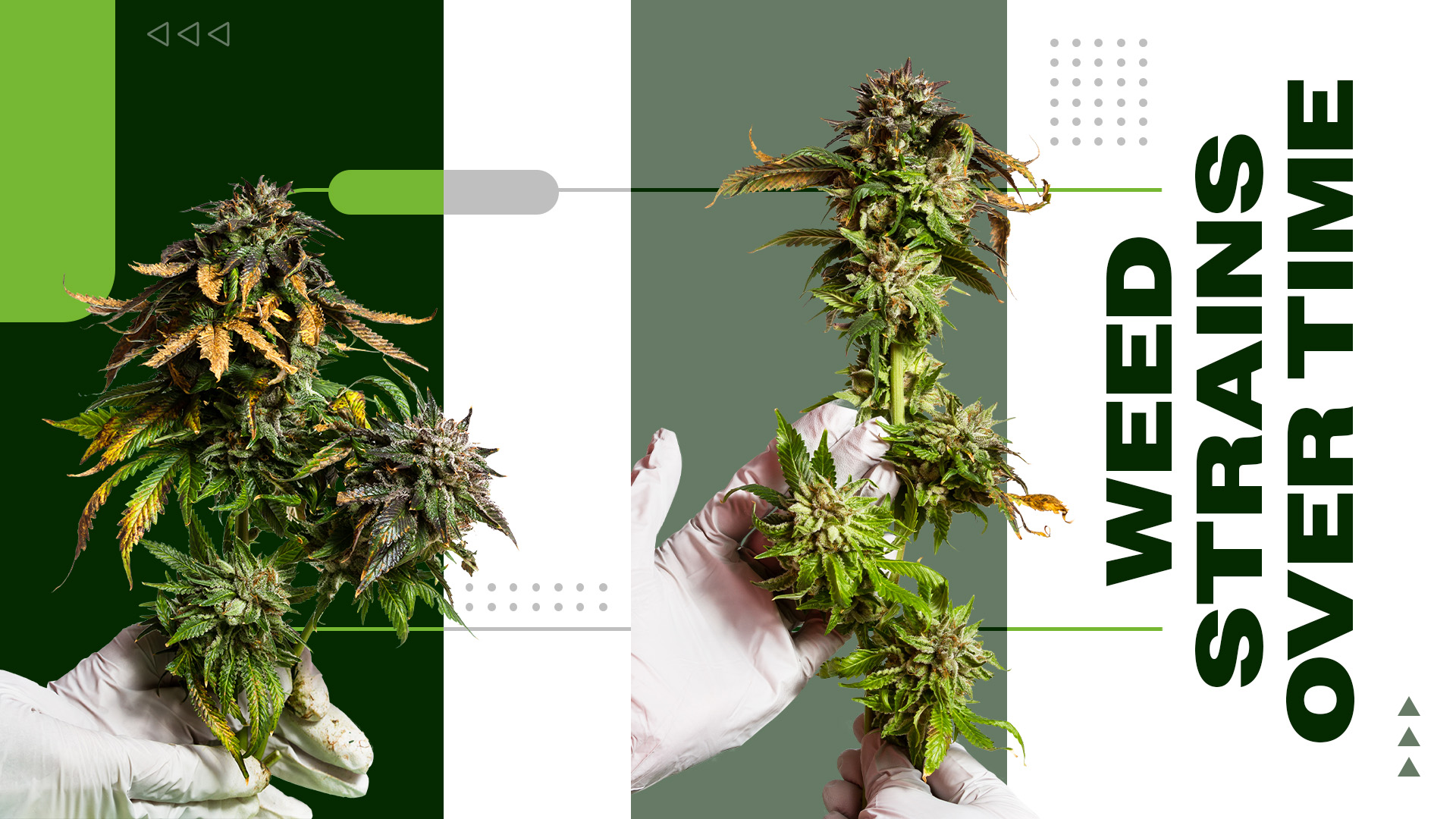
Cannabis phenotypes are the observable traits you can see, smell, and feel in a plant, like its color, aroma, potency, and effects. These traits result from the interaction between a plant’s genetic code and its growing environment, which is why the same strain can produce different experiences over time.
The same Blue Dream genetics grown in California versus Colorado will express different characteristics based on climate, soil, and cultivation methods. This natural variation means your favorite strain today might smell, look, or feel slightly different when you encounter it again months later.
Understanding phenotypes helps explain why cannabis strains evolve and why experienced users notice subtle differences in familiar varieties.
Understanding Cannabis Phenotypes
A phenotype represents the physical expression of a cannabis plant’s genetic potential as shaped by environmental conditions. While the genotype remains fixed (the plant’s DNA blueprint) the phenotype can vary significantly based on how and where the plant grows.
This relationship between genetics and environment determines everything from cannabinoid profiles to terpene production. A plant with genetics for high tetrahydrocannabinol (THC) production might only reach 15% potency under stress conditions, while the same genetics could produce 25% THC in optimal environments.
What Makes Each Phenotype Unique
Different phenotypes of the same strain can vary in multiple observable ways. Plant structure might range from short and bushy to tall and lanky. Flower density, leaf shape, and flowering time all represent phenotypic variations within the same genetic lineage.
Chemical differences prove even more significant for users. THC and cannabidiol (CBD) ratios can shift by several percentage points between phenotypes, while terpene profiles might emphasize different compounds entirely. One Blue Dream phenotype might lean heavily into myrcene for sedating effects, while another expresses more limonene for uplifting qualities.
Physical vs Chemical Phenotypic Traits
| Trait Category |
Examples |
Impact on User Experience |
| Physical Structure |
Plant height, bud density, leaf color |
Affects cultivation and visual appeal |
| Chemical Profile |
THC/CBD ratios, terpene concentrations |
Directly influences effects and aroma |
| Growth Characteristics |
Flowering time, yield, disease resistance |
Determines cultivation success |
| Sensory Properties |
Aroma intensity, flavor complexity, resin production |
Shapes consumption experience |
These variations occur naturally even when growers use identical cultivation methods, highlighting how genetic expression responds to subtle environmental differences.
Genotype vs Phenotype in Cannabis
The genotype represents a cannabis plant’s complete genetic blueprint, every gene inherited from its parent plants that determines its potential characteristics. This genetic code remains constant throughout the plant’s life and includes instructions for cannabinoid production, terpene synthesis, growth patterns, and stress responses.
The phenotype, however, represents which of those genetic instructions actually get expressed based on environmental triggers. A plant might carry genes for both indica and sativa traits, but growing conditions determine which characteristics become dominant in the final product.
This distinction explains why clones from the same mother plant can produce different results. While every clone shares identical genetics, varying light cycles, nutrients, temperature, and humidity cause different aspects of that genetic potential to emerge. The genotype provides the possibilities; the phenotype shows what actually develops.
Cannabis breeders work with this relationship by selecting plants that consistently express desirable phenotypic traits across different environments. Stability in breeding programs means finding genetic combinations that produce similar phenotypes regardless of minor environmental variations.
The Science Behind Cannabis Breeding
Cannabis breeding combines art and science to create stable strains that reliably express desired traits. Breeders start by crossing two parent plants with complementary characteristics, creating F1 generation seeds that typically show hybrid vigor but significant phenotypic variation.
The F1 generation rarely breeds true, meaning their offspring won’t necessarily resemble the parents. This is where phenotype hunting becomes essential. Breeders grow out dozens or hundreds of F1 plants to identify individuals that express the most desirable combination of traits from both parents.
How Breeders Select Desirable Phenotypes
Professional breeders evaluate multiple criteria when selecting breeding stock:
- Cannabinoid consistency: Plants that produce similar THC and CBD levels across multiple harvests
- Terpene stability: Consistent aroma and flavor profiles that don’t shift dramatically with minor environmental changes
- Growth reliability: Predictable flowering times, yields, and resistance to common cultivation problems
- Effect reproducibility: Phenotypes that deliver consistent user experiences batch after batch
Breeders often test the same phenotype across different growing conditions to ensure stability. A truly elite phenotype maintains its key characteristics whether grown indoors, outdoors, in soil, or hydroponically.
Stabilizing Traits Across Generations
Creating a stable strain requires multiple generations of careful selection and crossing. Breeders typically work plants back to F4 or F5 generations before achieving reasonable stability, where 75% or more of offspring display the desired phenotypic traits.
This process can take several years and hundreds of plants. Each generation reveals which traits are dominant, recessive, or linked to other characteristics. Some breeders use techniques like backcrossing, breeding offspring back to one of the original parents, to reinforce specific traits while maintaining genetic diversity.
The goal is creating a cannabis plant anatomy that performs consistently for both growers and consumers, regardless of minor environmental variations.
Environmental Factors Affecting Phenotypes
Environmental conditions directly influence which aspects of a plant’s genetic potential become expressed. Light cycles, temperature, humidity, nutrients, and growing medium all act as phenotypic triggers that can dramatically alter the final product even when starting with identical genetics.
Temperature fluctuations during flowering can increase or decrease cannabinoid production. Many strains produce higher THC levels when nighttime temperatures drop 10-15 degrees below daytime highs, mimicking natural seasonal changes that trigger defensive compound production.
Indoor vs Outdoor Phenotypic Differences
- Light spectrum control allows indoor growers to manipulate terpene production and cannabinoid ratios through targeted LED wavelengths
- Climate consistency indoors typically produces more predictable phenotypes but may lack the complexity that environmental stress can create
- Seasonal variation outdoors creates natural phenotypic diversity as plants respond to changing daylight hours and weather patterns
- Soil microbiome complexity in outdoor grows often enhances terpene diversity compared to sterile indoor growing media
Stress-Induced Phenotypic Changes
Cannabis plants modify their chemical profiles in response to environmental stress. Drought stress late in flowering often increases resin production as the plant attempts to protect its reproductive organs. This can boost both cannabinoid concentrations and terpene intensity, though excessive stress may reduce overall yields.
Light stress from high-intensity cultivation can trigger increased trichome production, particularly when combined with proper nutrition. However, heat stress typically reduces terpene concentrations as these volatile compounds evaporate at high temperatures, altering both aroma and effects profiles.
Understanding how cannabis growth stages respond to environmental triggers helps explain why the same strain can produce notably different experiences across different cultivation settings.
Identifying Different Cannabis Phenotypes
Learning to recognize phenotypic differences helps consumers understand why their cannabis experiences vary and makes strain selection more informed. Visual cues, aroma profiles, and growth characteristics all provide clues about a plant’s genetic expression and likely effects.
Experienced users develop the ability to predict effects based on phenotypic markers. Dense, trichome-heavy buds typically indicate high cannabinoid production, while the intensity and complexity of aroma often correlate with terpene diversity and concentration.
Visual Phenotype Identification
| Visual Marker |
Phenotypic Indication |
Likely User Impact |
| Dense, compact buds |
Indica-leaning expression |
More sedating effects |
| Loose, airy structure |
Sativa-leaning expression |
More energizing effects |
| Heavy trichome coverage |
High cannabinoid production |
Increased potency |
| Purple/red coloration |
Anthocyanin expression |
No effect change, visual appeal |
| Orange/brown pistils |
Harvest timing indicator |
May indicate oxidation if excessive |
Color variations don’t necessarily indicate different effects, purple buds and green buds from the same phenotype will typically produce similar experiences. However, structural differences like bud density and trichome distribution do correlate with cannabinoid concentrations and overall potency.
Terpene Profile Variations
- Citrus-dominant aromas typically indicate limonene expression, associated with mood elevation and stress relief
- Pine or fuel scents suggest pinene or other monoterpenes that may enhance focus and alertness
- Floral or lavender notes often mean linalool presence, potentially contributing to relaxation effects
- Spicy or peppery aromas indicate caryophyllene, which may provide anti-inflammatory benefits
- Earthy or musky scents typically show myrcene dominance, often associated with sedating effects
These terpene signatures help predict how different phenotypes of the same strain might affect individual users, though personal biochemistry also plays a significant role in cannabis response.
Case Study: Blue Dream
Blue Dream demonstrates how phenotypic variation shapes strain evolution perfectly. Originally bred by crossing Blueberry with Haze genetics, this strain has developed distinct regional phenotypes across different growing areas, each expressing unique characteristics while maintaining the core Blue Dream identity.
California-grown Blue Dream phenotypes typically emphasize the Haze genetics, producing taller plants with more energizing effects and prominent citrus terpenes. These plants often show higher THC levels and express more limonene and pinene, creating the classic uplifting Blue Dream experience many users recognize.
East Coast Blue Dream phenotypes often lean more heavily into the Blueberry genetics, producing shorter, denser plants with more pronounced fruity aromas. These phenotypes frequently express higher levels of myrcene and caryophyllene, creating a more balanced or even slightly sedating effect compared to their West Coast counterparts.
This phenotypic drift occurs naturally as growers in different regions select breeding stock that performs best in their specific climate and cultivation conditions. Over time, these selections create distinct population genetics within the same strain name, explaining why Blue Dream strain experiences can vary significantly depending on where and how it was grown.
Modern Blue Dream cultivation shows how phenotype selection continues shaping strain evolution. Indoor growers often select for phenotypes that finish flowering quickly and produce dense yields, while outdoor cultivators might prioritize phenotypes with better mold resistance and consistent terpene production across varying weather conditions.
How Phenotypes Affect Cannabis Users
Phenotypic variation directly impacts your cannabis experience in ways that extend beyond simple potency differences. The same strain name can produce notably different effects, flavors, and durations depending on which phenotype you encounter, making strain selection more complex than many users realize.
Cannabinoid profiles vary significantly between phenotypes, affecting both intensity and character of effects. A phenotype expressing 22% THC with high myrcene might produce strong sedation, while another phenotype of the same strain with 18% THC but dominant limonene could feel more energizing despite lower cannabinoid levels.
Terpene variations between phenotypes often prove more impactful than modest THC differences. The entourage effect means that terpene profiles significantly modify how cannabinoids affect individual users, which explains why some batches of familiar strains feel different even when lab results show similar potency levels.
Consistency becomes particularly important for medical users who rely on predictable effects for symptom management. A patient using cannabis for sleep might find one Blue Dream phenotype perfect for evening use, while another phenotype of the same strain could interfere with rest due to different terpene expression.
This phenotypic diversity also explains why some users develop strong preferences for specific dispensaries or growers. When you find a phenotype that works well for your needs, that particular grower’s selection and cultivation methods become important factors in maintaining consistent experiences.
Understanding phenotypic variation helps you communicate more effectively with budtenders and make more informed purchasing decisions based on visual cues, aroma profiles, and cultivation information rather than strain names alone.
Note: The content on this page is for informational purposes only and is not intended to be professional medical advice. Do not attempt to self-diagnose or prescribe treatment based on the information provided. Always consult a physician before making any decision on the treatment of a medical condition.
Note: Veriheal does not support illegally consuming therapeutic substances such as cannabis but acknowledges that it transpires because of the current illicit status, which we strive to change by advocating for research, legal access, and responsible consumption. Always consult a physician before attempting alternative therapies.
Ready to explore how different cannabis phenotypes might work for your specific needs? Find a qualified medical marijuana doctor who can help you understand how phenotypic variation affects your treatment plan and guide you toward the most suitable options for your situation.
Frequently Asked Questions
What’s the difference between a genotype and phenotype in cannabis?
The genotype is the plant’s genetic blueprint, its DNA that never changes. The phenotype is how those genes actually get expressed based on growing conditions, which can vary significantly even with identical genetics.
Why does the same strain look different from different growers?
Environmental factors like light, temperature, nutrients, and humidity trigger different aspects of the plant’s genetic potential. Two growers using the same genetics will likely produce different phenotypes based on their cultivation methods and conditions.
How do breeders create stable cannabis strains?
Breeders work through multiple generations of selective breeding (typically F4-F5), choosing plants that consistently express desired traits across different environments. This process can take years and hundreds of plants to achieve 75% or higher trait stability.
Can phenotype affect the medical benefits of cannabis?
Yes, significantly. Different phenotypes of the same strain can have varying cannabinoid ratios and terpene profiles, which directly impact therapeutic effects. Medical users often benefit from finding specific phenotypes that work best for their conditions.
Do clones always produce identical plants?
While clones share identical genetics, they can still produce different phenotypes based on environmental conditions. The genetic potential remains the same, but expression varies with growing conditions, explaining why clone outcomes differ between growers.
Author, Share & Comments