Your medical cannabis journey simplified: find partnered dispensaries, explore pricing options, earn rewards, and get answers to FAQs, all in one spot.
An apple pipe is a homemade smoking instrument fashioned from an apple that is typically used for smoking cannabis. Although at first, it may seem unusual, smoking from an apple can be a convenient, discreet, and low-maintenance option. Apples are easy to find and easy to dispose of, so an apple pipe can be useful if you do not have a pipe or rolling papers available or if you just want to reduce the hassle of cleanup. Plus, apple smoking devices can enhance your smoking experience by infusing the smoke with a subtle fruity flavor. Here’s how to get started on trying out your own handcrafted apple pipe!
How to Make an Apple Pipe: Step-By-Step Guide (With Pictures!)
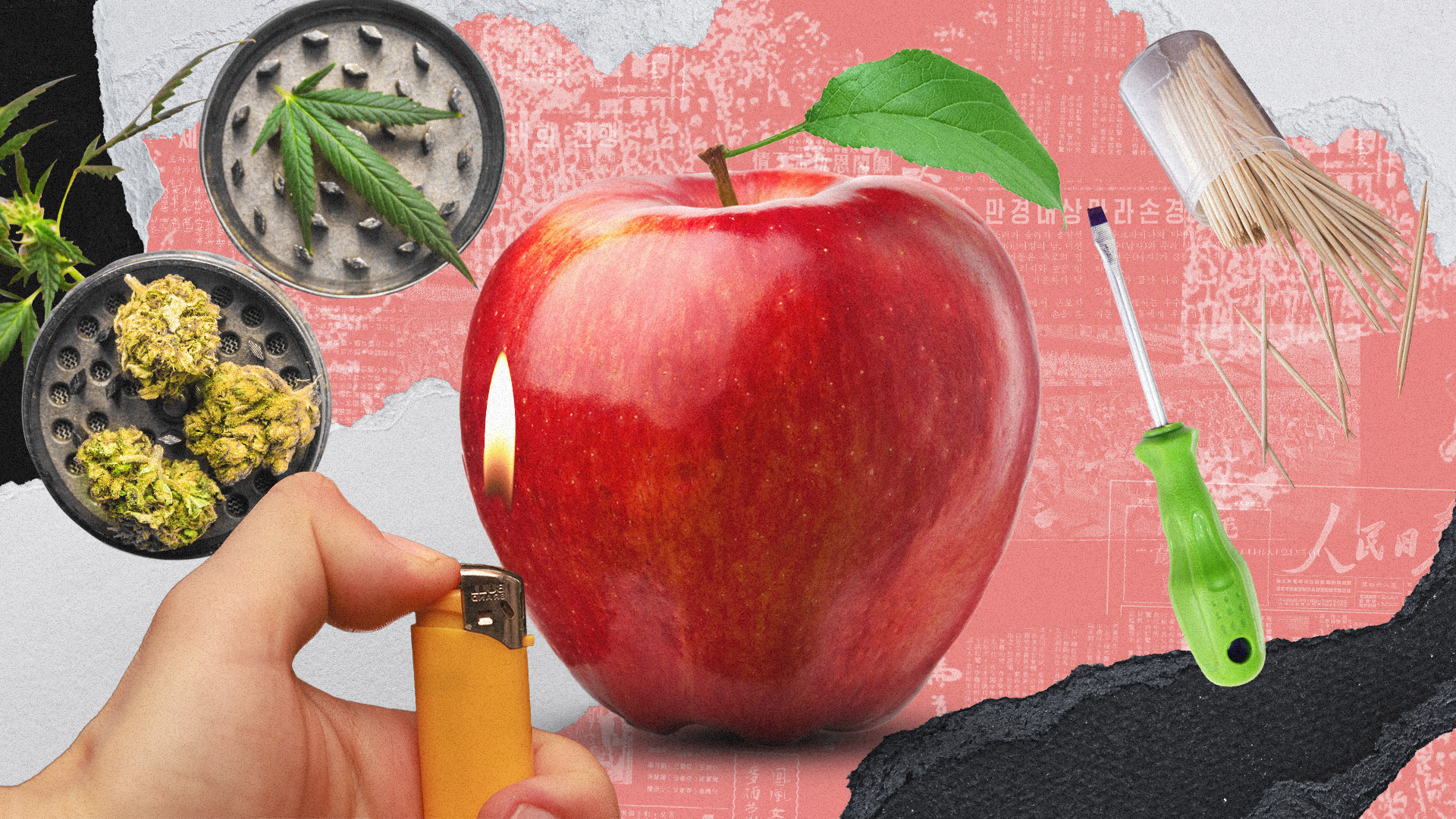
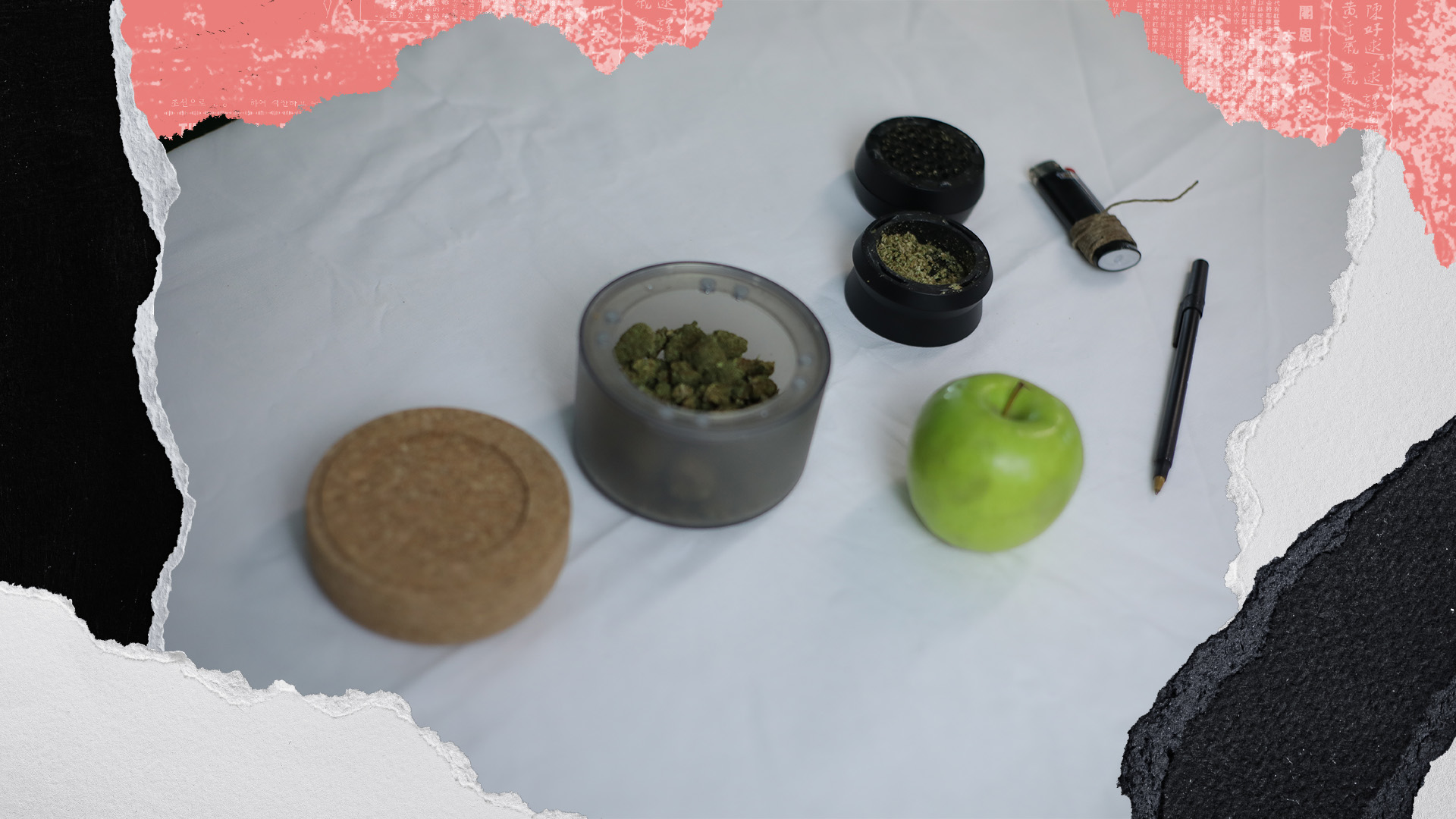
A screwdriver, pencil, or hollowed-out pen – just something sharp
A toothpick
Cannabis flower
A lighter
2. Remove the Stem
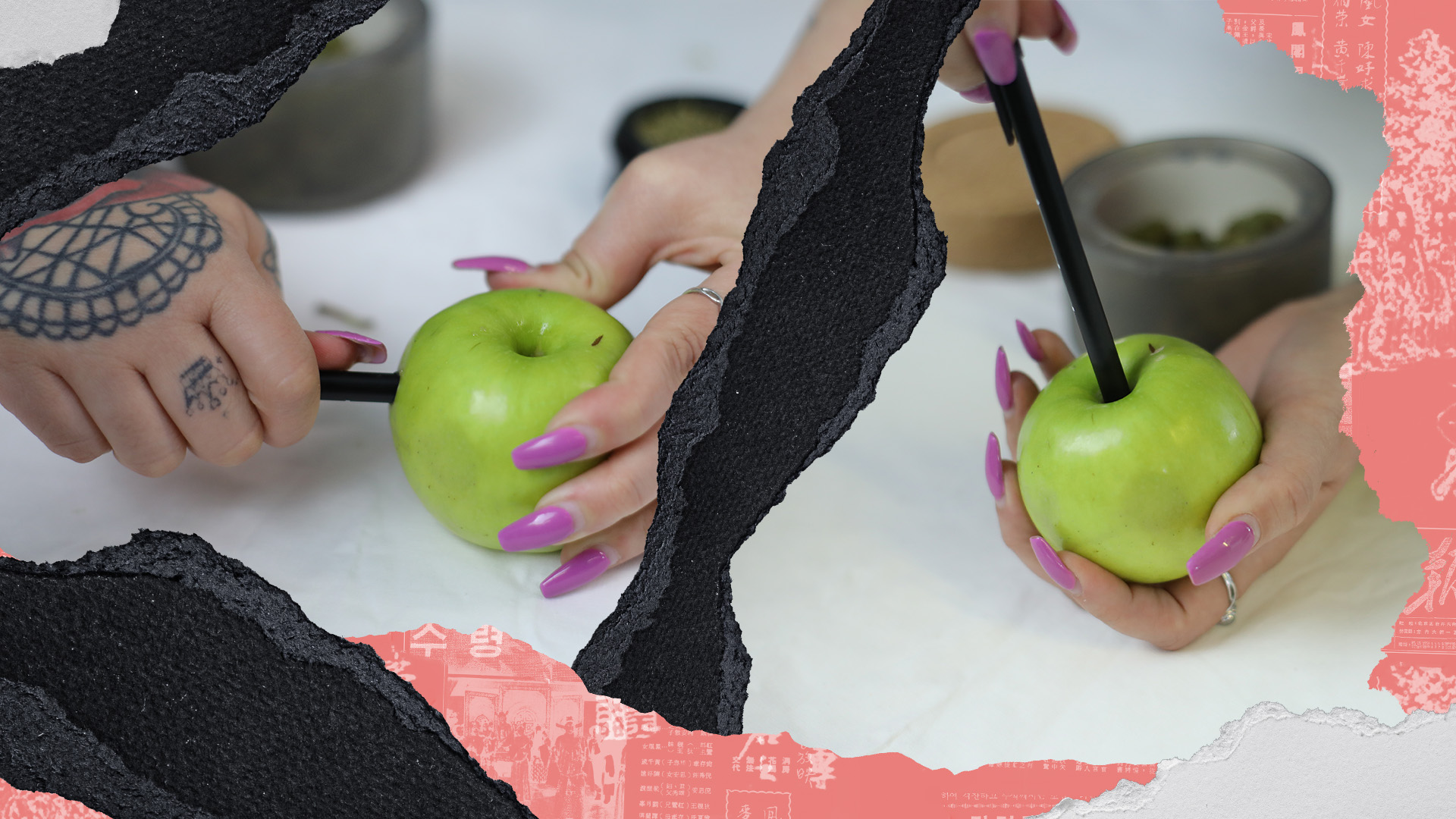
First, twist and pluck out the apple stem all the way to the base. The top of the apple will serve as a natural bowl to pack your ground cannabis flower in when you finish the pipe.
3. Make a hole across the apple
Using your sharp tool (screwdriver, pencil, or pen with ink removed), drive a hole crosswise through the center of the apple. With one end acting as the mouthpiece and the other as the carb, this hole will serve as the main channel for smoke to flow through.
5. Test airflow
Choose which hole will be your mouthpiece for the pipe. Then, breathe into the mouthpiece and feel whether air is pulling through the holes in the top of the apple. If air is not passing through, you may need to enlarge the holes or poke more holes in the bowl
6. Smoking your apple pipe
Now that you have crafted your smoking device, it is time to smoke from it! Pack your cannabis flowers into the depression at the top of the apple, where you poked your small toothpick holes. Then, light the cannabis flower on top while inhaling through the mouthpiece on the side with one finger over the carb. When you are finished with your smoke session, simply discard the apple into the trash or compost. Note: Eating the apple is not recommended.
>> Learn more about packing the perfect cannabis bowl with our easy guide.
Wasn’t that easy? Crafting a pipe out of an apple is not only a fun DIY project, but it is also an environmentally conscious way to smoke using biodegradable materials. Now, you can turn a common tasty fruit into a smoking device that is flavorful, eco-friendly, and quick to clean up. Whether you’re an experienced smoker looking for a new trick or a novice looking for an easy starter pipe, the apple pipe offers a novel and natural alternative for those seeking a unique smoking experience.
Why Do People Look Up How to Make an Apple Pipe?
Making an apple pipe often happens out of necessity when traditional smoking devices or rolling papers are unavailable. Apples are inexpensive, easy to find, and disposable, which makes them a common choice for pipe improvisation. Because the pipe is biodegradable and requires no cleanup beyond discarding it, some people also view it as a discreet option.
Some people also search for how to make apple pipes because of the novelty or nostalgic experience it creates. The apple method can add a mild, fruity flavor to the smoke, making the experience feel different from using glass or metal devices. Others may view apple pipes as a safer, more natural alternative to makeshift devices made from plastics or foil, which can release harmful compounds when heated.
Is Making an Apple Pipe Legal in the United States?
Making an apple pipe is not automatically illegal because an apple is a common household item with many legitimate uses. Legal issues arise once there is clear intent or evidence that the apple is being used to consume cannabis or another controlled substance illegally. At that point, it may qualify as drug paraphernalia under federal or state law.
Drug paraphernalia laws vary by state, but generally cover any item primarily intended or adapted for drug use. Improvised devices, such as apple pipes, soda cans, or foil, can fall into this category if they show signs of modification, residue, or burn marks. Federal law primarily targets drug distribution and interstate commerce, but certain states continue to regulate the possession or use of cannabis smoking devices.
Some states can treat paraphernalia possession as a minor offense with fines, while others classify it as a misdemeanor with potential jail time. In states with legal recreational cannabis, adults of legal age are generally allowed to possess smoking devices, including improvised ones, as long as they comply with local laws.
What Are the Health and Safety Concerns with Using an Apple Pipe?
Using an apple pipe may seem like a natural or straightforward option. However, it still comes with its own set of easily overlooked health and safety concerns.
Combustion of Fruit Sugars and Fibers
Compared to plastic- or aluminum-made devices, an apple pipe may seem like the more natural option. But when you apply a flame to an apple, you still burn more than cannabis.
The heat combusts the fruit’s natural sugars and fibers, including glucose, fructose, and cellulose. This creates harmful byproducts that you inhale along with the smoke.
Exposure to Toxic and Carcinogenic Compounds
Burning fruit sugars releases toxic compounds, including formaldehyde, acetaldehyde, acrolein, and furfural. High-temperature combustion of plant material can also produce polycyclic aromatic hydrocarbons (PAHs), which researchers associate with increased cancer risk. These substances add to the respiratory health risks already linked to smoking.
Pesticides and Chemical Residues
Apples often receive pesticide treatments during growth. If the fruit is not thoroughly washed or peeled, heat can vaporize pesticide residue. Inhaling pesticides poses a greater risk than ingesting trace amounts, because the lungs absorb chemicals directly into the bloodstream.
Wax Coatings on Store-Bought Apples
Commercial apples are often wax-coated to preserve freshness. While these waxes are considered safe to eat, they are not meant for inhalation. Some coatings can trap pesticides or dirt, and certain industrial waxes may release harmful fumes when heated.
Hygiene and Biological Risks
Apples are moist, organic materials that begin to oxidize and decay once carved. Reusing an apple pipe increases the risk of mold or bacterial exposure. Sharing a homemade pipe can also make it easier to spread germs.
Increased Respiratory Irritation
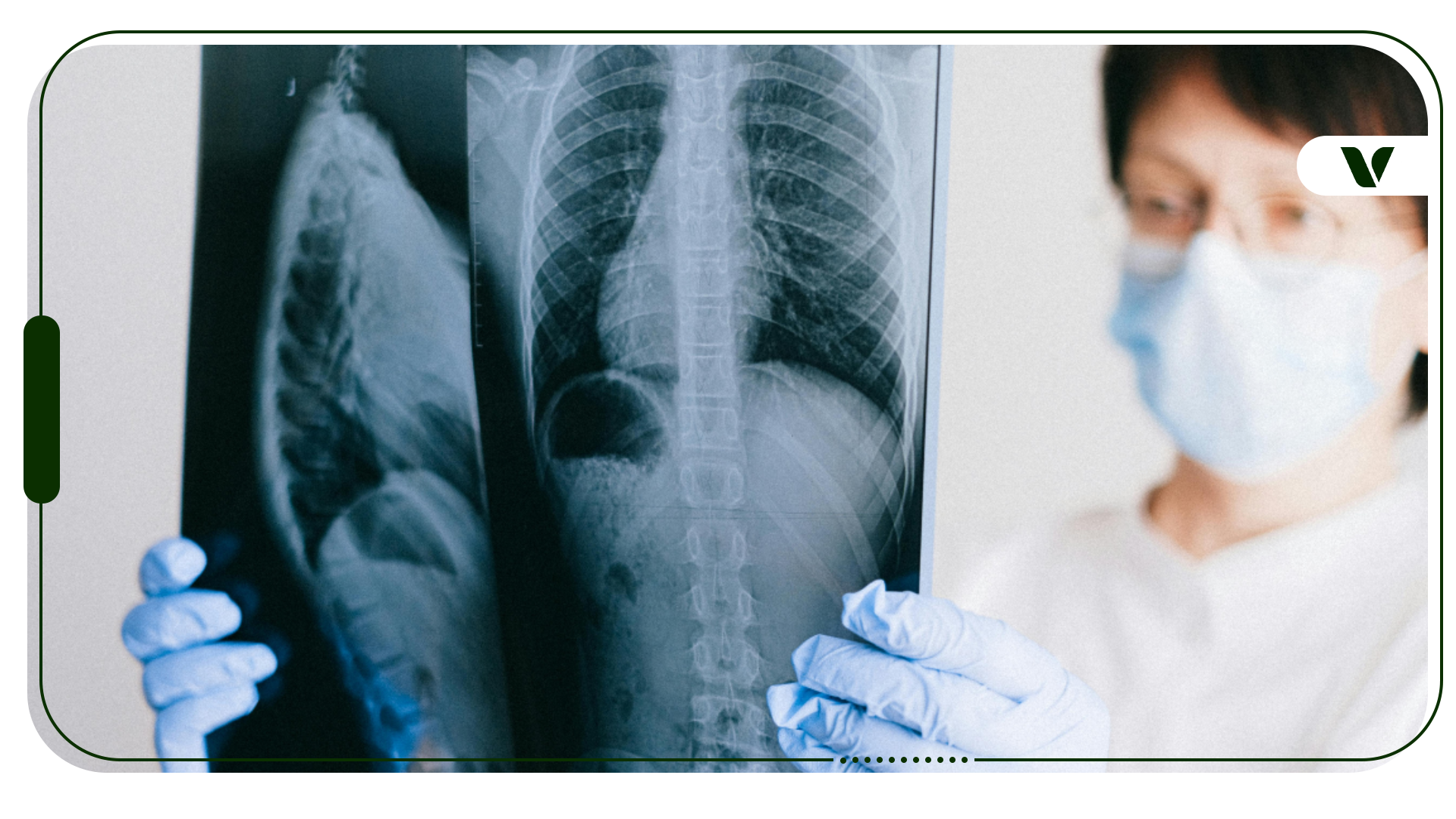
Smoke from an apple pipe often feels harsher than smoking from a glass device. Burning fruit produces additional gases and moisture that can increase coughing, throat irritation, and chest discomfort, especially for people with sensitive airways or existing respiratory conditions.
Are There Safer Alternatives to Smoking Cannabis for Medical Users?
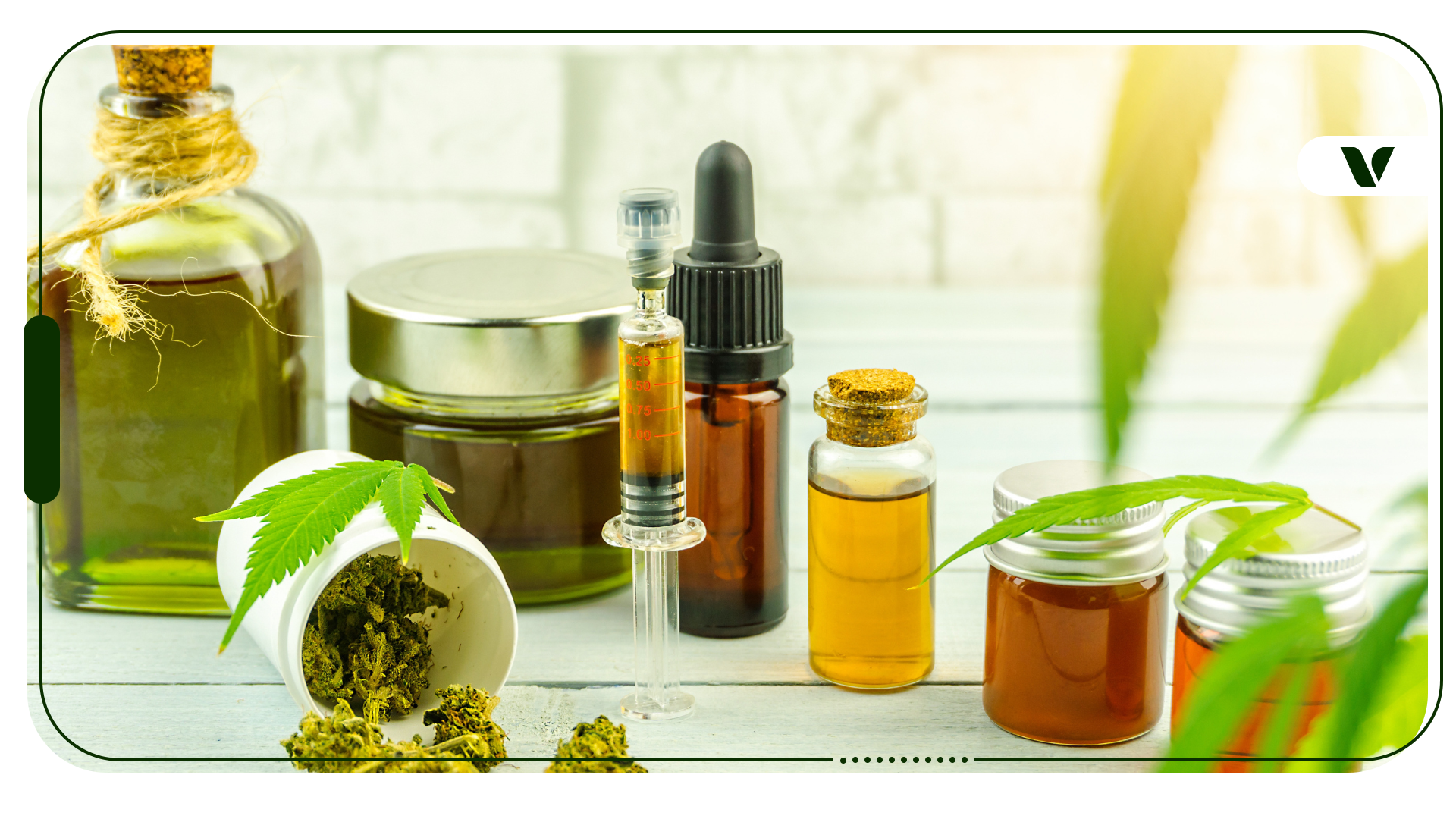
Many medical professionals recommend smoke-free cannabis options to reduce respiratory irritation and exposure to combustion byproducts. These methods avoid burning plant material and often provide more predictable dosing, which matters for medical users.
Vaporization
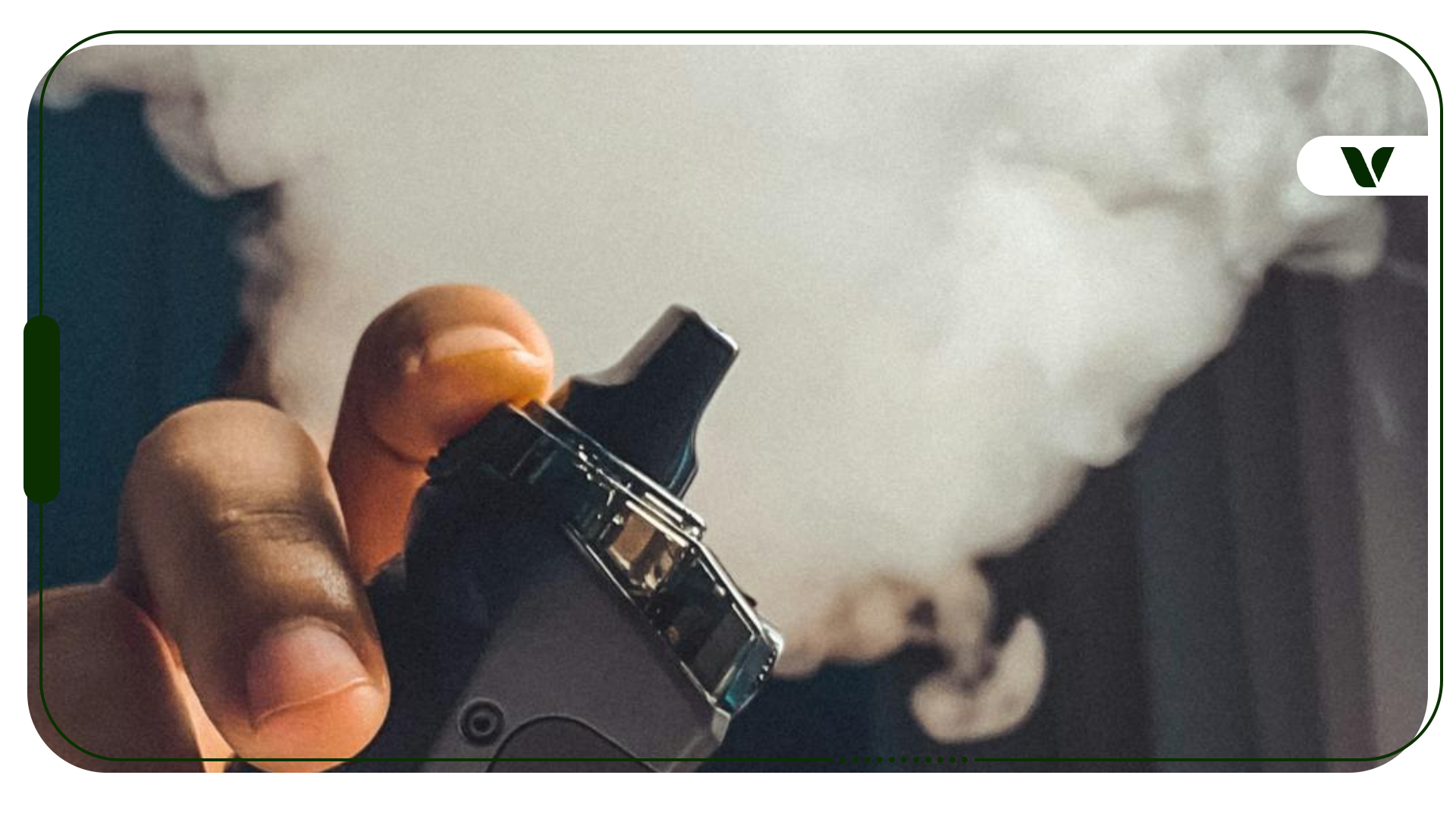
Vaporization heats cannabis without burning it, which reduces exposure to tar and other combustion-related toxins. Some methods, such as dry herb vaporizers, still feel similar to smoking but preserve more cannabinoids and terpenes than vape pens while offering a faster onset than edibles.
Edibles
Edibles deliver cannabinoids through digestion, which bypasses the lungs entirely. They provide longer-lasting effects but take more time to kick in, so careful dosing is essential. Edibles can be bought at a dispensary or homemade.
Cannabis Beverages
Infused cannabis drinks act like edibles but often take effect faster because the body absorbs liquids more quickly. They offer a discreet, smoke-free option.
Capsules
Capsules provide precise, measured doses without sugar, allergens, or smoke. They suit people who want consistency and simplicity, though effects typically take longer to achieve.
Tinctures and Sublingual Oils
Tinctures absorb under the tongue for quicker onset than edibles while still avoiding the need to smoke cannabis. They allow flexible dosing and often include full-spectrum cannabinoids.
Topicals and Transdermal Patches
Topicals and patches deliver cannabinoids through the skin without producing a high. They work well for localized pain or steady symptom management throughout the day.
How Can a Medical Marijuana Doctor Help You Choose a Safer Consumption Method?
A medical marijuana doctor helps patients reduce health risks while still getting effective symptom relief. Instead of focusing only on short-term effects, many doctors now take a long-term wellness approach that prioritizes safety, consistency, and personalization.
Doctors start by reviewing your medical history, current symptoms, and any medications you take. This assessment helps them identify potential risks, such as lung irritation from smoking, overconsumption from edibles, or adverse reactions to high-THC products. From there, they recommend safer consumption methods that better match your needs.
Medical marijuana doctors also guide patients toward smoke-free options like tinctures, capsules, edibles, or topicals when inhalation poses concerns. For faster relief, they may suggest carefully controlled vaporization rather than smoking. They help patients understand cannabinoid ratios, terpene profiles, and potency so products support symptom relief without unwanted side effects.
Dosing guidance plays a significant role. A “start low, go slow” approach to dosing can help patients avoid common issues like accidental overuse or tolerance buildup. Many also encourage symptom tracking so adjustments can happen over time, creating a safer and more effective treatment plan.
Frequently Asked Questions
Is an apple pipe considered drug paraphernalia under US law?
An apple becomes drug paraphernalia once there is clear intent or evidence that it is used to consume cannabis, such as burn marks or residue. Laws vary by state, and penalties depend on local regulations and cannabis legality.
Can using an apple pipe cause irritation or health issues?
Burning fruit releases additional compounds beyond cannabis smoke, which can irritate the throat and lungs. Moisture, sugars, pesticides, and wax coatings can all contribute to harsher smoke and respiratory discomfort.
Does smoking cannabis from fruit affect potency or dosage control?
Apple pipes do not provide consistent airflow or temperature control, leading to unpredictable dosing. This inconsistency matters most for people using cannabis for medical purposes.
Are apple pipes safer or riskier than traditional smoking devices?
Apple pipes avoid plastics and metals, but they still carry their own set of health risks. Burning fruit introduces extra byproducts that glass pipes do not. While they may seem “natural,” they are not risk-free.
Can medical marijuana patients use non-smoking methods instead?
Many medical cannabis patients choose smoke-free methods such as tinctures, edibles, capsules, vaporization, or beverages to reduce lung irritation and improve dosing control.
Do I need a medical marijuana card to legally use cannabis?
That depends on your state. In medical-only states, you typically need a valid medical marijuana card. In adult-use states, legal access depends on age and local regulations.
Can a medical marijuana doctor recommend safer ways to consume cannabis?
A medical marijuana doctor can help patients choose safer consumption methods based on their symptoms, health history, and tolerance. This guidance helps reduce risks and improve outcomes.
Are edibles or tinctures better alternatives than smoking?
There are numerous alternatives to smoking when consuming cannabis. Edibles and tinctures avoid lung exposure entirely and offer more consistent dosing. Tinctures act faster than edibles, while edibles provide longer-lasting effects.
Can you get guidance from a medical marijuana doctor online?
Many medical cannabis patients consult a medical marijuana doctor online to discuss consumption methods, dosing, and whether cannabis fits their treatment plan.
When should someone avoid smoking cannabis altogether?
People with respiratory conditions, frequent coughing, lung sensitivity, or concerns about long-term lung health often benefit from avoiding smoking. Smoke-free options may offer safer alternatives.
Sarah Welk Baynum is a Columbus, Ohio based published fiction author and experienced freelance writer specializing in long-form content. When she isn't working on her next novel or writing for her clients, she enjoys spending time riding and competing in showjumping or eventing with her two horses, Tilly and Letty.
Reclaim edibles are re-purposed leftovers. You see that sticky residue sitting in your dab rig? Take a look, it is there. With a teensy bit of creativity, you can actually transform it into something amazing. The downside? Probably won’t hit exactly like fresh cannabis and won’t taste great either. However, if for whatever reason you…
In the school of life, tetrahydrocannabinol (THC), the most popular intoxicating cannabis compound, is like the popular kid everyone knows by name. The center of attention, always getting talked about, and highly sought after. Cannabidiol (CBD), on the other hand, gets a little less love. It’s more like the quiet honor student: low-key, non-intoxicating, rarely…
In the confusing landscape of state-by-state medical marijuana legalization and federal prohibition lies a patient’s pursuit of a better quality of life, balanced with an unrestricted financial livelihood. In workplaces across many different medical marijuana legal states, no law guarantees that a valid, card-carrying MMJ patient status exempts an employee from termination or discrimination stemming…
An alarming trend has recently come to light: more non-smokers are getting lung cancer than ever before. Given that lung cancer is the most common worldwide and the leading cause of cancer death, you may be worried about the implications of your cannabis habits. How much does cannabis contribute to lung cancer risk? According to…
It feels like every other day, a fresh slang term pops up in the cannabis lexicon, and today, we’re looking at an entry that’s all over TikTok and Reddit – Yart! Spoiler alert: it has everything to do with the humble vape cart (and how challenging it is to talk about cannabis on social media). …
The statements made regarding cannabis products on this website have not been evaluated by the Food and Drug Administration (FDA). Cannabis is not an FDA-approved substance and is still illegal under federal law. The information provided on this website is intended for educational purposes only and is not intended to diagnose, treat, cure, or prevent any disease. It is not intended as medical advice and should not be considered as a substitute for advice from a healthcare professional. We strongly recommend that you consult with a physician or other qualified healthcare provider before using any cannabis products. The use of any information provided on this website is solely at your own risk.