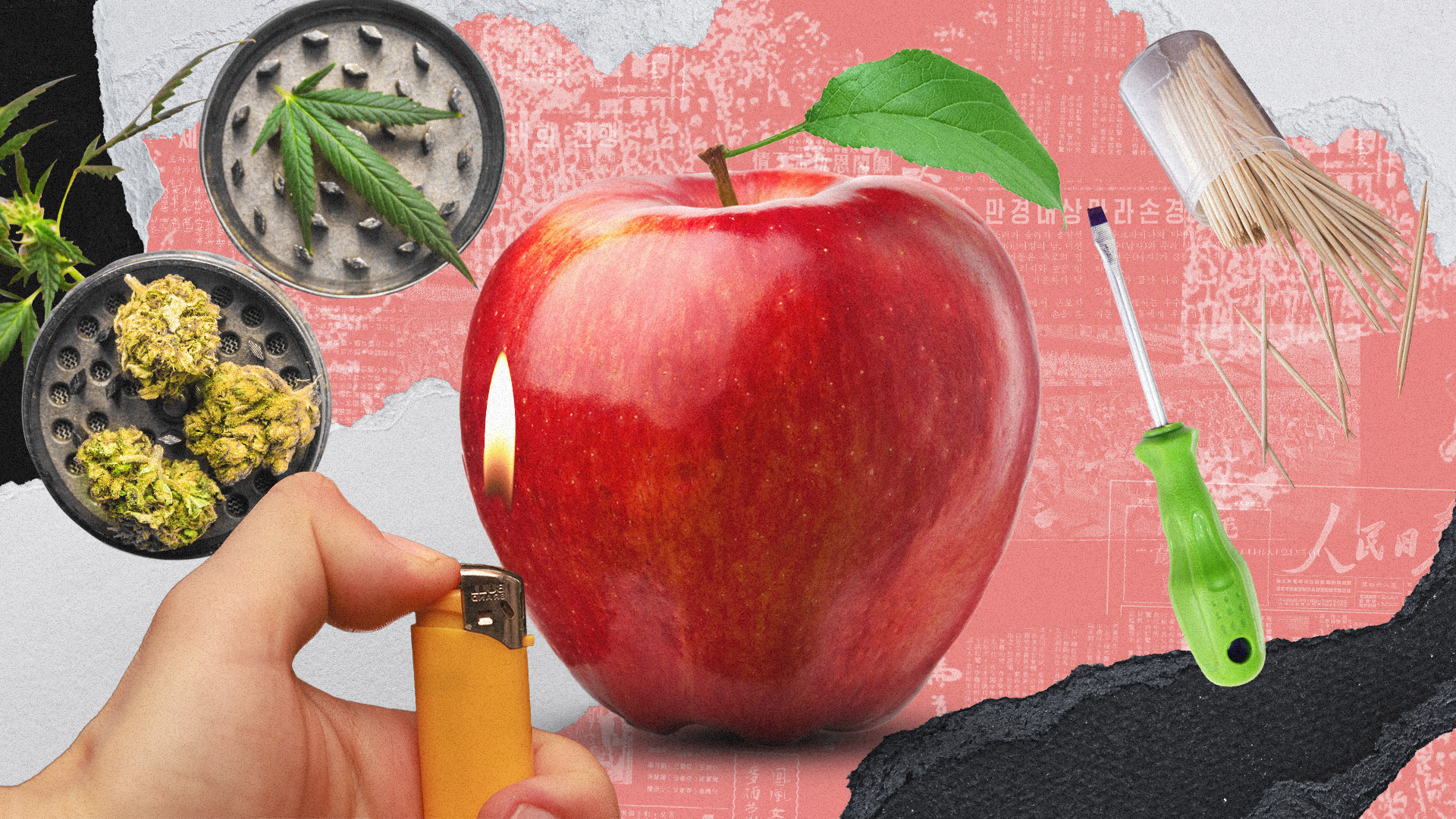
An apple pipe is a homemade smoking device made from a fresh apple that provides a natural, disposable alternative to traditional pipes. You carve holes through the apple to create airflow, turning it into a functional smoking instrument that adds a subtle fruity flavor to your cannabis.
This method has become popular because apples are readily available, easy to prepare, and completely biodegradable after use. The natural sugars in the apple can complement the flavor profile of your cannabis, though there are important health and safety considerations to understand before trying this method.
Here’s everything you need to know about making and using an apple pipe safely and effectively.
1. Gather Supplies
You’ll need just a few basic items to create your apple pipe. Choose a firm, medium-sized apple like Granny Smith or Honeycrisp – softer varieties like Red Delicious may collapse during carving or use.
Essential tools include a knife or apple corer for removing the stem, a pen or pencil for creating the main holes, and a toothpick for fine-tuning airflow. You’ll also want paper towels for cleanup and your cannabis ready to go.
The apple should feel solid when you press on it gently. Bruised or overly ripe apples won’t hold their structure during the carving process, which can lead to collapsed walls or blocked airflow channels.
2. Remove the Stem
Start by twisting and pulling out the apple stem, or use a knife to cut around it and remove the stem portion completely. This creates the bowl area where you’ll pack your cannabis.
Carve out a small depression about half an inch deep where the stem was, widening it slightly to create a proper bowl shape. The walls should be thick enough to prevent burning through too quickly – aim for about a quarter-inch thickness.
Clean out any loose apple pieces from this area with a toothpick. The bowl should be smooth and deep enough to hold your cannabis securely without it falling through to the main chamber.
3. Make a Hole Across the Apple
Use a pen or pencil to create the main airflow channel by pushing straight through the apple from one side to the other, passing just below the bowl you created in step 2. This hole should be about pencil-width in diameter.
Push the pen through until it emerges on the opposite side, creating a clean tunnel that connects both sides of the apple. Twist the pen slightly as you push to smooth the walls of the tunnel and remove any apple pieces that might block airflow.
The tunnel should pass roughly through the center of the apple, positioned so it intersects with the bottom of your stem bowl. Test the positioning by looking down into the bowl – you should see light coming through the tunnel.
4. Create the Carb Hole
Create a carb hole by using your pen to make a third hole on the front face of the apple, connecting to the main tunnel you made in step 3. This hole should be smaller than the main tunnel – about the width of a pencil tip.
Position the carb hole where your thumb will naturally rest when holding the apple. This is typically on the front face, about halfway between the main tunnel and the bottom of the apple.
The carb hole controls airflow during smoking – you’ll cover it with your thumb while lighting and inhaling, then release it to clear the chamber. Make sure it connects cleanly to the main tunnel without any apple pieces blocking the junction.
5. Test Airflow
Before adding cannabis, test your apple pipe by blowing gently through one end of the main tunnel while covering and uncovering the carb hole with your thumb. You should feel air flowing freely through the system when the carb is uncovered.
If airflow feels restricted, use a toothpick to clear any apple pieces from the tunnels or widen the passages slightly. The air should move smoothly from the bowl, through the tunnels, and out the mouthpiece end.
Check that no apple juice is pooling in the tunnel by turning the apple over and gently shaking out any liquid. Excess moisture can interfere with proper burning and create harsh smoke.
6. Smoking Your Apple Pipe
Pack your cannabis loosely into the bowl area, leaving enough space for air to flow through. Avoid packing too tightly, as this can restrict airflow and make the pipe difficult to use.
Hold the apple with the mouthpiece end toward your lips and your thumb covering the carb hole. Light the cannabis in the bowl while drawing gently to get it started. Once lit, release the carb hole to clear the chamber and take your hit.
The apple will add a subtle sweet flavor to the smoke, though this becomes less noticeable as the session continues. Be prepared to dispose of the apple after use, as it’s not practical to clean or reuse like traditional glass pipes.
Tips for Better Apple Pipe Performance
Firm apples outperform soft varieties in almost every way. They carve cleanly, hold their shape under heat, and resist moisture buildup. Here are some other factors to consider.
- Choose the right apple variety: Firm apples like Granny Smith, Honeycrisp, or Gala hold their structure better than soft varieties like Red Delicious or Golden Delicious
- Keep the walls thick: Leave at least a quarter-inch of apple flesh around all holes to prevent burn-through during use
- Clear moisture regularly: Apple juice can accumulate in the tunnels, so tip the pipe and shake out liquid between hits
- Use moderate heat: Apply flame gently to avoid charring the apple bowl, which can create harsh, unpleasant flavors
- Pack loosely: Dense packing restricts airflow through the already narrow apple tunnels
- Work quickly: Carved apples begin to brown and soften within 30-60 minutes, so prepare your pipe close to when you plan to use it
Fresh apples work significantly better than older ones. If your apple feels soft when you press it gently, choose a different one – soft apples are more likely to collapse during carving or use.
Alternative Fruit Pipes and DIY Options
Apples aren’t the only fruit that can be turned into a smoking device, though each option has distinct advantages and challenges worth considering.
Pears work similarly to apples but tend to be softer, making them harder to carve precisely and more prone to structural failure. Potatoes create more durable pipes due to their density, but they lack the pleasant flavor addition that fruit provides. Some users experiment with oranges or large strawberries, though these are typically too soft or small to be practical.
The table below compares common DIY pipe materials and their relative pros and cons:
| Material |
Durability |
Flavor Impact |
Carving Difficulty |
Reusability |
| Apple |
Moderate |
Sweet, pleasant |
Easy |
Single use |
| Pear |
Low |
Mild, sweet |
Easy |
Single use |
| Potato |
High |
Neutral |
Moderate |
Single use |
| Orange |
Very low |
Citrus, strong |
Difficult |
Single use |
| Large carrot |
High |
Earthy |
Moderate |
Single use |
Corn husks and large leaves have also been used as rolling paper alternatives. However, they require different preparation techniques and carry their own safety considerations.
Why Make an Apple Pipe?
Apple pipes appeal to cannabis users for several practical reasons, particularly in situations where traditional smoking equipment isn’t available or desirable.
The primary advantage is availability – apples are found in most kitchens and grocery stores, making this method accessible when you don’t have rolling papers or a regular pipe on hand. The fruit also provides complete discretion since a carved apple can be disposed of immediately after use, leaving no equipment that needs to be stored or cleaned.
Many users appreciate the subtle flavor enhancement that apple pipes provide. The natural fruit sugars interact with cannabis smoke to create a smoother, slightly sweeter experience compared to glass or metal pipes. This can be particularly appealing for newer users who find straight cannabis smoke harsh.
From a practical standpoint, apple pipes require no investment in equipment and involve no long-term commitment to any particular smoking method. They’re also biodegradable, which appeals to environmentally conscious users who want to minimize their impact.
Legal Considerations for Apple Pipes
The legality of apple pipes depends entirely on what you use them for and where you’re located, since the apple itself isn’t the legal issue – the cannabis is.
In states where cannabis is legal for medical or recreational use, using an apple pipe falls under the same regulations as any other consumption method. You must be of legal age, stay within possession limits, and consume only in permitted locations. The temporary nature of fruit pipes doesn’t change these fundamental requirements.
Federally, cannabis remains illegal regardless of the device used to consume it. However, paraphernalia laws typically focus on manufactured drug equipment rather than improvised items like fruit. An apple with holes carved in it would be difficult to classify as drug paraphernalia without cannabis present.
The key legal consideration is that apple pipes don’t provide any special protection if you’re in a location where cannabis possession or use is prohibited. The disposal advantage helps with discretion, but doesn’t change the underlying legal status of the activity.
What Are the Health and Safety Concerns with Using an Apple Pipe?
While apple pipes offer a natural alternative to manufactured pieces, there are some health considerations to keep in mind when using this method.
The primary concerns center around what happens when you burn organic plant material along with your cannabis. Apples contain natural sugars and fibers that weren’t designed to be combusted and inhaled, potentially creating compounds that can irritate your respiratory system.
Combustion of Fruit Sugars and Fibers
When heated, the natural sugars in apple flesh caramelize and eventually burn, producing compounds like aldehydes and organic acids that can be harsh on your lungs. This process intensifies as the apple bowl gets hot from repeated use.
The cellulose fibers in apple flesh also break down under heat, potentially releasing additional particles into the smoke. While these aren’t as concerning as synthetic materials, they still represent foreign matter entering your respiratory system.
Exposure to Toxic and Carcinogenic Compounds
Burning any organic material creates some level of potentially harmful compounds. Apples produce fewer concerning byproducts than synthetic materials, but the combustion process still generates carbon monoxide and various organic compounds that aren’t ideal to inhale regularly.
Research on fruit combustion is limited compared to tobacco or cannabis combustion studies, making it difficult to quantify the exact risks involved with apple pipe use.
Pesticides and Chemical Residues
Conventionally grown apples often carry pesticide residues that concentrate in the skin and outer flesh layers – exactly where you’re carving your pipe. These chemicals aren’t meant to be heated and inhaled, potentially creating unknown health risks.
Choosing organic apples reduces but doesn’t eliminate this concern, as even organic growing permits certain approved chemicals that may still pose risks when combusted.
Wax Coatings on Store-Bought Apples
Many commercial apples are coated with food-grade wax to maintain appearance and extend shelf life. While these waxes are safe to eat, heating them to combustion temperatures can break them down into potentially harmful compounds.
Thoroughly washing apples before use helps remove surface wax, though some may penetrate slightly into the fruit surface and be difficult to eliminate completely.
Hygiene and Biological Risks
Apples provide an organic environment where bacteria and mold can grow, particularly once the protective skin is broken during carving. Using a fresh apple and disposing of it immediately after use minimizes this risk, but extended exposure to moisture and heat can accelerate bacterial growth.
The porous nature of apple flesh can also trap residue and moisture in ways that are impossible to clean, unlike glass or metal pipes that can be properly sanitized.
Increased Respiratory Irritation
The combination of cannabis combustion byproducts and apple combustion byproducts may increase respiratory irritation compared to using clean glass or vaporization methods. Users with asthma, chronic bronchitis, or other respiratory conditions should be particularly cautious.
The irregular burning pattern of organic apple material can also create hot spots and inconsistent temperatures, potentially leading to harsher smoke than more controlled combustion methods.
Are There Safer Alternatives to Smoking Cannabis for Medical Users?
Medical cannabis patients have access to numerous consumption methods that offer better dosage control and reduced health risks compared to smoking, whether from apple pipes or traditional methods.
These alternatives eliminate the combustion process entirely, removing concerns about inhaling byproducts from burning plant material while often providing more predictable and longer-lasting effects.
Vaporization
Dry herb vaporizers heat cannabis to temperatures that release active compounds without triggering combustion, typically between 350-400°F. This eliminates most harmful byproducts while preserving the full spectrum of cannabinoids and terpenes.
Desktop vaporizers offer precise temperature control and efficient extraction, while portable units provide discretion and convenience. Both options allow you to experience the full flavor profile of your cannabis without the harshness associated with smoke.
Edibles
Cannabis-infused foods provide long-lasting effects that can be ideal for managing chronic conditions. Edibles typically take 30-90 minutes to take effect but can provide relief for 4-8 hours, making them suitable for all-day symptom management.
Dosage control requires patience and careful attention to labeling, as effects build gradually and can be stronger than expected. Starting with low doses and waiting for full effects before consuming more is essential for safe use.
Cannabis Beverages
Liquid cannabis products often have faster onset times than traditional edibles, typically taking effect within 15-45 minutes. They offer precise dosing and can be easier to control than homemade edibles.
Many cannabis beverages are designed to be low-calorie and sugar-free, making them suitable for patients who need to monitor their dietary intake for health reasons.
Capsules
Cannabis capsules provide the most precise dosing available, with each unit containing specific amounts of THC, CBD, or other cannabinoids. This consistency makes them ideal for patients who need reliable, repeated dosing for medical conditions.
The effects typically last 4-6 hours and begin within 30-60 minutes, providing a middle ground between smoking’s quick onset and edibles’ longer duration.
Tinctures and Sublingual Oils
Tinctures applied under the tongue offer rapid onset (15-30 minutes) combined with precise dosing control. Sublingual absorption bypasses the digestive system, providing more predictable effects than edibles.
These products often come with measured droppers that allow patients to fine-tune their dosage over time, finding the minimum effective amount for their specific needs.
Topicals and Transdermal Patches
For localized pain and inflammation, cannabis topicals provide targeted relief without psychoactive effects. Creams, balms, and patches can be applied directly to problem areas for focused treatment.
Transdermal patches offer controlled release over extended periods, making them suitable for chronic pain management without the need for repeated dosing throughout the day.
For those exploring different ways to consume cannabis beyond smoking, these methods often provide more consistent therapeutic benefits with fewer health risks.
How Can a Medical Marijuana Doctor Help You Choose a Safer Consumption Method?
Medical marijuana doctors specialize in cannabis therapeutics and can provide personalized guidance based on your specific health needs, current medications, and treatment goals.
During a consultation, these physicians evaluate your medical history, current symptoms, and any concerns about smoking or other consumption methods. They can recommend specific products, dosages, and delivery methods that align with your health priorities while maximizing therapeutic benefits.
Many patients discover that their assumed preferences don’t match what works best for their conditions. A doctor experienced in cannabis medicine can help identify safer consumption methods that provide better symptom control with fewer side effects.
If you’re interested in exploring medical cannabis options with professional guidance, you can find a qualified doctor who can help you navigate the various consumption methods safely and legally.
Note: The content on this page is for informational purposes only and is not intended to be professional medical advice. Do not attempt to self-diagnose or prescribe treatment based on the information provided. Always consult a physician before making any decision on the treatment of a medical condition.
Note: Veriheal does not support illegally consuming therapeutic substances such as cannabis but acknowledges that it transpires because of the current illicit status, which we strive to change by advocating for research, legal access, and responsible consumption. Always consult a physician before attempting alternative therapies.
Frequently Asked Questions
Is an apple pipe considered drug paraphernalia under US law?
Apple pipes exist in a legal gray area since they’re improvised from natural materials rather than manufactured for drug use. However, if found with cannabis residue, they could potentially be considered paraphernalia depending on state laws and circumstances.
Can using an apple pipe cause irritation or health issues?
Yes, burning apple material creates compounds not meant for inhalation, including fruit sugars and potential pesticide residues. Users with respiratory conditions should be particularly cautious about increased irritation compared to cleaner methods.
Does smoking cannabis from fruit affect potency or dosage control?
Apple pipes also make dosage control harder than glass pipes you can clean between sessions. This is due to the challenge of uneven burning.
Are apple pipes safer or riskier than traditional smoking devices?
Apple pipes eliminate concerns about synthetic materials but introduce risks from burning fruit sugars, potential pesticides, and bacterial growth. Glass and ceramic pipes carry fewer combustion-related risks for regular use.
Can medical marijuana patients use non-smoking methods instead?
Medical patients have access to numerous smoke-free options including vaporizers, edibles, tinctures, and topicals that often provide better therapeutic control. Many doctors recommend these alternatives for long-term treatment plans.
Do I need a medical marijuana card to legally use cannabis?
Legal requirements vary by state – some allow recreational use while others require medical cards. Check your local laws, as card requirements, possession limits, and usage locations differ significantly between jurisdictions.
Can a medical marijuana doctor recommend safer ways to consume cannabis?
Yes, cannabis-specialized physicians can evaluate your health needs and recommend consumption methods that maximize benefits while minimizing risks. They consider your medical history, current medications, and treatment goals.
Are edibles or tinctures better alternatives than smoking?
For many medical patients, yes – edibles and tinctures offer precise dosing, longer-lasting effects, and eliminate respiratory risks. However, they have slower onset times and different effect profiles that may not suit every condition.
Can you get guidance from a medical marijuana doctor online?
Many states now allow telemedicine consultations for medical marijuana evaluations and follow-ups. Online consultations can provide access to specialized physicians who understand cannabis therapeutics.
When should someone avoid smoking cannabis altogether?
People with asthma, COPD, other respiratory conditions, or compromised immune systems should generally avoid smoking. Pregnant or nursing women and individuals taking certain medications should also consider smoke-free alternatives.
Author, Share & Comments