Your medical cannabis journey simplified: find partnered dispensaries, explore pricing options, earn rewards, and get answers to FAQs, all in one spot.
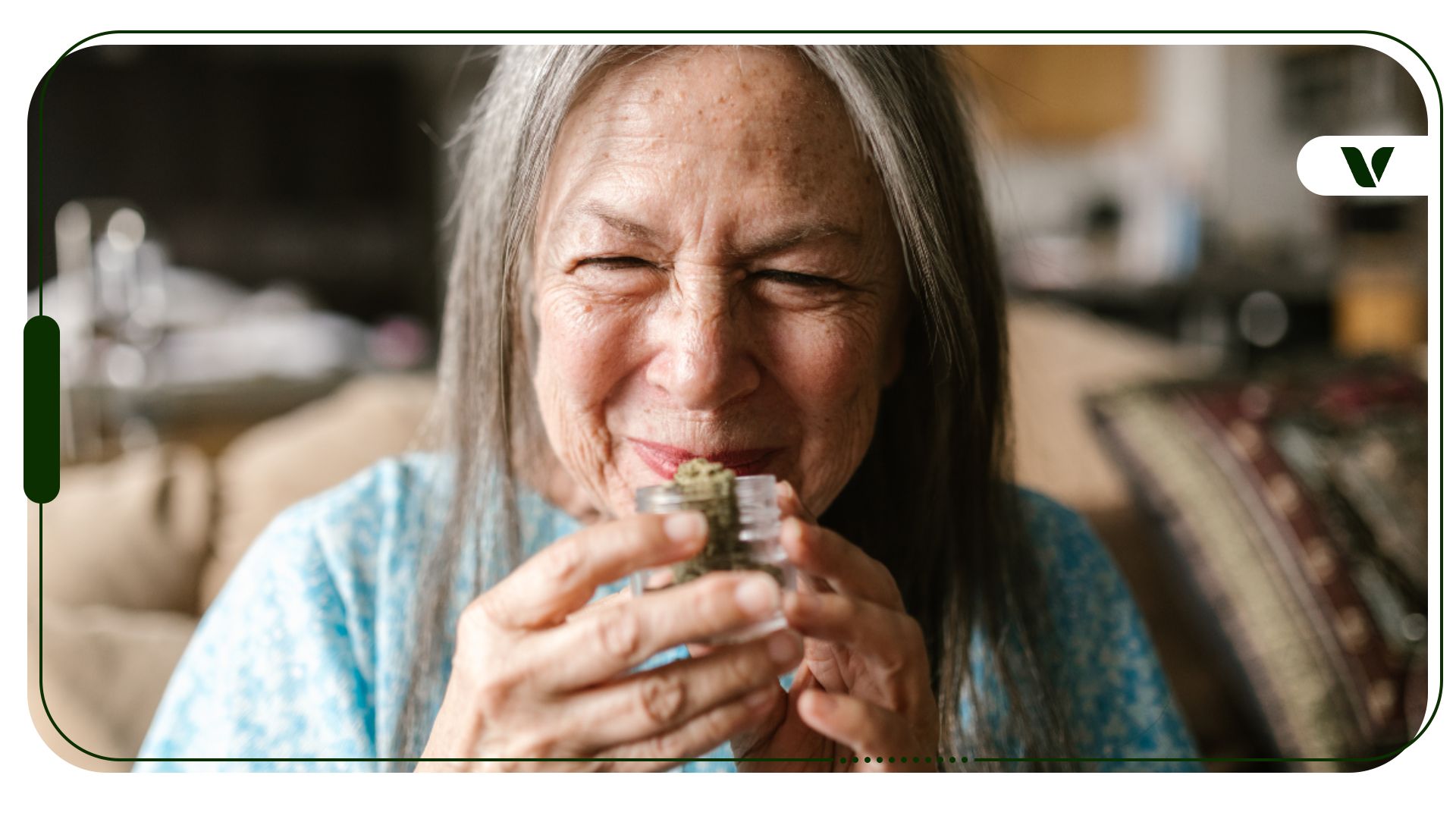
Talking to your family about cannabis can be difficult. You’re often battling with generations of stigma and the impacts of changing social norms in real time. Conversing with a grandparent who grew up believing that cannabis is bad and those who smoke weed are lazy, among other sentiments, can be challenging. With that in mind, you may be wondering how to effectively introduce a grandparent to cannabis for its therapeutic effects and other benefits.
We’ve talked about discussing your cannabis use with family before. But if you have a canna-curious grandparent or someone in your life who you think could benefit from cannabis use, the conversation may go in a different direction. After all, you’re no longer talking about your personal health and experiences. You’re touching on someone else’s life, and it can be a sensitive conversation.
Although the cannabis topic may be sensitive, times are changing. A recent poll found that 21% of adults older than 50 used cannabis in the last year. As more seniors embrace cannabis, here are some tips for talking to your loved ones:
Considerations Before Opening the Conversation
If your grandparent approaches you with curiosity about cannabis, great! You know that they are at least open to discussing the topic.
But if you are the one considering bringing up cannabis use, take some time to evaluate the situation. Is it because your grandparent is in pain, stressed, or could benefit from the therapeutic effects of the plant? Do you know their history with cannabis use and their current opinion on the increase in use across the world?
Know that while some people may be open to the conversation, others may shut it down immediately. Be prepared for either response. And more importantly, respect their right not to want to discuss it.
If you’re not sure how your grandparent or loved one will respond to the idea, try something like this script: “Hey grandma. I know you experience a lot of joint and back pain. Would you ever be open to discussing the possibility of using cannabis to help? I can show you some research I found.”
The above script doesn’t trap your grandparent into an immediate conversation and allows them time to ruminate on the idea. Even if they say no, you’ve planted the idea. They may think about it and return with curiosity, but in general, you shouldn’t push the topic if they say they are not open to discussing it.
Discussing Cannabis With Your Grandparent
Once your grandparent or loved one has agreed to talk with you, take it slow and let them lead the way. It’s a good idea to come prepared, so go ahead and save some links to articles about cannabis for pain, anxiety, or other conditions.
But don’t bombard them with information unless prompted. Instead, ask what they already know about the topic. Ask what they’re most interested in using it for and what parts of cannabis use concern them.
Above all, listen to their concerns. If they say they’re not comfortable smoking, don’t try to convince them to change their mind. Take their word and pivot by presenting other options, such as edibles or topicals. If they say they don’t want to get high, present them with non-intoxicating options and explain how different cannabinoids produce different effects.
See If You Qualify For Medical Marijuana -Select Your State!
Select Your State
Alabama
Alaska
Arizona
Arkansas
California
Colorado
Connecticut
Delaware
Florida
Georgia
Hawaii
Idaho
Illinois
Indiana
Iowa
Kansas
Kentucky
Louisiana
Maine
Maryland
Massachusetts
Michigan
Minnesota
Mississippi
Missouri
Montana
Nebraska
Nevada
New Hampshire
New Jersey
New Mexico
New York
North Carolina
North Dakota
Ohio
Oklahoma
Oregon
Pennsylvania
Rhode Island
South Carolina
South Dakota
Tennessee
Texas
Utah
Vermont
Virginia
Washington
West Virginia
Wisconsin
Wyoming
Never miss a post
Get updates on cannabis culture, new research, and expert insights
Set Realistic Expectations
If your grandparent has agreed to give cannabis a try, that’s great. But the work is not done. Now it’s time for some trial and error.
Ideally, you will be able to find a product that works for your grandparent’s needs on your first try. But even if you find the perfect product, you still need to figure out the right dosage to achieve your desired effects.
This process shouldn’t be too difficult if you’ve narrowed down what type of products your grandparent wants to try, the consumption methods they’re comfortable with, and their desired results.
However, it’s crucial to make these expectations clear to your grandparents before they try a new product. Let them know that they may need to try a few different doses or even switch to a different product entirely before finding what works best for them. Setting an expectation for trial and error can help prevent frustration. Plus, if they end up liking the first thing they try, they’ll have a pleasant surprise.
Always start with low doses and work your way up over time. If your grandparent wants to try a 5 mg sleep edible, start with half for their first try to make sure they don’t get too high. If they feel like they could have used more, try 5 mg the next night. If they report that it felt too strong, you may want to opt for a lower-dose option.
This advice goes for all consumption methods. If grandma wants to try her hand at smoking a joint, start with one small puff and wait 10-15 minutes before taking more. If grandpa wants to try a vape for his aches and pains, go with a low-dose vape. Have him take one puff and wait 10-15 minutes before evaluating his pain and deciding on trying more.
Keep in mind that your grandparent can always consume more, but it’s not possible to undo what’s already been consumed. It’s better for them to need a little more than to get too high accidentally and have a negative experience that will color their perception of cannabis.
Final Tips on Introducing Your Grandparent to Cannabis
While cannabis has been normalized for younger generations, many grandparents are not on the same page. It’s important to make them feel comfortable, safe, and heard when discussing the potential for cannabis use.
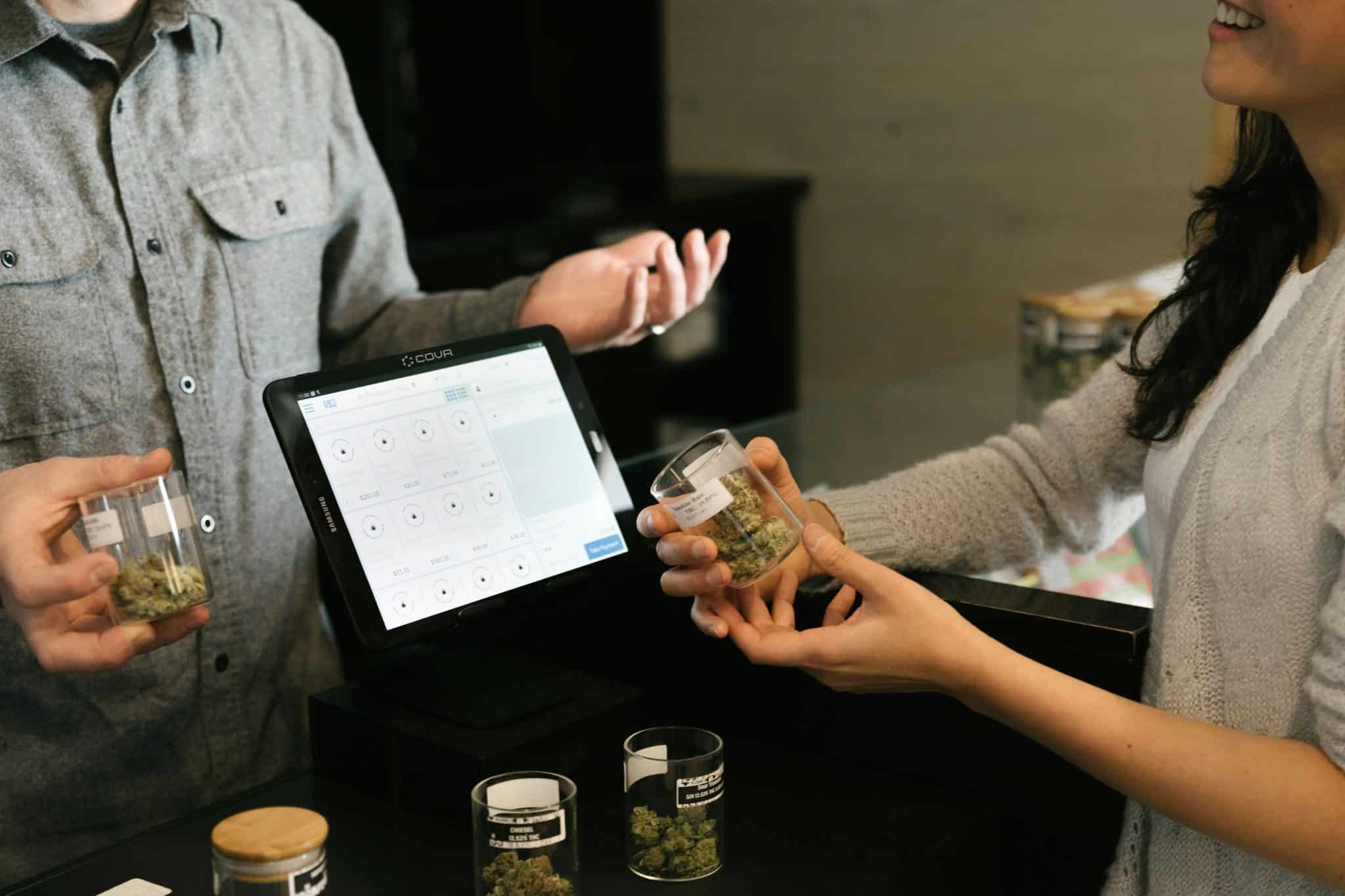
Offer to accompany them to the dispensary and let your budtender know the situation. You could also watch videos or read articles together to make for a more collaborative research experience.
Above all else, remember that they have the final say. While it may be frustrating to have a grandparent reject your suggestions—especially when you feel they could benefit from cannabis use—it’s ultimately their decision. It’s crucial to respect that. Once you’ve opened the door to the conversation, they may come back with curiosity down the line.
Macey is a freelance writer from Seattle. She's covered the cannabis industry extensively, emphasizing the economic opportunities for Indigenous entrepreneurs. Her writing focuses on the people, stories, and labors of love behind every venture.
Oklahoma’s medical-only dispensary market gives licensed patients access to a wide range of cannabis products, but every purchase must follow OMMA rules. This guide explains how to find licensed dispensaries, what identification to bring, purchase and possession limits, product testing, pricing, and what to expect during a visit.
Oklahoma’s advertised $25 medical marijuana card renewal covers the physician evaluation, but patients must also pay a separate OMMA license fee. This guide explains the full renewal cost, reduced-fee eligibility, required documents, online renewal steps, processing times, and the new physician recommendation requirement.
Ohio medical marijuana dispensaries offer registered patients benefits such as lower taxes, higher purchase allowances, and access to certain medical-only products. This guide explains how to find licensed dispensaries, verify their credentials, understand purchase limits, prepare for your first visit, and navigate medical versus recreational purchasing rules.
Medical marijuana has been legal in Oklahoma since 2018, with eligibility determined by physician judgment rather than a fixed list of qualifying conditions. This guide explains how the OMMA program works, patient rights and possession limits, recreational cannabis laws, federal restrictions, and how Oklahoma compares with neighboring states.
Oklahoma offers a temporary medical marijuana license for out-of-state patients who already hold a valid medical cannabis card in their home state. This guide covers eligibility, required documents, the OMMA application process, costs, possession limits, and what happens when the 30-day license expires.
The statements made regarding cannabis products on this website have not been evaluated by the Food and Drug Administration (FDA). Cannabis is not an FDA-approved substance and is still illegal under federal law. The information provided on this website is intended for educational purposes only and is not intended to diagnose, treat, cure, or prevent any disease. It is not intended as medical advice and should not be considered as a substitute for advice from a healthcare professional. We strongly recommend that you consult with a physician or other qualified healthcare provider before using any cannabis products. The use of any information provided on this website is solely at your own risk.