Your medical cannabis journey simplified: find partnered dispensaries, explore pricing options, earn rewards, and get answers to FAQs, all in one spot.
Regular mouthwash can help you reduce plaque, freshen breath, and kill bacteria that cause tooth decay and gum disease. CBD mouthwash does even more by also fighting oral inflammation and supporting overall dental health.
According to research evidence, CBD in mouthwashes may serve as an oral pain reliever, antimicrobial, anti-inflammatory, and a potential tooth-strengthening agent. But is using CBD for oral care safe? We’ll answer this question by delving into how CBD mouthwashes work, who should use them, and more.
What Is CBD Mouthwash?
Photo Credit: iStock
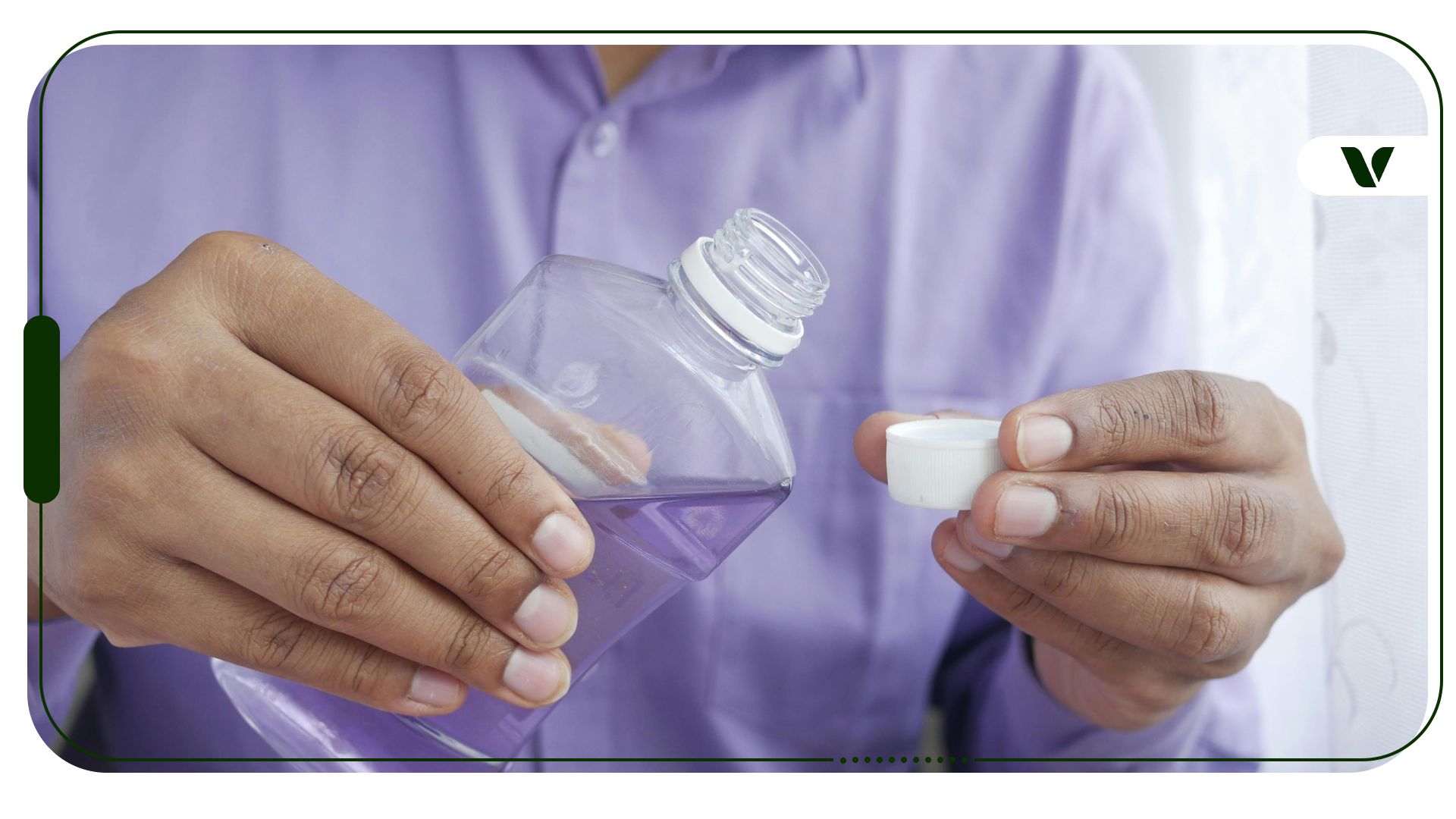
Cannabidiol (CBD) mouthwash is any oral rinse that contains CBD, which is a non-impairing cannabis compound (cannabinoid). You use it like regular mouthwash—rinse it inside your mouth to freshen your breath and reduce harmful bacteria, but don’t swallow it.
However, unlike regular mouthwashes, CBD counterparts may offer extra benefits, such as reducing inflammation and relieving pain. This is thanks to the cannabinoid’s anti-inflammatory properties, which interact with the body’s endocannabinoid system (ECS) to soothe irritated tissues. Since CBD is a non-intoxicating cannabinoid, it won’t cause impairing effects and can be used day and night.
How CBD Works for Oral Inflammation
According to a 2022 scoping dental review published in the Dentistry Journal, CBD has anti-inflammatory, analgesic, antimicrobial, and osteoinductive properties.
Its anti-inflammatory effect helps reduce swelling, redness, and irritation in oral tissues, while its analgesic property can relieve oral pain and discomfort. The antimicrobial action fights gum disease-causing bacteria and fungi, and its osteoinductive effect stimulates new bone growth, which may help strengthen teeth. All of these effects can contribute to reducing oral inflammation.
For example, if you have swollen gums due to a bacterial infection, swishing CBD mouthwash may provide relief by targeting the affected areas. While the cannabinoid’s analgesic property relieves pain, its anti-inflammatory and antimicrobial properties can treat the root cause of the discomfort, helping you recover.
Another 2023 narrative review finds that CBD may promote gum healing by boostingfibroblast production and healing growth factors. Also, the cannabinoid may help reduce metalloproteinases, which are enzymes that damage gum tissue. Lastly, it may be useful in treating mouth ulcers, mucositis, and other issues that typically trigger oral inflammation.
These findings indicate that CBD could be an effective alternative to traditional oral inflammation treatments. However, more research, especially clinical trials, is needed to confirm the appropriate dosage, mechanisms, and long-term effects of CBD mouthwash in dental care.
See If You Qualify For Medical Marijuana -Select Your State!
Select Your State
Alabama
Alaska
Arizona
Arkansas
California
Colorado
Connecticut
Delaware
Florida
Georgia
Hawaii
Idaho
Illinois
Indiana
Iowa
Kansas
Kentucky
Louisiana
Maine
Maryland
Massachusetts
Michigan
Minnesota
Mississippi
Missouri
Montana
Nebraska
Nevada
New Hampshire
New Jersey
New Mexico
New York
North Carolina
North Dakota
Ohio
Oklahoma
Oregon
Pennsylvania
Rhode Island
South Carolina
South Dakota
Tennessee
Texas
Utah
Vermont
Virginia
Washington
West Virginia
Wisconsin
Wyoming
Never miss a post
Get updates on cannabis culture, new research, and expert insights
Is CBD Mouthwash Safe to Use?
Yes, CBD mouthwashes are generally safe to use as long as you follow directions, such as not swallowing the rinse. However, the safety of such products usually varies based on the ingredients and overall quality.
For example, fluoride and herbal CBD mouthwashes are typically safer thanalcohol or antiseptic mouthwashes. This is because they are gentler on oral tissues and free of harsh chemicals. Also, unlike alcohol-based mouthwashes, which are oftenmisused recreationally, there’s less temptation to swallow non-alcoholic versions.
Nonetheless, depending on your CBD tolerance or health, you may experience side effects like dry mouth from using either a cannabidiol or alcohol-based mouthwash. Dry mouth is a common CBD side effect, as it reduces saliva production in some individuals. Also, you may have a negative reaction if you are allergic to CBD or other ingredients in the mouthwash.
Lastly, if you’re onmedications like blood thinners, sedatives, and certain antidepressants, CBD may interact poorly with them. Although not intended to be swallowed, a slight amount of CBD may still be absorbed through the mouth. To be safe, consult your doctor and dentist before trying a CBD mouthwash if you are on any medications or have underlying health conditions.
Who Should and Shouldn’t Use CBD Mouthwash?
Photo Credit: iStock
If you are an adult with oral inflammation or gum issues, the anti-inflammatory properties of a CBD mouthwash may help reduce swelling and discomfort. You can also use it for chronic oral pain, since CBD has analgesic effects. Consulting with a dentist is highly recommended before trying CBD mouthwashes or if you have any dental or gum issues, like ulcers, etc.
However, while CBD mouthwashes are a natural oral care alternative, you should avoid them if you’re pregnant, breastfeeding, or allergic to cannabinoids. An allergic reaction to CBD may cause itching, rashes, swelling, or difficulty breathing. Using CBD while pregnant or breastfeeding, on the other hand, may endanger your developing fetus or infant.
Gargling with CBD mouthwash may also be a bad idea if you’re on medications like blood thinners, antibiotics, antipsychotics, or sedatives. This is because CBD may interact poorly with such medicine, altering its effectiveness. As such, if you’re on medications or have a health condition, don’t rinse with CBD unless your doctor gives the go-ahead.
Tips for Using CBD Mouthwash Without Issues
Smoking CBD for dental upkeep is out of the question since the smoke increases the risk of cavities, poor dental hygiene, and periodontal diseases. CBD mouthwash, on the other hand, is safer and gentler. It delivers the cannabinoid’s benefits directly to the mouth without exposing your teeth and gums to harmful smoke, high temperatures, tar, or irritants.
However, incorrectly using CBD mouthwash can cause problems. Avoid such an outcome with these tips:
Read Labels Carefully: Check the mouthwash’s label to ensure it doesn’t contain ingredients you’re allergic to. The label will also carry instructions for correct usage, which you should follow to avoid overuse or misuse.
Avoid Swallowing: Ingesting a bit of mouthwash while gargling shouldn’t hurt. But since CBD mouthwashes are strictly for rinsing, avoid swallowing whenever possible.
Start with Small Amounts: Since cannabinoids affect everyone differently, start with a small amount of mouthwash to see how your body reacts. This is especially important if you’re new to CBD.
Choose a High-Quality Product: Select a CBD mouthwash from a reputable brand with high-quality ingredients to ensure safety and effectiveness.
Use After Brushing: Brushing immediately after rinsing doesn’t give the mouthwash enough time to work its magic. So, rinse after brushing instead.
Store Well: Exposing CBD to UV rays can deteriorate the cannabinoid and ruin your mouthwash’s effectiveness. For this reason, it’s best to store CBD mouthwash in a cool, dark place.
Tobi Moyela is an avid cannabis enthusiast who enjoys creating helpful, educational content that helps others better understand cannabis, especially its potential uses and benefits. When he's not researching or writing for brands, you can find him watching anime, cooking, or reading his latest fiction finds.
A New Jersey medical marijuana card can still offer benefits despite recreational legalization, including sales tax savings, workplace protections, and access for eligible adults under 21. This guide compares medical and recreational cannabis costs, purchase limits, eligibility requirements, potential savings, registration steps, and the drawbacks patients should consider before applying.
Post-traumatic stress disorder (PTSD) is a qualifying condition for medical cannabis in Minnesota, with a separate enrollment pathway available to eligible veterans. This guide explains practitioner certification, free state enrollment, veteran exemptions, telehealth evaluations, tax savings, medical versus recreational cannabis benefits, and important considerations involving existing PTSD treatments, insurance coverage, and patient rights.
Georgia’s SB 220 replaced the Low THC Oil program with the Medical Cannabis Patient Registry, removing the 5% THC cap and expanding patient access. This guide compares the old and new rules, including possession limits, qualifying conditions, permitted products, physician certification, registration costs, and what existing cardholders need to know about the transition.
West Virginia medical marijuana dispensaries serve registered patients and caregivers, offering state-approved cannabis products through licensed locations. This guide explains how to find dispensaries, obtain a medical cannabis card, prepare for your first visit, understand application costs and financial hardship waivers, and navigate qualifying conditions, purchase limits, and patient privacy considerations.
Renewing a Minnesota medical cannabis card involves obtaining a new practitioner certification and completing a free re-enrollment application every three years. This guide explains eligibility requirements, online renewal steps, telehealth appointments, certification costs, processing times, veteran exceptions, and how to avoid interruptions in medical cannabis access if enrollment expires.
The statements made regarding cannabis products on this website have not been evaluated by the Food and Drug Administration (FDA). Cannabis is not an FDA-approved substance and is still illegal under federal law. The information provided on this website is intended for educational purposes only and is not intended to diagnose, treat, cure, or prevent any disease. It is not intended as medical advice and should not be considered as a substitute for advice from a healthcare professional. We strongly recommend that you consult with a physician or other qualified healthcare provider before using any cannabis products. The use of any information provided on this website is solely at your own risk.