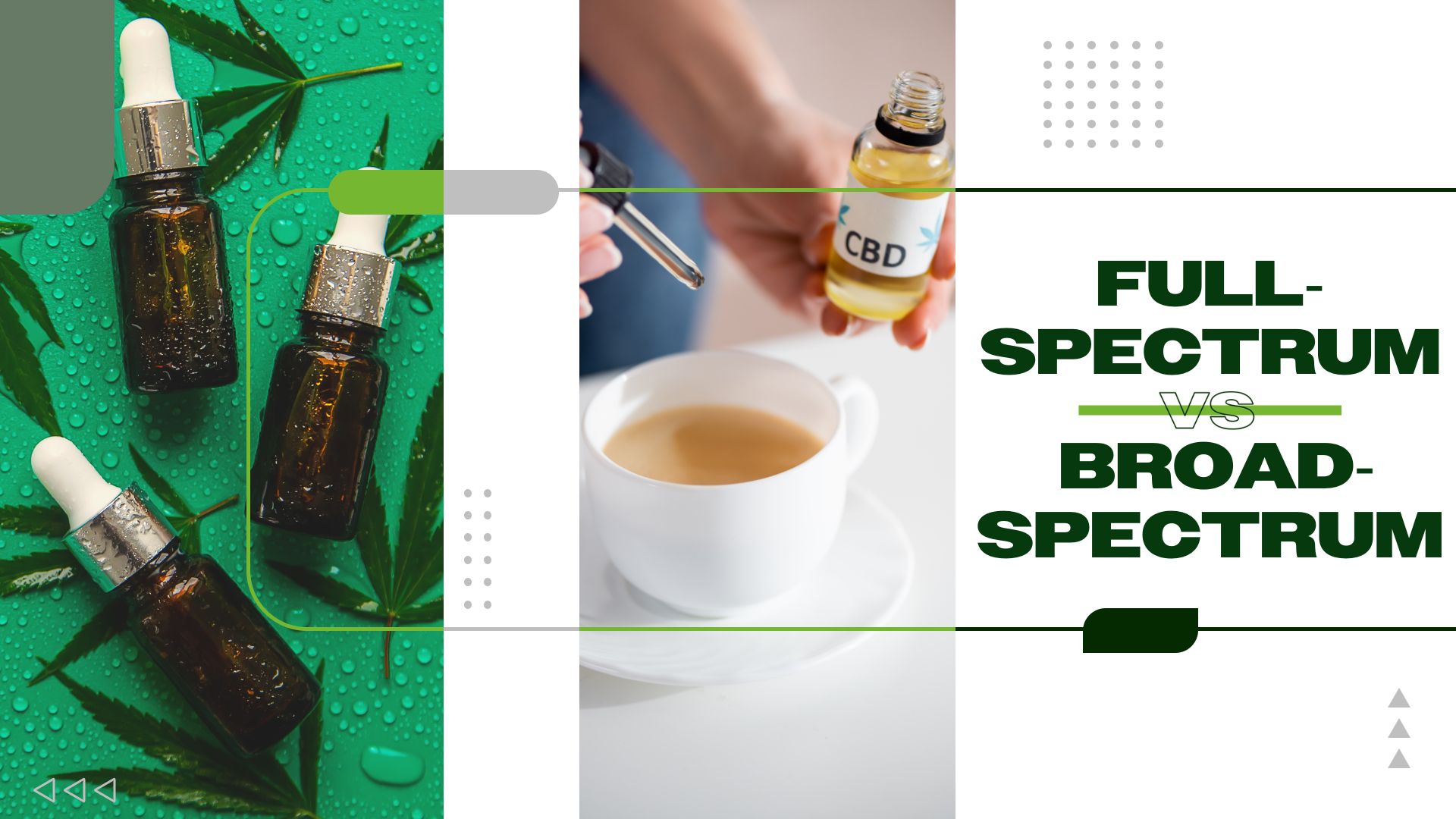
In recent years, CBD (cannabidiol) has become a popular natural remedy for a variety of health conditions. Derived from the cannabis plant, CBD is known for its therapeutic properties without the psychoactive effects associated with THC (tetrahydrocannabinol). As more people turn to CBD for relief from pain, anxiety, and other ailments, the market has expanded to include a variety of products, including full-spectrum and broad-spectrum CBD, along with CBD isolate.
That said, what exactly is full-spectrum vs. broad-spectrum CBD? After all, these terms might sound confusing if you’re new to the world of CBD products. As CBD continues to grow in popularity for its potential therapeutic benefits, understanding the differences between these two types of CBD is crucial. Imagine finding a natural remedy that could help alleviate your anxiety, ease chronic pain, or improve your sleep without the unwanted jitters or paranoia that could result from being high — sounds intriguing, right? Full-spectrum and broad-spectrum CBD products each offer unique benefits and drawbacks.
In this article, we’ll make a comprehensive comparison of full-spectrum and broad-spectrum CBD so you can learn everything you need to know about cannabidiol. Let’s take a closer look at both full-spectrum and broad-spectrum CBD, comparing and contrasting the two to explore their similarities and stark differences.
What is Full-Spectrum CBD?
Full-spectrum CBD is a type of CBD that includes all the phytochemicals naturally found in the cannabis plant. This includes not only CBD but also trace amounts of other cannabinoids, terpenes, and essential oils. The extraction process for full-spectrum CBD ensures that these compounds are retained to provide a more comprehensive therapeutic effect. One key component present in full-spectrum CBD is THC, though in very low concentrations (up to 0.3%).
The process of extracting full-spectrum CBD involves using a variety of methods to obtain the full range of cannabinoids and other beneficial compounds from the cannabis plant. This can include methods such as CO2 extraction, ethanol extraction, and oil infusion. The goal is to preserve as many of the plant’s natural compounds as possible to create a product that offers as many benefits as possible.
Examples of Full-Spectrum CBD Products
- Charlotte’s Web: Known for their high-quality full-spectrum CBD oils and tinctures. Charlotte’s Web has been a leader in the CBD industry, offering a range of products that include CBD oils, gummies, and topicals. Their products are made from high-quality hemp and are third-party tested for purity and potency.
- Lazarus Naturals: Offers a variety of full-spectrum CBD products, including capsules and balms. Lazarus Naturals is known for its commitment to quality and affordability, making its products accessible to a wide range of consumers.
- NuLeaf Naturals: Provides potent full-spectrum CBD oil with a wide range of cannabinoids and terpenes. NuLeaf Naturals focuses on creating high-quality, organic CBD products that are free from additives and preservatives.
Pros of Full-Spectrum CBD
- Entourage Effect: Full-spectrum CBD offers the “entourage effect,” where the combination of cannabinoids, terpenes, and other phytochemicals work together synergistically to enhance the therapeutic effects. This means that the various compounds in the cannabis plant can enhance each other’s effects, making the overall product more effective.
- Effective for Severe Conditions: The presence of multiple cannabinoids, including THC, can make full-spectrum CBD more effective for treating severe conditions like chronic pain, epilepsy, and anxiety. For some individuals, the combination of cannabinoids can provide relief where other conventional treatments have failed.
Cons of Full-Spectrum CBD
- Contains THC: Although the THC content is minimal, it can cause legal issues in regions where THC is strictly regulated. Additionally, individuals sensitive to THC may experience unwanted effects such as drowsiness or anxiety.
- Stronger Flavor: Full-spectrum CBD products often have a more robust, earthy flavor that may not be appealing to everyone. The natural taste of the hemp plant can be quite strong, and some users may prefer a milder flavor.
What is Broad-Spectrum CBD?
Broad-spectrum CBD is similar to full-spectrum CBD in that it contains multiple cannabinoids, terpenes, and essential oils. However, the key difference is that broad-spectrum CBD undergoes an additional processing step to remove all traces of THC. This makes it an attractive option for those who want to avoid any amounts of THC while still benefiting from other cannabinoids.
The extraction process for broad-spectrum CBD typically involves starting with a full-spectrum extract and then using additional methods to remove the THC. This can include processes such as chromatography, which separates the different compounds in the extract and allows for the removal of THC. The result is a product that retains the benefits of other cannabinoids and terpenes without the presence of THC.
Examples of Broad-Spectrum CBD Products
- CBDistillery: Offers a range of broad-spectrum CBD oils and gummies that are THC-free. CBDistillery is known for its high-quality products and commitment to transparency, providing third-party lab test results for all its products.
- Joy Organics: Provides broad-spectrum CBD tinctures and softgels known for their purity and effectiveness. Joy Organics focuses on creating premium, organic CBD products that are free from THC and other harmful additives.
- Medterra: Known for their high-quality, THC-free broad-spectrum CBD products, including creams and tinctures. Medterra’s products are made from organically grown hemp and are third-party tested to ensure purity and potency.
Pros of Broad-Spectrum CBD
- No Psychoactive Effects: Since all THC is removed, broad-spectrum CBD does not carry the risk of psychoactive effects, making it suitable for those who are THC-sensitive. This can be particularly important for individuals who need to avoid THC for legal or personal reasons.
- Entourage Effect: Broad-spectrum CBD still offers some level of this sought-after effect, as it contains a variety of cannabinoids and terpenes. While the impact may not be as pronounced as with full-spectrum CBD, it can still provide significant benefits.
Cons of Broad-Spectrum CBD
- Reduced Entourage Effect: The absence of THC means that this effect may not be as pronounced as in full-spectrum CBD. While broad-spectrum CBD still offers many benefits, the lack of THC can reduce the overall effectiveness for some conditions.
- More Processed: Broad-spectrum CBD undergoes additional processing to remove THC, which can slightly alter the natural balance of cannabinoids. Some users may prefer a product that is closer to the plant’s natural state.
Full-Spectrum vs. Broad-Spectrum CBD: What is the Difference?
Some of the major differences between full-spectrum vs broad-spectrum CBD include:
Cannabinoid Content
The most significant difference between full-spectrum and broad-spectrum CBD is the presence of THC. Full-spectrum CBD contains trace amounts of THC (up to 0.3%), while broad-spectrum CBD has all THC removed. This difference can influence the overall effects and suitability of the product for different users.
Full-spectrum CBD includes a wide range of cannabinoids, including CBD, THC, CBG (cannabigerol), CBN (cannabinol), and others. These cannabinoids work together to create a more comprehensive therapeutic effect. Broad-spectrum CBD, on the other hand, retains many of these cannabinoids but removes THC to provide a product that is free from psychoactive effects.
Legal Status
The legality of full-spectrum CBD can vary widely depending on the region due to its THC content. In some areas, even trace amounts of THC can make full-spectrum CBD products illegal. Broad-spectrum CBD, on the other hand, is more likely to be legal in regions with strict THC regulations since it contains no THC.
In the United States, for example, the legality of CBD products is determined by the 2018 Farm Bill, which legalized hemp-derived CBD products with less than 0.3% THC. However, individual states may have their own regulations regarding CBD and THC content, so it’s important to check your local laws before purchasing or using CBD products.
Efficacy
The presence of THC in full-spectrum CBD can enhance its effectiveness. Research has shown that the combination of cannabinoids and terpenes in full-spectrum CBD can be more effective for certain conditions than CBD alone.
For example, a 2018 study published in the journal Frontiers in Neurology found that full-spectrum CBD was more effective in reducing seizures in patients with epilepsy compared to CBD isolate. Broad-spectrum CBD can still offer significant benefits, but the absence of THC may reduce its effectiveness for some conditions.
Target User Base
Full-spectrum CBD may be preferred by individuals who do not have concerns about THC, either from a legal standpoint or due to workplace drug testing. It’s ideal for those seeking the maximum healing benefits. Broad-spectrum CBD is suitable for users who want to avoid THC, whether for legal reasons, sensitivity to THC, or to avoid potential issues with drug testing.
Full-spectrum CBD is often recommended for individuals with chronic pain, severe anxiety, or other conditions that may benefit from the full range of cannabinoids and terpenes. Broad-spectrum CBD is a good option for those who want to avoid THC while still experiencing the benefits of other cannabinoids.
Full-Spectrum vs. Broad-Spectrum CBD: Which is Better?
Choosing between full-spectrum and broad-spectrum CBD depends on your personal needs, legal considerations, and sensitivity to THC. So, when making your decision, consider the following:
User Needs and Legal Constraints
- Full-Spectrum CBD: If you’re in a region where THC is legal, full-spectrum CBD might be the better choice. Full-spectrum CBD can provide a more comprehensive therapeutic effect, making it a good option for individuals with severe conditions or those seeking maximum benefits from their CBD products.
- Broad-Spectrum CBD: If you need to avoid THC for legal reasons, broad-spectrum CBD is a safer option. Broad-spectrum CBD still offers many of the benefits of full-spectrum CBD without the risk of psychoactive effects or legal issues.
Suitability for Health Conditions
- Chronic Pain and Inflammation: Full-spectrum CBD might be more effective due to the presence of THC, which can enhance pain relief. In 2022, a study published in the journal Cureus found the combination of cannabinoids and terpenes in full-spectrum CBD can provide a more comprehensive approach to managing pain and inflammation.
- Anxiety and Depression: In a study published by the journal Cannabis and Cannabinoid Research, both full-spectrum and broad-spectrum CBD can be effective, but full-spectrum might provide additional benefits. The presence of multiple cannabinoids can help to modulate the effects of CBD and provide greater relief for anxiety and depression.
- Epilepsy and Seizures: Full-spectrum CBD has been found to be more effective in some cases, but broad-spectrum can still offer significant benefits without the risk of THC. According to 2020 research published in the journal Frontiers in Neurology, data has shown that the combination of cannabinoids in full-spectrum CBD can be more effective in reducing seizures, but broad-spectrum CBD can still provide relief for many individuals.
Benefits of Sublingual CBD and How to Take It
When consuming full-spectrum and broad-spectrum CBD extracts, sublingual administration is the way to go. Unlike swallowing, sublingual CBD involves placing CBD oil or tincture under the tongue. This method allows the CBD to be absorbed directly into the bloodstream through the sublingual glands under the tongue, bypassing the digestive system and liver. This leads to a faster onset of effects compared to swallowing alone. The benefits of sublingual CBD include quick relief from symptoms such as anxiety, pain, and inflammation. To take sublingual CBD for beginners, simply place the desired amount of oil or tincture under your tongue, hold it there for about 60-90 seconds, and then swallow. This ensures maximum absorption and effectiveness, making it a convenient and efficient way to experience the therapeutic benefits of CBD.
Smoked Cannabis: More Powerful Than CBD Extracts?
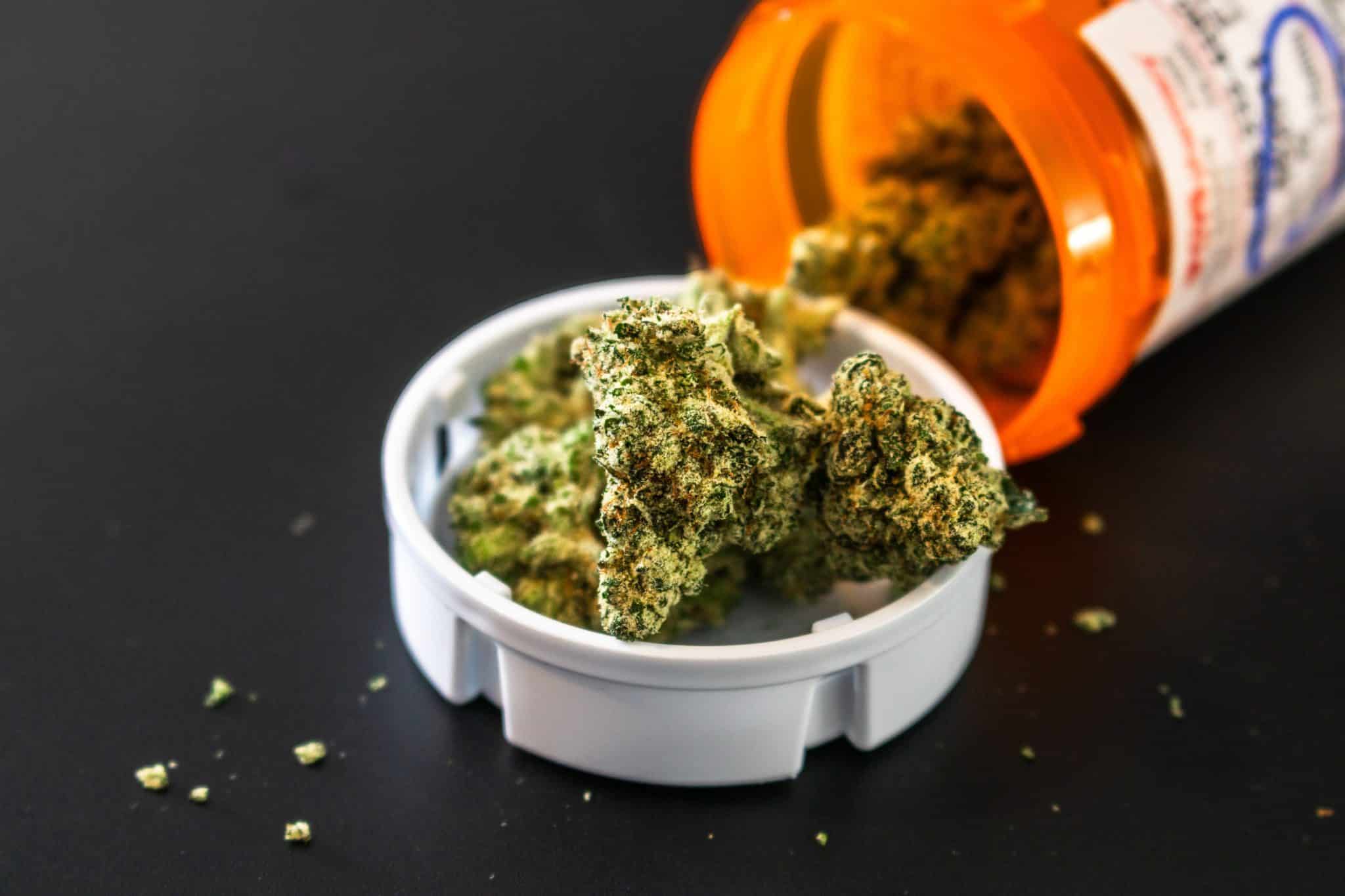
Is smoked cannabis more powerful than CBD extracts? When comparing smoked cannabis to CBD extracts, it’s crucial to understand the differences in their composition and how they work. Smoked cannabis, which includes both high-THC and high-CBD strains, often provides a more potent experience due to the full range of cannabinoids and terpenes present. The presence of THC in many smoked cannabis products contributes to the entourage effect, enhancing the medicinal properties and making it particularly effective for certain ailments. However, even high-CBD, low-THC cannabis flowers can be smoked to achieve similar benefits without the psychoactive effects.
In contrast, CBD extracts, especially broad-spectrum and isolates, lack the full spectrum of cannabinoids and terpenes found in whole-plant cannabis. This may result in a weakened effect. Despite this, CBD extracts remain popular for those in need of relief minus THC. Ultimately, the choice between smoked cannabis and CBD extracts depends on individual preferences, legal considerations, and specific health needs.
Final Thoughts
In summary, full-spectrum and broad-spectrum CBD each offer unique benefits and drawbacks. Full-spectrum CBD includes all the phytochemicals from the cannabis plant, including THC. Broad-spectrum CBD, on the other hand, removes all traces of THC while retaining other beneficial cannabinoids and terpenes.
Choosing between the two depends on what is most important to you. It’s essential to consult with healthcare professionals before starting any CBD regimen to ensure it’s the right choice for your specific health needs, particularly if you are already taking other prescription medications.
For those interested in exploring the benefits of medical marijuana further, consider Veriheal for obtaining your medical marijuana (MMJ) card. Veriheal offers easy online appointments that you can attend from the comfort of your home. Even if recreational weed is available in your state, there are still many benefits to having an MMJ card, such as access to higher-quality products, lower costs, and higher possession limits.
Veriheal’s 3-step process makes securing your medical marijuana card simple and convenient:
- Booking Your Appointment: Share some basic medical history and schedule an appointment with a licensed marijuana doctor. The $199 fee covers your consultation fee, physician copay, and the medical evaluation required for your recommendation.
- Consulting with an MMJ Doctor: Speak with a marijuana physician who will assess your condition and address any questions about medical marijuana treatment. Depending on your location, this consultation can be done online via video or in person.
- Receiving Your Medical Marijuana Card: If approved, you’ll receive a recommendation for medical marijuana. Depending on your state’s regulations, you may either gain immediate access to dispensaries or have to wait for your card to arrive via mail.
Make the most of your cannabis experience by consulting with Veriheal to navigate the process smoothly and get the best products suited to your needs.
FAQs on Full Spectrum vs. Broad Spectrum CBD
What’s better, full-spectrum or broad-spectrum CBD?
Full-spectrum CBD offers a more robust response due to the presence of THC, while broad-spectrum CBD is ideal for those who want to avoid THC entirely.
What is the difference between broad-spectrum and full-spectrum CBD drug tests?
Full-spectrum CBD may result in a positive drug test for THC, whereas broad-spectrum CBD is less likely to cause a positive test as it contains no THC.
What form of CBD is most effective?
The most effective form of CBD depends on individual needs and preferences. Full-spectrum CBD is often considered more effective due to its synergistic effect.
What are the disadvantages of broad-spectrum CBD?
The primary disadvantage of broad-spectrum CBD is that it may not offer as strong an impact as full-spectrum CBD due to the absence of THC.
Which is stronger, full or broad-spectrum CBD?
Full-spectrum CBD is generally considered stronger due to the presence of THC which enhances the entourage effect, leading to more health benefits overall.
Note: The content on this page is for informational purposes only and is not intended to be professional medical advice. Do not attempt to self-diagnose or prescribe treatment based on the information provided. Always consult a physician before making any decision on the treatment of a medical condition.
Author, Share & Comments