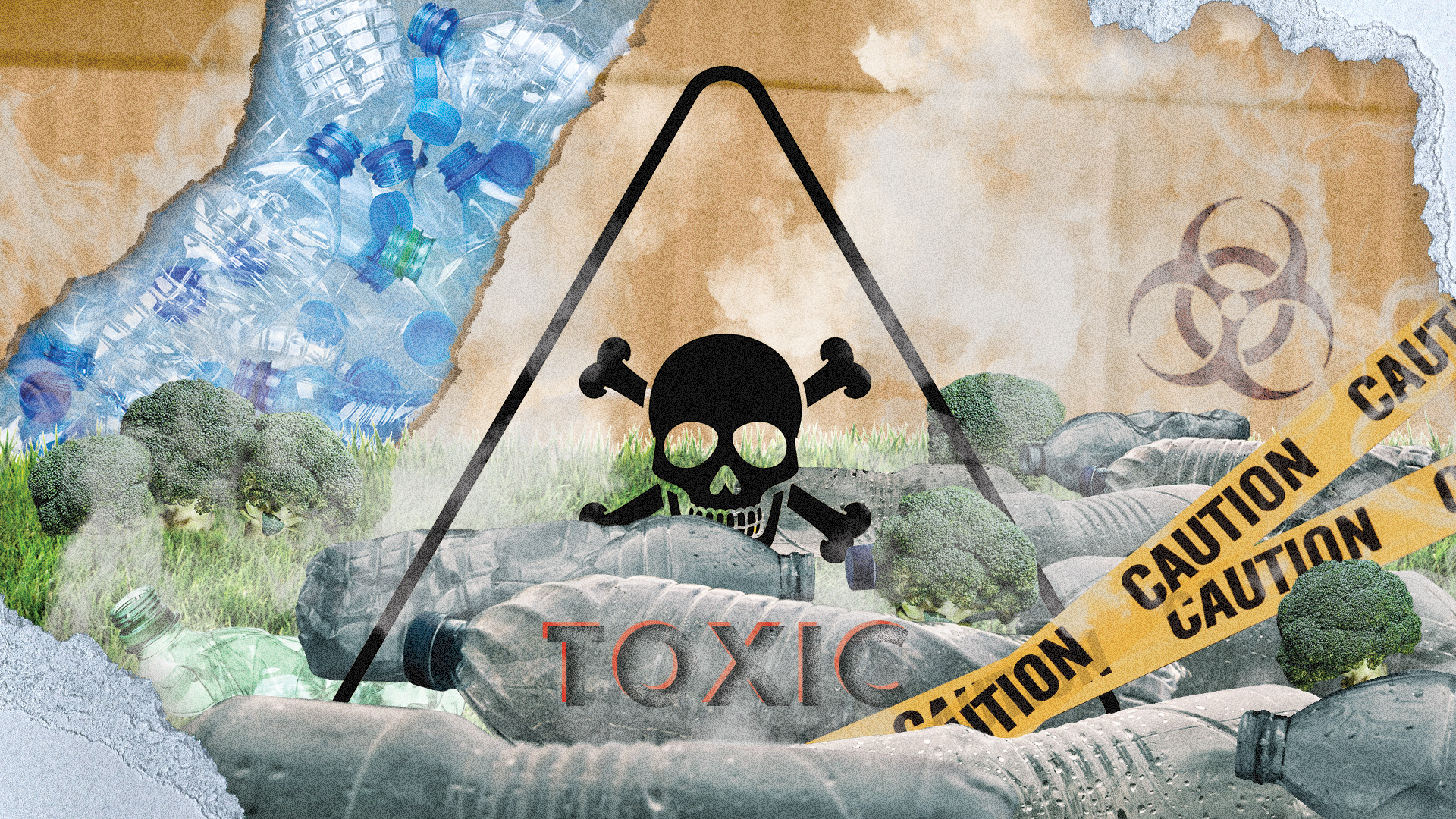
Smoking cannabis from plastic devices releases toxic compounds directly into your lungs and poses serious immediate and long-term health risks. When heated, plastic can break down into harmful chemicals. Which ones depend on the type of plastic, its additives, the temperature, and how completely it burns. Compounds like benzene, formaldehyde, and vinyl chloride have been linked to specific plastic types, and exposure to them is associated with respiratory irritation, organ damage, and increased cancer risk.
The popularity of makeshift smoking devices has grown alongside cannabis legalization, but many users don’t realize how dangerous plastic becomes when exposed to heat and flame. Understanding these risks helps you make safer choices for your health while still enjoying cannabis.
Why Plastic Becomes Toxic When Heated
Plastic that’s stable at room temperature can break down when exposed to the heat involved in smoking. Combustion temperatures at the cherry of a joint or bowl can reach 1,500°F, and at that range plastic components can degrade and release compounds into the smoke you inhale.
How much heat it takes, and what gets released, varies by polymer type and conditions like temperature and oxygen exposure. Research on plastic thermal degradation shows that some volatile organic compounds (VOCs) can form well within typical smoking temperature ranges. VOCs are a particular concern because they’re readily absorbed by your respiratory system.
Different plastic types pose varying levels of danger when heated:
- Polyvinyl chloride (PVC) – Releases vinyl chloride and dioxins, both known carcinogens that target the liver and nervous system
- Polystyrene – Breaks down into styrene, which can cause respiratory irritation and has been linked to cancer in animal studies
- Polycarbonate – Contains bisphenol A (BPA), which disrupts hormone function and may affect reproductive health
Signs You’ve Inhaled Plastic Smoke
Recognizing plastic smoke inhalation symptoms helps you respond quickly and avoid further exposure. Your body typically reacts immediately when toxic plastic compounds enter your respiratory system.
Common immediate symptoms include:
- Chemical taste – A sharp, acrid flavor that’s distinctly different from cannabis
- Throat burning – Intense irritation that persists after smoking stops
- Severe coughing – More intense than typical cannabis coughing, often accompanied by chest tightness
- Nausea or dizziness – Your body’s response to toxic chemical exposure
- Metallic taste – Lingering chemical aftertaste that water doesn’t wash away
You should seek medical attention if you experience difficulty breathing, persistent chest pain, or symptoms that worsen over several hours. These signs suggest significant toxic exposure that requires professional evaluation.
Immediate vs. Long-Term Health Effects of Plastic Smoke
The health consequences of smoking from plastic fall into two distinct categories that affect your body differently depending on exposure frequency and duration.
Immediate Effects
Short-term exposure to plastic smoke creates symptoms you’ll notice within minutes to hours:
- Respiratory irritation – Throat burning, coughing, and chest tightness from VOC exposure
- Chemical burns – Mouth and throat tissue damage from direct contact with toxic compounds
- Headaches and dizziness – Your nervous system responding to chemical toxins
- Nausea – Digestive system reaction to inhaled toxins entering your bloodstream
These effects often ease within 24-48 hours once exposure stops. That doesn’t mean the exposure was harmless, though. It’s a sign your body is responding to a chemical irritant, and the extent of any underlying tissue effect depends on what was inhaled and how much.
Long-Term Risks
Repeated plastic smoke exposure creates cumulative damage that may not show symptoms for months or years:
- Cancer risk – Some plastic breakdown products, like vinyl chloride and styrene, are established carcinogens in other exposure contexts, though the specific risk from occasional plastic-smoke exposure hasn’t been well studied on its own
- Liver effects – Certain plastic-derived compounds are known to affect liver function with sustained exposure, though this hasn’t been directly established for cannabis-plastic smoke specifically
- Nervous system impacts – Some plastic combustion byproducts are associated with effects on memory and coordination in other research contexts
- Reproductive health – Compounds like BPA are linked to hormone disruption in general exposure research, though data specific to plastic smoke inhalation is limited
The severity of long-term effects depends on frequency of exposure, types of plastic involved, and individual health factors.
Emergency Response: What to Do If You Smoke Plastic
Taking immediate action after plastic smoke exposure helps minimize health impacts and prevents further damage to your respiratory system.
Follow these steps in order:
- Stop smoking immediately – Put out any burning material and move away from the smoke source
- Get fresh air – Go outside or to a well-ventilated area to help clear your lungs
- Drink water – This won’t remove inhaled toxicants from your body, but it can soothe throat irritation and support hydration
- Monitor symptoms – Track breathing difficulty, chest pain, or worsening irritation
- Seek medical help if needed – Call poison control (1-800-222-1222) or emergency services for severe symptoms
Don’t try to induce vomiting or use home remedies beyond fresh air and water. Professional medical evaluation is the safest approach for significant exposure.
How to Identify Unsafe Smoking Materials
Learning to recognize plastic components in smoking devices protects you from accidental exposure and helps you make safer purchasing decisions.
Visual inspection reveals many plastic dangers before you use a device. Look for shiny, smooth surfaces that feel lighter than glass or metal, especially around areas that get hot during use. Cheap bongs and pipes often use plastic stems, downstems, or bowl connections that aren’t immediately obvious.
Warning signs during use include chemical smells when the device heats up, any melting or deformation near heat sources, and unusual tastes that don’t match your cannabis. If you notice any of these signs, stop using the device immediately.
When buying smoking equipment, avoid pieces with:
- Plastic components in the smoke path – Even “heat-resistant” plastic releases toxins
- Painted or coated surfaces – Paint and coatings can contain lead and other heavy metals
- Extremely low prices – Quality glass and metal cost more to produce than toxic alternatives
- No brand or manufacturer information – Reputable companies stand behind their products’ safety
Safer Alternatives to Plastic Smoking Devices
Glass is a strong alternative to plastic. It’s chemically inert and doesn’t release compounds when heated, which avoids the specific hazard plastic introduces. Borosilicate glass also handles temperature changes without cracking and gives a cleaner taste.
Metal options like stainless steel and titanium offer durability for portable use, though they can affect flavor slightly. Avoid aluminum pieces as research linking aluminum exposure to neurological effects suggests long-term inhalation of aluminum particles carries risk.
Even acrylic bongs, while more durable than other plastics, still release chemicals when exposed to heat and should be avoided for regular use. The “safer” plastic option is still a plastic option that poses health risks.
Natural materials offer another alternative, depending on the method you use. Rolling papers made from hemp, rice, or flax avoid the specific compounds released by heated plastic, though burning any paper still produces its own combustion byproducts, so “chemical-free” isn’t quite accurate. Wooden pipes work well for dry herb, though they need more maintenance than glass.
Vaping is another option worth considering. It avoids combustion, which removes the specific risks tied to burning plant matter or plastic, though it isn’t necessarily risk-free on its own, since device materials and heating elements still matter. Vaporizers heat cannabis just enough to release active compounds without the byproducts that come from burning.
Quality glass pieces require proper maintenance to stay safe and functional. Regular cleaning prevents resin buildup that can affect airflow and taste. Learning how to clean your glass pipe properly extends its life and maintains the pure flavor that makes glass the preferred material for serious cannabis users.
Final Thoughts: The Need for Caution
Your health deserves better than the risks that come with plastic smoking devices. While the immediate convenience or low cost might seem appealing, the potential for serious respiratory damage and long-term health consequences makes plastic an unacceptable choice for cannabis consumption.
The cannabis industry has evolved to offer numerous safe alternatives at every price point. Glass pieces, metal vaporizers, and natural rolling papers provide options for any budget and consumption preference. Making the switch protects both your immediate comfort and long-term health.
Ready to explore safer cannabis consumption options with professional guidance? Find a qualified medical marijuana doctor who can help you choose the consumption methods that work best for your health needs and lifestyle preferences.
Note: The content on this page is for informational purposes only and is not intended to be professional medical advice. Do not attempt to self-diagnose or prescribe treatment based on the information provided. Always consult a physician before making any decision on the treatment of a medical condition.
Note: Veriheal does not support illegally consuming therapeutic substances such as cannabis but acknowledges that it transpires because of the current illicit status, which we strive to change by advocating for research, legal access, and responsible consumption. Always consult a physician before attempting alternative therapies.
FAQ
What happens if you accidentally smoke a little bit of plastic?
Small amounts of plastic smoke often cause throat irritation, coughing, and a chemical taste, though how it plays out depends on the plastic involved, the amount, and your own sensitivity. Monitor for worsening symptoms, and seek medical attention if breathing becomes difficult or symptoms don’t improve.
Can smoking out of plastic kill you?
A single exposure is unlikely to cause serious harm for most people, though this depends on the plastic and amount involved. Repeated use is the bigger concern, since compounds released by some plastics are linked to cancer, liver effects, and respiratory problems with sustained exposure.
How do you know if your smoking device contains plastic?
Check for lightweight, shiny surfaces that feel different from glass or metal, especially near heat sources. Chemical smells when heated and any melting or deformation indicate plastic components.
Is it safe to use a plastic water bottle as a bong once?
It’s not recommended. Even a single use can release compounds when the plastic heats up from the bowl or flame, and thin plastic like a water bottle can break down quickly under that kind of heat exposure.
What should you do if you taste chemicals while smoking?
Stop immediately, get fresh air, and drink water to flush your system. The chemical taste indicates plastic or paint breakdown that shouldn’t be inhaled.
Are there any safe types of plastic for smoking devices?
No plastic type is considered safe for smoking applications. Different plastics release different compounds when heated, and the specific mix depends on the plastic and the conditions, but none of them are a safe choice for this use.
Author, Share & Comments