Your medical cannabis journey simplified: find partnered dispensaries, explore pricing options, earn rewards, and get answers to FAQs, all in one spot.
March 29, 2024 02:54 pm ETEstimated Read Time: 3 Minutes
Although the relationship between Black history and cannabis has been intertwined for centuries, BIPOC make up less than 2% of cannabis entrepreneurs. This stark discrepancy between Black and white cannabis company owners only highlights the ongoing issues with race in America, demonstrating a continued need for reform.
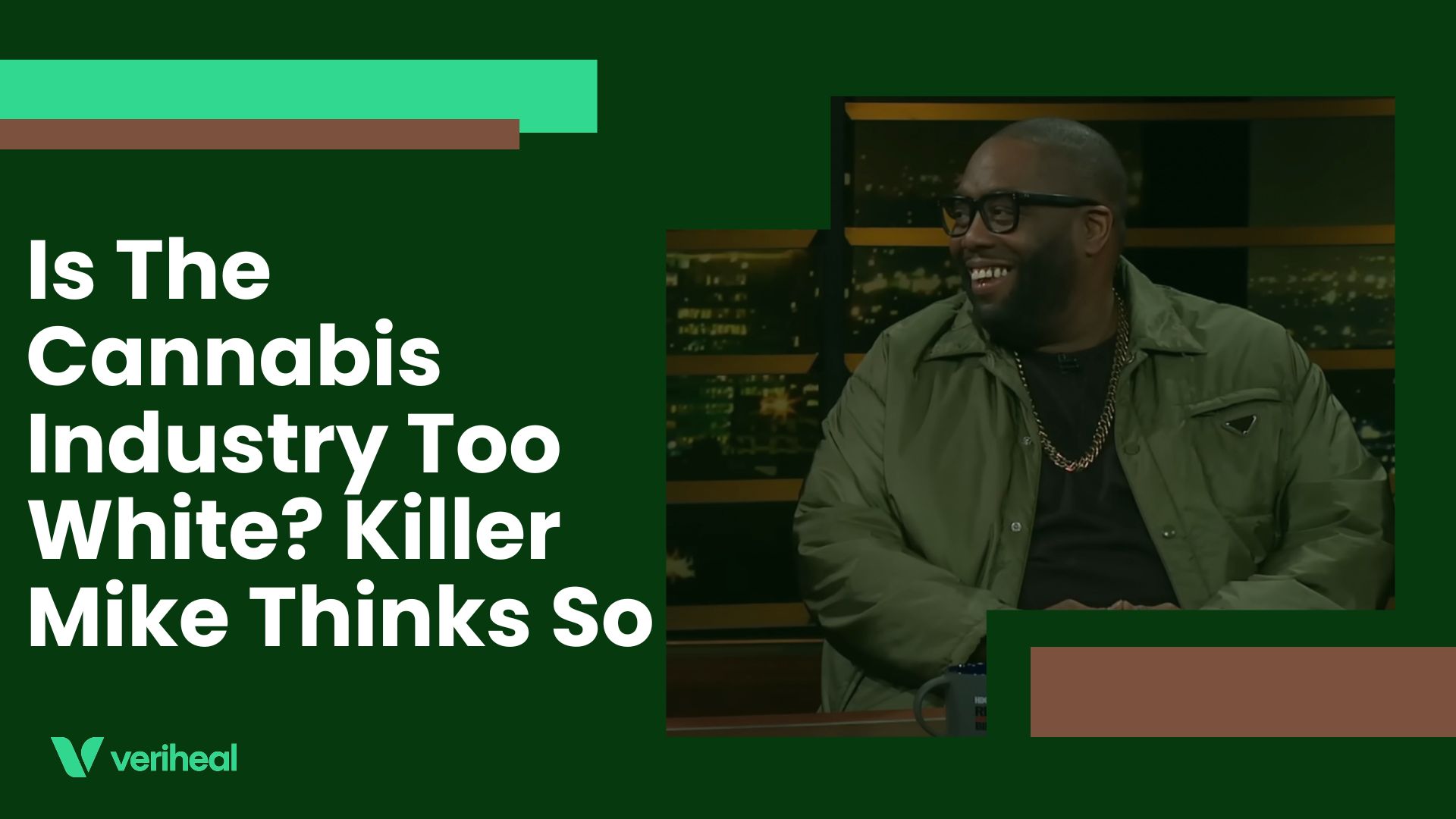
While the debate about what that reform should look like is still taking place, rapper Killer Mike has an idea–give the entire industry over to Black people and other people of color. He’s been a staunch advocate of reparations for years, fighting for both racial equity and cannabis. He doesn’t believe in the harmful stigmas that perpetuate marijuana to this day, instead focusing on how it can help people.
His latest comments on this topic came shortly before the Grammy’s this year, where he won three awards and gave a heartfelt acceptance speech. He was on the HBO show Real Time With Bill Maher when the discussion came up, prompting his response regarding Black ownership in cannabis.
Maher stated: “With Native Americans, we gave them the casino industry. What about, you know, supermarkets?”
“Could Black people have the marijuana industry?” asked Killer Mike. “Give us marijuana. Multibillion-dollar industry. It’s still fresh, it’s still growing.”
See If You Qualify For Medical Marijuana -Select Your State!
Select Your State
Alabama
Alaska
Arizona
Arkansas
California
Colorado
Connecticut
Delaware
Florida
Georgia
Hawaii
Idaho
Illinois
Indiana
Iowa
Kansas
Kentucky
Louisiana
Maine
Maryland
Massachusetts
Michigan
Minnesota
Mississippi
Missouri
Montana
Nebraska
Nevada
New Hampshire
New Jersey
New Mexico
New York
North Carolina
North Dakota
Ohio
Oklahoma
Oregon
Pennsylvania
Rhode Island
South Carolina
South Dakota
Tennessee
Texas
Utah
Vermont
Virginia
Washington
West Virginia
Wisconsin
Wyoming
Never miss a post
Get updates on cannabis culture, new research, and expert insights
While his comments certainly raised some eyebrows, including those of the other show’s guest that night, New Hampshire Gov. Chris Sununu (R), others believe that Killer Mike has a valid point. When Black people were first brought over to the United States in the 1600s, many of them were responsible for farming hemp crops–and none of them profited from their labor. Black people again embraced cannabis in the 1920s, when many jazz musicians performed songs about its role in their culture.
Despite their contributions to cannabis, they faced extreme backlash and suffering when anti-marijuana propaganda and the War on Drugs became rampant in society in the latter half of the 1900s. The widespread effects of the War on Drugs are still being felt to this day, and they negatively impacted BIPOC more than anybody else.
Fortunately, the tides are turning. Killer Mike doesn’t just speak out about cannabis reform; he also fights for it in politics and media. In 2020, he pushed for President Joe Biden to follow Bernie Sanders’ cannabis legalization plan, and he has partnered with other celebrities to advocate for marijuana on more than one occasion. Additionally, he has actively addressed issues concerning the Black community through speeches at rallies and protests, and in 2019, he took on hosting duties for the Netflix series Trigger Warning with Killer Mike, where he explored the challenges confronting Black individuals.
While cannabis rescheduling is on the docket, Killer Mike doesn’t believe that’s enough–it should be fully legal for anyone who wants to consume it, whether for recreational or medicinal purposes.
There is still a long way to go before Black people see full equality in the cannabis industry, but with people like Killer Mike at the helm, there’s hope it could happen sooner than we think.
Emily is a Denver-based transplant from Virginia who is passionate about substance use harm reduction, yoga, and music. She writes and edits to support the extravagant lifestyles of her pug and cat. When she's not writing, she can be found doing flow and aerial arts or browsing flights to faraway places.
Oklahoma’s advertised $25 medical marijuana card renewal covers the physician evaluation, but patients must also pay a separate OMMA license fee. This guide explains the full renewal cost, reduced-fee eligibility, required documents, online renewal steps, processing times, and the new physician recommendation requirement.
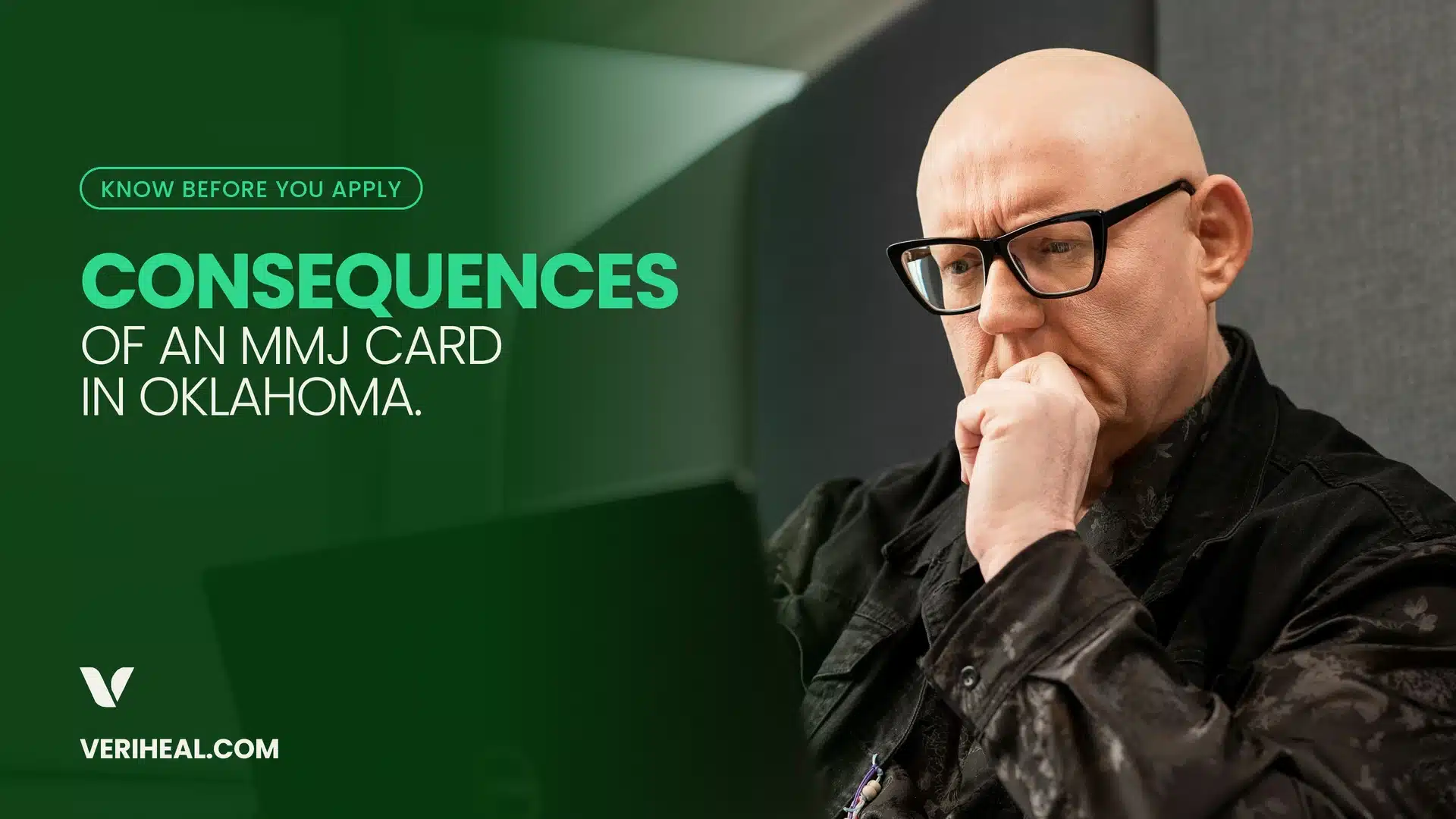
An Oklahoma medical marijuana card provides legal protection under state law, but it can still affect employment, commercial driving, firearms, privacy, and federally regulated situations. This guide explains the main consequences to consider before applying, including workplace drug testing, CDL rules, insurance, housing, and registry privacy.
Getting a medical marijuana card in Oklahoma can be completed online, with no specific qualifying condition required for adult applicants. This guide covers eligibility, telehealth evaluations, required documents, OMMA application steps, fees, processing times, and what patients can do once approved.
A same-day telehealth appointment in Oklahoma can get you a physician recommendation quickly, but OMMA still needs to process your medical marijuana license application. This guide explains the timeline, required documents, costs, and when you can legally visit a dispensary while waiting for the physical card.
Medical marijuana has been legal in Oklahoma since 2018, with eligibility determined by physician judgment rather than a fixed list of qualifying conditions. This guide explains how the OMMA program works, patient rights and possession limits, recreational cannabis laws, federal restrictions, and how Oklahoma compares with neighboring states.
The statements made regarding cannabis products on this website have not been evaluated by the Food and Drug Administration (FDA). Cannabis is not an FDA-approved substance and is still illegal under federal law. The information provided on this website is intended for educational purposes only and is not intended to diagnose, treat, cure, or prevent any disease. It is not intended as medical advice and should not be considered as a substitute for advice from a healthcare professional. We strongly recommend that you consult with a physician or other qualified healthcare provider before using any cannabis products. The use of any information provided on this website is solely at your own risk.