Hawaii allows cannabis for medical use only, with no recreational marijuana program in place as of 2026. Registered medical patients can legally possess up to 4 ounces of cannabis every 15 days and cultivate up to 10 plants at home. The state has maintained this medical-only framework since 2000, despite ongoing legislative discussions about potential adult-use legalization.
Here’s what residents and visitors need to understand about Hawaii’s current cannabis laws, including possession limits, penalties, and how to access medical marijuana legally in the islands.
Hawaii Marijuana Legal Status: Medical Only
Cannabis remains illegal for recreational use in Hawaii, with only medical marijuana permitted under strict state regulations. The Hawaii Department of Health oversees the medical cannabis program, which requires patients to register and obtain a state-issued medical marijuana card before purchasing or possessing cannabis products.
Non-medical possession carries significant penalties, though Hawaii has decriminalized small amounts. Possession of 3 grams or less is classified as a petty misdemeanor rather than a criminal offense, resulting in a 130 dollar fine instead of jail time. However, larger amounts can lead to felony charges and substantial fines.
Governor Josh Green has indicated support for adult-use legalization but has not committed to a specific timeline. Recent legislative sessions have seen increased discussion about recreational marijuana, though no concrete proposals have advanced to a floor vote as of 2026.
The state’s approach focuses heavily on medical cannabis qualifying conditions rather than expanding access for recreational purposes, maintaining Hawaii’s position as one of the more restrictive cannabis jurisdictions in the United States.
Hawaii Cannabis Possession Limits and Penalties
Hawaii’s cannabis laws create a sharp distinction between registered medical patients and everyone else. Understanding these differences helps residents and visitors avoid serious legal consequences while navigating the state’s complex regulatory framework.
Medical Patients (Registered):
- Possess up to 4 ounces of cannabis every 15 days.
- Cultivate up to 10 cannabis plants at home (7 immature, 3 mature maximum).
- Purchase from licensed dispensaries with valid medical card.
- Transport cannabis in original dispensary packaging.
Non-Medical Possession Penalties:
- 3 grams or less: Petty misdemeanor, 130 dollar fine.
- More than 3 grams: Class C felony, up to 5 years imprisonment and 10,000 dollar fine.
- Cultivation without registration: Class C felony, regardless of plant count.
- Sale or distribution: Class B felony, up to 10 years imprisonment.
Hawaii does not recognize medical marijuana cards from other states, meaning out-of-state medical cards provide no legal protection for visitors. Out-of-state patients must apply for temporary registration through Hawaii’s program to maintain legal status.
Hawaii Medical Cannabis Qualifying Conditions and Access
Hawaii’s medical marijuana program requires patients to have one of several qualifying conditions and complete registration through the state Department of Health. The process typically takes 2-4 weeks and costs 38.50 dollars for the initial application.
Qualifying Medical Conditions:
- Cancer and chemotherapy side effects.
- Glaucoma and severe eye conditions.
- HIV/AIDS and wasting syndrome.
- Severe muscle spasms and epilepsy.
- Severe pain and chronic conditions.
- Post-traumatic stress disorder (PTSD).
- Inflammatory bowel disease and Crohn’s disease.
Patients must obtain a physician’s certification confirming their qualifying condition before applying through the medical marijuana patient application process. The certification must come from a Hawaii-licensed doctor who has an established doctor-patient relationship with the applicant.
Registration costs include a 38.50 dollar state fee plus physician consultation fees, which typically range from 200-400 dollars. Cards remain valid for one year and require annual renewal with updated physician certification. The renewal process costs 38.50 dollars and must be completed before the current card expires.
Hawaii residents can begin getting a medical marijuana card by scheduling an appointment with a qualifying physician, though some doctors require multiple visits to establish the doctor-patient relationship before providing certification.
Hawaii Medical Cannabis Program: History and Timeline
Hawaii became the first state to legalize medical marijuana through legislative action rather than ballot initiative, establishing its program through a series of legislative developments over two decades.
| Year |
Development |
| 2000 |
Act 228 legalizes medical marijuana for qualifying patients |
| 2013 |
Dispensary system authorized under Act 177 |
| 2015 |
First licensed dispensaries begin operations |
| 2019 |
Decriminalization of small amounts (3 grams or less) |
| 2020 |
Telemedicine consultations approved for medical marijuana |
| 2024 |
Program expansion includes additional qualifying conditions |
The original 2000 law allowed patients to possess and cultivate cannabis but provided no legal purchasing options, forcing patients to grow their own or rely on illegal sources. The 2013 dispensary authorization addressed this gap by creating a regulated commercial market.
Hawaii’s program has evolved slowly compared to other medical marijuana states, with only eight licensed dispensaries serving the entire state as of 2026. This limited infrastructure creates access challenges for patients on outer islands, though the state has maintained strict oversight to prevent diversion to illicit markets.
Recent legislative sessions have focused on expanding qualifying conditions and improving patient access rather than implementing recreational marijuana, reflecting Hawaii’s cautious approach to cannabis policy reform.
Delta-8 vs. Delta-9 vs. Delta-10: Which is Legal in Hawaii?
Hawaii’s hemp laws create complex distinctions between different cannabis compounds, with varying legal status depending on the specific cannabinoid and its concentration. Understanding these differences helps consumers avoid unintentional legal violations.
Delta-9 THC remains strictly controlled under Hawaii’s medical marijuana program. Only registered patients can legally possess delta-9 THC products purchased from licensed dispensaries. All other delta-9 THC possession falls under criminal penalties.
In Hawaii, Delta-8 THC exists in a legal gray area. While federal law allows hemp-derived delta-8 with less than 0.3% delta-9 THC, Hawaii has not explicitly addressed delta-8’s status. Many retailers sell delta-8 products, but law enforcement interpretation varies across counties.
Delta-10 THC follows similar legal uncertainty as delta-8, with no specific state regulations addressing its status. Products containing delta-10 derived from hemp may be legal under federal guidelines, but Hawaii’s enforcement approach remains unclear.
Consumers should exercise caution with any THC product outside Hawaii’s regulated medical marijuana system. Law enforcement may not distinguish between different THC variants during arrests, potentially treating all THC possession under existing marijuana laws regardless of the specific compound involved.
Hawaii Cannabis Dispensaries: Licensed Locations and Access
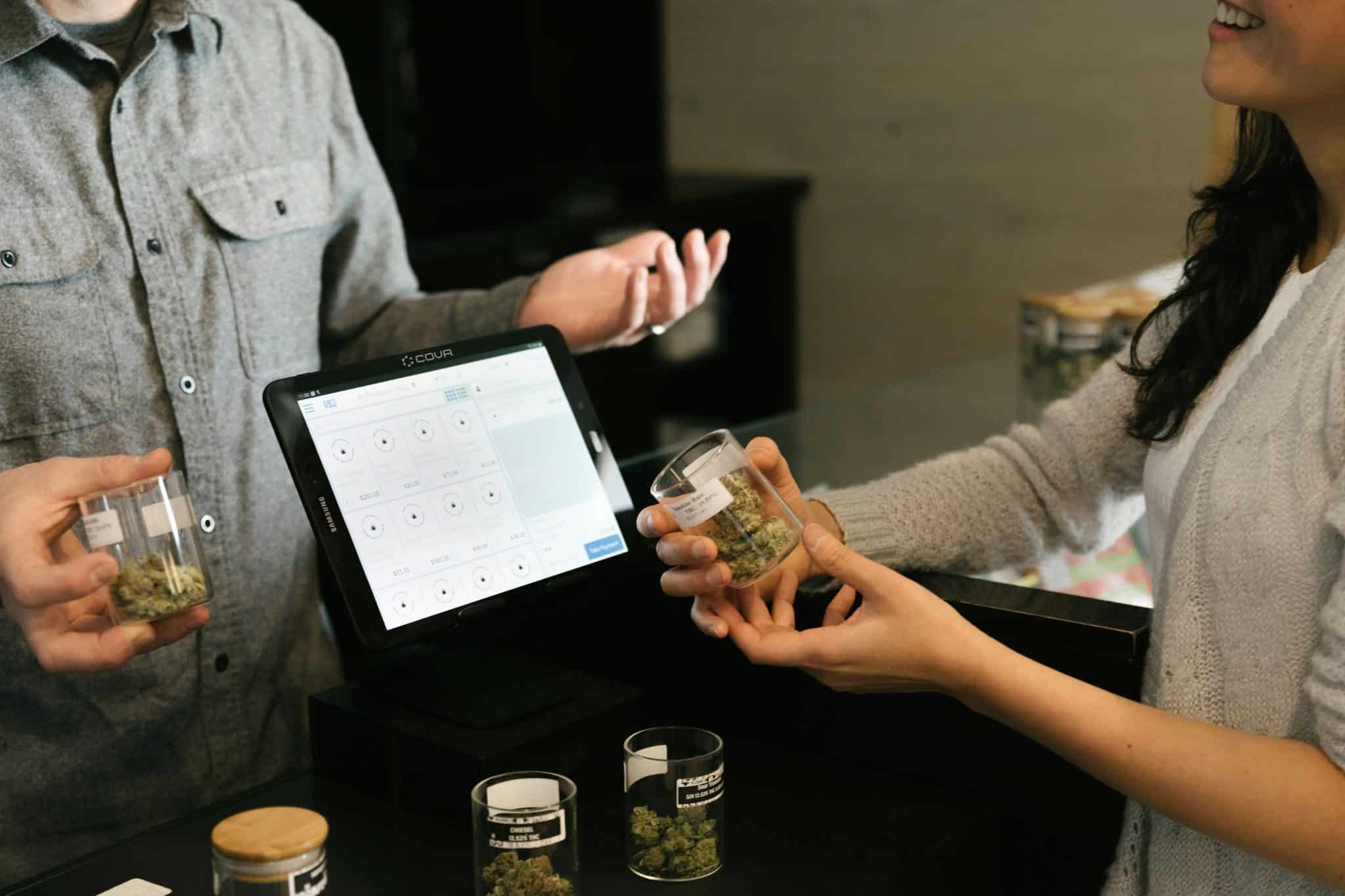
Hawaii operates eight licensed medical marijuana dispensaries across four islands, serving registered patients through a limited but regulated retail network. Each dispensary requires patients to present valid Hawaii medical marijuana cards and government-issued identification before purchasing cannabis products.
Licensed Dispensary Locations:
- Oahu: Aloha Green, Big Island Grown (Honolulu), Cure (Kailua).
- Maui: Maui Grown Therapies (Kahului, Wailuku).
- Big Island: Big Island Grown (Hilo), Cure (Kona).
- Kauai: Cure (Lihue).
Dispensaries typically operate Monday through Saturday with limited Sunday hours. Product selection includes flower, concentrates, edibles, and topicals, though availability varies by location and seasonal harvests. Prices generally range from 15-20 dollars per gram for flower and 50-80 dollars for concentrate products.
Patients can purchase up to their 4-ounce biweekly limit across multiple dispensary visits, but the state tracks all purchases through a seed-to-sale monitoring system. Dispensaries cannot accept credit cards due to federal banking restrictions, requiring cash or debit card payments only.
Inter-island transport of cannabis products requires original dispensary packaging and valid medical marijuana cards. Patients traveling between islands should carry purchase receipts and avoid exceeding possession limits during transport.
Hawaii Cannabis Laws for Tourists and Visitors
Hawaii’s medical marijuana travel policies do not recognize cards from other states, meaning tourists cannot legally purchase or possess cannabis during their visit. This creates significant legal risks for visitors who attempt to bring cannabis from home or purchase from illegal sources.
Key Guidelines for Tourists:
- No legal purchasing options: Dispensaries serve Hawaii residents only.
- Airport security risks: TSA may refer cannabis discoveries to local law enforcement.
- Inter-island travel restrictions: Cannabis possession remains illegal on commercial flights.
- Hotel and resort policies: Most prohibit cannabis use on property regardless of medical status.
Visitors caught with cannabis face the same penalties as residents, with 3 grams or less resulting in a 130 dollar fine and larger amounts potentially leading to felony charges. Tourist status provides no legal protection or leniency in Hawaii’s court system.
Some visitors attempt to obtain temporary medical marijuana registration, but this requires establishing residency and doctor-patient relationships that typically take months to develop. The process is not designed for short-term visitors seeking legal cannabis access.
Tourists should be aware that Hawaii’s decriminalization only applies to possession, not consumption in public places. Using cannabis in hotels, beaches, or other public areas can result in additional charges beyond simple possession penalties.
Note: The content on this page is for informational purposes only and is not intended to be professional medical advice. Do not attempt to self-diagnose or prescribe treatment based on the information provided. Always consult a physician before making any decision on the treatment of a medical condition.
Note: Veriheal does not support illegally consuming therapeutic substances such as cannabis but acknowledges that it transpires because of the current illicit status, which we strive to change by advocating for research, legal access, and responsible consumption. Always consult a physician before attempting alternative therapies.
Ready to explore medical marijuana options legally? Speak with a Veriheal doctor to learn about qualifying conditions and state programs where you live.
Frequently Asked Questions
Are there recreational weed dispensaries in Hawaii?
No, Hawaii has no recreational marijuana dispensaries as of 2026. The state operates a medical-only cannabis program with eight licensed dispensaries serving registered patients exclusively.
Can tourists buy edibles in Hawaii?
No, tourists cannot legally purchase cannabis edibles or any marijuana products in Hawaii. The state does not recognize out-of-state medical cards, and dispensaries serve Hawaii residents only.
Can I take my CBD gummies to Hawaii?
Yes, hemp-derived CBD products containing less than 0.3% THC are legal in Hawaii under federal law. However, CBD products with higher THC concentrations may violate state marijuana laws.
Can I use my out-of-state weed card in Hawaii?
No, Hawaii does not recognize medical marijuana cards from other states. Out-of-state patients must apply for Hawaii registration to legally possess cannabis in the state.
How much weed can you legally have in Hawaii?
Registered medical patients can possess up to 4 ounces of cannabis every 15 days. Non-patients face criminal penalties for any amount, though 3 grams or less is decriminalized as a petty misdemeanor.
Author, Share & Comments