Your medical cannabis journey simplified: find partnered dispensaries, explore pricing options, earn rewards, and get answers to FAQs, all in one spot.
Lyme Disease and its lingering effects can take a serious physical and mental toll on those who suffer from it. Lyme disease is the most commonly transmitted tick-borne disease in the U.S., and its infection rates continue to rise each year.
Cannabis helps manage a wide range of related symptoms (e.g., joint pain, fatigue, insomnia), many of which Lyme disease patients commonly experience. Let’s explore some cannabis applications that could potentially help Lyme disease patients manage their symptoms.
What Exactly Is Lyme Disease & How Does It Get Contracted?
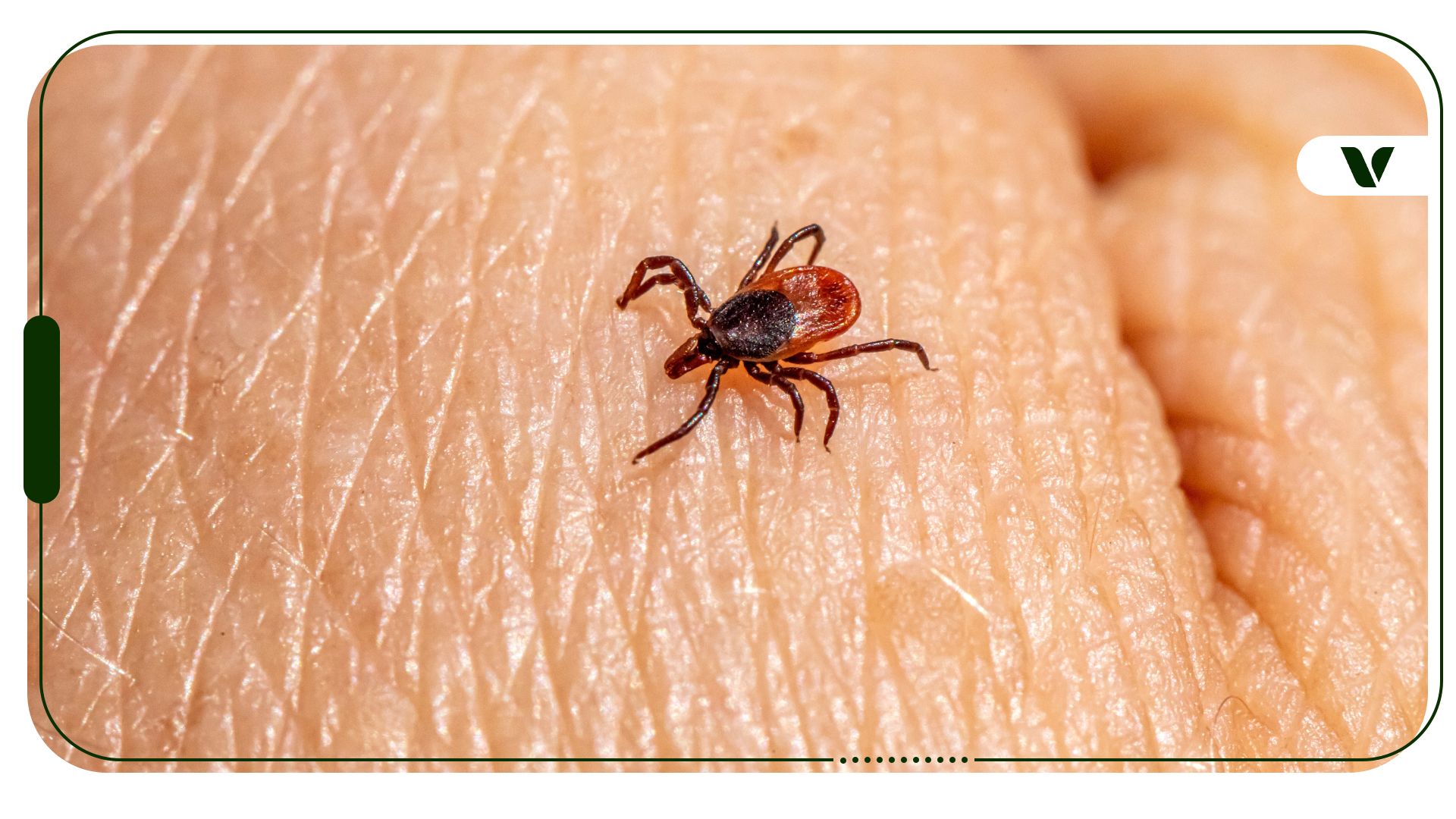
According to the Centers for Disease Control and Prevention (CDC), Lyme disease is “an illness caused by the bacteria Borrelia burgdorferi and spread by blacklegged ticks”. People who live in the northeast, mid-Atlantic, and north-central regions of the U.S. are most at risk of contracting Lyme disease from ticks in forested areas. Some forested regions along the Pacific Coast are also at risk.
Preventing Lyme disease isn’t always as easy as it sounds, but the main ways to do so are to simply avoid tick bites as much as possible and remove them immediately if bitten. Ticks are most active from April to September, or sometimes early fall.
Lyme Disease Symptoms Are From Infected Blacklegged Ticks
A blacklegged tick transmits infection to its host approximately 24 hours after it attaches. Not every single blacklegged tick has Lyme disease to spread to hosts–according to the CDC, infection rates of blacklegged ticks can range from 0%-50% of the entire population.
Symptoms of Lyme disease can manifest themselves a few days after contraction in several ways:
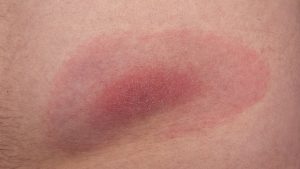
A rash that resembles a bull’s-eye target wherever bitten
Muscle and joint fatigue and inflammation
Arthritic pain
Nerve pain
Severe headaches
Additional rashes
Swollen lymph nodes
Irregular heartbeat
Chest pain
Shortness of breath
Dizziness
Brain inflammation
Numbness, tingling of the extremities
Brain fog
Insomnia & sleep disorders
Fever
How Cannabis Can Potentially Help With Lyme Disease
One of the most remarkable features of cannabis is the synergy it has with the human body. Each one of us has a human endocannabinoid system (ECS) that helps regulate a majority of our internal processes and functions. The ECS has neurotransmitters that include endocannabinoids, which correlate to receptors in the brain and body. Cannabinoids from cannabis consumption in the body react with specific endocannabinoid receptors – as well as dozens of others in the broader endocannabinoidome (eCBome) – to provide the purported medicinal effects of marijuana.
Many symptoms that lead doctors to prescribe medical marijuana also appear in Lyme disease patients. Specific products, strains, cannabinoids, and terpenes familiar to the medical marijuana community may still be unfamiliar to those suffering from Lyme disease. Still, there are no clinical studies directly examining cannabis for Lyme disease patients.
There isn’t a cure for Lyme disease. However, the reported efficacy of cannabis in research studies to provide therapeutic benefits for relevant symptoms and improve quality of life can potentially be a reasonable add-on option to manage it.
Inflammation, Muscle Fatigue, & Chronic Pain
Lotions, balms, and creams containing whole-plant cannabis compounds are a great option to apply to a specific pain area or muscle group. A product containing a good mix of cannabidiol (CBD), cannabigerol (CBG), and tetrahydrocannabinol (THC) will target pain receptors most efficiently as a result of the entourage effect, along with any beneficial terpenes present.
Edibles and tinctures rich in those pain-managing cannabinoids and terpenes may also reportedly help cushion the blow of pain flare-ups. Taking these products regularly also helps reduce inflammation and boost mood over a few weeks.
According to a 2018 survey, medical marijuana patients suffering from several forms of chronic pain reported their preferred strains, cannabinoid ratios, and terpenes found in cannabis to manage symptoms.
Patients suffering from chronic pain prefer hybrid strains, followed closely by indica, then sativa, and then 3:1 CBD:THC. OG Kush crosses such as OG Shark, Pink Kush, Skywalker OG, and Master Kush all ranked high as preferred strains for pain management. These strains include myrcene and caryophyllene as primary terpenes, which may benefit muscle relaxation, inflammation, and chronic pain. 1:1 CBD:THC extracts (tinctures and capsules) were preferred for chronic pain sufferers using extracts.
Headaches Caused By Lyme Disease
The same survey indicates many of the medical marijuana patients also preferred OG Kush crosses to help manage issues related to headaches due to heavy myrcene and caryophyllene terpene levels. Patients preferred joints and vaporizing dry herb as their preferred methods of ingestion, while those who used extracts generally preferred a 3:1 CBD:THC ratio.
See If You Qualify For Medical Marijuana -Select Your State!
Select Your State
Alabama
Alaska
Arizona
Arkansas
California
Colorado
Connecticut
Delaware
Florida
Georgia
Hawaii
Idaho
Illinois
Indiana
Iowa
Kansas
Kentucky
Louisiana
Maine
Maryland
Massachusetts
Michigan
Minnesota
Mississippi
Missouri
Montana
Nebraska
Nevada
New Hampshire
New Jersey
New Mexico
New York
North Carolina
North Dakota
Ohio
Oklahoma
Oregon
Pennsylvania
Rhode Island
South Carolina
South Dakota
Tennessee
Texas
Utah
Vermont
Virginia
Washington
West Virginia
Wisconsin
Wyoming
Never miss a post
Get updates on cannabis culture, new research, and expert insights
This study’s participants also reported using several other strains listed below to manage headaches and pain, with hybrid strains leading the way. Many of these strains have the potential to help manage headaches, joint pain, neuropathy, and painful inflammation associated with Lyme disease.
Afghani
Cannatonic
Bubba Kush
GSC
Headband
Jack Herer
Skywalker OG
Sweet Skunk CBD
Warlock CBD
Lyme Disease Causes Insomnia & Sleep Disorders
Medical Marijuana patients who suffer from insomnia and sleep disorders were also polled in the survey. The majority of these patients preferred to medicate with indica strains, as a surprise to nobody.
Indica strains with a lot of myrcene are beneficial for potentially inducing sleep and delivering more cannabinoids to the brain. Many of these strains contain OG Kush and its large extended family of gassy, lemony, and piney cannabis crosses that have it as a parent. Grandaddy Purple is also a classic sedative strain, supposedly great for nighttime use.
However, when it comes to nighttime relaxation and a solid night’s sleep, cannabinoids like CBD, CBG, cannabinol (CBN), and cannabichromene (CBC) can reportedly be great options too. CBN and CBD–much like so many other cannabinoids–are still in need of more research, but preliminary studies conclude them to be potentially effective sleep aids. Study participants took 20mg of CBN and varying CBD separately and were shown to wake up less during the night with no issues of fatigue the next day.
Lyme disease patients can obtain hemp-derived tinctures or gummies with these cannabinoids at dispensaries, online, or even at the pharmacy in many states nowadays.
Cognitive processing issues, commonly known as “brain fog,” can have a lasting effect on anyone dealing with Lyme disease, though sometimes it’s difficult for physicians to always diagnose correctly. However, brain imaging advancements can now recognize abnormalities in the brain associated with Lyme disease.
According to the Johns Hopkins Medicine Lyme Disease Research Center, the cognitive effects from Lyme disease are a very real phenomenon and are related to “ongoing neuroinflammation”. Neuroprotection is another important function of the ECS, so cannabinoids that synergize with it can potentially help alleviate Lyme disease symptoms like brain fog, memory loss, and processing issues.
CBD is shown to help manage inflammation and neurotoxicity in brain circuits. Findings from a 2024 study also show CBG to be a potential candidate to manage brain fog and processing issues from Lyme disease by showing a “neuroprotective effect against inflammation-driven neuronal damage…”.
Oral administration of CBD oil has been shown to manage traumatic brain injuries and help with recovery to more functional processing, with the hope that it can also potentially work its magic with other neurological issues like Lyme disease-related brain fog. A whole-plant 1:1 CBD: CBG tincture or oil extract can help increase neuroprotective qualities highlighted by these studies.
Reducing Rashes Caused By Lyme Disease with CBD
The human epidermis, or skin, is the largest organ on the entire body. It constantly fights off infection and pain, courtesy of the ECS’s role in skin homeostasis. A 2023 examination of preclinical studies reports an anti-inflammatory potential for improving skin conditions like eczema, acne, pruritus, psoriasis, and skin cancer with CBD gels and ointments.
Lyme disease-related rashes were not studied; however, the correlations between other skin disorders and topicals and tinctures containing cannabinoids like CBD provide potential relief that future research can hopefully confirm. As always, first confirm with a doctor before using any of these products or forms of cannabis.
Find Potential Relief from Lyme Disease-Related Symptoms
Hope can, unfortunately, sometimes be fleeting when you are dealing with a chronically severe affliction like Lyme disease and its multisystem, long-term effects. However, the potential for cannabis and its many whole-plant products, strains, cannabinoids, and terpenes to best manage Lyme disease and improve quality of life can be a much-needed ray of sunshine.
Researchers have put in the work with detailed studies to expound on the findings of cannabis’s true potential to help manage so many different diseases, conditions, and afflictions. All we can do is make the correlations with managing Lyme disease symptoms, while additional studies will hopefully break new ground and continue to help those in need.
Anthony DiMeo is a Southern New Jersey-based journalist and cannabis advocate whose work and advocacy have been featured in Leafly, DOPE Magazine, and the Philadelphia Inquirer. Hobbies include navigating interdimensional psychedelic energy vortexes and tennis.
In the confusing landscape of state-by-state medical marijuana legalization and federal prohibition lies a patient’s pursuit of a better quality of life, balanced with an unrestricted financial livelihood. In workplaces across many different medical marijuana legal states, no law guarantees that a valid, card-carrying MMJ patient status exempts an employee from termination or discrimination stemming…
It feels like every other day, a fresh slang term pops up in the cannabis lexicon, and today, we’re looking at an entry that’s all over TikTok and Reddit – Yart! Spoiler alert: it has everything to do with the humble vape cart (and how challenging it is to talk about cannabis on social media). …
The final stage of life often brings profound challenges for both patients and their families. For patients in hospice and palliative care, common symptoms not only affect the physical body but also their mental well-being. While traditional medications may dull pain, they often come with heavy sedation, confusion, and loss of clarity. Fortunately, medical cannabis…
The old “lazy stoner” stereotype is quickly fading. We now see bodybuilder moms using cannabis for better sleep, runners getting in the zone with the help of weed, and many other examples of cannabis being used in ways that counter the unmotivated stereotypes of the past. As legal access to the plant increases, more people…
If you’re planning to get a medical marijuana card in 2026, you might be wondering whether you need to meet with a certified cannabis doctor—either online or in person. Still, finding a qualified medical marijuana doctor near you can feel overwhelming and confusing if you’re not sure where to start. This guide shows you exactly…
The statements made regarding cannabis products on this website have not been evaluated by the Food and Drug Administration (FDA). Cannabis is not an FDA-approved substance and is still illegal under federal law. The information provided on this website is intended for educational purposes only and is not intended to diagnose, treat, cure, or prevent any disease. It is not intended as medical advice and should not be considered as a substitute for advice from a healthcare professional. We strongly recommend that you consult with a physician or other qualified healthcare provider before using any cannabis products. The use of any information provided on this website is solely at your own risk.