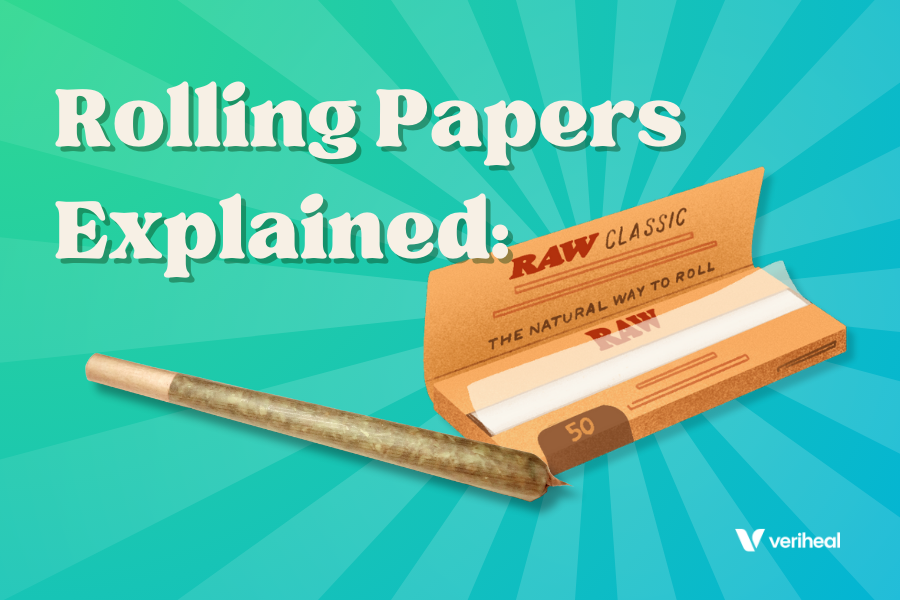
Rolling papers have evolved from 16th-century Spanish cigarette papers into specialized tools designed specifically for cannabis consumption. Today’s consumers can choose from hemp, rice, flax, and other materials, each offering different burn characteristics and flavor impacts.
The modern rolling paper market reflects cannabis culture’s growth, with companies now designing products specifically for herb rather than tobacco. Understanding the materials, sizes, and brands helps you make informed choices for your smoking experience.
The Complete History of Rolling Papers
Rolling papers originated in Alcoy, Spain during the 1500s, where they were initially called cigarette papers and used exclusively for tobacco. Spanish paper mills developed thin, slow-burning papers that allowed aristocrats to smoke tobacco in a more refined manner than pipes or cigars offered.
The connection between rolling papers and the New World runs deeper than most realize. Christopher Columbus brought tobacco back from his voyages, creating demand for smoking materials among European nobility. Spanish craftsmen responded by perfecting the thin paper manufacturing process that would define rolling papers for centuries.
By the 1600s, rolling paper production had spread throughout Europe, with French companies like Job and Rizla establishing themselves as major manufacturers. The industrial revolution mechanized paper production, making rolling papers more affordable and widely available to common consumers rather than just the wealthy.
The 20th century marked rolling papers’ transition from tobacco-focused products to cannabis-friendly alternatives. Companies began developing thinner, cleaner-burning papers as different ways to smoke cannabis gained popularity. This shift intensified during the 1960s counterculture movement, when rolling paper companies recognized cannabis users as a distinct market segment requiring specialized products.
Rolling Paper Materials and Composition
Understanding rolling paper materials helps you choose papers that match your smoking preferences and burn characteristics. Each material offers distinct advantages in terms of flavor, burn rate, and handling.
| Material |
Burn Speed |
Thickness |
Flavor Impact |
Best For |
| Hemp |
Medium |
Medium-thin |
Neutral |
Beginners, even burn |
| Rice paper |
Slow |
Ultra-thin |
Minimal |
Flavor preservation |
| Wood pulp |
Fast |
Thick |
Slight woody |
Quick sessions |
| Flax |
Medium |
Thin |
Clean |
Smooth draws |
| Bamboo |
Slow |
Medium |
Earthy |
Eco-conscious users |
Hemp rolling papers have become the gold standard for cannabis consumption. Hemp fibers create papers that burn cleanly without harsh chemicals or bleaching agents. The natural plant material complements cannabis flavors without interference, making hemp papers ideal for users who want to taste their flower’s terpene profile clearly.
Rice paper offers the thinnest smoking experience available. These ultra-thin papers burn slowly and produce minimal ash, allowing the cannabis flavor to dominate completely. Rice papers require more delicate handling during rolling but reward experienced users with the cleanest possible taste.
Wood pulp papers represent the traditional cigarette paper approach. These thicker papers burn faster than hemp or rice alternatives and may add subtle woody flavors to your smoke. Wood pulp papers work well for quick smoking sessions but can overpower delicate cannabis flavors.
Flax papers provide a middle ground between hemp and rice options. The flax fibers create smooth, consistent burns without the fragility of rice papers. Many users find flax papers easier to roll than ultra-thin alternatives while still maintaining clean flavor profiles.
Popular Rolling Paper Brands and Their Specialties
The rolling paper market offers dozens of brands, each targeting specific user preferences and material specializations. Understanding brand positioning helps you identify papers that match your rolling experience and flavor priorities.
- RAW – Hemp-focused brand known for unbleached, additive-free papers in multiple sizes
- Zig Zag – Traditional wood pulp papers with iconic packaging, widely available
- OCB – French manufacturer specializing in ultra-thin papers and organic options
- JOB – Historic brand offering gold and silver lines in various materials
- Element – Rice paper specialists focused on ultra-thin, slow-burning products
- Rizla – European brand with extensive size range and material variety
RAW has dominated the cannabis-specific market through consistent messaging about natural, unbleached hemp papers. The brand’s brown packaging and unprocessed aesthetic appeal to users seeking minimal chemical intervention in their smoking experience.
Zig Zag maintains its position as the most recognizable rolling paper brand globally. While traditionally tobacco-focused, Zig Zag has expanded into cannabis markets with hemp and organic lines that complement their classic wood pulp offerings.
European brands like OCB and Rizla bring decades of paper manufacturing expertise to cannabis markets. These companies leverage advanced production techniques to create rolling paper alternatives that burn cleaner and more consistently than mass-market options.
Rolling Paper Sizes and Dimensions Guide
Rolling paper sizes follow standardized dimensions that determine how much cannabis fits comfortably and how the finished joint handles during smoking.
| Size Name |
Dimensions |
Cannabis Capacity |
Smoking Time |
Best For |
| Single wide |
70mm x 36mm |
0.25-0.5g |
5-8 minutes |
Solo sessions |
| 1 1/4 size |
78mm x 44mm |
0.5-0.75g |
8-12 minutes |
1-2 people |
| 1 1/2 size |
78mm x 60mm |
0.75-1g |
12-15 minutes |
2-3 people |
| King size |
110mm x 44mm |
1-1.5g |
15-20 minutes |
Groups |
| King slim |
110mm x 53mm |
1.25-1.75g |
18-25 minutes |
Extended sessions |
Single wide papers work best for personal smoking sessions or when conserving cannabis. The smaller dimensions create concentrated flavor experiences but require more frequent rolling if you prefer longer sessions.
1 1/4 size papers represent the most popular choice among regular cannabis users. This size accommodates most smoking preferences without waste while remaining easy to handle during rolling. Most rolling tutorials and techniques target 1 1/4 papers as the standard learning size.
King size options suit group smoking or extended personal sessions. The longer length allows for more cannabis while maintaining manageable thickness. King slim papers offer maximum capacity for users who prefer substantial joints without excessive thickness that creates draw resistance.
Choosing the Right Rolling Papers for Your Needs
Selecting rolling papers depends on your experience level, flavor preferences, and typical smoking situations. Different combinations of material, size, and brand characteristics create distinct smoking experiences.
For beginners, hemp papers in 1 1/4 size offer the best learning combination. Hemp’s medium thickness forgives rolling mistakes while providing even burns that won’t go out unexpectedly. Avoid ultra-thin rice papers until your rolling technique develops consistency.
Flavor-focused users should prioritize rice papers or high-quality hemp options from brands like RAW or Element. These materials add minimal taste interference, allowing cannabis terpenes to dominate the smoking experience. Pair thin papers with proper storage techniques to preserve your flower’s flavor potential.
Group sessions benefit from king size papers in hemp or flax materials. The larger dimensions accommodate multiple users’ preferences while maintaining structural integrity throughout extended smoking periods. Consider slower-burning materials for groups to prevent waste from rapid consumption.
Experienced rollers can experiment with ultra-thin rice papers, flavored options, or specialty materials like bamboo or transparent cellulose. These advanced options require developed technique but offer unique smoking experiences unavailable with standard papers.
Your choice also depends on blunt versus joint preferences. Rolling papers suit users who prefer pure cannabis flavor without tobacco leaf interference, while blunt wraps appeal to those wanting added flavor complexity and slower burn rates.
Ready to explore cannabis consumption methods that work for your lifestyle? Find a medical marijuana doctor to discuss personalized recommendations and legal access options in your state.
Note: The content on this page is for informational purposes only and is not intended to be professional medical advice. Do not attempt to self-diagnose or prescribe treatment based on the information provided. Always consult a physician before making any decision on the treatment of a medical condition.
Note: Veriheal does not support illegally consuming therapeutic substances such as cannabis but acknowledges that it transpires because of the current illicit status, which we strive to change by advocating for research, legal access, and responsible consumption. Always consult a physician before attempting alternative therapies.
Frequently Asked Questions
What are rolling papers made from?
Rolling papers are made from hemp, rice, wood pulp, flax, or bamboo fibers processed into thin sheets.
When were rolling papers invented?
Rolling papers were invented in Alcoy, Spain during the 1500s for tobacco smoking among aristocrats.
Which rolling paper material burns slowest?
Rice papers and bamboo papers burn slowest due to their density and fiber composition.
What size rolling papers should beginners use?
Beginners should start with 1 1/4 size hemp papers, which offer manageable dimensions and forgiving material properties.
Do different rolling papers affect cannabis taste?
Yes, wood pulp papers add woody flavors while rice and hemp papers preserve natural cannabis terpene profiles.
Are hemp rolling papers better than wood pulp?
Hemp papers burn more evenly and add less flavor interference, making them preferred for cannabis over traditional wood pulp papers.
What’s the difference between king size and king slim papers?
King size papers are 110mm x 44mm while king slim papers are 110mm x 53mm, offering more width for larger capacity joints.
Can you use cigarette papers for cannabis?
Yes, but cigarette papers are typically wood pulp-based and may contain chemicals that interfere with cannabis flavors compared to hemp alternatives.
Author, Share & Comments