Your medical cannabis journey simplified: find partnered dispensaries, explore pricing options, earn rewards, and get answers to FAQs, all in one spot.
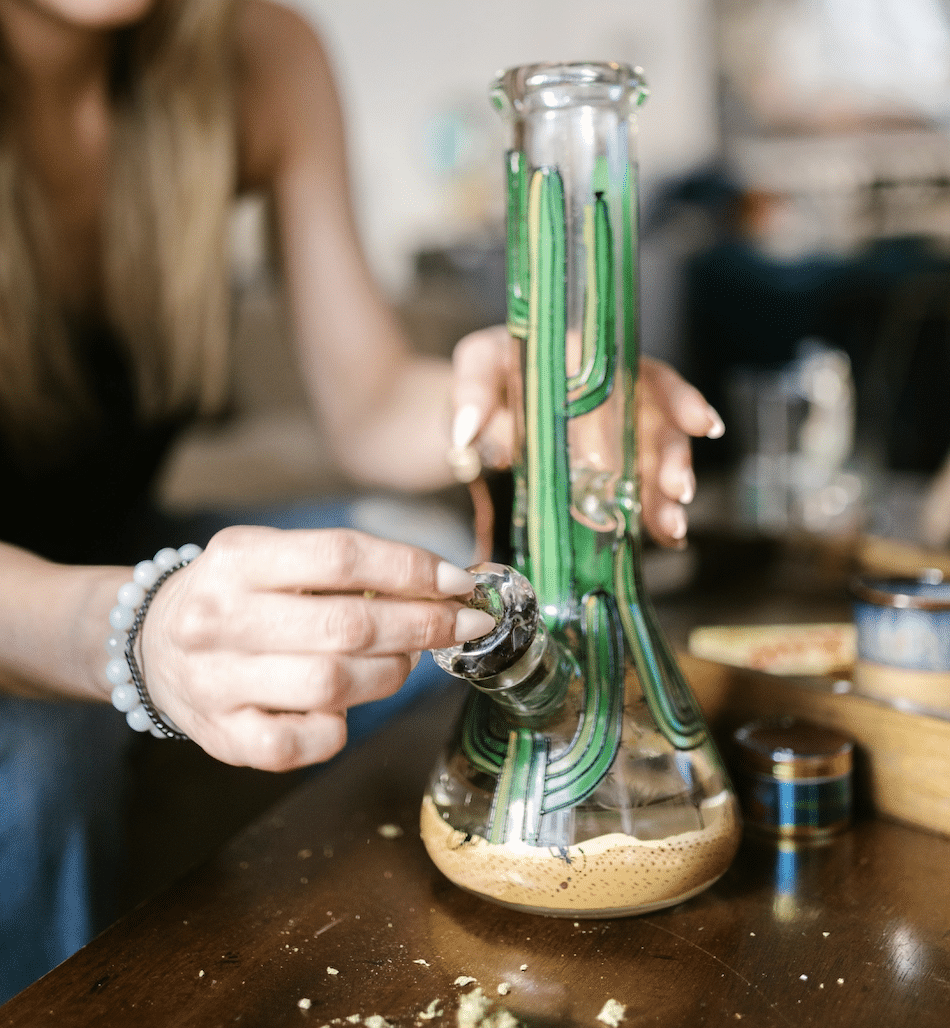
Bongs are more than just glass pieces: they’re precision tools that shape every cannabis hit. Unlike other marijuana smoking methods like joints or pipes, bongs use water to cool and filter smoke. This process transforms hot, harsh inhales into smoother, tastier, more customizable draws.
However, a bong’s size, along with its other features, plays a vital role in shaping one’s cannabis smoking experience. Each style delivers something unique, and every feature and material directly influences flavor, filtration, and hit intensity.
In this article, you’ll gain a clear understanding of how these differences work so you can best choose a bong that fits your lifestyle, budget, and smoking preferences.
Why Choose a Bong For Cannabis Consumption?
Bongs, also called water pipes, remain a popular consumption method for recreational and medical marijuana consumers because they deliver smoother, cooler hits that feel less harsh compared to other cannabis smoking methods.
Because the smoke passes through water, it makes it easier on the throat and lungs. Features like the addition of ice catchers or percolators enhance this effect, providing sensitive users with an even gentler inhale.
Bongs also hit harder and faster than joints or dry pipes. The chamber lets users inhale more smoke at once, sending a concentrated dose of THC (tetrahydrocannabinol) into the body. The result is a powerful, quicker high than the comparatively minor hits from joints or pipes.
Additionally, bongs help reduce cannabis plant waste and add flexibility. Unlike joints that burn constantly, a bong only consumes cannabis when it’s lit. Recent research found that one bong hit delivers effects roughly equal to two puffs from a joint, pipe, or vaporizer, helping standardize cannabis dosing across methods.
This makes each smoking session more efficient and cost-effective over time. And, with the countless shapes, sizes, and add-ons bongs come with, users can customize their setup to fine-tune their cannabis consumption experience.
The Science of Bong Function
A bong is a water pipe that filters and cools smoke before it reaches your lungs. Bongs function through three primary mechanisms: water filtration, diffusion, and smoke travel.
Most bongs share the same main parts, including:
Bowl: Holds dried herb, often removable for clearing smoke.
Downstem: Directs smoke from the bowl into the water.
Water Chamber: Cools and filters smoke through bubbling.
Mouthpiece: The opening where you inhale.
Percolator (optional): Breaks smoke into smaller bubbles, improving diffusion and creating smoother hits.
Carb Hole (optional): Controls airflow and smoke release.
When you light the bowl, smoke moves through the downstem into the water, creating bubbles. This process, called diffusion, breaks the smoke into smaller streams. Smaller streams cool and filter the smoke more effectively. Some bongs use a percolator with slits or holes to boost diffusion and make hits even smoother.
After cooling and filtration, the smoke collects in the chamber until you inhale through the mouthpiece. Removing the bowl or uncovering the carb hole creates a vacuum that clears the chamber in one burst. This delivers a concentrated hit that, without water cooling, would feel far too harsh on the throat and lungs.
But water filtration offers more than smoking comfort. The water also traps tar and ash, giving the smoke a cleaner taste while reducing coughing and throat irritation.
Cooler smoke also preserves terpenes, which enhance marijuana’s flavor and therapeutic effects. However, extra water filtration adds drag, which is the resistance you feel when inhaling, and makes smoking harder.
How a Bongs Size, Shape, and Type Affect Cannabis Flavor, Filtration, and Hit Intensity
A bong’s size, shape, and type influence flavor, filtration, and hit intensity by controlling smoke diffusion, cooling, and heat transfer.
Flavor
Smaller, simpler bongs like mini or straight tubes keep smoke on a short path with minimal filtration. This direct pull preserves more terpenes, letting users taste stronger, more aromatic hits.
Larger or more complex bongs often feature multiple percolators and chambers. These designs cool smoke more but filter out delicate terpenes. The result is a smoother, but less flavorful, smoke.
Filtration
Some types of bongs, like Beaker bongs and multi-percolator designs, force smoke through more water. This traps ash and tar, producing smoother, cleaner hits. While easier on the lungs, these types of bongs strip away some of the flavor.
Similarly, recycler bongs push smoke and water through multiple cycles. This design maximizes cooling and filtration, creating an exceptionally smooth draw. However, repeated filtering further mutes flavor and delivers a milder profile.
Hit Intensity
Small bongs fill their chambers quickly, producing dense, concentrated hits. These hits feel strong and harsh because the smoke has little time to cool.
Conversely, large bongs give smoke more distance and water volume to travel through. This cools the smoke, creating smoother, less irritating hits. While less intense, bigger chambers allow users to inhale more overall smoke.
The Types and Sizes of Bongs: How Each Affects the Cannabis Smoking Experience
Choosing the right bong goes beyond style—it directly affects flavor, smoothness, and the strength of each hit. Bongs come in many materials, shapes, and sizes, each with unique benefits and trade-offs.
Bong Materials and Their Effects
Glass Bongs
Glass remains the most popular choice of bong material. Glass preserves flavor, resists heat, supporting complex features like percolators and ice catchers. Glass bongs also provide the cleanest taste, making them ideal for users who prioritize flavor.
Glass bongs clean more effectively than some materials because glass is non-porous and resists harsh cleaners. However, glass breaks easily, feels less portable, and usually costs more than other options.
Silicone Bongs
Silicone bongs offer unmatched durability and flexibility. They resist breaking, fold for storage, and travel well. Many come apart for easy cleaning, and typically clean easier than some bongs materials because their non-stick surface prevents buildup.
Their downside is reduced flavor clarity, since silicone can mute terpenes. Some low-quality silicone may also add unwanted odors or taste if overheated.
Acrylic Bongs
Acrylic bongs offer an affordable and lightweight option that withstands rough handling better than glass. As such, they are commonly suited for beginners.
They also come in a wide range of unique colors and designs. Still, acrylic can warp under heat, trap odors, and lack the clean flavor that glass delivers.
See If You Qualify For Medical Marijuana -Select Your State!
Select Your State
Alabama
Alaska
Arizona
Arkansas
California
Colorado
Connecticut
Delaware
Florida
Georgia
Hawaii
Idaho
Illinois
Indiana
Iowa
Kansas
Kentucky
Louisiana
Maine
Maryland
Massachusetts
Michigan
Minnesota
Mississippi
Missouri
Montana
Nebraska
Nevada
New Hampshire
New Jersey
New Mexico
New York
North Carolina
North Dakota
Ohio
Oklahoma
Oregon
Pennsylvania
Rhode Island
South Carolina
South Dakota
Tennessee
Texas
Utah
Vermont
Virginia
Washington
West Virginia
Wisconsin
Wyoming
Never miss a post
Get updates on cannabis culture, new research, and expert insights
Ceramic Bongs
Ceramic bongs deliver smooth, mellow hits and artistic appeal. They hold heat well, which keeps the smoke warm and steady.
Their handcrafted designs often make them both decorative and functional. However, ceramic bongs are heavy, break easily if dropped, and may appear less frequently in brick-and-mortar shops.
Hybrid Bongs
Hybrid bongs combine materials like glass, silicone, or metal. These designs strike a balance between durability and flavor, offering users a strong hit and great taste.
Many hybrid bongs even include detachable parts that simplify cleaning and maintenance. The trade-off is cost, as hybrids often run more expensive than other options.
Bong Shapes and Their Effects
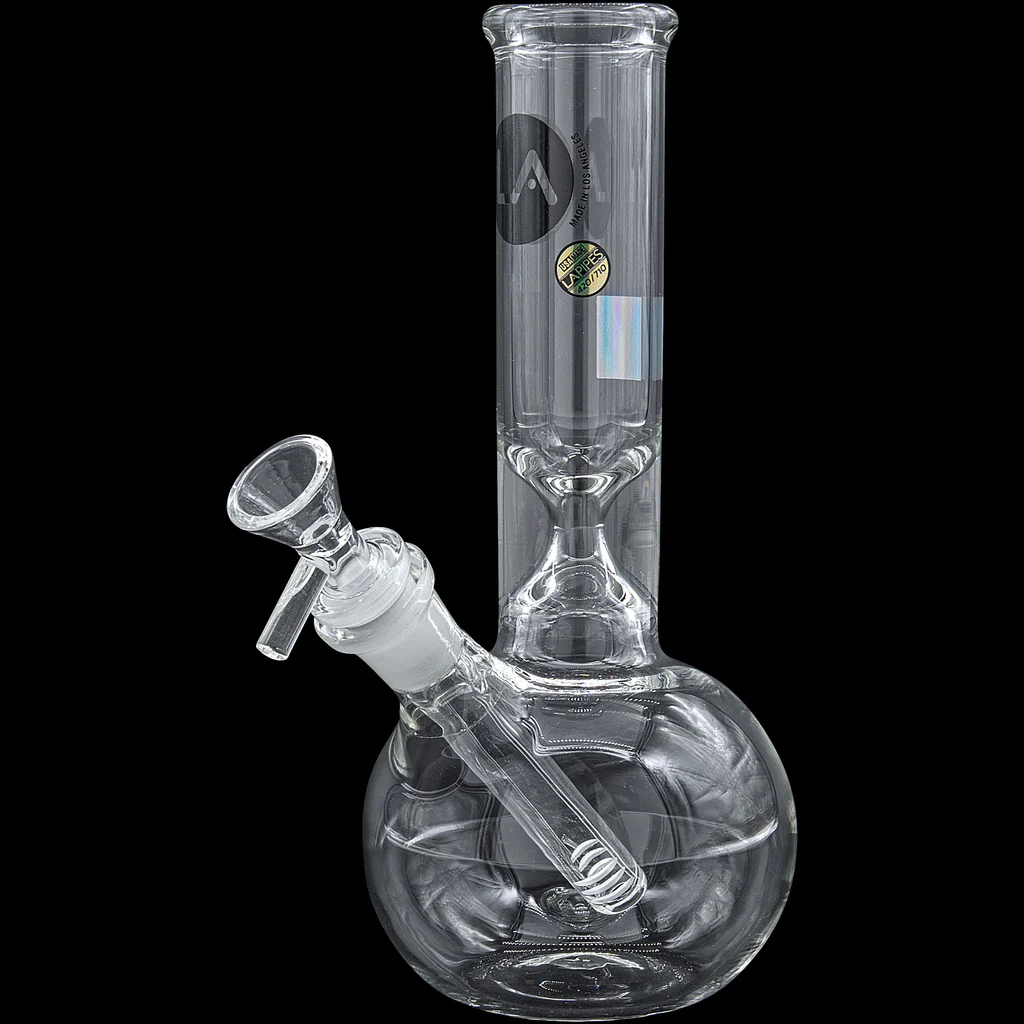
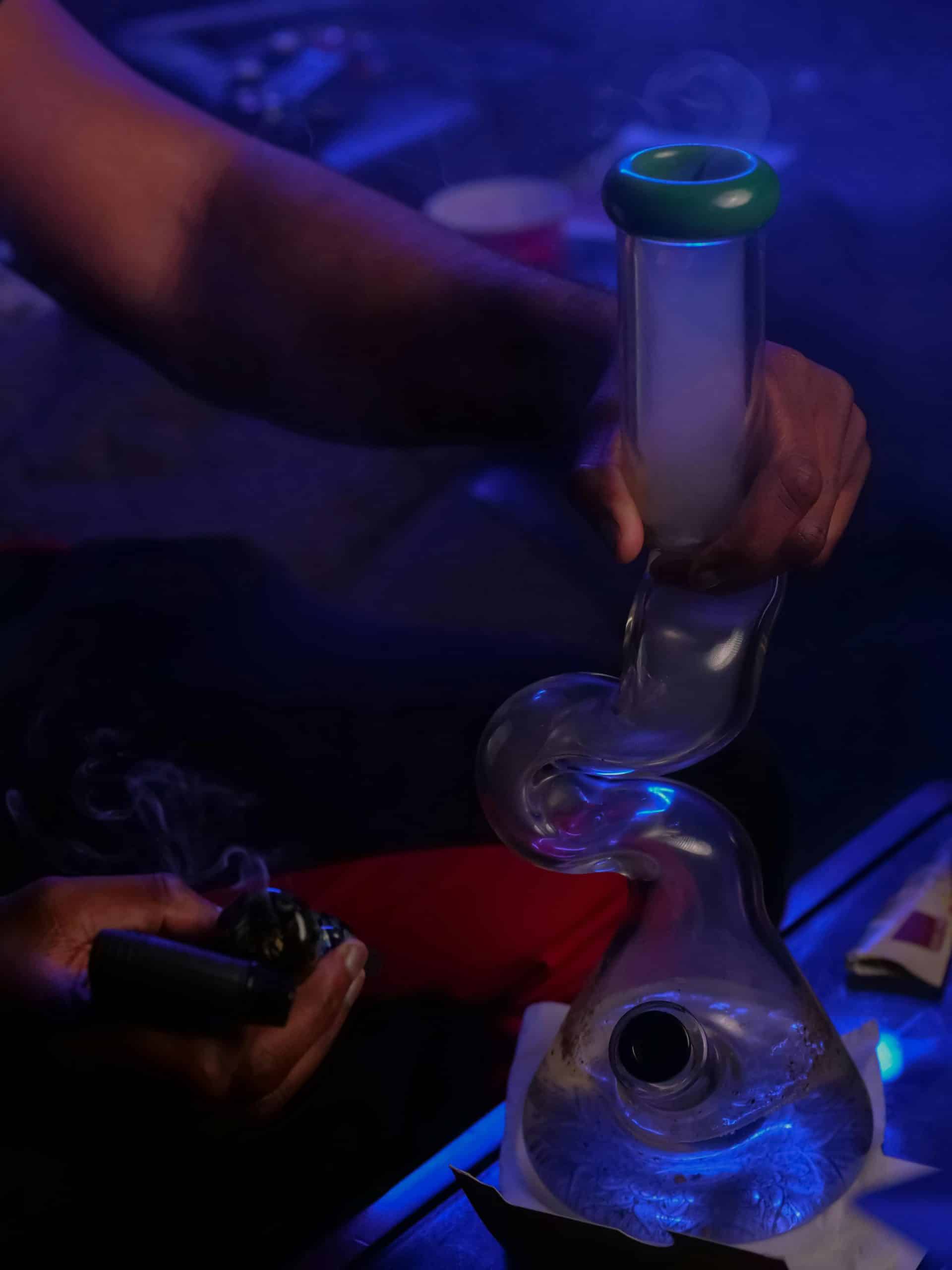
“Baller” Bubble Base Bong from LA Pipes | Photo courtesy of LA Pipes
Straight Tube Bongs
Straight tube bongs deliver fast airflow and strong, direct hits. Their design makes cleaning easy and keeps them lightweight.
However, they allow less cooling, which makes hits feel harsher. They also tip over more easily than wider designs.
Beaker Bongs
Beaker bongs hold more water and stay stable on flat surfaces. The extra volume cools the smoke for smoother hits and less throat irritation.
They also create larger smoke clouds, which appeal to heavy hitters. However, cleaning takes more effort than some shapes, and they need more water for every session.
Round Base Bongs
Round base bongs or “bubble base bongs” strike a balance between smoothness and flavor. Their rounded chamber adds stability and hold more water than straight tubes.
This shape supports bigger hits, but can wobble if the base is small. The downside of this shape is that resin builds up faster in its curves, which makes cleaning tricky.
Recycler Bongs
Recycler bongs cycle smoke and water through looping chambers. This design maximizes filtration and gives very smooth, cooled hits.
They also reduce water splashback, which keeps the mouthpiece cleaner. The trade-off is more drag, a complex design, and tougher cleaning.
Percolator Bongs
Percolator bongs use built-in filter designs like a tree, showerhead, or honeycomb to break smoke into tiny bubbles. This process cools and filters smoke more effectively, creating smoother hits.
However, a bong with more percolators increases drag while also adding weight, cost, and cleaning difficulty.
Ice Bongs
Ice bongs feature notches or “ice catchers” in the neck. These hold ice cubes above the water chamber.
The ice cools the smoke even further, creating smooth, frosty hits. Users enjoy less throat irritation, but melting ice adds water quickly and requires frequent draining.
Mini Bongs and Bubblers
Mini bongs and bubblers excel in terms of portability and ease of storage. Their smaller chambers preserve flavor and allow fast, simple hits.
However, their smaller size limits smoke cooling, which makes hits harsher. They also hold less water and need more frequent refills.
Waterfall Bongs
Waterfall bongs use gravity and a water-filled chamber to pull smoke into the bottle or base. When you light the bowl and release the water, suction fills the chamber with dense smoke.
This design delivers powerful, concentrated hits, but hits feel harsher than traditional water bongs. They’re often DIY or novelty pieces rather than daily-use bongs.
Novelty Shapes
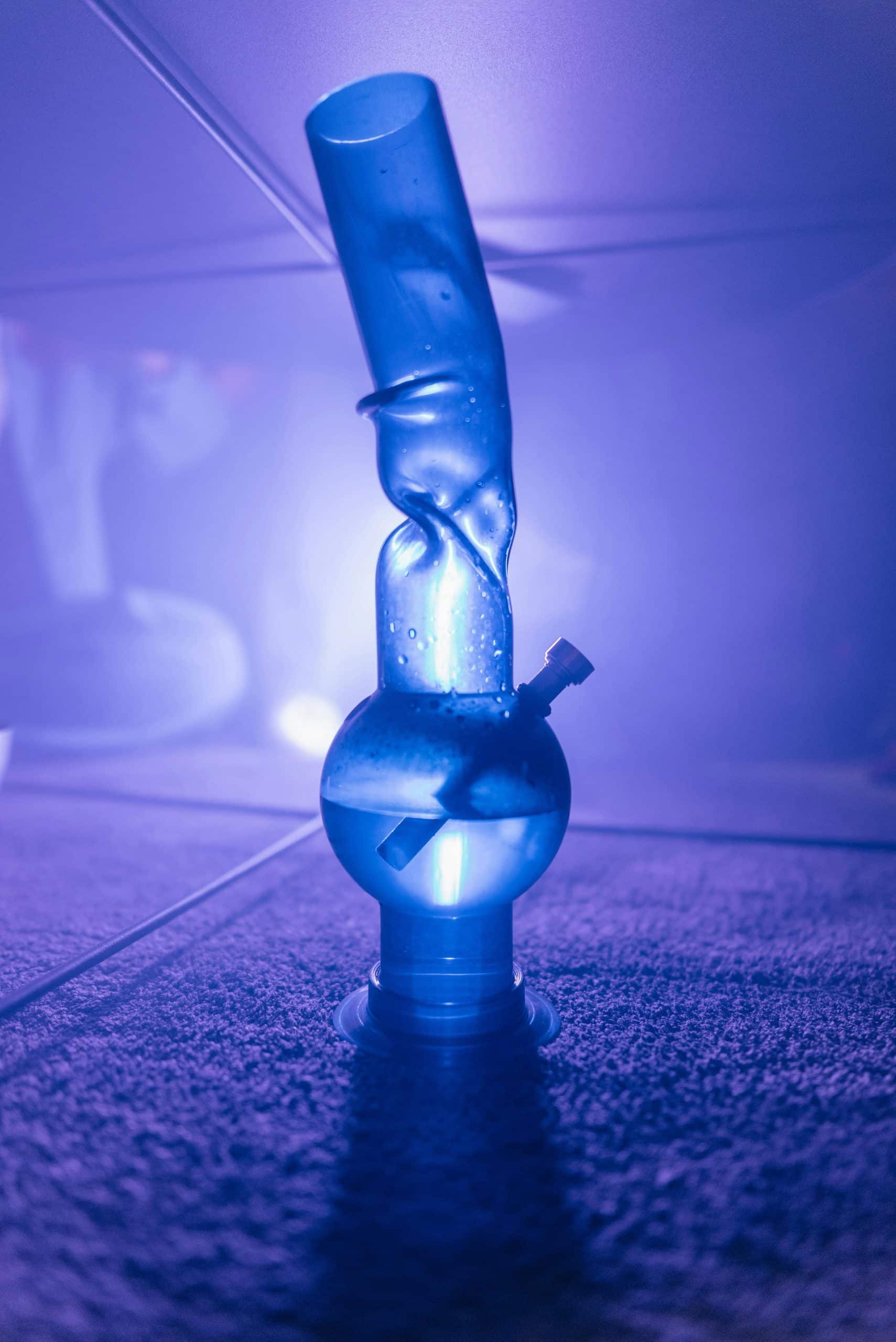
Novelty bongs include zig-zag tubes, Fabergé egg styles, and bent necks. These unique shapes prevent splashback and add aesthetic appeal.
Some angles improve airflow, while others increase drag. However, these designs can be challenging to clean and may not work as efficiently as standard bongs due to their shape.
Choosing the Right Bong for You
When choosing a bong, lifestyle matters. The right size, shape, and material depend on what you value most—portability, flavor, budget, drag heaviness, or smoking intensity.
Typically, beginners should prioritize ease and affordability as they learn their preferences, while seasoned smokers can explore complex designs to fine-tune their experience.
Portability
For smokers on the go, the ideal bong might be silicone because they pack easily, resist breaking, and travel well.
Flavor
When the cleanest taste and terpene preservation are a top priority, glass bongs deliver. They cost more and travel less easily but give superior flavor and effect.
Budget
Acrylic bongs are the cheapest and work well for cannabis smoking beginners. Conversely, glass and hybrids cost more but may offer better durability and taste.
Experience Level
Beginners may benefit from small, simple bongs, such as mini glass or acrylic pieces. Experienced smokers may instead prefer larger bongs with percolators or recyclers for stronger filtration and customization.
Hit Intensity
Small bongs produce dense, harsh hits with a slight cooling effect. Large bongs use more water to cool smoke, while percolators push smoothness further—though they add drag and cleaning challenges.
Pro Tips for the Best Bong Smoking Experience
Use clean, purified water to avoid harsh flavors and impurities.
Add ice to any water bong for extra cooling, but certain bongs have built-in ice catchers to hold ice in place and cool smoke more efficiently.
Clean your bong regularly to prevent resin buildup and preserve flavor.
Change the bong water often to keep the smoke smooth and fresh. You can’t change bong water too frequently—when in doubt, replace it.
Match the bong to your session: use smaller bongs for quick hits and larger ones for smoother, slower smoking.
Sarah Welk Baynum is a Columbus, Ohio based published fiction author and experienced freelance writer specializing in long-form content. When she isn't working on her next novel or writing for her clients, she enjoys spending time riding and competing in showjumping or eventing with her two horses, Tilly and Letty.
In the confusing landscape of state-by-state medical marijuana legalization and federal prohibition lies a patient’s pursuit of a better quality of life, balanced with an unrestricted financial livelihood. In workplaces across many different medical marijuana legal states, no law guarantees that a valid, card-carrying MMJ patient status exempts an employee from termination or discrimination stemming…
It feels like every other day, a fresh slang term pops up in the cannabis lexicon, and today, we’re looking at an entry that’s all over TikTok and Reddit – Yart! Spoiler alert: it has everything to do with the humble vape cart (and how challenging it is to talk about cannabis on social media). …
The final stage of life often brings profound challenges for both patients and their families. For patients in hospice and palliative care, common symptoms not only affect the physical body but also their mental well-being. While traditional medications may dull pain, they often come with heavy sedation, confusion, and loss of clarity. Fortunately, medical cannabis…
If you’re planning to get a medical marijuana card in 2026, you might be wondering whether you need to meet with a certified cannabis doctor—either online or in person. Still, finding a qualified medical marijuana doctor near you can feel overwhelming and confusing if you’re not sure where to start. This guide shows you exactly…
Cannabis consumers in the legal market rely on proper analysis and testing as a matter of knowledge and safety regarding the composition of the weed they’re purchasing. One of the main differences between the state-run legal market and the black and gray cannabis markets is how they handle testing. Those of us in medical and…
The statements made regarding cannabis products on this website have not been evaluated by the Food and Drug Administration (FDA). Cannabis is not an FDA-approved substance and is still illegal under federal law. The information provided on this website is intended for educational purposes only and is not intended to diagnose, treat, cure, or prevent any disease. It is not intended as medical advice and should not be considered as a substitute for advice from a healthcare professional. We strongly recommend that you consult with a physician or other qualified healthcare provider before using any cannabis products. The use of any information provided on this website is solely at your own risk.