The relationship between cannabis and thyroid conditions is more complicated than most people expect, and the research does not point in a single direction. If you have a thyroid condition and you are wondering whether cannabis could help, the honest answer is that the science is limited, the effects differ depending on whether your thyroid is overactive or underactive, and speaking with a physician is not just a formality.
The thyroid is a small gland at the base of your neck that regulates metabolism, energy, heart rate, and hormone production. When it malfunctions, the consequences ripple through nearly every system in your body. That is why the question of how cannabis interacts with thyroid function deserves a careful answer rather than a simple one.
What Does Cannabis Research Actually Show About Thyroid Function?
Most of what researchers know about cannabis and thyroid function comes from observational studies, not controlled clinical trials. The most frequently cited piece of evidence is a 2017 study published in the journal Thyroid by Malhotra et al., which examined thyroid markers in adolescent cannabis users compared to non-users. The study measured thyroid-stimulating hormone (TSH), free thyroxine (T4), and thyroid peroxidase (TPO) antibodies, which are a marker of autoimmune thyroid activity.
The study found that cannabis users had lower TSH levels than non-users. TSH is the pituitary hormone that signals the thyroid to produce T3 and T4, so lower TSH means the pituitary is sending less of that signal. TPO antibody levels showed no significant difference between groups, which suggests that cannabis affects thyroid hormone signaling rather than triggering autoimmune activity directly, according to the 2017 Malhotra et al. study on cannabis use and TSH levels in adolescents. That is a meaningful distinction, and one the current clinical research and studies on this topic have not yet fully resolved.
A separate study comparing thyroid markers in healthy subjects and cannabis users found mixed results, with no clear consensus on the direction or magnitude of any effect. The overall picture is one of limited, inconsistent data.
Why the Research Is Hard to Interpret
Several factors make the existing research difficult to apply to individual patients. Most studies have used adolescent populations, which may not reflect how cannabis affects adult thyroid function. Cannabis use in these studies is self-reported, meaning frequency, dose, and duration are rarely controlled.
The ratio of tetrahydrocannabinol (THC) to cannabidiol (CBD) in the products studied varies widely, and those two compounds interact with the body through different mechanisms. Until researchers conduct randomized controlled trials specifically designed around thyroid patients, the evidence base will remain incomplete.
How the Endocannabinoid System Interacts With the Thyroid
Understanding why cannabis can affect thyroid hormones at all requires a brief look at how the endocannabinoid system connects to the thyroid. CB1 and CB2 receptors, the primary targets of both THC and CBD, are present in thyroid tissue. They are also present in the pituitary gland, which produces TSH. Because the endocannabinoid system influences pituitary signaling, cannabis compounds can affect thyroid hormone regulation indirectly, even without acting on the thyroid itself.
THC binds directly to CB1 receptors and appears to suppress TSH secretion in some research contexts, which is the mechanism behind the lower TSH levels seen in the Malhotra et al. study. CBD works differently. It does not bind directly to CB1 or CB2 receptors with the same affinity, and it does not carry the same association with TSH suppression. If you are comparing the two compounds for thyroid-related purposes, understanding CBD and THC ratios matters because the distinction affects what effects you might experience.
CBD has also been studied for its anti-inflammatory properties, which is why some people with autoimmune thyroid disease have explored it. The evidence for CBD specifically reducing thyroid autoimmunity is preliminary, but its anti-inflammatory pathway is distinct from THC’s and does not carry the same TSH suppression concern.
What Is Hyperthyroidism, and How Might Cannabis Affect It?
Hyperthyroidism means your thyroid is producing too much T3 and T4. Elevated thyroid hormones speed up metabolism and can cause a racing heart, anxiety, unintended weight loss, heat sensitivity, and sleep disruption. Graves’ disease is the most common autoimmune cause of hyperthyroidism, and it occurs when the immune system produces antibodies that stimulate the thyroid to overproduce hormones.
Because THC has been associated with lower TSH levels in some studies, some patients with hyperthyroidism have reasoned that cannabis might counteract an overactive thyroid. That reasoning has some surface logic, but the research does not support it as a clinical approach. The TSH suppression seen in observational studies is inconsistent, tolerance and chronic use change these effects over time, and no study has examined cannabis as a treatment for hyperthyroidism specifically.
What some patients report is symptom-level relief: cannabis may help with the anxiety, sleep disruption, and mood effects that hyperthyroidism causes, but that is different from an effect on the thyroid itself.
People using cannabis for symptom relief alongside hyperthyroidism have most commonly reported benefits in these areas:
- Anxiety and sleep relief from elevated hormone states
- Reduced heart rate perception during acute THC use, though this effect is inconsistent and THC can also temporarily raise heart rate in some users
- Mood stabilization during periods of hormone fluctuation
These are symptom-level observations, not disease-modifying effects. Any use alongside active hyperthyroidism treatment should be discussed with your prescribing physician.
Thyroid Eye Disease and Cannabis Risk
Graves’ disease can cause a complication called Thyroid Eye Disease (TED), an autoimmune condition that inflames the tissues behind the eyes. If you have TED or are at risk for it, smoking cannabis introduces combustion byproducts that may irritate orbital tissue and worsen inflammation. This does not mean all cannabis use is off limits, but the consumption method becomes an important variable.
Vaporized or ingested cannabis avoids the smoke exposure concern that makes smoked cannabis a specific risk for anyone with active eye involvement. This is a conversation to have with both your endocrinologist and an ophthalmologist familiar with Graves’ complications before making any decision.
What Is Hypothyroidism, and What Does Cannabis Research Show?
Hypothyroidism means your thyroid is not producing enough T3 and T4. The result is a slowed metabolism, fatigue, weight gain, cold sensitivity, depression, and brain fog. Hashimoto’s thyroiditis is the most common autoimmune cause of hypothyroidism, and it occurs when the immune system attacks thyroid tissue over time.
The TSH finding from Malhotra et al. is more concerning for people with hypothyroidism than for those with hyperthyroidism. If your thyroid is already underproducing hormones, a further reduction in TSH signaling from cannabis use is not a neutral event. Lower TSH means the pituitary is sending less of the signal that tells your thyroid to produce hormones, and for someone managing hypothyroidism, that directional effect matters. It is important to note that the Malhotra study examined adolescents, and results may not translate directly to adult patients on thyroid replacement therapy.
Hashimoto’s Disease and CBD
Because Hashimoto’s thyroiditis is an autoimmune condition, some patients have explored cannabidiol (CBD) for its anti-inflammatory properties. CBD does not suppress TSH in the same way THC does, which makes it a more commonly considered option for people with autoimmune thyroid disease.
However, the clinical research on CBD and immune modulation in autoimmune conditions CBD specifically managing Hashimoto’s disease is preliminary. Reduced inflammation is a plausible mechanism, but it has not been demonstrated in thyroid-specific trials. If you are taking levothyroxine for hypothyroidism, discuss any cannabis or CBD use with your prescribing physician before adding it to your routine, because the interaction landscape for people on thyroid hormones is more complicated than it appears.
Cannabis and Thyroid Medications: What You Need to Know
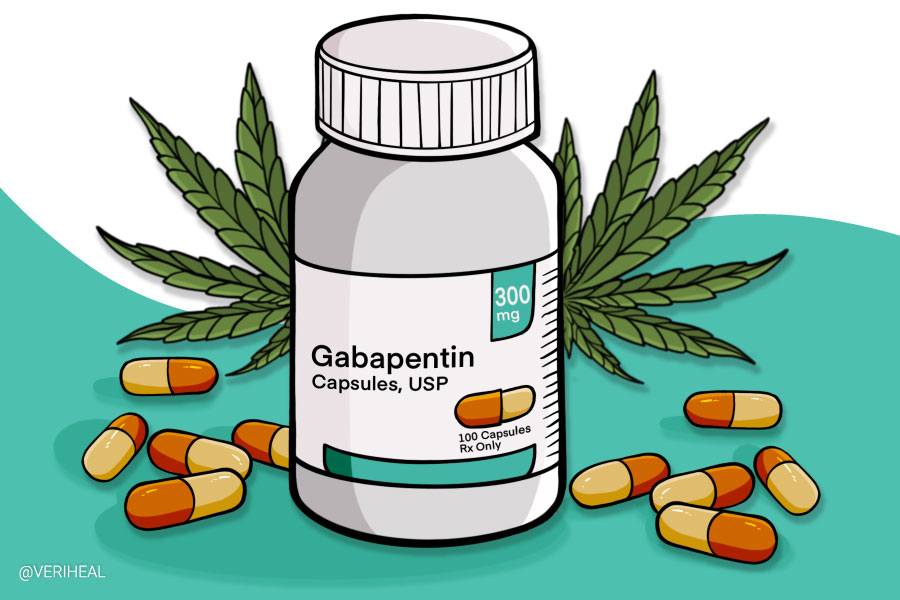
Understanding cannabis and drug interactions is especially relevant here because cannabidiol (CBD) is a known inhibitor of cytochrome P450 enzymes, specifically CYP3A4 and CYP2C9. These enzyme pathways are involved in metabolizing a wide range of medications.
For thyroid patients, the specific concerns are:
- CBD and corticosteroids: CYP3A4 metabolizes corticosteroids, which are sometimes prescribed alongside thyroid treatment for inflammation or adrenal involvement. CBD inhibiting this pathway can raise corticosteroid blood levels.
- CBD and beta-blockers: Beta-blockers are commonly prescribed to manage the elevated heart rate and anxiety associated with hyperthyroidism. Several beta-blockers are metabolized via CYP2C9, and CBD inhibition of this enzyme can affect their plasma concentration.
- THC and heart rate: THC temporarily raises heart rate in many users, which is a concern for patients with hyperthyroidism who already experience elevated resting heart rate, according to CDC guidance on cannabis and heart health. This is not an absolute contraindication, but it is a variable your physician needs to know about.
- Cannabis and antibiotics: Patients with Graves’ disease or post-thyroiditis infections may be on antibiotic courses. Understanding cannabis and antibiotics interactions is relevant if you are managing concurrent treatment.
Levothyroxine itself is primarily metabolized through a different pathway, so direct CBD enzyme inhibition is less of a concern there. But the broader medication picture for thyroid patients often includes more than one drug, and that full picture is what needs to be disclosed to your prescribing physician.
Questions to Ask Your Doctor Before Using Cannabis
If you have a thyroid condition and are considering cannabis or CBD, bring these specific questions to your next appointment:
- Does my current thyroid medication share a CYP3A4 or CYP2C9 metabolic pathway with CBD?
- Given my current TSH levels, is any directional shift in TSH from THC a clinical concern?
- If I have Graves’ disease, are there consumption methods I should avoid given my eye health status?
- Should I adjust the timing of my thyroid medication relative to any cannabis use?
Should You Use Cannabis If You Have a Thyroid Condition?
The answer depends heavily on which thyroid condition you have, what medications you are managing, and what you are hoping cannabis will do. No medical cannabis strains have been studied specifically for thyroid conditions, and choosing a strain is not an evidence-based approach to thyroid health. The current research on cannabis and the endocannabinoid system suggests that effects on thyroid hormone regulation are real but inconsistent, which means treating strain selection as a therapeutic strategy overstates what the evidence supports.
What the research does support is a more modest framing: cannabis may help some people with the symptomatic side effects of thyroid conditions, particularly anxiety, sleep disruption, and mood instability. Whether those benefits outweigh the risks for your specific situation is a clinical question, not a product question. For anyone with Graves’ disease and active Thyroid Eye Disease, consumption method matters specifically; smoked cannabis introduces risks that vaporized or ingested cannabis does not. For anyone on a multi-drug thyroid regimen, the CYP enzyme interaction profile of CBD needs to be factored in before use begins.
The clearest conclusion from the available evidence is that cannabis use should be disclosed to any physician managing your thyroid condition, and that guidance on talking to your doctor about cannabis can help you weigh the symptom-relief potential against the hormonal and pharmacological variables specific to your situation. Consult a healthcare provider who understands both thyroid physiology and cannabis pharmacology before making any changes to your treatment approach.
If you are ready to speak with a physician who is knowledgeable about cannabis and its interactions with medical conditions, find a medical marijuana doctor through Veriheal to get started.
Note: The content on this page is for informational purposes only and is not intended to be professional medical advice. Do not attempt to self-diagnose or prescribe treatment based on the information provided. Always consult a physician before making any decision on the treatment of a medical condition.
Note: Veriheal does not support illegally consuming therapeutic substances such as cannabis but acknowledges that it transpires because of the current illicit status, which we strive to change by advocating for research, legal access, and responsible consumption. Always consult a physician before attempting alternative therapies.
Frequently Asked Questions
Does cannabis affect thyroid hormone levels?
Cannabis use has been associated with lower thyroid-stimulating hormone (TSH) levels in some observational research, including a 2017 study published in the journal *Thyroid*. Lower TSH means the pituitary is sending less of the signal that tells the thyroid to produce T3 and T4. The research is observational and based largely on adolescent populations, so it cannot be applied directly to all adults with thyroid conditions.
Is CBD safe to use if you have hypothyroidism?
CBD does not carry the same TSH-suppressing association as THC, but it inhibits CYP3A4 and CYP2C9 enzymes that metabolize several medications. Anyone taking levothyroxine or other drugs as part of a thyroid treatment regimen should consult their prescribing physician before using CBD, since the broader medication picture matters even when the direct levothyroxine interaction is limited.
Can cannabis help with Graves’ disease symptoms?
Some patients with Graves’ disease report that cannabis helps with anxiety, sleep disruption, and elevated heart rate perception at the symptom level. There is no clinical evidence that cannabis treats Graves’ disease itself or reduces thyroid autoimmunity. Patients with Graves’-related Thyroid Eye Disease should avoid smoking cannabis specifically, as combustion byproducts may worsen orbital inflammation.
Does cannabis interact with thyroid medications?
The most significant interaction concern involves CBD and cytochrome P450 enzymes. CBD inhibits CYP3A4 and CYP2C9, which are involved in metabolizing corticosteroids and certain beta-blockers sometimes prescribed alongside thyroid treatment. THC may also temporarily raise heart rate, which is a concern for patients managing hyperthyroidism. Always disclose cannabis use to your prescribing physician.
What cannabis strains are best for thyroid conditions?
No cannabis strains have been studied specifically for thyroid conditions, and strain selection is not an evidence-based approach to thyroid health. The research on cannabis and thyroid function relates to cannabinoid compounds, primarily THC and CBD, rather than to specific strain profiles. A physician familiar with cannabis pharmacology is the appropriate starting point for any cannabis use decision involving a thyroid condition.
Author, Share & Comments