1-855-452-6224 (Customer Support Available 24/7)

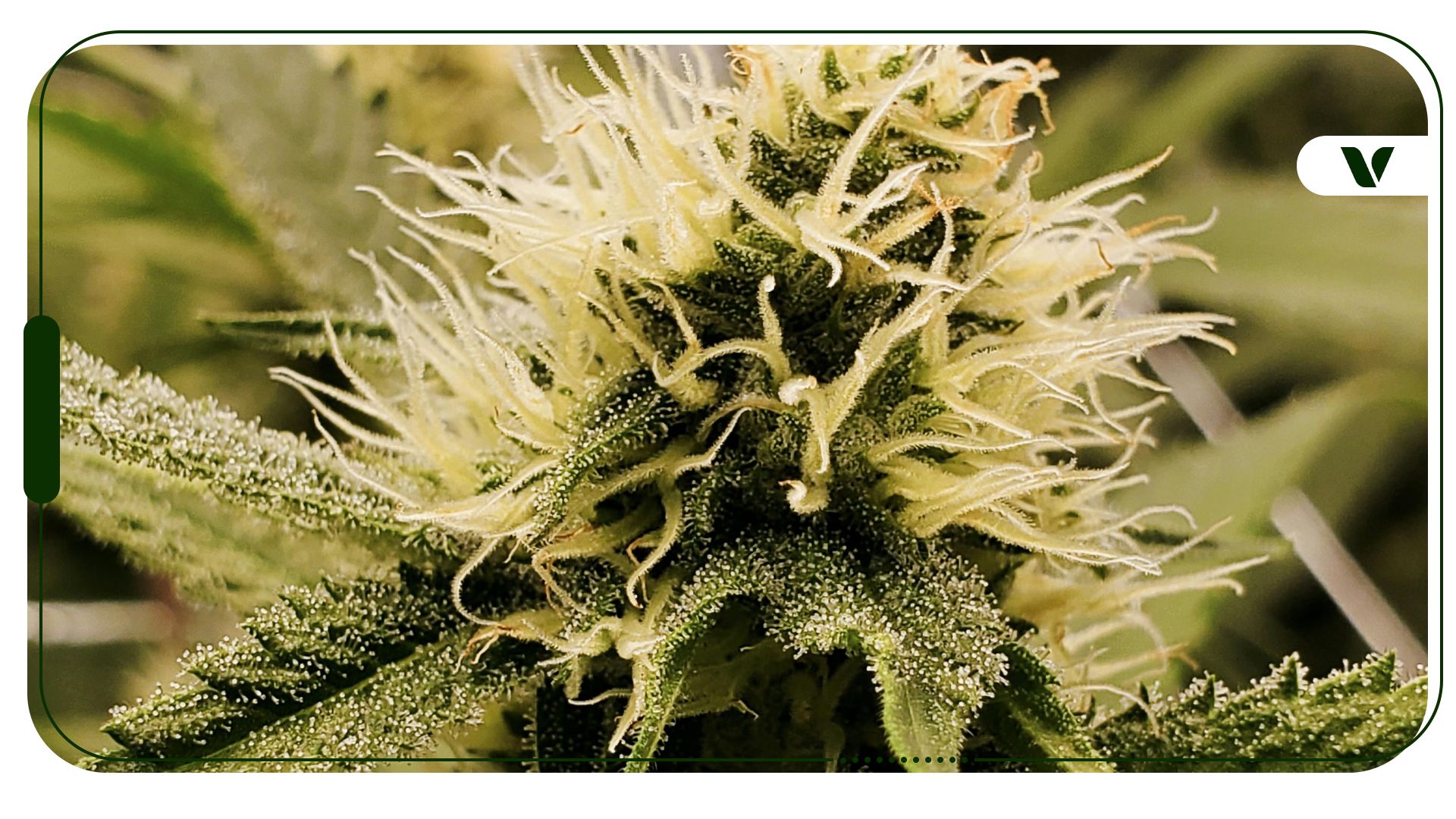
Getting high nowadays is a very personalized experience–there’s a wealth of products and strains to make you feel however you want to. Some consumers like to seek out weed with the highest-testing tetrahydrocannabinol THC percentage possible to consume, while others like to enjoy a less psychoactive, more potentially medicinal experience. Type II cannabis strains are an excellent choice for consumers seeking to get some balance with their high.
There are multiple types of cannabis, ranging from Type I – Type IV. We must first understand Type II cannabis’s place in this classification system to better comprehend what’s so unique about it in comparison.
A balanced ratio of cannabinoids like THC and CBD means that both the human endocannabinoid receptors in the brain, responsible for psychoactivity and immunity/anti-inflammation–CB1 and CB2–are activated when both compounds bind with them.
However, CBD doesn’t quite bind to these receptors as much as it antagonizes them when THC is present. This antagonization of CBD reduces the potency of THC and is why many believe it takes the edge off of and smooths the psychoactive high considerably. When you smoke Type II weed, you don’t feel the same intensity as you would when puffing on some traditional Type I weed. The functional aspect is more conducive to daytime activities, work, or things that require more focus for some consumers.
CBD is also able to reduce pain perception by binding with other areas of the brain not included in the human endocannabinoid system. This enhanced ability to potentially reduce inflammation, anxiety, and other ailments is another feature of the entourage effect. This phenomenon figures very prominently in the appeal and potential of Type II cannabis for those seeking mostly medicinal benefits.
READ: Everything You Need to Know About CBD:THC Ratios
Recreational cannabis consumers don’t get exposed to Type II weed too often. Dispensaries and the illicit market usually only offer high-THC products and strains for purchase.
The 2018 Farm Bill has made access to Type II strains much easier. Growers can hone in on creating their ratios of CBDA and THCA with no legal problem, since THCA contains less than 0.3% THC until activated by the consumer. Once activated, THCA becomes THC and psychoactive.
Folks in many states can purchase Type II flower, edibles, concentrates, and other products directly online because of the safe legality stemming from the Farm Bill. There are many premium Type II breeders and strains to choose from these days, which always brings about lively discussion in dedicated online ratio weed forums such as r/CultoftheFranklin.

Breeders that specialize in ratio weed like Type II cannabis also have a starring role online as well. Home growers looking for premium genetics combined with a variety of different cannabinoids in their Type II ratios usually hit up Floyd Beaman, Founder and Breeder at Hoku Seed Company.
Floyd has been selectively breeding with minor cannabinoids like THCV, CBDV, CBG, and CBC for years and enjoys how much each one offers its own unique effect once combined with THC and CBD into a Type II ratio.
“CBG, for example, is great for potential anxiety and gut issues”, Beaman mentioned in a recent online chat with Veriheal. He went on to elaborate, “THCV and CBDV are reportedly more uplifting and energetic and show potential for appetite suppression, regulating diabetes as well as managing seizures and inflammation. CBC research is relatively new, but in my personal experience tends to amplify the effects of any cannabinoid that it is mixed with.”
“All of these are non-psychoactive, and when combined with CBD or THC, can alter the effects substantially,” Beaman concluded.
Anyone wishing to find Type II cannabis for potential therapeutic use can surf the web to seek it out. However, when it comes to growing your own potential medicine, seeds from premium genetics like those found at reputable companies such as Hoku provide rare access to unique cannabinoids. Growing high-quality Type II seeds provides a massive bounty of potential medicine at a fraction of the overall retail cost.
Most of our knowledge of cannabis cultivation comes from how to grow the typical Type I, high-THC behemoths that we’re all familiar with. However, potential growers of Type II strains should not feel any different.
“I’d say that there isn’t much difference when it comes to growing a Type I, Type II, or Type III cultivar these days,” said Beaman. “If someone is familiar with growing cannabis, they’ll find they’re pretty much the same–you might not know the difference until you consume them.”
Many Type II strains have their versions of popular Type I strains that consumers and growers are already familiar with. Beaman recommends seeking out a Type II cross of something you already know and love, so that you know what growth characteristics and habits to expect. If you love Blue Dream, seek out a Type II Blue Dream cross to grow at home.
In regards to growing outdoors, Beaman recommends choosing a cross that is comfortable growing in your region and climate, while resisting pests and pathogens also native to your area.
There always comes a time when it pays not to be as high. It could be your kid’s graduation, a presentation you have to give at work, or that big interview you have coming up. That’s when switching it up to a Type II strain or product can make a world of a difference in how you navigate those moments.
Consumers needing more medicinal potential in their lives can also possibly benefit greatly from going Type II, with the choice to cultivate a bulk of custom medicine tailored to their specific needs as another great cost-saving option.
Sign up for our newsletter

Learn the process in your state
All Rights Reserved Veriheal Inc. ©
Terms Privacy Policy Advertising Agreement Content Disclamer


Get your medical marijuana card today
Sign up in under 5 minutes
Start By Selecting Your State
 Alabama
Alaska
Arizona
Arkansas
California
Colorado
Connecticut
Delaware
Florida
Georgia
Hawaii
Idaho
Illinois
Indiana
Iowa
Kansas
Kentucky
Louisiana
Maine
Maryland
Massachusetts
Michigan
Minnesota
Mississippi
Missouri
Montana
Nebraska
Nevada
New Hampshire
New Jersey
New Mexico
New York
North Carolina
North Dakota
Ohio
Oklahoma
Oregon
Pennsylvania
Rhode Island
South Carolina
South Dakota
Tennessee
Texas
Utah
Vermont
Virginia
Washington
West Virginia
Wisconsin
Wyoming
Puerto Rico
Alabama
Alaska
Arizona
Arkansas
California
Colorado
Connecticut
Delaware
Florida
Georgia
Hawaii
Idaho
Illinois
Indiana
Iowa
Kansas
Kentucky
Louisiana
Maine
Maryland
Massachusetts
Michigan
Minnesota
Mississippi
Missouri
Montana
Nebraska
Nevada
New Hampshire
New Jersey
New Mexico
New York
North Carolina
North Dakota
Ohio
Oklahoma
Oregon
Pennsylvania
Rhode Island
South Carolina
South Dakota
Tennessee
Texas
Utah
Vermont
Virginia
Washington
West Virginia
Wisconsin
Wyoming
Puerto Rico