The best voltage for tetrahydrocannabinol (THC) carts ranges from 2.0V to 2.8V, with live resin carts performing optimally between 2.2V and 2.6V. Starting at 2.0V and gradually increasing by 0.2V increments helps you find the sweet spot where you get strong effects without burning the oil or degrading terpenes.
Your battery’s voltage setting determines the temperature at which your cart heats the oil, directly affecting flavor, vapor production, and how efficiently cannabinoids are activated. Too high and you’ll burn through your cart quickly with harsh, burnt-tasting hits. Too low and you’ll get weak vapor with minimal effects.
This guide covers optimal voltage ranges for different cart types, step-by-step setup protocols, and troubleshooting tips to help you get the most from your vaping experience.
Understanding Voltage for THC Carts
Voltage controls how much electrical power flows from your battery to the heating element in your cart. Higher voltage means more heat, which affects both the vaporization temperature and your overall experience. Most experienced users follow a “soft ceiling” of 2.8V, rarely going above this point to avoid THC degradation from excessive heat.
Here’s how voltage translates to actual heating temperature:
| Voltage |
Temperature |
Effects |
| 2.0V |
~315°F |
Light vapor, mild effects, maximum terpene preservation |
| 2.4V |
~350°F |
Balanced flavor and potency, good for most users |
| 2.8V |
~390°F |
Strong vapor, maximum cannabinoid activation |
| 3.2V |
~430°F |
Risk of burning oil, harsh taste, terpene loss |
The temperature range matters because terpenes, which provide flavor and contribute to effects, begin degrading around 400°F. THC activates efficiently between 315°F and 390°F, making the 2.0V to 2.8V range ideal for preserving both potency and flavor profiles.
Understanding this relationship helps explain why different cart types require different voltage ranges. If you’re new to vaping, learning about the different ways to consume cannabis can help you decide whether carts are the right method for your needs.
Starting Voltage Protocol and Safety Tips
Always start at 2.0V when using a new cart or trying a different oil type. This prevents burning the oil and helps you identify the minimum effective voltage for that specific product. Many users make the mistake of starting too high, which can ruin an entire cart within the first few hits.
Follow this step-by-step setup process:
- Begin at 2.0V and take 2-3 gentle pulls to prime the cart
- Wait 5 minutes between voltage adjustments to assess full effects
- Increase by 0.2V increments until you reach your preferred balance of flavor and vapor production
- Stop at 2.8V maximum unless you specifically need higher temperatures for thick oils
For preset batteries with color-coded voltage levels, the typical ranges are:
- Green/Low: 2.0V-2.4V (ideal starting point)
- Blue/Medium: 2.4V-2.8V (most users’ sweet spot)
- Red/High: 2.8V-3.2V (use sparingly, risk of harsh hits)
Safety considerations include never leaving your battery on the highest setting by default. High voltages generate more heat, which can cause the cart to leak, clog, or burn out the heating element prematurely. You’ll know you’ve found the right voltage when you get consistent vapor production without any burnt or harsh taste.
Optimal Voltage Settings by Cart Type
Different cannabis extracts require different voltage ranges due to their viscosity, terpene content, and processing methods. Here’s how to optimize settings for each major cart type.
Live Resin Carts
Live resin contains the highest concentration of volatile terpenes among all cart types, making it the most sensitive to heat damage. Research on terpene preservation in cannabis concentrates supports keeping live resin carts at lower voltages.
Start at 2.2V and increase gradually. Live resin’s thick, sauce-like consistency means it needs enough heat to vaporize properly, but too much voltage will destroy the complex terpene profiles that make live resin carts premium products. At 2.4V, you’ll typically get robust flavor with strong effects while preserving the strain-specific characteristics.
The key indicator for proper live resin voltage is flavor quality. If your hits taste muted or harsh, you’re likely running too hot. If you’re getting minimal vapor or weak effects, increase by 0.1V and test again. Live resin carts also benefit from 10-15 second primer puffs at your chosen voltage to ensure even heating throughout the oil.
Distillate Carts
Distillate carts handle voltages from 2.4V to 2.8V effectively, with 2.6V being the most common optimal setting. The refined, consistent viscosity of distillate means you can use slightly higher voltages than live resin without burning the oil or losing significant terpene content.
Most distillate carts contain added terpenes rather than naturally occurring ones, making them less sensitive to heat damage. This allows you to prioritize vapor production and cannabinoid activation over terpene preservation. At 2.6V, distillate typically produces thick, satisfying clouds with strong psychoactive effects.
Watch for color changes in the oil as an indicator of proper voltage. Distillate should remain light golden throughout use. If it darkens significantly or develops a burnt smell, reduce your voltage by 0.2V. Some thicker distillate carts may require brief 2.8V sessions to get the oil flowing, then stepping back down to 2.6V for regular use.
Live Rosin Carts
Live rosin requires the gentlest approach, performing best between 2.0V and 2.4V, with 2.2V being ideal for most products. This solventless extract preserves cannabinoids and terpenes in their most natural state, which is why research on full-spectrum resin preservation recommends the lowest possible voltage settings.
The consistency of live rosin varies significantly between producers and strains, from sauce-like to nearly solid at room temperature. Start at 2.0V regardless of consistency and increase slowly. Many live rosin carts benefit from gentle warming between your hands before use to improve oil flow at lower voltages.
Live rosin’s premium price point makes voltage precision critical. One session at too high a voltage can permanently alter the flavor profile and reduce the overall quality of your remaining oil. If you need stronger effects, take longer, slower draws at 2.2V rather than increasing voltage. This approach preserves the complex cannabinoid and terpene interactions that make live rosin valuable.
Battery Types and Voltage Compatibility
Your battery type significantly affects voltage consistency and overall cart performance. Variable voltage batteries offer precise control, while preset batteries provide simplicity at the cost of customization options.
| Battery Type |
Voltage Range |
Best For |
Key Features |
| Variable Voltage |
1.8V-4.2V |
Experienced users, multiple cart types |
Precise 0.1V adjustments, digital display |
| Preset (3-setting) |
2.0V-3.2V |
Casual users, consistent routine |
Color-coded levels, simple operation |
| Buttonless |
Fixed ~3.3V |
Convenience, draw-activated |
No controls, potentially too hot for delicate oils |
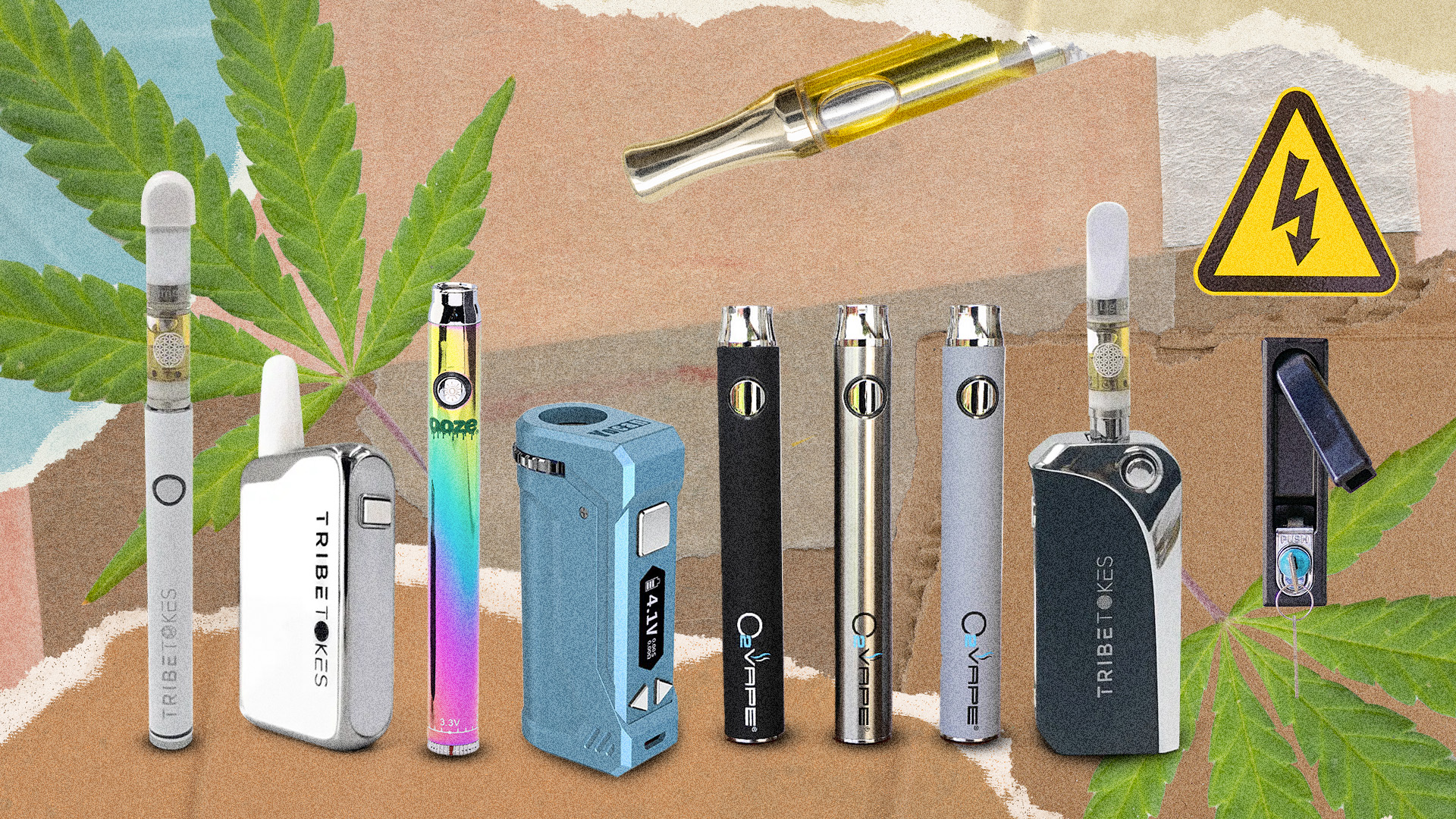
Variable voltage batteries provide the most flexibility for optimizing different cart types. Look for models with 0.1V increment adjustments and digital readouts for precise control. Popular reliable brands include PCKT, Vessel, and Yocan, though many generic variable voltage batteries perform adequately.
Preset batteries work well if you primarily use one cart type and prefer simplicity. The three voltage levels typically correspond to low (green), medium (blue), and high (red) settings. These batteries are generally less expensive and have longer battery life since they don’t power digital displays.
Avoid buttonless draw-activated batteries for premium carts. These typically run at fixed voltages around 3.3V, which is too hot for live resin and live rosin carts. They’re designed for basic distillate carts and can quickly ruin more expensive extracts. Battery quality affects voltage stability, so investing in a reputable brand ensures consistent performance throughout the battery’s charge cycle.
Troubleshooting Voltage Issues
Recognizing the signs of incorrect voltage settings helps you adjust before damaging your cart or wasting oil. Most voltage problems fall into predictable patterns with clear solutions.
Signs Your Voltage Settings Are Wrong
Your cart and vapor quality provide immediate feedback about voltage accuracy. Here’s what different problems indicate:
- Burnt or harsh taste: Voltage too high, reduce by 0.2V immediately
- Weak vapor production: Voltage too low, increase by 0.1V increments
- Oil darkening quickly: Excessive heat damage, lower voltage and check for cart clogs
- Throat irritation: Either too hot (harsh hits) or too cool (unactivated compounds causing irritation)
- Inconsistent vapor: Battery charge dropping, voltage fluctuation, or cart connection issues
- Cart leaking: Heat expansion from excessive voltage, or defective cart threading
- Muted flavor: Terpene degradation from sustained high-voltage use
Most users experience burnt taste as their first sign of excessive voltage. This indicates terpene and possibly cannabinoid breakdown, which is irreversible for that portion of oil. If you notice any burnt flavor, stop immediately and reduce voltage before continuing.
Weak vapor despite proper technique usually means insufficient heat. However, some carts perform poorly regardless of voltage due to manufacturing defects or improper oil filling. Try increasing voltage gradually before assuming the cart is defective.
The most common mistake is continuing to use high voltage when experiencing harsh hits. Unlike flower vaping where temperature preferences vary widely, cart voltages have narrow optimal ranges. When in doubt, err on the lower side and prioritize preserving your oil quality over maximum vapor production.
Ready to explore medical cannabis options or learn more about safe consumption methods? Find a qualified medical marijuana doctor who can provide personalized guidance based on your situation and needs.
Note: The content on this page is for informational purposes only and is not intended to be professional medical advice. Do not attempt to self-diagnose or prescribe treatment based on the information provided. Always consult a physician before making any decision on the treatment of a medical condition.
Note: Veriheal does not support illegally consuming therapeutic substances such as cannabis but acknowledges that it transpires because of the current illicit status, which we strive to change by advocating for research, legal access, and responsible consumption. Always consult a physician before attempting alternative therapies.
Frequently Asked Questions
What voltage should I start with for a new THC cart?
Always start at 2.0V regardless of cart type, then increase by 0.2V increments until you find your optimal balance of flavor and vapor production.
Can I use 3.5V on distillate carts?
While distillate can handle higher voltages than live resin, 3.5V risks burning the oil and producing harsh hits. Stick to 2.8V maximum for best results.
Why does my cart taste burnt at 2.6V?
Some live resin and live rosin carts are more heat-sensitive than others. Reduce to 2.2V and increase gradually by 0.1V increments to find the right setting.
Do preset batteries work as well as variable voltage?
Preset batteries work fine for users who stick to one cart type, but variable voltage batteries offer better optimization for different extracts and personal preferences.
How do I know if my voltage is too low?
Signs include weak vapor production, minimal effects, and needing to take many more hits than usual to achieve desired results.
Can wrong voltage damage my cart permanently?
Yes, sustained high voltage can burn the heating element, darken the oil permanently, and destroy terpenes. Always start low and increase gradually.
Author, Share & Comments