Making THC syrup at home is straightforward once you understand which starting material you have and which method matches it. Whether you’re working with cannabis flower, a store-bought tincture, or distillate, there’s a recipe that fits your setup.
THC syrup is a cannabis-infused simple syrup with a thick, sweet consistency similar to cough syrup. It dissolves into drinks, drizzles over desserts, and absorbs faster than most solid edibles because liquid can begin absorbing through the mucosal lining of the mouth before it ever reaches the stomach. That absorption difference is worth understanding before you start, which is why dosing guidance comes later in this article alongside the recipes.
What Is THC Syrup?
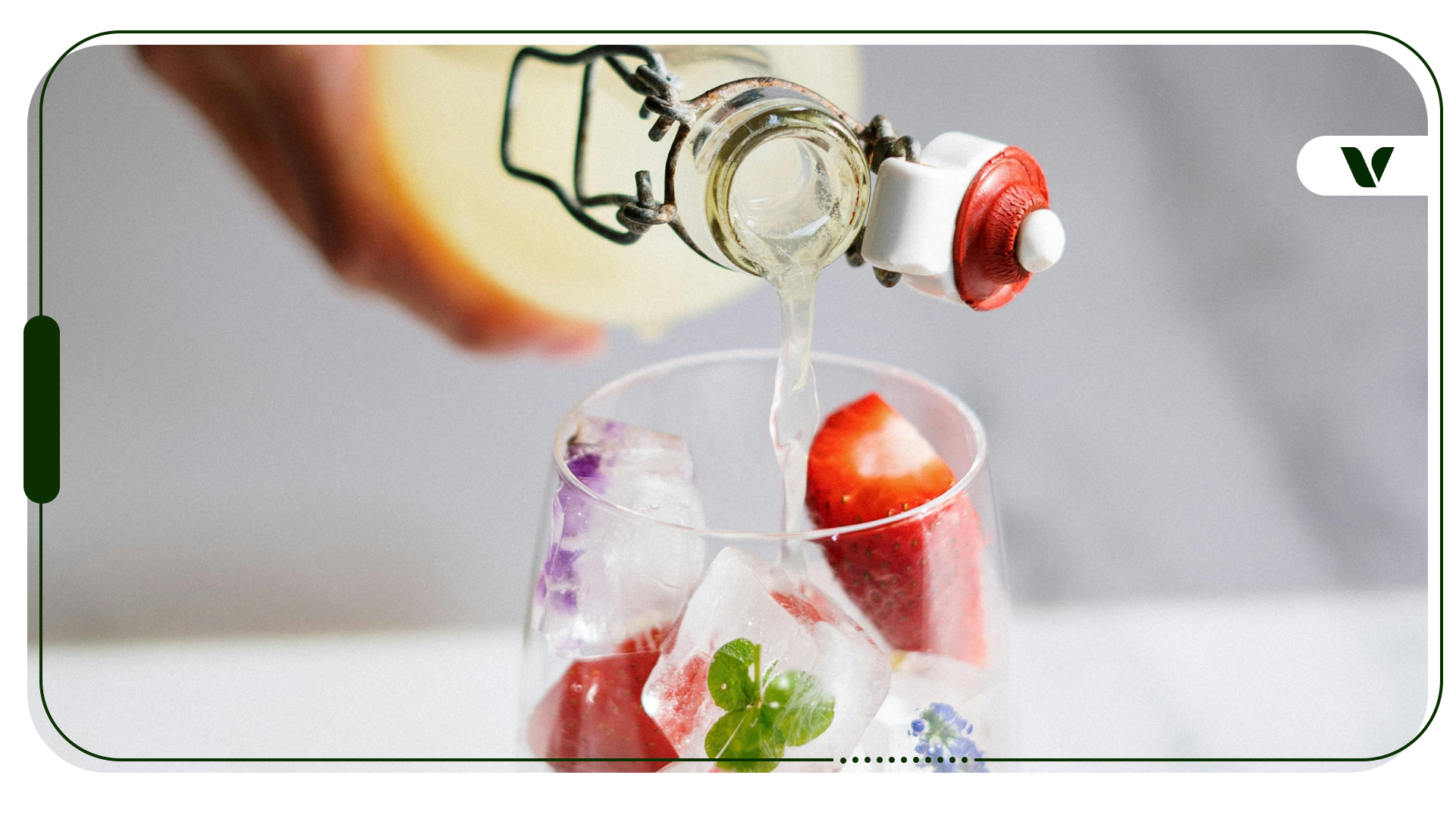
THC syrup is a cannabis-infused sweetener made by combining a simple syrup base with activated tetrahydrocannabinol (THC). The result is a concentrated liquid that blends into beverages, sauces, and desserts without the tell-tale texture of a cannabis brownie or gummy. Commercially, you’ll find it in dispensaries as a ready-made product, but a homemade version gives you full control over potency and ingredients.
Unlike a capsule or edible that passes directly to the digestive system, THC syrup held briefly in the mouth can begin absorbing through the mucosa before reaching the stomach. Research suggests that sublingual cannabis absorption and onset timing is meaningfully faster than hepatic first-pass metabolism, which is the process solid edibles go through in the liver before THC enters the bloodstream. The practical effect is that onset may feel quicker, especially if you hold the syrup under your tongue for 30 to 60 seconds before swallowing.
THC syrup is made from three core ingredients: a sweetener (typically sugar or honey), water, and an activated cannabinoid source such as cannabis flower, tincture, or distillate. Optional additions include vegetable glycerin, which acts as an emulsifier and gives the syrup its thick, cough-syrup-like consistency, and flavoring extracts to mask the cannabis taste.
Is THC Syrup the Same as Lean?
Lean, also called purple drank or sizzurp, is a recreational drug mixture made from promethazine-codeine prescription cough syrup, soda, and sometimes hard candy. THC syrup looks and pours similarly, which is why “thc lean” has become a popular search term, but the two products are chemically and legally distinct.
Codeine is an opioid, and promethazine is an antihistamine. The combination carries genuine overdose risk, and research on codeine-promethazine misuse and respiratory depression risk documents serious adverse outcomes at recreational doses. THC syrup contains no opioids and no prescription antihistamines. It carries its own risks, particularly for inexperienced users or anyone mixing it with alcohol, but those risks are different in nature.
The cultural overlap is mostly aesthetic. Many people searching for THC lean are looking for a smoke-free, drink-friendly cannabis option for social settings, not an opioid substitute. THC cannabis syrup fits that use case without the codeine dependency risk. That said, THC also affects everyone differently, and anyone trying it for the first time should approach it with the same caution they’d apply to any new edible.
|
THC Syrup |
Lean (Purple Drank) |
| Active ingredient |
THC (cannabis) |
Codeine + promethazine |
| Legal status |
Legal in states with adult-use or medical cannabis laws |
Requires a prescription; recreational use is illegal |
| Primary effects |
Cannabis high; onset varies by method |
Sedation, euphoria, respiratory depression at high doses |
| Overdose risk |
Low; overconsumption causes discomfort, not respiratory failure |
Significant; opioid overdose is possible |
Step Zero: Why You Need to Decarboxylate Before Making THC Syrup
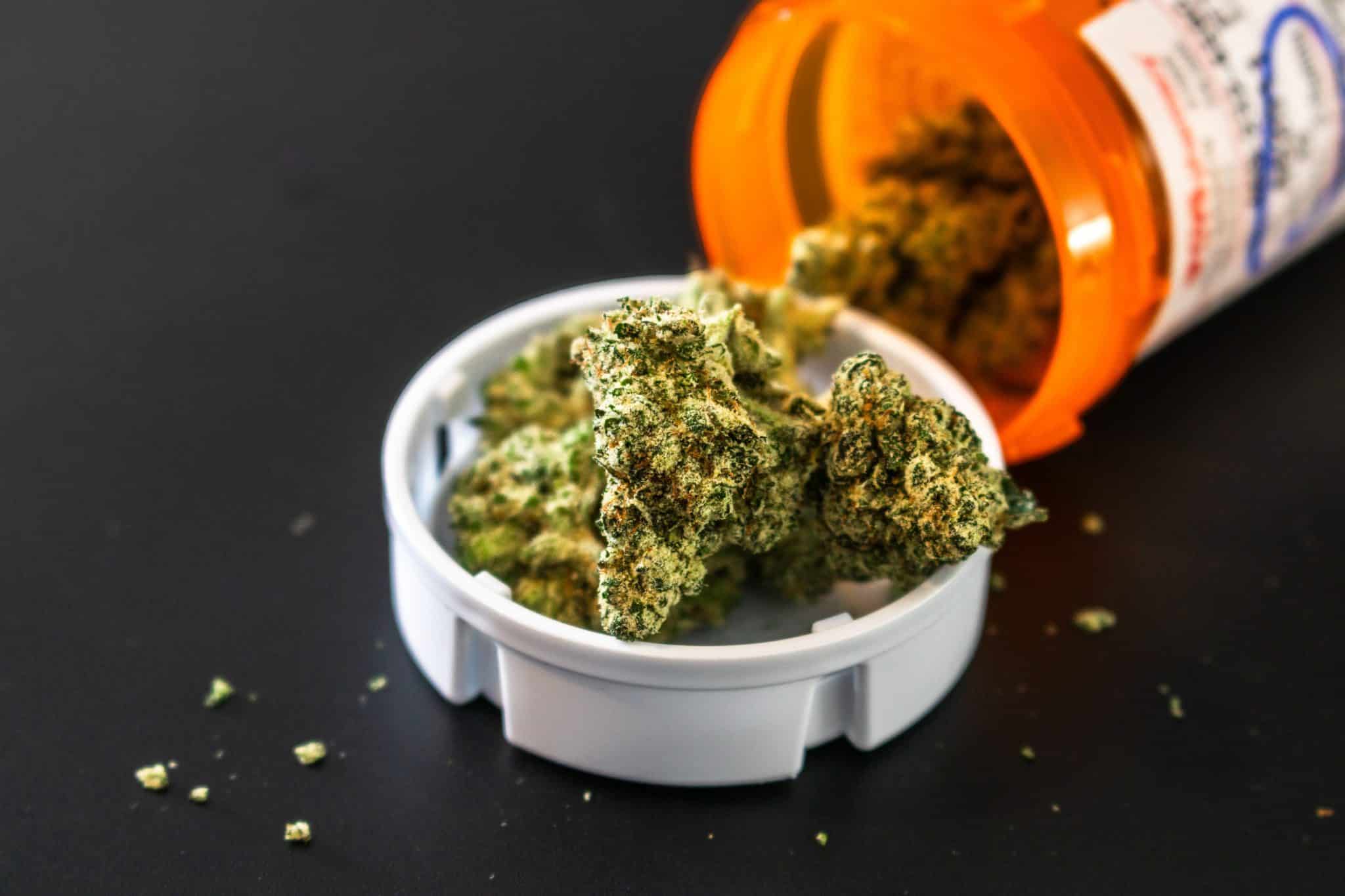
Raw cannabis flower contains tetrahydrocannabinolic acid (THCA), not THC. THCA is the non-psychoactive precursor that converts to THC only when heat is applied in a controlled way, and that conversion is called decarboxylation.
If you skip this step and infuse raw flower directly into your syrup, you’ll produce a cannabis syrup with minimal psychoactive effect, because the simmering temperatures used in syrup-making are typically not high enough or long enough to complete the conversion reliably.
The correct oven method: spread ground flower on a parchment-lined baking sheet and bake at 220 to 245°F for 30 to 45 minutes. This activates the cannabinoid content without burning off the THC. For a full walkthrough, see how to decarboxylate cannabis before starting your recipe.
Skip this step if you’re using distillate or a commercially prepared tincture. Both have already been processed, and the cannabis has already been activated.
Understanding why decarboxylation matters for edibles also explains why recipes that skip this explanation produce inconsistent results for home cooks.
How to Make THC Syrup With Cannabis Flower (Step-by-Step)
This method works best if you have decarboxylated cannabis flower and want to make a batch from scratch. The glycerin variation is included as Step 5b for anyone who wants the thicker, more syrup-like texture that vegetable glycerin produces.
Ingredients:
- 1 cup water
- 2 cups granulated sugar
- 3 to 4 grams decarboxylated cannabis (ground)
- 1 tablespoon vegetable glycerin (optional, for texture)
- 1 teaspoon flavoring extract (optional)
Steps:
- Decarboxylate your cannabis at 220 to 245°F for 30 to 45 minutes if you haven’t already. Do not skip this step.
- Combine water and sugar in a medium saucepan over medium heat. Stir until the sugar dissolves completely to form a simple syrup base.
- Add the ground, decarboxylated cannabis to the pan. Reduce heat to low and let the mixture simmer for 20 to 30 minutes, stirring occasionally. Keep the temperature below 300°F throughout, exceeding that threshold risks THC degradation, which reduces potency.
- Strain the mixture through a fine-mesh strainer or cheesecloth into a glass jar, pressing the plant material to extract as much liquid as possible. Discard the spent cannabis.
- Add vegetable glycerin (if using) while the syrup is still warm and stir until fully incorporated. This step thickens the syrup and improves how it mixes into cold drinks.
- Add flavoring if desired, then allow the syrup to cool completely before sealing and refrigerating.
Check our article on what temperature THC degrades at if you’re unsure how heat affects potency during the infusion stage.
How to Make THC Syrup With a Tincture or Distillate
If you already have a cannabis tincture or distillate at home, this is the faster and more precise route. No decarboxylation is needed, and potency is easier to control because you’re working with a product whose THC content is already measured.
How to Make THC Syrup With a Tincture
A cannabis tincture is an alcohol-based cannabis extract. Adding it to a simple syrup base takes under 10 minutes, and you can learn how to make a cannabis tincture if you want to prepare your own before starting.
Ingredients:
- 1 cup water
- 2 cups sugar
- 1 to 3 mL of cannabis tincture per serving (adjust based on tincture potency)
Steps:
- Make a simple syrup by combining water and sugar in a saucepan over medium heat. Stir until dissolved, then remove from heat.
- Allow the syrup to cool to room temperature before adding the tincture. Adding tincture to hot liquid can volatilize the alcohol and may affect potency.
- Stir the tincture into the cooled syrup thoroughly. Taste and adjust the dose per serving based on the tincture’s labeled THC content.
- Store in a sealed glass container in the refrigerator.
Potency will vary based on the tincture strength, so always check the milligrams per milliliter on the tincture label before calculating your per-serving dose.
How to Make THC Syrup With Distillate
THC distillate is a highly refined cannabis concentrate that typically contains 90% or more THC by weight, making it the method of choice for commercial THC syrup producers. For readers who want to know what THC distillate is before starting, the linked article covers its extraction and potency profile in full.
Ingredients:
- 1 cup water
- 2 cups sugar
- 0.5 to 1 gram distillate (adjust for desired potency)
- 1 tablespoon vegetable glycerin (recommended for emulsification)
Steps:
- Prepare a simple syrup base as above. Keep it on low heat after the sugar dissolves.
- Add distillate to the warm syrup and stir continuously for 5 to 10 minutes. Distillate is oil-based and needs sustained stirring and gentle heat to incorporate fully.
- Add vegetable glycerin and continue stirring until the syrup is uniform in color and consistency.
- Remove from heat, cool, and store in a sealed glass container.
Because distillate is so concentrated, dose math matters more here than in any other method. A 0.5-gram distillate at 90% THC contains approximately 450 mg of THC total. Divided across a batch yielding 20 tablespoon-sized servings, that’s roughly 22 mg per serving, well above a beginner dose.
THC Syrup Dosing and Onset: What to Expect
THC syrup dosing works differently from solid edibles, and the difference matters when you’re calibrating your first experience. Solid edibles go through full hepatic first-pass metabolism, where the liver converts THC into 11-hydroxy-THC before it enters the bloodstream. Understanding how edibles affect you differently clarifies why this metabolic pathway produces a stronger, longer-lasting effect than other consumption methods.
THC syrup consumed as a beverage follows the same pathway and typically produces effects within 45 to 90 minutes. Onset can be shorter if you hold the syrup in your mouth briefly before swallowing, since partial mucosal absorption bypasses the liver. Effects may last two to four hours, though duration varies by individual tolerance, dose, and whether you’ve eaten recently. For context on how consumption method affects duration, how long a cannabis high lasts covers the full range of factors.
| Experience Level |
Starting Dose (mg THC) |
Notes |
| Beginner |
2.5 to 5 mg |
Start here if you’re new to edibles or have a low tolerance. Wait at least 90 minutes before considering a second dose. |
| Intermediate |
5 to 15 mg |
Suitable for regular edible users. Effects are typically noticeable within 45 to 90 minutes. |
| Experienced |
15 to 30 mg |
For users with established tolerance. Not recommended as a starting point. |
The single most common mistake with THC syrup is redosing too soon. Because onset can range from 30 minutes to two hours depending on how you take it and what you’ve eaten, it’s easy to assume the first dose didn’t work. Start low, go slow, and give any dose a full 90-minute window before reassessing.
Sublingual Use: Does THC Syrup Work Under the Tongue?
Yes, THC syrup can be held under the tongue for 30 to 60 seconds before swallowing, and doing so may produce a faster onset than drinking it in a beverage. The sublingual mucosa absorbs cannabinoids directly into the bloodstream, which partially bypasses the digestive system. The effect is not as pronounced as with a dedicated sublingual cannabis tincture formulated for that purpose, but it can reduce onset time compared to swallowing the syrup immediately.
This method works best when you want faster onset at a lower dose, rather than consuming a full drink portion. Hold the syrup under your tongue, then swallow. The remainder will follow the standard edible pathway through digestion.
Ways to Use THC Syrup: Drinks, Desserts, and More
THC syrup’s water-soluble base makes it one of the most adaptable cannabis-infused products in a home kitchen. The key variable to keep in mind across every application is heat. Sustained temperatures above 300°F risk THC degradation, so high-heat cooking is not the right context for this syrup. Cold and low-heat preparations preserve potency most reliably.
Cannabis Cocktails and Mocktails
THC syrup works as a direct swap for simple syrup in most cocktail and mocktail recipes. Stir it into sparkling water with lemon for an easy cannabis beverage, or use it as the sweetener in an iced tea or lemonade. Cold preparations preserve the cannabinoid content well, and the syrup dissolves cleanly without any plant material floating in the glass.
If you’re using it as an alcohol alternative at a social event, keep the per-drink dose low. Aim for 5 mg THC or under per serving in a group where individual tolerances vary. Onset in a cold drink is typically 45 to 90 minutes, which is slower than you might expect in a social setting.
Hot Drinks and Desserts
THC syrup works well as a drizzle over desserts served at room temperature or mildly warm, pancake syrup is an obvious application, as is a glaze over vanilla ice cream or cheesecake. For hot drinks like tea or coffee, stir in the syrup after the drink has cooled slightly from boiling, since prolonged exposure to very high temperatures can degrade potency.
A THC honey butter glaze, made by blending THC syrup with softened butter and a touch of honey, drizzles well over warm cornbread or roasted vegetables and works as a light dessert sauce. The key is to apply it after cooking, not during, to preserve THC content.
Direct Consumption and Pantry Uses
THC syrup can also be taken on its own by the tablespoon, which is the fastest way to dose it deliberately. Measured doses are easier to track this way than when diluted into a drink. Snow cones and shaved ice are a natural fit, the cold preserves potency, and the format makes portion control straightforward. Store the syrup in a small measured bottle for easy dispensing.
Shelf Life and Storage: How Long Does THC Syrup Last?
Homemade THC syrup typically keeps for two to three weeks when refrigerated in a sealed glass container. The high sugar concentration acts as a natural preservative by inhibiting microbial growth, which is why simple syrup-based preparations last longer than cannabis-infused oils or butters at the same storage temperature. For comparison, our article on cannabis edibles expiration covers shelf life across a range of cannabis-infused products.
Tincture-based syrups may last somewhat longer than flower-infused versions. The alcohol present in the tincture acts as an additional preservative, extending the window under ideal refrigeration conditions. Distillate-based syrups fall in the middle range.
Signs that your syrup has turned:
- Off or sour smell that wasn’t there when you first made it
- Visible mold or unusual discoloration
- Separation that doesn’t resolve with stirring
- Significant change in consistency without a temperature explanation
Freezing is possible and extends shelf life by several months, though it may alter the syrup’s texture slightly upon thawing. Potency is generally preserved when the syrup is frozen and thawed carefully.
If you want to explore medical cannabis beyond the kitchen, find a medical marijuana doctor in your state through Veriheal’s telehealth platform.
Note: The content on this page is for informational purposes only and is not intended to be professional medical advice. Do not attempt to self-diagnose or prescribe treatment based on the information provided. Always consult a physician before making any decision on the treatment of a medical condition.
Note: Veriheal does not support illegally consuming therapeutic substances such as cannabis but acknowledges that it transpires because of the current illicit status, which we strive to change by advocating for research, legal access, and responsible consumption. Always consult a physician before attempting alternative therapies.
Frequently Asked Questions
What method is best for making THC syrup?
The best method depends on what starting material you have available. Distillate produces the most potent and consistent result. Tincture is the fastest method with the least equipment. Cannabis flower gives you more control over the strain but requires decarboxylation first. All three methods produce a usable cannabis syrup.
How do you make liquid THC?
Liquid THC typically refers to THC dissolved or suspended in a carrier liquid, such as a simple syrup, oil, or alcohol-based tincture. To make liquid THC at home, decarboxylate cannabis flower and infuse it into a liquid base, or dissolve distillate directly into a warm syrup or oil with stirring until fully incorporated.
What is THC syrup made of?
THC syrup is made from a simple syrup base (water and sugar), an activated THC source (flower, tincture, or distillate), and optional additives like vegetable glycerin for texture and flavoring extract to mask the cannabis taste.
Is THC syrup stronger than edibles?
THC syrup is an edible in liquid form, so potency depends on the dose consumed rather than the format itself. Because it can partially absorb sublingually, onset may be faster than with a solid edible at the same dose, but the strength of the effect is determined by milligrams of THC consumed, not by the delivery format.
What is the best THC syrup?
Commercially available THC syrups vary significantly by potency, ingredients, and added flavoring. Products from licensed dispensaries carry lab-tested potency labels, which makes dosing more predictable than a homemade batch. If you’re buying rather than making, look for a product with a clear milligrams-per-serving label.
Is THC syrup the same as lean?
THC syrup and lean are not the same thing. Lean is a recreational mixture based on codeine and promethazine prescription cough syrup. THC syrup contains cannabis-derived THC and no opioids. They look similar and are both consumed as a drink, but they have different active ingredients, different legal statuses, and different risk profiles.
What does THC syrup taste like?
THC syrup typically tastes sweet, similar to a flavored simple syrup or cough syrup, with a mild cannabis undertone. The strength of the cannabis flavor depends on whether the recipe includes flavoring extract and how much plant material was used in the infusion. Distillate-based syrups tend to have a cleaner, more neutral flavor than flower-infused versions.
Author, Share & Comments