1-855-452-6224 (Customer Support Available 24/7)

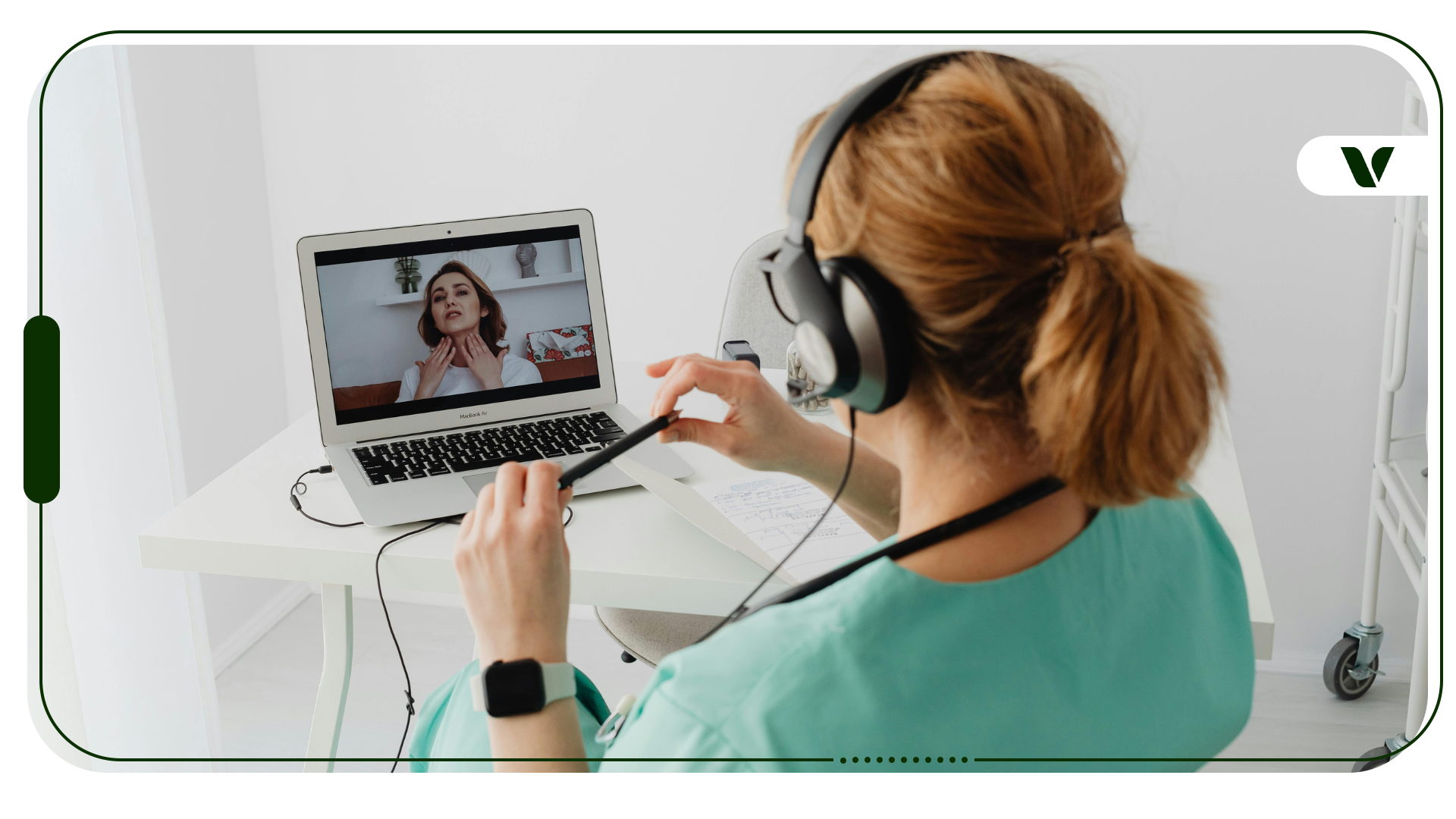
Getting your medical marijuana card online takes about 15 minutes through telehealth platforms like Veriheal, where you can complete the entire process from home. You’ll book an appointment, meet virtually with a licensed physician, and receive your approval the same day in most cases.
This guide covers the complete step-by-step process, from checking your state’s online eligibility to receiving your physical card. You’ll learn about costs, timelines, technical requirements, and what to expect during your virtual consultation.
The online medical marijuana card process follows five main steps that typically take 2-4 weeks from consultation to card receipt. Most states now allow telehealth consultations for medical cannabis, which means you can complete the physician evaluation from home using a computer or smartphone.
Your journey starts with verifying that your state permits online consultations and that you have a qualifying medical condition. The entire process involves booking a virtual appointment, meeting with a licensed physician, submitting your state application, and waiting for your physical card to arrive by mail.
Online platforms like Veriheal streamline this process by handling the appointment scheduling, physician matching, and application guidance in one place. This eliminates the need to research individual doctors, schedule separate appointments, and navigate state requirements on your own.
Most states with medical cannabis programs now accept telehealth consultations, but the specific requirements vary significantly. Some states require an existing patient-physician relationship before allowing virtual visits, while others permit new patients to establish care through telehealth.
Check your state’s current telemedicine for cannabis policies before booking an appointment. These regulations change frequently, so verify that your state hasn’t implemented new restrictions since 2025.
You’ll also need to confirm that your medical condition qualifies under your state’s program. Mental health conditions like anxiety and PTSD are accepted in some states but not others, while chronic pain and cancer are universally recognized.
| State | Online Consultations | Application Method | Processing Time |
| California | Yes | Online portal | 5-10 business days |
| Florida | Yes | Online portal | 7-14 business days |
| New York | Yes | Online portal | 7-10 business days |
| Pennsylvania | Yes | Online portal | 14-21 business days |
| Ohio | Yes | Online portal | 10-14 business days |
| Illinois | Yes | Online portal | 14-30 business days |
| Michigan | Yes | Online portal | 15-20 business days |
| Arizona | Yes | Online portal | 10-14 business days |
| Nevada | Yes | Online portal | 10-15 business days |
| Colorado | Yes | Online portal | 15-35 business days |
Several states still require in-person physician visits or have hybrid requirements where the initial consultation must be face-to-face. These states include Louisiana, which requires an established patient relationship, and Connecticut, where telehealth is permitted only for renewals.
Texas allows telehealth but requires the physician to have an existing relationship with the patient or practice within the same healthcare system. Check your state-specific laws for the most recent guidelines, as these requirements change when new legislation passes.
Online consultations typically cost 20-40% less than traditional in-person visits when you factor in consultation fees, travel costs, and time investment. Here’s how the costs break down:
| Cost Factor | Online Platform | In-Person Visit |
| Consultation Fee | $149-$199 | $200-$300 |
| Travel Costs | $0 | $20-$100 |
| Time Off Work | 30 minutes | 2-4 hours |
| Parking/Gas | $0 | $10-$50 |
| Total Cost | $149-$199 | $230-$450 |
Online platforms like Veriheal often include money-back guarantees if you’re not approved, which traditional practices rarely offer. State application fees remain the same regardless of consultation method, ranging from $50-$200 depending on your location.
Most insurance plans don’t cover medical cannabis consultations yet, so you’ll pay out-of-pocket for both online and in-person visits. However, some online platforms offer payment plans or discounts for veterans, seniors, and low-income patients.
Online booking platforms let you schedule same-day or next-day appointments in most states, compared to traditional medical practices where you might wait weeks for an opening. The entire booking process takes about 5 minutes and requires basic personal information and your qualifying medical condition.
Veriheal’s platform matches you with licensed physicians in your specific state, since medical cannabis recommendations must come from doctors licensed where you live. You’ll receive appointment confirmation via email with technical requirements and preparation instructions.
Most consultations last 10-15 minutes and focus on your medical history, current symptoms, and how cannabis might fit into your treatment plan. The physician will review any medical records you provide and ask about previous cannabis use, current medications, and treatment goals.
Virtual consultations use video conferencing technology while maintaining the same medical standards as in-person visits. You’ll discuss your qualifying condition, medical history, and treatment goals with a licensed physician who can legally recommend medical cannabis in your state.
The doctor will ask about your symptoms, how they affect daily life, what treatments you’ve tried, and whether cannabis has helped in the past. This conversation typically lasts 10-15 minutes and focuses on determining whether medical cannabis is appropriate for your condition.
Your device needs a working camera, microphone, and stable internet connection to complete the virtual consultation. Most smartphones, tablets, laptops, and desktop computers work with telehealth platforms without additional software installation.
Test your camera and microphone before the appointment to avoid technical delays. The consultation uses browser-based video conferencing, so you don’t need to download special apps or create additional accounts beyond your patient portal access.
Technical Requirements:
Setup Steps:
If you experience technical difficulties, most platforms offer phone support during business hours and backup phone consultation options. Older patients or those less comfortable with technology can often get setup assistance from family members or the platform’s customer service team.
The virtual evaluation focuses on your medical history, current symptoms, and treatment goals rather than a physical examination. Licensed physicians can legally recommend medical cannabis through telehealth because cannabis recommendations don’t require the same physical assessments as controlled substance prescriptions.
Your doctor will review any medical records you’ve provided, discuss your qualifying condition in detail, and explain how medical cannabis might fit into your overall treatment plan. The conversation covers dosing guidance, consumption methods, potential drug interactions, and safety considerations.
Most physicians provide a written recommendation immediately after the consultation if you qualify. This recommendation includes your qualifying condition, recommended dosing guidelines, and the physician’s medical license information required for your state application.
The physician will ask about your medical history, current symptoms, and previous treatments to determine whether medical cannabis is appropriate for your condition. They’ll also discuss potential benefits and risks based on your specific health profile.
Expect questions about your symptom severity, how your condition affects daily activities, what medications you currently take, and whether you’ve used cannabis before. The doctor may ask about your lifestyle, work requirements, and treatment goals to provide personalized recommendations.
The evaluation maintains the same medical privacy standards as in-person visits, with secure video platforms and encrypted patient records. Your consultation and medical information remain confidential under HIPAA regulations.
The complete timeline from consultation to receiving your physical card typically ranges from 1-5 weeks, with most of that time spent on state processing rather than the consultation itself. Your virtual appointment and physician recommendation happen the same day, while state application review takes 5-30 business days depending on your location.
| Timeline Phase | Duration | What Happens |
| Consultation | Same day | 10-15 minute virtual visit |
| Physician Approval | Same day | Recommendation issued immediately |
| State Application | 1-2 days | Submit documents and fees |
| State Processing | 5-30 business days | Background check and review |
| Card Production | 3-7 business days | Physical card printed and mailed |
Factors That Speed Up Approval:
Complete medical records and clear documentation of your qualifying condition help state reviewers process applications faster. Double-checking your application for errors and submitting all required documents at once prevents delays from requests for additional information.
Factors That Cause Delays:
Incomplete applications, background check issues, or high application volume in your state can extend processing times. Some states experience seasonal delays during peak application periods or when new medical cannabis laws take effect.
Online consultations typically provide faster access to physician recommendations compared to scheduling traditional medical appointments, which can take weeks or months in areas with limited cannabis-friendly doctors.
After receiving your physician recommendation, you’ll submit your state application through the official medical cannabis registry portal. Each state has its own online system with specific document requirements and fees, but the basic process involves uploading your recommendation, ID, proof of residency, and payment.
Application fees range from $50-$200 depending on your state, with some offering reduced rates for veterans, seniors, or low-income patients. Most states require electronic submission through secure portals that protect your personal and medical information.
Your physician recommendation includes all the medical information required for the state application, so you won’t need to provide additional medical records in most cases. The application typically takes 10-15 minutes to complete once you have all required documents ready.
Review your application carefully before submitting, as errors or missing information can delay processing by weeks. Once submitted, you’ll receive a confirmation number to track your application status through the state portal.
Your physical medical marijuana card arrives by mail 3-7 business days after state approval, though some states offer temporary digital cards you can use immediately. The physical card includes your photo, patient ID number, expiration date, and qualifying conditions.
Many states provide email notifications when your application is approved and your card enters production. You can typically track your application status through the state registry portal using your confirmation number from the submission process.
Temporary digital cards let you purchase cannabis from licensed dispensaries while waiting for your physical card to arrive. Download and save your temporary card to your phone, as dispensaries will check both your digital card and valid ID for each purchase.
Your card remains valid for 1-2 years depending on your state, with renewal required before the expiration date. Keep your physical card secure and report lost or stolen cards to your state registry immediately to prevent misuse.
Start by researching licensed dispensaries in your area and understanding their product offerings, pricing, and operating hours. Many dispensaries offer first-time patient discounts and educational consultations to help you choose appropriate products for your condition.
Begin with low doses and simple consumption methods like tinctures or low-dose edibles rather than jumping into high-THC flower or concentrates. Your physician recommendation likely includes dosing guidelines, but individual tolerance varies significantly between patients.
Keep detailed records of what products you try, dosages used, and effects experienced to optimize your treatment over time. This information helps you refine your approach and provides valuable data for renewal consultations with your physician.
Medical marijuana cards provide several advantages over recreational cannabis even in states where adult-use is legal. These benefits of medical cards include lower taxes, higher possession limits, access to medical-only products, and legal protections for employment and housing.
Medical marijuana cards require renewal every 1-2 years depending on your state, with the renewal process typically following the same steps as your initial application. Most patients can complete renewal consultations online even in states that required in-person initial visits.
Schedule your renewal consultation 30-60 days before your card expires to ensure continuous access to medical cannabis. Late renewals may require restarting the entire application process, including new background checks and processing delays.
Renewal consultations focus on how medical cannabis has affected your condition, any changes to your treatment goals, and dosing adjustments needed. Your physician will review your current medication list and discuss any new health conditions that might affect your cannabis use.
The renewal process usually costs the same as initial consultations but takes less time since your medical history is already established. Some online platforms offer discounted renewal rates for existing patients.
Application denials typically result from incomplete documentation, background check issues, or medical conditions that don’t clearly meet state qualifying criteria. Review your denial letter carefully to understand the specific reason and whether you can appeal or reapply.
If your condition wasn’t clearly documented, gather additional medical records that better demonstrate your qualifying condition and its impact on daily life. Some patients benefit from consulting with specialists who can provide more detailed documentation of their condition.
Background check issues sometimes involve name matching errors or outdated records that can be resolved by providing additional identification documents. Contact your state registry if you believe the background check contained errors.
Most states allow reapplication after addressing the denial reasons, though you’ll typically need to pay application fees again. Some online platforms offer consultation guarantees where they’ll refund your consultation fee if you’re not approved.
Ready to start your medical cannabis journey? Schedule your online consultation with a licensed physician today and get approved from the comfort of your home.
Note: The content on this page is for informational purposes only and is not intended to be professional medical advice. Do not attempt to self-diagnose or prescribe treatment based on the information provided. Always consult a physician before making any decision on the treatment of a medical condition.
Note: Veriheal does not support illegally consuming therapeutic substances such as cannabis but acknowledges that it transpires because of the current illicit status, which we strive to change by advocating for research, legal access, and responsible consumption. Always consult a physician before attempting alternative therapies.
Online consultations typically last 10-15 minutes and focus on your medical history, qualifying condition, and treatment goals. The physician reviews your medical records and provides recommendations for dosing and consumption methods based on your specific needs.
Yes, you should provide documentation of your qualifying medical condition such as physician notes, prescription records, or diagnostic test results. These records help the consulting physician verify your condition and provide appropriate cannabis recommendations.
No, you must be a legal resident of the state where you’re applying for a medical marijuana card. The consulting physician must also be licensed in your state of residence, and your card is only valid in the state that issued it.
If you don’t qualify during your consultation, reputable platforms like Veriheal offer money-back guarantees and will refund your consultation fee. You can also seek a second opinion or gather additional medical documentation to support your qualifying condition.
Online consultation fees typically range from $149-$199, plus state application fees of $50-$200. This is usually 20-40% less expensive than in-person visits when you include travel costs and time off work, making the online card process more cost-effective than in-person alternatives.
Sign up for our newsletter

Learn the process in your state
All Rights Reserved Veriheal Inc. ©
Terms Privacy Policy Advertising Agreement Content Disclamer


Get your medical marijuana card today
Sign up in under 5 minutes
Start By Selecting Your State
 Alabama
Alaska
Arizona
Arkansas
California
Colorado
Connecticut
Delaware
Florida
Georgia
Hawaii
Idaho
Illinois
Indiana
Iowa
Kansas
Kentucky
Louisiana
Maine
Maryland
Massachusetts
Michigan
Minnesota
Mississippi
Missouri
Montana
Nebraska
Nevada
New Hampshire
New Jersey
New Mexico
New York
North Carolina
North Dakota
Ohio
Oklahoma
Oregon
Pennsylvania
Rhode Island
South Carolina
South Dakota
Tennessee
Texas
Utah
Vermont
Virginia
Washington
West Virginia
Wisconsin
Wyoming
Puerto Rico
Alabama
Alaska
Arizona
Arkansas
California
Colorado
Connecticut
Delaware
Florida
Georgia
Hawaii
Idaho
Illinois
Indiana
Iowa
Kansas
Kentucky
Louisiana
Maine
Maryland
Massachusetts
Michigan
Minnesota
Mississippi
Missouri
Montana
Nebraska
Nevada
New Hampshire
New Jersey
New Mexico
New York
North Carolina
North Dakota
Ohio
Oklahoma
Oregon
Pennsylvania
Rhode Island
South Carolina
South Dakota
Tennessee
Texas
Utah
Vermont
Virginia
Washington
West Virginia
Wisconsin
Wyoming
Puerto Rico