1-855-452-6224 (Customer Support Available 24/7)

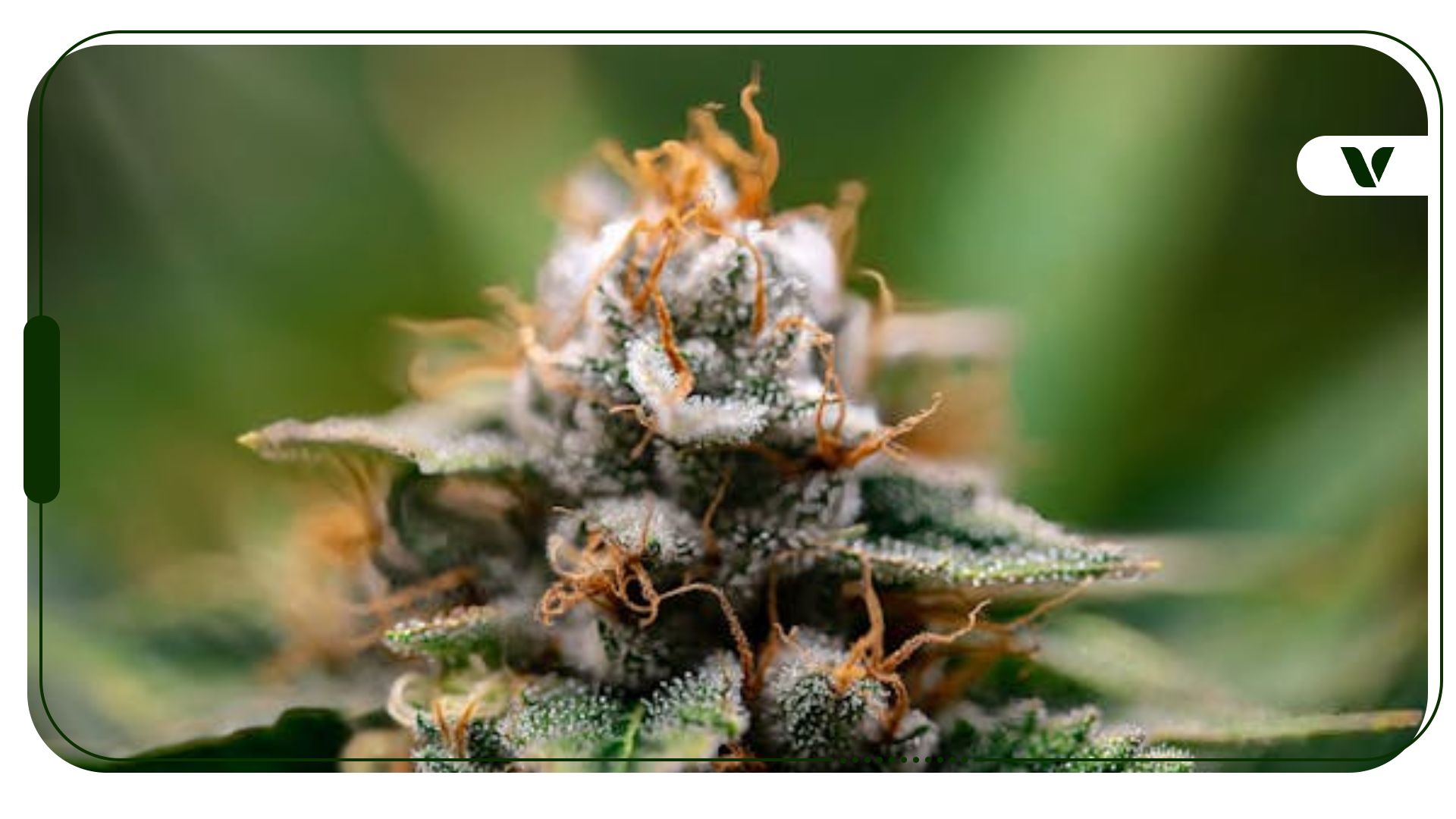
Growers of cannabis seeds have many options when it comes to deciding what to grow. The choice is no longer just strain type, variety, or male/female–it’s also now autoflower seeds or photoperiod seeds! Cannabis cultivators of the past often thumbed their noses at growing autoflowers due to an outdated perception of poor genetics. However, in present-day reality, home growers are crushing it with potent, dank, and genetically sound autoflower seeds.
The humble origins of autoflower seeds started as Russian ditch weed that grew wild before being “discovered” as a third type of cannabis, along with cannabis sativa and cannabis indica. This third species became known as cannabis ruderalis, and featured low-tetrahydrocannabinol (THC) potency; however, its hardy and weather-resilient nature lends it so well to hybridization with the other two species to form autoflowering cultivars.
Autoflower seeds essentially feature ruderalis genetics that promote hardiness and the ability to flower due to age, not the light cycle, compared to traditional photoperiod cannabis seeds. These unique characteristics of the ruderalis are bred with the most desirable traits of specific photoperiod seeds and strains to form autoflower seeds. Breeders often phenohunt their autoflower crops to search for the most ideal aromas, colors, potency, and flavor to use as the benchmark for their strains.
Salty old veteran growers of cannabis would laugh you out of the room, not even 20 years ago, if you told them you grow autoflower seeds–the genetics, potency, and overall appeal just weren’t up to par then. Advances in selective breeding have changed the negative outlook on autoflowers completely since then. Autoflower breeders are now producing seeds and strains that rival those of any traditional photoperiod plant genetics and quality–at an accelerated clip, taboot!
The cannabis breeder known as Mosca Negra (or Mosca) knows a thing or two about growing autoflower seeds during his Cannabis Cup-winning career. Mosca has been breeding premium autoflower genetics for the last 7 years, while also protecting coveted strains like Cinderella 99.
Veriheal recently caught up with Mosca for some insights that might help anyone stuck on the fence regarding whether or not to dive into the world of autoflower seeds.
“Autoflower seeds are bulletproof in the sense that they produce high-quality flowers in a short amount of time,” the Colorado-based cannabis breeder reassured us.
Autoflowers produce from seed to harvest in about 8-12 weeks on average, with a speedier flowering time beginning anywhere from 2-4 weeks into cultivation. However, this is just one incredible reason to grow autoflowers.

A faster growth cycle means autoflower growers can create up to 4-5 new harvests a year compared to photoperiod plants that can take several months or longer due to an extended vegetation cycle. A shorter vegetation cycle gives autoflowers less bountiful harvests compared to many of their photoperiod counterparts. However, using 3-5 gallon pots is still capable of producing up to 1 lb of dried cannabis from high-quality genetics, according to many experienced autoflower breeders and home growers.
Ray Murphy runs a popular cannabis seed business known as Humminbird Hills. He’s been breeding cannabis since 2008 and has specialized in breeding autoflower seeds for the last 7 years. Hardiness and resilience are the most unique traits of autoflowers, according to Murphy.
“Sure, photoperiods can take a beating, but when the elements are an enemy, they show outstanding toughness. Growing up in Julian, CA, I’ve witnessed autos thrive in frigid cold and scalding hot weather conditions,” he said.
This means growing autoflower seeds outdoors–even on a patio or deck–is doable so long as you have good exposure to the sun in all directions. The stealthiness of a smaller autoflower plant is also a bonus when limited space is an issue, compared to photoperiods. Murphy maintains, “With autos you can grow anywhere and everywhere”.
READ: A Beginner’s Guide to Breeding Quality Cannabis Strains
A large majority of cannabis breeders and experienced growers vouch for sowing autoflower seeds directly into soil instead of the moist paper towel method that others use to induce germination. Murphy has been directly sowing his seeds to maximum efficiency for years. His success is founded on directly sowing seeds into the soil of the same 3-5 gallon plastic or fabric pots that will be used the entire time to avoid transplanting.
Some folks germinate and start seedlings in solo cups or Jiffy pellets, then transfer to bigger pots. Murphy insists that if you do so, once the seedling appears, you mustn’t wait too long. “Transplant within 7-10 days! The risk of stunting rises so much when you wait. This is one of my golden rules,” he said.
All sorts of high-quality growing media can provide success to the autoflower grower. These include rock wool and coco coir for hydroponic growing, organic living soil, and soil-less (dirt-less) mixes. Mosca likes to use coco-coir-based soil for his auto grows, while Murphy prefers living soil. “I’m loyal to the soil”, said Murphy. “Nothing beats living soil in my opinion, but utilize what you have on hand or can procure in your unique situation.”
The most important thing to do with any growing media, especially hydroponic or soil-less systems, is to provide nutrients, regardless of which one you choose. “The key is to ensure proper nutrition is being fed during growth and flower development,” Mosca confirmed.
Your autoflower plants have the best chance of success with the least amount of shock to their young, impressionable lives. The hardiness of an autoflower plant helps it to navigate common extremes like changes in climate and temperature. However, trying to avoid transplanting your autoflower once it’s a seedling is one of the most important things you can do to ensure your plant gets off on the right foot. Consistent light, water, nutrients, and temperature to your plant all but ensure your plant’s success due to the resiliency and growth vigor of most quality autoflowers.
Tips from professional breeders are always a huge plus, but before you even get that far, research and grow autoflower seeds from reputable seed banks and breeders. The more reliable and higher-rated the source, the better the genetics will be to provide you with a bountiful harvest in a shorter amount of time!
Sign up for our newsletter
Learn the process in your state
All Rights Reserved Veriheal Inc. ©
Terms Privacy Policy Advertising Agreement Content Disclamer


Get your medical marijuana card today
Sign up in under 5 minutes
Start By Selecting Your State
 Alabama
Alaska
Arizona
Arkansas
California
Colorado
Connecticut
Delaware
Florida
Georgia
Hawaii
Idaho
Illinois
Indiana
Iowa
Kansas
Kentucky
Louisiana
Maine
Maryland
Massachusetts
Michigan
Minnesota
Mississippi
Missouri
Montana
Nebraska
Nevada
New Hampshire
New Jersey
New Mexico
New York
North Carolina
North Dakota
Ohio
Oklahoma
Oregon
Pennsylvania
Rhode Island
South Carolina
South Dakota
Tennessee
Texas
Utah
Vermont
Virginia
Washington
West Virginia
Wisconsin
Wyoming
Puerto Rico
Alabama
Alaska
Arizona
Arkansas
California
Colorado
Connecticut
Delaware
Florida
Georgia
Hawaii
Idaho
Illinois
Indiana
Iowa
Kansas
Kentucky
Louisiana
Maine
Maryland
Massachusetts
Michigan
Minnesota
Mississippi
Missouri
Montana
Nebraska
Nevada
New Hampshire
New Jersey
New Mexico
New York
North Carolina
North Dakota
Ohio
Oklahoma
Oregon
Pennsylvania
Rhode Island
South Carolina
South Dakota
Tennessee
Texas
Utah
Vermont
Virginia
Washington
West Virginia
Wisconsin
Wyoming
Puerto Rico