1-855-452-6224 (Customer Support Available 24/7)


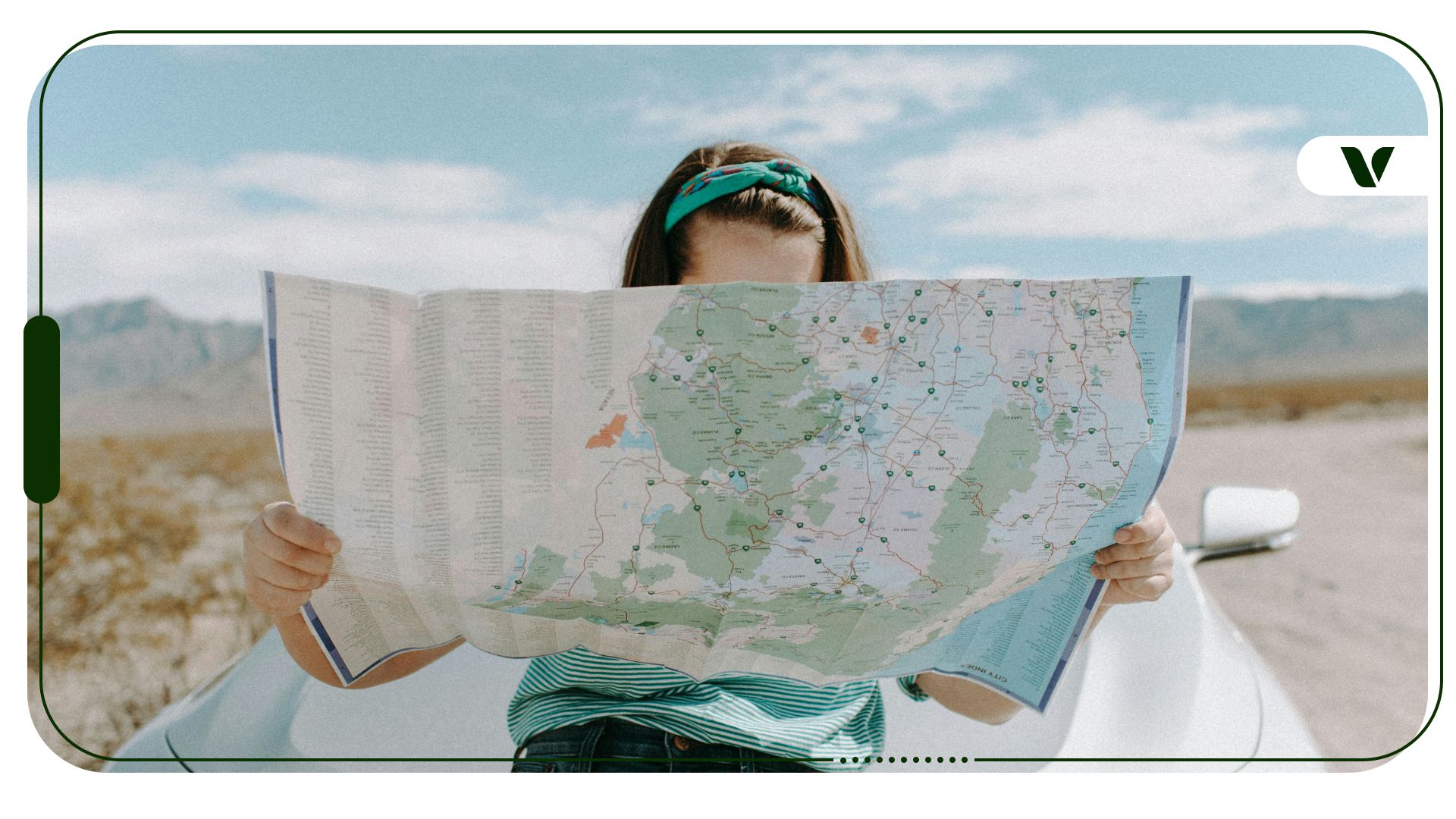
Yes, you can travel with medical marijuana in many situations, but the rules depend heavily on your transportation method and destination state laws. While some states honor out-of-state medical cards through reciprocity agreements, federal restrictions still create legal gray areas for air travel and crossing state lines.
The complexity stems from cannabis remaining federally illegal even as individual states have legalized medical use. This creates a patchwork of regulations that change depending on whether you’re flying, driving, or crossing state boundaries.
Flying with medical marijuana remains federally prohibited regardless of your medical card status. The Transportation Security Administration (TSA) operates under federal law, where cannabis is still classified as a controlled substance.
TSA agents are not actively searching for small amounts of personal cannabis, but they are required to report any discoveries of medical marijuana and cannabis items to law enforcement. If TSA finds cannabis in your luggage, they will contact local airport police who then decide whether to pursue charges based on local laws.
Leaving cannabis products at home when flying avoids the legal complications that medical cards cannot resolve under federal laws. Even if you’re traveling between two legal states, the federal airspace creates legal complications that your medical card cannot resolve.
Some patients choose to travel with CBD products containing less than 0.3% THC, which are federally legal under the 2018 Farm Bill. However, even these products carry risk if they’re not properly labeled or if TSA cannot distinguish them from prohibited cannabis products.
Driving across state lines with medical marijuana depends entirely on the laws of both your origin and destination states. Your medical card only provides legal protection in states that recognize it through reciprocity agreements.
Interstate transport becomes illegal the moment you enter a state that doesn’t recognize your card or prohibits cannabis entirely. Even if both states have legal cannabis, crossing the state line technically violates federal law since you’re engaging in interstate commerce of a controlled substance.
The practical risk varies by location. Border patrol checkpoints between some states actively search for cannabis, while others focus primarily on immigration enforcement. State police in prohibition states may arrest medical patients carrying cannabis, regardless of their card status from another state.
Many experienced medical patients plan their routes carefully, researching the cannabis laws of every state they’ll drive through. Some choose to consume their medication before traveling and purchase new products at their destination if it’s a reciprocity state.
Reciprocity allows out-of-state medical marijuana patients to purchase and possess cannabis in states that recognize their cards. Currently, 18 states offer full reciprocity, while 7 states provide temporary visitor access with limitations.
Reciprocity scope and requirements vary significantly by state. Full reciprocity states treat your out-of-state card exactly like a local card, allowing purchases at licensed dispensaries with no additional steps.
States with full reciprocity include Arizona, Arkansas, Colorado, Maine, Michigan, Nevada, New Hampshire, Oklahoma, Pennsylvania, Rhode Island, and Washington D.C. These locations allow immediate access to dispensaries with just your valid medical card and ID.
The possession limits in reciprocity states typically match what local patients can carry, but some states impose lower limits on out-of-state visitors. Always verify current possession limits before traveling, as they change frequently with new legislation.
Several states offer temporary visiting patient programs that require advance registration before your arrival. These programs provide legal protection but involve more planning than full reciprocity states.
Hawaii requires out-of-state patients to register online and pay a $49.50 fee for a 60-day temporary card. The application must be submitted at least 10 days before your arrival, and you need a physician’s recommendation from your home state.
New Mexico offers a 90-day reciprocity period for out-of-state patients, but you must register with the state’s medical cannabis program first. The registration includes background check requirements and fees similar to obtaining a new card.
Montana allows out-of-state patients to possess cannabis but prohibits purchases from dispensaries. This creates a legal gray area where possession is protected but acquisition remains problematic for visitors.
Louisiana permits out-of-state patients to possess medical cannabis that was legally obtained in their home state, but local dispensary purchases require Louisiana residency. This effectively limits the program’s usefulness for most travelers.
Twenty-five states currently offer no recognition of out-of-state medical marijuana cards, making cannabis possession illegal regardless of your medical status elsewhere. These states include Idaho, Wyoming, Kansas, Wisconsin, Tennessee, North Carolina, South Carolina, Georgia, and others.
In non-reciprocity states, your medical card provides no legal protection whatsoever. Possession charges in these states can result in criminal penalties including fines, jail time, and permanent criminal records that affect employment and housing opportunities.
Some non-reciprocity states have limited CBD programs that allow very low-THC products for specific conditions, but these programs typically require state residency and don’t recognize out-of-state cards. The THC limits are often below 0.3%, essentially limiting options to federally legal hemp-derived products.
Law enforcement in prohibition states may be unfamiliar with medical marijuana cards from other states and often treat all cannabis possession as illegal. Carrying documentation about your medical condition and card validity rarely influences local prosecution decisions.
Proper documentation and packaging are essential when traveling with medical marijuana in reciprocity states. Your medical card, government-issued ID, and original packaging from licensed dispensaries provide the best legal protection during travel.
Keep all products in their original, sealed containers with lab testing labels intact. These labels prove the products came from licensed sources and show exact cannabinoid content, which helps law enforcement verify compliance with local limits.
Essential documentation includes:
Store all cannabis products and paraphernalia in a locked container, preferably in your vehicle’s trunk if driving. This demonstrates intent to comply with local laws and reduces accessibility during traffic stops.
Never mix medical cannabis with alcohol or store it in easily accessible locations like glove compartments or center consoles. Many states have strict rules about accessible cannabis in vehicles, similar to open container laws for alcohol.
Consider carrying a small amount rather than your full legal limit when traveling. Large quantities may raise suspicions about distribution intent, even with valid medical documentation.
International travel with medical marijuana is federally prohibited and can result in serious criminal charges including drug trafficking violations. No medical marijuana card provides legal protection when crossing international borders, including travel to Canada where cannabis is nationally legal.
U.S. Customs and Border Protection agents actively search for cannabis products at all international entry points. Discovery of any cannabis product, regardless of medical card status, typically results in arrest and federal prosecution under international drug trafficking statutes.
Even CBD products legal under U.S. federal law can create problems at international borders. Many countries maintain zero-tolerance policies for all cannabis-derived products, and explaining the legal distinction between hemp and marijuana to foreign customs agents often proves unsuccessful.
Key prohibition points for international travel:
Patients who require cannabis for serious medical conditions should consult their physicians about alternative medications for international travel. Some countries allow specific pharmaceutical cannabis products through official import permits, but these require months of advance planning and government approval.
TSA follows standardized cannabis discovery protocols regardless of your medical card status. TSA agents will contact local airport police who determine whether to pursue charges based on local and state laws rather than federal regulations.
At airports in legal states, police often confiscate cannabis products and release patients without charges if quantities fall within legal limits. However, this outcome depends entirely on local police discretion and the specific jurisdiction’s policies toward medical marijuana.
At airports in prohibition states, discovery typically results in arrest and criminal charges. Medical cards from other states provide no legal defense in these jurisdictions, and patients face the same penalties as recreational users.
Legal response steps if stopped with medical marijuana:
Traffic stops in non-reciprocity states create similar risks when driving with medical marijuana. Some patients choose to consume their medication before entering prohibition states and dispose of any remaining products rather than risk criminal charges.
The legal consequences vary dramatically by jurisdiction. Some areas treat small amounts as minor infractions with fines, while others pursue felony charges that carry prison sentences and permanent criminal records.
Understanding medical marijuana card benefits includes knowing their limitations when traveling outside your home state’s jurisdiction.
Successful travel with medical marijuana requires thorough research of every jurisdiction you’ll encounter during your trip. Laws change frequently, and what was legal six months ago may now carry criminal penalties.
Start by verifying your destination state’s current reciprocity status and possession limits. Many states update their medical marijuana laws annually, and reciprocity agreements can be suspended or modified without advance notice to out-of-state patients.
Research your travel route carefully if driving. Crossing through a single non-reciprocity state can turn an otherwise legal trip into a criminal violation. Some patients choose longer routes to avoid prohibition states entirely.
Consider the timing of law enforcement interactions. Cannabis remains detectable in blood and urine long after impairment ends, which can complicate traffic stops even in legal states. Many states have drugged driving laws that penalize detectable THC levels regardless of actual impairment.
Plan alternative medications with your physician before traveling to prohibition states or internationally. Getting your medical card often involves identifying backup treatment options for exactly these situations.
Contact dispensaries at your destination before traveling to verify they accept out-of-state cards and understand their purchasing procedures. Some reciprocity states require additional paperwork or impose waiting periods for out-of-state purchases.
Note: The content on this page is for informational purposes only and is not intended to be professional medical advice. Do not attempt to self-diagnose or prescribe treatment based on the information provided. Always consult a physician before making any decision on the treatment of a medical condition.
Note: Veriheal does not support illegally consuming therapeutic substances such as cannabis but acknowledges that it transpires because of the current illicit status, which we strive to change by advocating for research, legal access, and responsible consumption. Always consult a physician before attempting alternative therapies.
If you’re traveling with medical marijuana, consider consulting with a Veriheal medical marijuana doctor who can provide guidance specific to your medical needs and travel plans.
Yes, but only within states that recognize your medical card through reciprocity agreements. Your card provides legal protection in 18 full reciprocity states and 7 limited reciprocity states, but offers no protection in prohibition states or during air travel.
No, flying with medical marijuana violates federal law regardless of your medical card status. TSA operates under federal regulations where cannabis remains prohibited, and discovery can result in criminal charges even when traveling between legal states.
Eighteen states offer full reciprocity including Arizona, Colorado, Maine, Michigan, Nevada, and Oklahoma. Seven additional states provide limited or temporary reciprocity with advance registration requirements and fees.
Medical cards provide no protection for air travel since aviation falls under federal jurisdiction. Even flights between legal states cross federal airspace where cannabis possession violates federal law and can result in trafficking charges.
Interstate transport is only legal when both your origin and destination states recognize your medical card. Crossing into any non-reciprocity state makes possession illegal, and interstate transport technically violates federal law.
TSA agents report all cannabis discoveries to local law enforcement regardless of medical card status. While TSA doesn’t actively search for cannabis, any discovery triggers law enforcement contact and potential criminal charges.
Edibles face the same federal prohibitions as all cannabis products during air travel. Medical cards cannot override federal aviation laws, and edibles often create additional complications since their cannabis content isn’t immediately obvious to TSA agents.
Sign up for our newsletter

Learn the process in your state
All Rights Reserved Veriheal Inc. ©
Terms Privacy Policy Advertising Agreement Content Disclamer


Get your medical marijuana card today
Sign up in under 5 minutes
Start By Selecting Your State
 Alabama
Alaska
Arizona
Arkansas
California
Colorado
Connecticut
Delaware
Florida
Georgia
Hawaii
Idaho
Illinois
Indiana
Iowa
Kansas
Kentucky
Louisiana
Maine
Maryland
Massachusetts
Michigan
Minnesota
Mississippi
Missouri
Montana
Nebraska
Nevada
New Hampshire
New Jersey
New Mexico
New York
North Carolina
North Dakota
Ohio
Oklahoma
Oregon
Pennsylvania
Rhode Island
South Carolina
South Dakota
Tennessee
Texas
Utah
Vermont
Virginia
Washington
West Virginia
Wisconsin
Wyoming
Puerto Rico
Alabama
Alaska
Arizona
Arkansas
California
Colorado
Connecticut
Delaware
Florida
Georgia
Hawaii
Idaho
Illinois
Indiana
Iowa
Kansas
Kentucky
Louisiana
Maine
Maryland
Massachusetts
Michigan
Minnesota
Mississippi
Missouri
Montana
Nebraska
Nevada
New Hampshire
New Jersey
New Mexico
New York
North Carolina
North Dakota
Ohio
Oklahoma
Oregon
Pennsylvania
Rhode Island
South Carolina
South Dakota
Tennessee
Texas
Utah
Vermont
Virginia
Washington
West Virginia
Wisconsin
Wyoming
Puerto Rico