1-855-452-6224 (Customer Support Available 24/7)

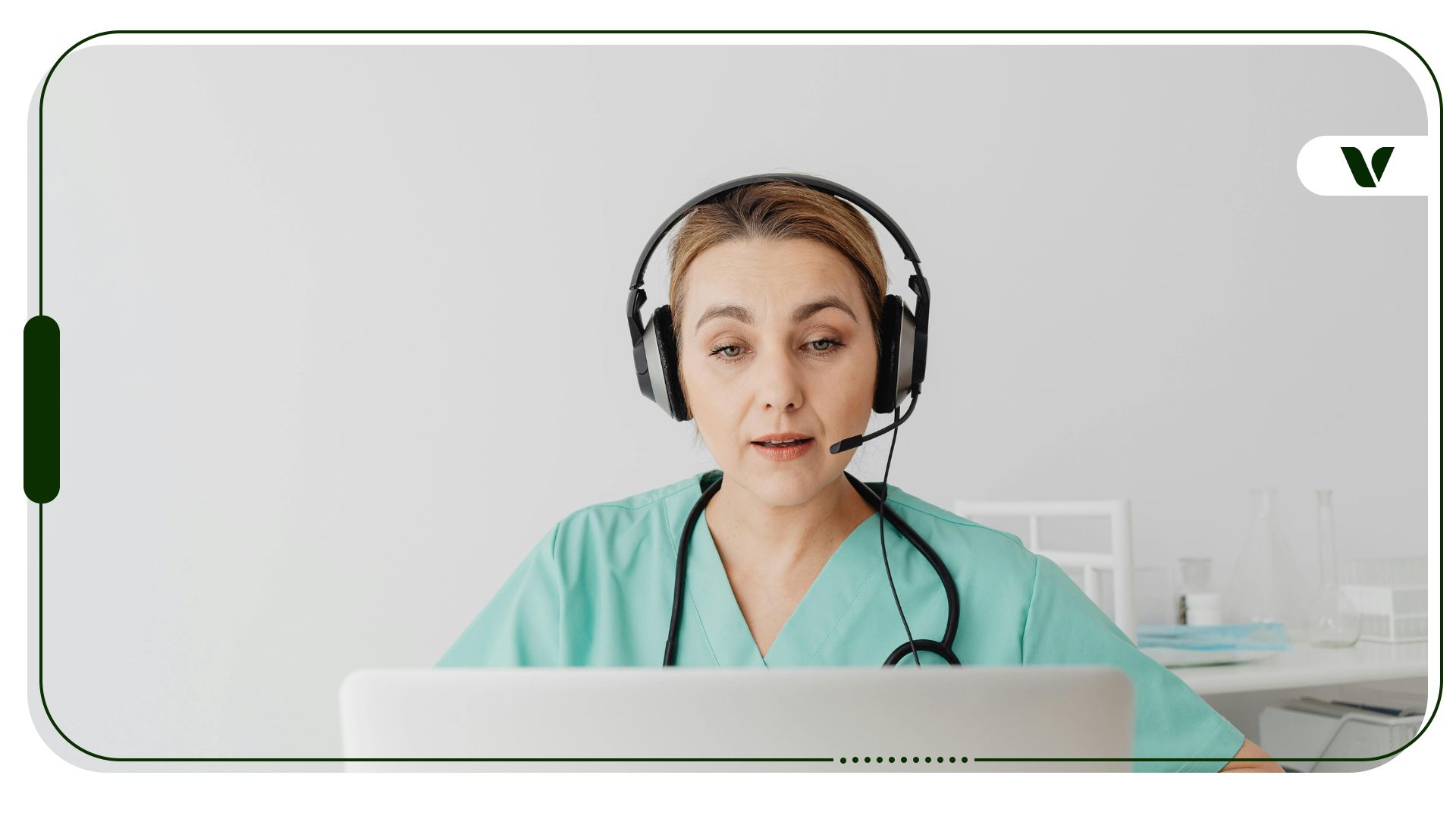
Getting your medical marijuana card online is legal in most medical cannabis states through secure telehealth appointments with licensed doctors. This virtual process lets you complete both initial evaluations and renewals from home, but state laws vary significantly on which services are allowed remotely.
The telehealth option has expanded access for patients with mobility issues, those in rural areas, and anyone seeking privacy and convenience. You’ll still need to meet your state’s qualifying conditions and provide proper documentation, but the appointment itself happens via video call rather than in person.
Online medical marijuana evaluations use secure video conferencing technology to connect you with a licensed cannabis doctor in your state. The process mirrors an in-person visit but happens through your computer or smartphone screen.
During your virtual appointment, you’ll discuss your qualifying condition, medical history, and current symptoms with the doctor. They’ll review any medical records you’ve uploaded and determine whether cannabis therapy is appropriate for your situation. Most appointments last 15-30 minutes and follow the same clinical standards as traditional office visits.
Your telehealth consultation follows a structured format that ensures comprehensive care while meeting state regulatory requirements. The doctor will verify your identity, confirm your state residency, and review your medical background before discussing cannabis as a treatment option.
You’ll need a stable internet connection and a device with a camera and microphone. The platform typically includes secure messaging features where you can ask follow-up questions or submit additional documentation if needed.
Most telehealth providers require you to upload specific documents before your appointment to streamline the evaluation process:
The documentation requirements ensure your doctor has sufficient information to make an informed recommendation while complying with state medical cannabis regulations.
Online evaluations offer significant advantages over traditional in-person appointments, particularly for patients managing chronic conditions or facing mobility challenges. The convenience factor alone has made telehealth the preferred option for many medical cannabis patients.
Cost considerations also favor the virtual approach. Telehealth appointments typically cost 20-30% less than in-person consultations, and you’ll save on travel expenses, parking fees, and time off work. Many patients find the process less intimidating when conducted from their own homes.
Virtual appointments eliminate the stigma some patients feel about visiting a cannabis clinic in person. You can complete your evaluation in a private setting without worrying about being seen entering or leaving a medical cannabis facility.
The scheduling flexibility of telehealth platforms often means same-day or next-day appointments, compared to weeks-long waits for in-person consultations. This speed can be crucial for patients dealing with urgent symptoms or needing medical marijuana card benefits quickly.
Patients with mobility limitations, chronic pain conditions, or anxiety disorders often find telehealth evaluations less physically and emotionally demanding. Rural patients particularly benefit since many areas lack local cannabis clinics within reasonable driving distance.
Research supports the effectiveness of virtual consultations for managing chronic pain and other conditions commonly treated with medical cannabis.
State regulations on cannabis telehealth vary significantly, with some allowing both initial certifications and renewals virtually while others restrict telemedicine to renewals only. Recent legislative changes in 2026 have expanded access in several states that previously required in-person visits.
The regulatory landscape continues evolving as states recognize the benefits of virtual healthcare delivery. States that initially restricted telehealth due to federal concerns have gradually adopted more permissive policies as cannabis acceptance grows.
| State | Initial Certification | Renewals | Special Conditions |
| California | Yes | Yes | None |
| Colorado | Yes | Yes | Doctor must be licensed in state |
| Florida | No | Yes | Initial requires in-person |
| New York | Yes | Yes | None |
| Pennsylvania | No | Yes | Initial requires in-person |
| Illinois | Yes | Yes | None |
| Ohio | Yes | Yes | Recent 2026 change |
| Michigan | Yes | Yes | None |
| Arizona | Yes | Yes | None |
| Nevada | Yes | Yes | None |
States not listed either don’t have medical cannabis programs or maintain stricter in-person requirements that may change as federal policy evolves.
Most states maintain consistent qualifying condition lists regardless of whether you choose telehealth or in-person evaluation. Common conditions approved for virtual assessment include chronic pain, PTSD, epilepsy, cancer, and severe arthritis.
Virtual doctors can effectively evaluate these conditions through detailed symptom discussions, medical record review, and visual assessment where appropriate. Conditions requiring hands-on physical examination may still necessitate in-person visits in some states.
Commonly approved conditions for telehealth evaluation:
The virtual assessment process focuses on symptom severity, treatment history, and how cannabis therapy might improve your quality of life. Doctors rely heavily on your medical records and honest symptom reporting to make appropriate recommendations.
The telehealth application process typically takes 3-5 business days from booking your appointment to receiving your temporary digital card. Understanding how long it takes helps you plan accordingly for your cannabis therapy needs.
Start by choosing a licensed telehealth provider operating in your state. Verify their credentials and read patient reviews to ensure quality care. Many platforms offer same-day appointments if you have all required documentation ready.
After your virtual consultation, the doctor submits your recommendation to the state registry. Most states issue temporary digital cards within 24-48 hours, allowing immediate dispensary access while your physical card processes. The entire virtual process eliminates multiple trips and reduces the total timeline significantly.
Your physical card typically arrives by mail within 7-14 business days, depending on your state’s processing times. Once you have either your temporary or physical card, you can begin exploring dispensaries and traveling with your card within legal boundaries.
Licensed telehealth platforms use HIPAA-compliant video conferencing technology with end-to-end encryption to protect your medical information. Your consultation data receives the same privacy protections as traditional healthcare records.
Federal telemedicine security standards from HHS require healthcare platforms to implement robust cybersecurity measures. Reputable cannabis telehealth providers undergo regular security audits and maintain strict data handling protocols.
Your virtual consultation and medical records remain confidential between you and your doctor. The platform cannot share your information with employers, insurance companies, or law enforcement without proper legal authorization, just like traditional medical visits.
Ready to explore your medical cannabis options through secure telehealth? Start your evaluation today with a licensed cannabis doctor in your state.
Note: The content on this page is for informational purposes only and is not intended to be professional medical advice. Do not attempt to self-diagnose or prescribe treatment based on the information provided. Always consult a physician before making any decision on the treatment of a medical condition.
Note: Veriheal does not support illegally consuming therapeutic substances such as cannabis but acknowledges that it transpires because of the current illicit status, which we strive to change by advocating for research, legal access, and responsible consumption. Always consult a physician before attempting alternative therapies.
Yes, you can get a medical marijuana card online in most states with medical cannabis programs through licensed telehealth platforms. The virtual evaluation process includes a video consultation with a licensed doctor who reviews your qualifying condition and medical history. After approval, you’ll receive a temporary digital card within 1-2 business days.
Telemedicine for medical marijuana is legal in most medical cannabis states, though specific regulations vary by location. Some states allow both initial certifications and renewals via telehealth, while others restrict virtual appointments to renewals only. Check your state’s current regulations before booking.
States allowing telemedicine for MMJ include California, Colorado, New York, Illinois, Michigan, Arizona, and Nevada for both initial and renewal appointments. Florida and Pennsylvania currently restrict telehealth to renewals only. Ohio recently expanded telehealth access in 2026.
Doctors don’t write prescriptions for cannabis since it remains federally controlled, but licensed physicians can provide medical recommendations through telehealth consultations. These recommendations allow you to apply for your state’s medical cannabis registry and access licensed dispensaries legally.
Telehealth MMJ appointments are legitimate when conducted through licensed platforms with state-certified cannabis doctors. These virtual consultations follow the same medical standards as in-person visits and result in valid state registry recommendations. Always verify your provider’s credentials before booking.
Most states no longer require in-person visits for MMJ cards, allowing both initial evaluations and renewals through telehealth platforms. However, a few states like Florida and Pennsylvania still mandate in-person appointments for initial certifications while permitting virtual renewals.
To get a medical marijuana card online legally, choose a licensed telehealth provider in your state, schedule a virtual consultation, and provide required documentation including medical records and state ID. After your doctor approves your qualifying condition, they’ll submit your recommendation to the state registry for card processing.
Sign up for our newsletter

Learn the process in your state
All Rights Reserved Veriheal Inc. ©
Terms Privacy Policy Advertising Agreement Content Disclamer


Get your medical marijuana card today
Sign up in under 5 minutes
Start By Selecting Your State
 Alabama
Alaska
Arizona
Arkansas
California
Colorado
Connecticut
Delaware
Florida
Georgia
Hawaii
Idaho
Illinois
Indiana
Iowa
Kansas
Kentucky
Louisiana
Maine
Maryland
Massachusetts
Michigan
Minnesota
Mississippi
Missouri
Montana
Nebraska
Nevada
New Hampshire
New Jersey
New Mexico
New York
North Carolina
North Dakota
Ohio
Oklahoma
Oregon
Pennsylvania
Rhode Island
South Carolina
South Dakota
Tennessee
Texas
Utah
Vermont
Virginia
Washington
West Virginia
Wisconsin
Wyoming
Puerto Rico
Alabama
Alaska
Arizona
Arkansas
California
Colorado
Connecticut
Delaware
Florida
Georgia
Hawaii
Idaho
Illinois
Indiana
Iowa
Kansas
Kentucky
Louisiana
Maine
Maryland
Massachusetts
Michigan
Minnesota
Mississippi
Missouri
Montana
Nebraska
Nevada
New Hampshire
New Jersey
New Mexico
New York
North Carolina
North Dakota
Ohio
Oklahoma
Oregon
Pennsylvania
Rhode Island
South Carolina
South Dakota
Tennessee
Texas
Utah
Vermont
Virginia
Washington
West Virginia
Wisconsin
Wyoming
Puerto Rico