1-855-452-6224 (Customer Support Available 24/7)

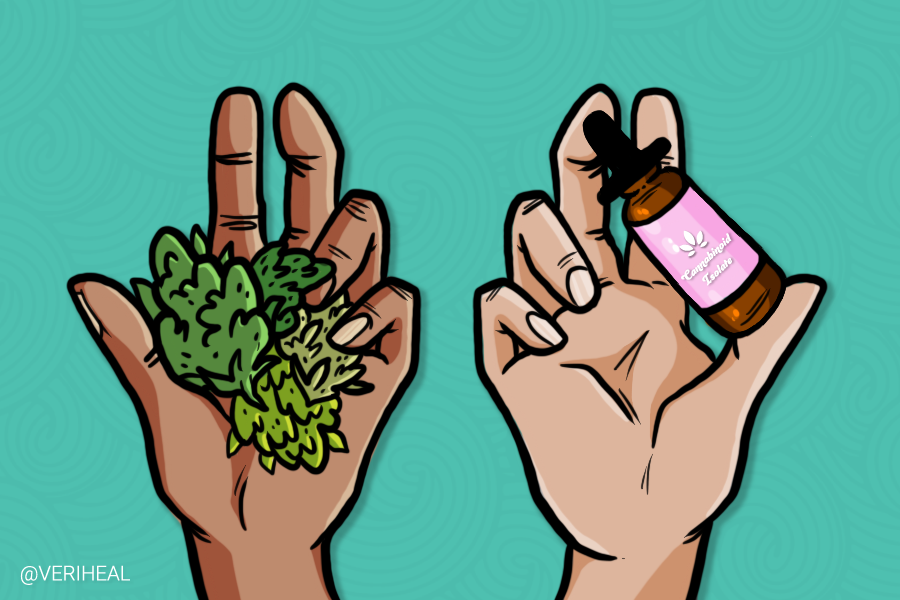
One of the biggest problems with allowing cannabis to be sold alongside pharmaceuticals is the fact that it is challenging to regulate. Individuals can find cannabis medicine which may be plant-based or synthetic cannabinoids. Cannabinoids are the compounds found in cannabis that reacts with our bodies, which brings on the benefits and effects. Synthetic cannabinoids are chemical replicas of the substances found in the cannabis plant itself and comprises of singular molecule development.
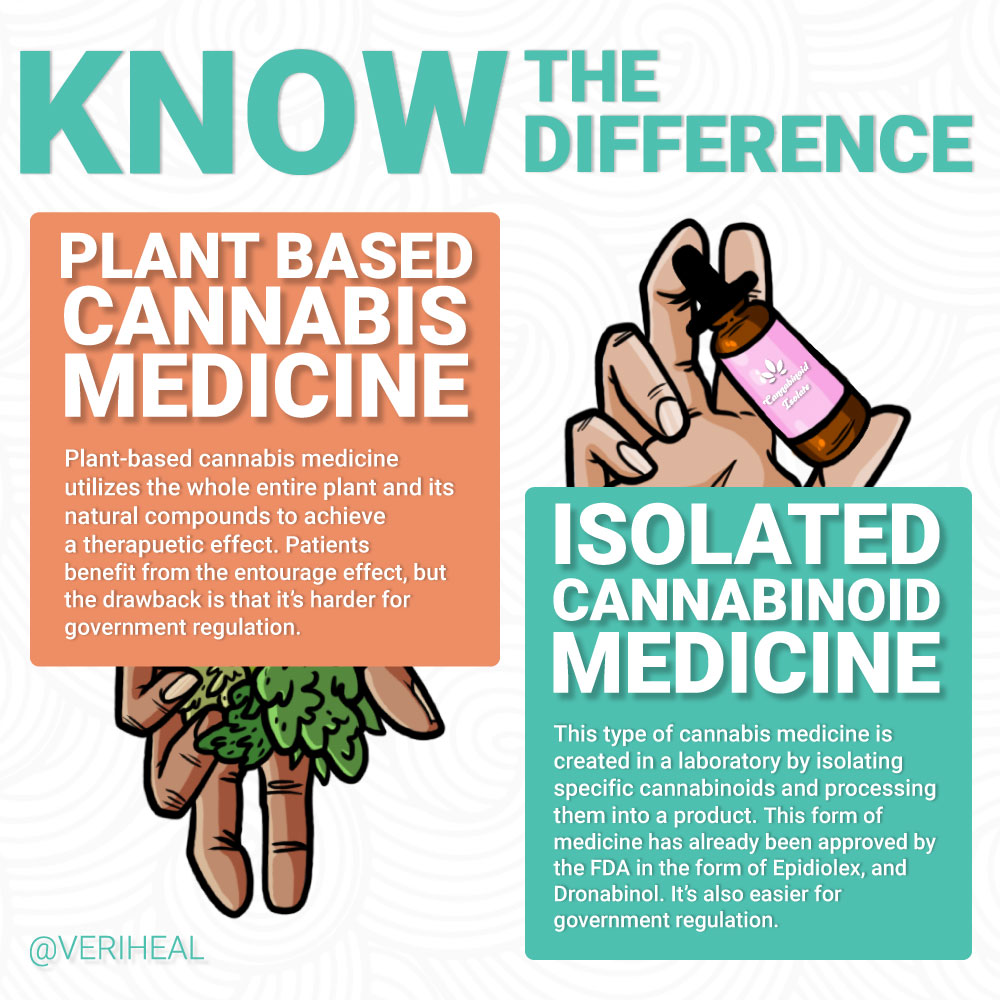
Even though the chemical and pharmacological properties of synthetic properties are mostly unknown outside of the laboratory, it is said to be easier for the pharmaceutical industry to regulate than plant-based medicine. Synthetic cannabinoid products are herbal mixtures doused with synthetic cannabinoids which make their appearance, taste and smell different. A synthetic formulation of the main psychoactive cannabinoid, Tetrahydrocannabinol (THC), was approved by the U.S Food and Drug Administration, which is called Dronabinol. Alongside that, Nabilone, which is a synthetic analog of THC, was also approved. Those are just two of hundreds that are being manufactured and sold.
Professionals are advocating for more research to be done so that they may figure out which is better: plant-based medicine or synthetic cannabinoids.
Let’s have a look at the benefits of each as well as something called the ‘entourage effect’.
The entourage effect is when the different cannabis compounds such as terpenes, THC, and cannabidiol (CBD), combine together to create an effect that is more powerful than what they would on their own. Since there are so many compounds in cannabis, many yet to be discovered, the entourage effect could explain why consuming cannabis effects vary so much, as they interact with each other.
One of the most important things to consider is that you will be getting the full spectrum of the plant’s benefits when you consume plant-based medicine. There is a complex synergy between the plants’ cannabinoids and other constituents of the plant such as the terpenes. It is not yet clear how these components of the plant interact with each other but it is clear that they work together to boost the effects.
The entourage effect explains why the effects THC, for example, from the plant can be 2 to 4 times greater than just THC on its’ own. Although more research is needed, it has already been established that we should consume plant-based medicine if we were to get the most out of cannabis.
Both synthetic cannabinoid medication and plant-based medication both offer the benefits which we want cannabis for. But again, there needs to be more research into which one is better, as well as more research into what the adverse effects are for both. Until then, we won’t know for certain.
Sign up for our newsletter
Learn the process in your state
All Rights Reserved Veriheal Inc. ©
Terms Privacy Policy Advertising Agreement Content Disclamer


Get your medical marijuana card today
Sign up in under 5 minutes
Start By Selecting Your State
 Alabama
Alaska
Arizona
Arkansas
California
Colorado
Connecticut
Delaware
Florida
Georgia
Hawaii
Idaho
Illinois
Indiana
Iowa
Kansas
Kentucky
Louisiana
Maine
Maryland
Massachusetts
Michigan
Minnesota
Mississippi
Missouri
Montana
Nebraska
Nevada
New Hampshire
New Jersey
New Mexico
New York
North Carolina
North Dakota
Ohio
Oklahoma
Oregon
Pennsylvania
Rhode Island
South Carolina
South Dakota
Tennessee
Texas
Utah
Vermont
Virginia
Washington
West Virginia
Wisconsin
Wyoming
Puerto Rico
Alabama
Alaska
Arizona
Arkansas
California
Colorado
Connecticut
Delaware
Florida
Georgia
Hawaii
Idaho
Illinois
Indiana
Iowa
Kansas
Kentucky
Louisiana
Maine
Maryland
Massachusetts
Michigan
Minnesota
Mississippi
Missouri
Montana
Nebraska
Nevada
New Hampshire
New Jersey
New Mexico
New York
North Carolina
North Dakota
Ohio
Oklahoma
Oregon
Pennsylvania
Rhode Island
South Carolina
South Dakota
Tennessee
Texas
Utah
Vermont
Virginia
Washington
West Virginia
Wisconsin
Wyoming
Puerto Rico