Seventeen states have banned delta-8 THC products due to regulatory gaps, safety concerns about uncontrolled manufacturing, and youth access issues. These bans reflect broader tensions between federal hemp law and state oversight of intoxicating products that weren’t anticipated when Congress legalized hemp in 2018.
What Is Delta-8 THC?
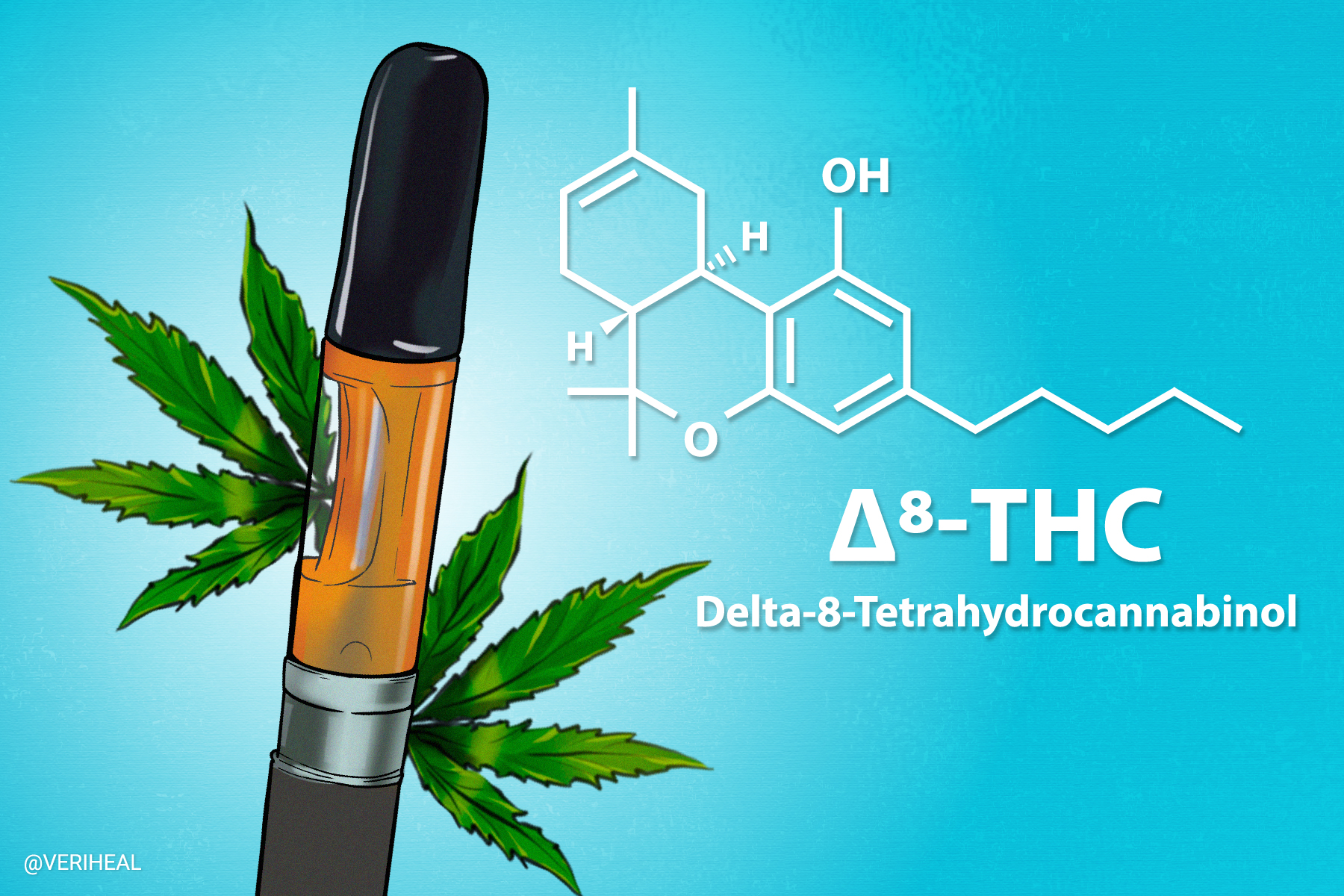
Delta-8 THC is a cannabis compound that produces mild psychoactive effects similar to traditional delta-9 THC, but with less intensity. The compound occurs naturally in cannabis plants in very small amounts, typically less than 0.1% of the total cannabinoid content. Most commercial delta-8 products are manufactured by converting hemp-derived CBD through chemical processes rather than direct extraction from cannabis.
This manufacturing difference has become central to the regulatory debate. While delta-9 THC can be extracted directly from cannabis flowers, delta-8 products rely on laboratory conversion processes that transform CBD into delta-8 using acids, heat, and chemical catalysts. The 2018 Farm Bill legalized hemp and its derivatives but didn’t anticipate synthetic processes that create intoxicating compounds from non-intoxicating hemp.
The compound binds to the same brain receptors as delta-9 THC but with different affinity, producing what users describe as a clearer, less anxious high. However, the lack of natural abundance means virtually all delta-8 products on the market are chemically manufactured rather than naturally extracted.
Why States Are Concerned About Delta-8 THC
State regulators have identified several core issues with delta-8 products that drive their decision to implement bans. Manufacturing safety concerns top the list, as delta-8 production involves unregulated chemical conversion processes that can leave harmful residues or byproducts in the final product.
The regulatory vacuum creates enforcement challenges for state agencies. While states can regulate cannabis through their medical and adult-use programs, hemp-derived products fall into federal jurisdiction under the Farm Bill. This split authority means delta-8 products can be sold without the testing, labeling, and quality control requirements that apply to traditional cannabis products.
Youth access concerns also influence state decisions. Delta-8 products are often marketed and sold alongside CBD products in gas stations, convenience stores, and online retailers without age verification systems. Unlike regulated cannabis dispensaries, these retail environments lack the security measures and ID checking protocols that prevent underage access.
Consumer confusion adds another regulatory pressure point. Many buyers assume delta-8 products carry the same legal protections and quality standards as state-regulated cannabis, but these products operate in an entirely different legal framework with minimal oversight.
The Manufacturing and Safety Debate
The chemical processes used to create delta-8 products have raised significant safety flags among regulatory agencies. Unlike natural extraction methods, delta-8 production requires acids, heat, and chemical catalysts to convert CBD into the target compound. These conversion processes can produce unknown byproducts or leave harmful residues if not properly controlled.
Testing has revealed concerning quality control issues. Laboratory analyses of delta-8 products have found residual solvents, heavy metals, and other contaminants that would fail safety standards in regulated cannabis markets. Some products contained significantly more or less delta-8 than their labels indicated, suggesting inconsistent manufacturing practices.
The lack of standardized testing requirements compounds these safety concerns. While regulated cannabis undergoes mandatory testing for pesticides, residual solvents, heavy metals, and potency, hemp-derived delta-8 products face no such requirements. This regulatory gap means consumers cannot verify product safety or accuracy through independent testing.
| Regulated Cannabis (Testing Required) |
Delta-8 Products (Testing Optional) |
| Pesticides, solvents, metals |
No mandatory testing |
| Potency verification |
Self-reported potency |
| Child-resistant packaging |
Standard retail packaging |
| Licensed facilities |
Unregulated manufacturing |
| State oversight |
Minimal oversight |
Federal Legal Framework and the 2018 Farm Bill Loophole
The 2018 Farm Bill legalized hemp by removing it from the Controlled Substances Act, defining hemp as cannabis containing less than 0.3% delta-9 THC. This definition created an unintended loophole that manufacturers have exploited to produce intoxicating delta-8 products from legal hemp.
Congress focused primarily on CBD when crafting hemp legislation and didn’t anticipate the chemical conversion processes that would emerge to create psychoactive compounds from non-psychoactive hemp. The Farm Bill’s language technically allows any hemp derivative containing less than 0.3% delta-9 THC, which includes chemically converted delta-8 products.
Federal agencies have expressed growing concern about this regulatory gap. The DEA has issued interim rules suggesting that synthetically derived THC compounds may violate federal law, while the FDA has warned companies about marketing delta-8 products without proper approval.
The regulatory concerns that drive state action include:
- Synthetic vs. natural distinction – regulators question whether chemically converted compounds qualify as natural hemp derivatives
- Intoxication potential – the Farm Bill aimed to legalize non-intoxicating hemp products, not create new pathways for psychoactive substances
- Youth protection – federal hemp law lacks the age restrictions and marketing controls that states apply to intoxicating cannabis products
- Interstate commerce complications – different state approaches create a patchwork of conflicting regulations for hemp-derived products
Are There Any Negative Side Effects?
The safety concerns driving state bans center on both the effects of delta-8 itself and the potential dangers from unregulated production. Users have reported side effects similar to delta-9 THC, including dry mouth, red eyes, short-term memory issues, and impaired coordination. However, the manufacturing quality issues create additional risks not present with naturally extracted compounds.
Reports to poison control centers have increased as delta-8 products became more widely available. The FDA has documented cases of adverse events including hallucinations, vomiting, tremor, anxiety, dizziness, and confusion linked to delta-8 consumption.
Manufacturing contaminants pose the most serious safety concern for regulators. Products tested by state laboratories have contained residual acids used in the conversion process, heavy metals from extraction equipment, and unknown byproducts created during chemical synthesis. These contaminants can cause health effects entirely separate from delta-8’s intended psychoactive properties.
The lack of dosing standardization creates additional safety risks. Unlike regulated cannabis edibles with precise THC measurements, delta-8 products often contain inconsistent potency levels, making it difficult for users to predict effects and avoid overconsumption.
Political and Industry Factors Behind the Bans
The delta-8 regulatory landscape reflects competing interests between established cannabis industries and emerging hemp markets. In states with mature medical or adult-use cannabis programs, licensed operators have pushed for delta-8 restrictions, arguing that these products create unfair competition by avoiding the taxes, testing, and compliance costs that regulated cannabis businesses face.
Law enforcement agencies have also supported delta-8 bans in many states. Police departments report difficulty distinguishing between legal delta-8 products and illegal cannabis, particularly since both can trigger positive results on field test kits. This creates practical enforcement challenges that many agencies prefer to avoid through clear prohibition.
Federal pressure has influenced state decisions as well. While federal cannabis laws remain restrictive, federal agencies have sent informal signals discouraging delta-8 sales through warning letters and enforcement priorities. States often interpret these signals as guidance to restrict or ban delta-8 products preemptively.
State cannabis control boards view delta-8 as circumventing their regulatory authority. These agencies spent years building testing protocols, licensing systems, and compliance frameworks for cannabis products, only to see similar intoxicating substances sold outside their oversight through the hemp loophole.
States That Have Banned Delta-8 THC
Seventeen states have implemented complete or partial bans on delta-8 THC products, with the list continuing to grow as more legislatures consider restrictions. The banned states include Alaska, Arizona, Arkansas, Colorado, Delaware, Idaho, Iowa, Mississippi, Montana, New York, North Dakota, Rhode Island, Utah, Vermont, and Washington.
These bans typically prohibit the manufacture, distribution, and sale of delta-8 products within state borders, though enforcement approaches vary. Some states include delta-8 in their controlled substances schedules, while others regulate it through hemp programs or general consumer protection laws.
The reasoning behind bans varies by state. Conservative states often cite concerns about youth access and public safety, while states with established cannabis programs frequently focus on regulatory consistency and market control. Several states have implemented bans after specific incidents involving delta-8 products, such as emergency room visits or contaminated product discoveries.
States with medical cannabis programs have been particularly likely to ban delta-8, as these products can interfere with patient access to regulated medical cannabis and create confusion about legal protections for medical users. The THC degradation process that affects delta-8 products also impacts their therapeutic consistency for medical users.
States With Delta-8 Restrictions and Regulations
Several states have chosen to regulate rather than ban delta-8 products, implementing testing requirements, age restrictions, and licensing systems. These regulatory approaches attempt to address safety concerns while maintaining legal access to hemp-derived cannabinoids.
California requires delta-8 products to undergo the same testing as cannabis products, including analysis for pesticides, residual solvents, heavy metals, and accurate potency labeling. The state also restricts delta-8 sales to licensed cannabis retailers, effectively treating these products the same as traditional THC products.
Michigan has implemented an age restriction system requiring retailers to verify that delta-8 buyers are at least 21 years old. The state also requires basic labeling standards and prohibits certain marketing claims about health benefits.
Texas has taken a more limited approach under state cannabis regulations, requiring delta-8 products to contain less than 0.3% delta-9 THC while allowing unrestricted sales to adults. However, the state has indicated that more comprehensive regulations may be forthcoming as the market develops.
Key Differences: Why Delta-8 Faces Restrictions While CBD Doesn’t
The fundamental difference between delta-8 and CBD lies in psychoactive potential and manufacturing methods. CBD produces no intoxicating effects and can be extracted directly from hemp plants through simple mechanical or CO2 processes. Delta-8, by contrast, creates psychoactive effects and requires chemical conversion processes to produce commercial quantities.
This distinction matters enormously to regulators. When Congress legalized hemp, the intention was to allow non-intoxicating products that wouldn’t compete with state cannabis programs or create public safety concerns. CBD fits this vision perfectly, while delta-8 represents an unintended consequence of hemp legalization.
Manufacturing transparency also differs significantly between the two compounds. CBD production involves straightforward extraction and purification processes that regulators can easily understand and monitor. Delta-8 production requires complex chemical knowledge and specialized equipment, making oversight more challenging for state agencies.
The market positioning creates additional regulatory friction. CBD products are typically marketed for wellness and supplement use, while delta-8 products are often positioned as legal alternatives to cannabis. This positioning draws regulatory scrutiny from agencies concerned about circumventing cannabis laws.
Ready to explore legal cannabis options in your state? Speak with a licensed physician about medical cannabis eligibility by visiting Veriheal’s physician network.
Note: The content on this page is for informational purposes only and is not intended to be professional medical advice. Do not attempt to self-diagnose or prescribe treatment based on the information provided. Always consult a physician before making any decision on the treatment of a medical condition.
Note: Veriheal does not support illegally consuming therapeutic substances such as cannabis but acknowledges that it transpires because of the current illicit status, which we strive to change by advocating for research, legal access, and responsible consumption. Always consult a physician before attempting alternative therapies.
Frequently Asked Questions
Why are so many states banning delta-8 if it’s legal under federal law?
States ban delta-8 because the 2018 Farm Bill created an unintended regulatory loophole that allows intoxicating products to be sold without the safety testing and age restrictions that apply to cannabis. State regulators view these products as circumventing their cannabis oversight authority.
Is delta-8 actually dangerous or are the bans just political?
Delta-8 products carry safety risks from unregulated manufacturing processes that can introduce harmful contaminants like residual acids and heavy metals. While the compound itself may be relatively safe, the lack of testing requirements means consumers cannot verify product safety or potency.
Will delta-8 bans affect CBD products?
No, CBD products remain legal in states that ban delta-8 because CBD doesn’t produce intoxicating effects and can be extracted naturally from hemp. The regulatory concerns about delta-8 specifically target psychoactive compounds made through chemical conversion processes.
Can I still buy delta-8 online if my state has banned it?
Purchasing delta-8 online and shipping it to a ban state may violate state law even if the product originates from a legal state. Many online retailers will not ship delta-8 products to addresses in ban states to avoid legal complications.
Are more states likely to ban delta-8 in the future?
Yes, the trend toward delta-8 restrictions is likely to continue as more states develop cannabis programs and federal agencies provide clearer guidance on synthetic hemp derivatives. The regulatory momentum currently favors restrictions rather than expanded access.
Author, Share & Comments