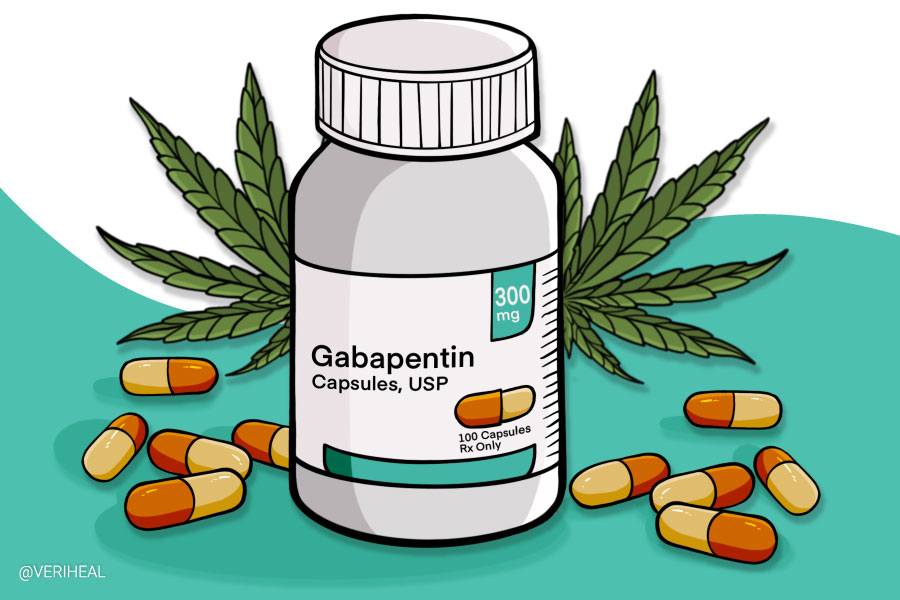
Understanding potential interactions between cannabis and common medications is essential for safe use, as THC and CBD can affect how your body processes certain pharmaceuticals. This guide covers the most important drug interactions you need to know about.
Cannabis contains compounds that interact with your body’s cytochrome P450 enzyme system, which processes most medications. THC and CBD can either speed up or slow down how quickly your liver breaks down other drugs, potentially making them more or less effective than expected.
Because cannabis products vary widely in cannabinoid composition, dose, and route of administration, and because the evidence for many of these interactions is still developing, the single most important thing you can do is discuss your cannabis use with the healthcare professional managing your prescriptions, before combining them and before making any changes to either.
Understanding Cannabis Drug Interactions
Cannabis drug interactions occur through several pathways in your body. The most significant involve the cytochrome P450 enzymes in your liver, which metabolize both cannabis compounds and many pharmaceuticals.
THC and CBD can inhibit or induce these enzymes, changing how quickly medications are processed. When enzyme activity slows down, drug levels can build up in your system, increasing the risk of side effects. When enzyme activity speeds up, medications may become less effective because they’re eliminated too quickly.
The strength of evidence behind cannabis-drug interactions varies enormously, from well-documented pharmacokinetic mechanisms to isolated case reports to theoretical concerns based on how a drug is metabolized. Rather than sorting medications into fixed risk tiers, this guide distinguishes what’s established from what’s still uncertain for each medication category, since individual medications within the same class can have very different interaction profiles.
Most cannabis drug interactions involve medications that carry narrow therapeutic windows, meaning small changes in blood levels can cause problems. Blood thinners, seizure medications, and heart rhythm drugs typically fall into this category.
Quick Reference Drug Interaction Chart
This comprehensive reference covers all major medication categories and their interaction levels with cannabis. Use this chart to quickly assess potential risks before combining cannabis with any prescription drug.
| Medication |
Brand Names |
Evidence Basis |
Primary Concern |
What to Do |
| Acetaminophen |
Tylenol |
Theoretical, based on shared liver processing |
Possible added liver workload with heavy use of either |
Discuss with your doctor if you use both regularly |
| Diphenhydramine |
Benadryl |
Well-documented additive sedation |
Enhanced drowsiness, impaired coordination |
Avoid driving; talk to your doctor before combining regularly |
| Antibiotics |
Varies significantly by class |
Limited data; varies by specific antibiotic |
Depends on the specific drug |
Ask your prescriber about your specific antibiotic |
| Warfarin |
Coumadin |
Documented interaction risk |
Altered bleeding risk |
Requires medical supervision, don’t combine without guidance |
| Benzodiazepines |
Xanax, Ativan |
Well-documented additive CNS depression |
Excessive sedation, respiratory risk |
Discuss with prescriber before combining; don’t adjust doses independently |
| SSRIs |
Prozac, Zoloft |
Case reports and theoretical concern, not established class-wide |
Possible serotonin-related effects (uncommon) |
Discuss with prescriber, especially with high doses of either |
| Seizure medications |
Keppra, Dilantin |
Varies significantly by drug; complex and individual |
Cannabis can affect seizure threshold, in either direction |
Requires close medical supervision |
| Blood pressure meds |
Lisinopril, Metoprolol |
Documented additive effect on blood pressure |
Blood pressure changes |
Regular monitoring recommended |
The interaction levels reflect current research and clinical observations. Low risk interactions rarely cause problems but still warrant awareness. Moderate caution interactions require timing considerations or dosage adjustments. Avoid combination recommendations indicate serious safety concerns that need medical oversight.
Remember that individual responses vary significantly based on metabolism, overall health, and specific medication formulations. This chart provides general guidance but cannot replace personalized medical advice for your specific situation.
Tylenol and Cannabis
Combining acetaminophen (Tylenol) with cannabis presents relatively low interaction risks for most people. Both substances are processed through different liver pathways, which minimizes direct metabolic conflicts.
A cannabis-acetaminophen interaction affecting liver processing time has been proposed based on shared metabolic pathways, but this isn’t well-established by clinical evidence at this point. What’s more clearly supported is the general principle that heavy use of either substance places demands on the liver, so regular heavy users of both should be mindful of total acetaminophen intake and discuss this with a healthcare provider rather than assume a specific, quantified interaction.
Regular heavy cannabis users should monitor their total daily acetaminophen intake more carefully. The combination doesn’t create dangerous interactions, but both substances require liver processing, and overuse of either can contribute to liver strain over time.
Benadryl and Cannabis
Diphenhydramine (Benadryl) and cannabis both cause sedating effects, which can combine to produce excessive drowsiness. This interaction falls into the moderate caution category because the combined effects are predictable but potentially problematic.
The sedation from combining these substances can be significantly stronger than either alone. You may experience prolonged drowsiness, impaired coordination, and difficulty concentrating that lasts longer than expected from either substance individually.
Both substances cause additive sedation, and this is a well-documented concern. Spacing doses apart may reduce the chance of peak effects overlapping, but no specific interval has been shown to reliably prevent the combined sedative effect, don’t treat any particular gap as a guarantee of safety. Avoid driving or operating machinery until you know how the combination affects you, and talk to a healthcare provider if you’re combining these regularly.
Cannabis While Taking Antibiotics
Antibiotics span many different drug classes with substantially different metabolic pathways, and interaction risk with cannabis isn’t uniform across them. Some, like amoxicillin, are processed through pathways less likely to overlap with cannabis metabolism; others may interact differently. Rather than assuming minimal risk across the board, ask your prescribing provider or pharmacist about your specific antibiotic if you’re a regular cannabis user.
Some people worry that cannabis might weaken their immune system during infection treatment. Research suggesting cannabis may have immunomodulatory effects shows mixed results, with some studies indicating potential immune support rather than suppression in certain contexts.
Cannabis Interactions with Mental Health Medications
Mental health medications represent one of the most complex areas for cannabis interactions because both substances affect neurotransmitter systems in your brain. Understanding these interactions is particularly important for medical cannabis patients who often use cannabis to address anxiety, depression, or sleep issues.
Antidepressants
SSRI antidepressants like sertraline (Zoloft), fluoxetine (Prozac), and escitalopram (Lexapro) can interact with cannabis through multiple mechanisms. Both cannabis and SSRIs affect serotonin signaling, though through different pathways.
Serotonin syndrome from combining cannabis and SSRIs has been raised as a theoretical concern rather than an established, predictable class-wide interaction, potential pharmacokinetic and pharmacodynamic interactions vary considerably by specific cannabinoid and specific antidepressant.
More commonly reported is a change in how well an antidepressant seems to work when someone starts or stops regular cannabis use, though this is based on patient reports rather than controlled studies. If you notice a change in your antidepressant’s effectiveness after changing your cannabis use, discuss it with your prescriber rather than adjusting either on your own.
Anti-Anxiety Medications
Combining benzodiazepines and cannabis raises real concerns around additive sedation, impaired coordination, and cognitive effects, this part is well-supported. The specific claim that respiratory depression effects “multiply” rather than add is not supported to the degree implied here.
One observational study found that 45.2% of patients on medical cannabis were able to discontinue benzodiazepine use over time, but this reflects patient outcomes under medical supervision, not a recommended dose-reduction target. Any benzodiazepine dose adjustment or taper should be made only by the prescribing healthcare professional, never independently based on cannabis use. If you use both, tell your prescriber, and let them guide any changes to either medication.
Mood Stabilizers
Case reports have described lithium toxicity in some cannabis users, suggesting a possible interaction that may raise lithium levels in certain people. This is signal-level evidence from individual case reports, not a confirmed, predictable mechanism or established interaction rate. It’s still a serious enough possibility, given lithium’s narrow therapeutic window, that anyone on lithium should discuss cannabis use with their prescriber rather than assume it’s safe by default.
Anticonvulsant mood stabilizers like lamotrigine (Lamictal) and valproic acid (Depakote) present different, less well-characterized concerns. Cannabis may affect seizure thresholds, and any interaction with these medications’ effects should be discussed with the prescribing provider rather than assumed one way or another.
Key takeaways for mental health medication interactions:
- Discuss cannabis use with the prescriber managing your psychiatric medication before combining them, don’t adjust either dose independently
- Monitor for mood changes, increased sedation, or other unexpected effects, and report them to your provider
- Never stop or reduce a prescribed psychiatric medication without medical supervision
- Spacing doses apart is sometimes suggested, but no specific interval has been shown to reliably prevent an interaction, this shouldn’t be relied on as a safety strategy on its own
Additional Cannabis Drug Interactions
Beyond the most common medications, several other drug categories require careful consideration when combined with cannabis. These interactions range from minor timing issues to potentially serious safety concerns.
Blood thinners like warfarin (Coumadin) carry a documented interaction risk. Cannabis can affect how your body processes warfarin, which can shift bleeding or clotting risk in either direction. If you’re on warfarin, don’t add cannabis to your routine without your prescriber’s involvement, this is one of the clearer, better-established interaction risks in this guide.
Heart rhythm medications require a similar level of caution: both cannabis and antiarrhythmic drugs can affect cardiac electrical conduction, so any combination should be discussed with a cardiologist or prescribing provider rather than managed through general timing or dosage rules.
Seizure medications present complex interactions because cannabis itself can affect seizure thresholds. Some people find cannabis helps with seizure control, while others experience increased seizure activity. These effects are highly individual and require careful medical monitoring to determine safety and effectiveness.
Cannabis and Asthma Medications
Inhaled cannabis, whether smoked or vaporized, can irritate the respiratory tract, and medical organizations specifically advise against inhalation for people with asthma, recommending edibles or tinctures instead if medical cannabis is being considered. Cannabis is not a substitute for prescribed asthma treatment. Harmful respiratory effects of cannabis are attributed mainly to smoking specifically, rather than to cannabinoids themselves.
If you have asthma and are considering cannabis use, discuss it with the healthcare provider managing your asthma treatment first. If you experience bronchospasm or worsening asthma symptoms, follow your prescribed asthma action plan and seek medical care rather than attempting to manage symptoms with cannabis.
Long-term controller medications like inhaled corticosteroids don’t have a well-established direct interaction with cannabis compounds, but smoking anything, cannabis included, can undermine respiratory health and reduce how well these medications work over time.
Note: The content on this page is for informational purposes only and is not intended to be professional medical advice. Do not attempt to self-diagnose or prescribe treatment based on the information provided. Always consult a physician before making any decision on the treatment of a medical condition.
Note: Veriheal does not support illegally consuming therapeutic substances such as cannabis but acknowledges that it transpires because of the current illicit status, which we strive to change by advocating for research, legal access, and responsible consumption. Always consult a physician before attempting alternative therapies.
Ready to explore medical cannabis options safely? Consult with a Veriheal doctor to discuss how cannabis might fit into your treatment plan while avoiding dangerous drug interactions.
Frequently Asked Questions
Can I take cannabis with prescription medications?
Cannabis interactions with prescription medications vary significantly by drug type and individual factors. Most common medications like acetaminophen present minimal risks, while blood thinners and seizure medications require medical supervision. Always consult your doctor before combining cannabis with any prescription drug.
What medications should I avoid mixing with cannabis?
Medications to avoid mixing with cannabis include blood thinners, benzodiazepines, and seizure medications due to potentially serious interactions. Heart rhythm drugs and lithium also require careful medical oversight when combined with cannabis.
How long should I wait between taking medication and using cannabis?
There’s no universal safe interval. Many interactions involve factors like enzyme inhibition, active metabolites, or additive pharmacodynamic effects that aren’t resolved just by spacing doses a few hours apart. The right approach depends on the specific medication, ask your prescriber or pharmacist rather than relying on a general timing rule.
Does CBD interact with medications differently than THC?
CBD and THC affect drug metabolism through different pathways, with CBD generally causing more significant enzyme inhibition. CBD tends to slow down medication processing, potentially increasing drug levels, while THC interactions are more variable and depend on individual metabolism.
Can cannabis affect how well my medications work?
Cannabis can alter medication effectiveness by changing how quickly drugs are processed in your liver. Some medications may become stronger due to slower elimination, while others might become less effective if cannabis speeds up their metabolism. These effects vary by individual and specific drug combinations.
Author, Share & Comments