Your medical cannabis journey simplified: find partnered dispensaries, explore pricing options, earn rewards, and get answers to FAQs, all in one spot.
We here in the U.S. are often only blissfully aware of our own cannabis culture, products, and laws. Despite our country’s current excellence in breeding and advancing cannabis cultivars and culture, the world of weed isn’t just centered around what we do here.
Different countries, even different continents, have their own traditions, norms, and styles when it comes to getting high—some aspects you may be aware of and others you may not. Weed gets you high no matter where it’s consumed, but there’s still a lot the typical American cannabis consumer doesn’t know when it comes to international weed.
Veriheal readers, pack your bags (and bowls), it’s time to take a tour around the world—in a daze, of course—exploring different countries and cultures, and the ways they get high.
Different Geographical Climates Create Different Types of Weed
Landrace strains hail from specific regions of the world and form the basis of all cannabis genetics. Geographical and climate-related factors contribute to the genetic traits that specific strains feature.
Indica Landrace Strains Hail from A Very Mountainous Region
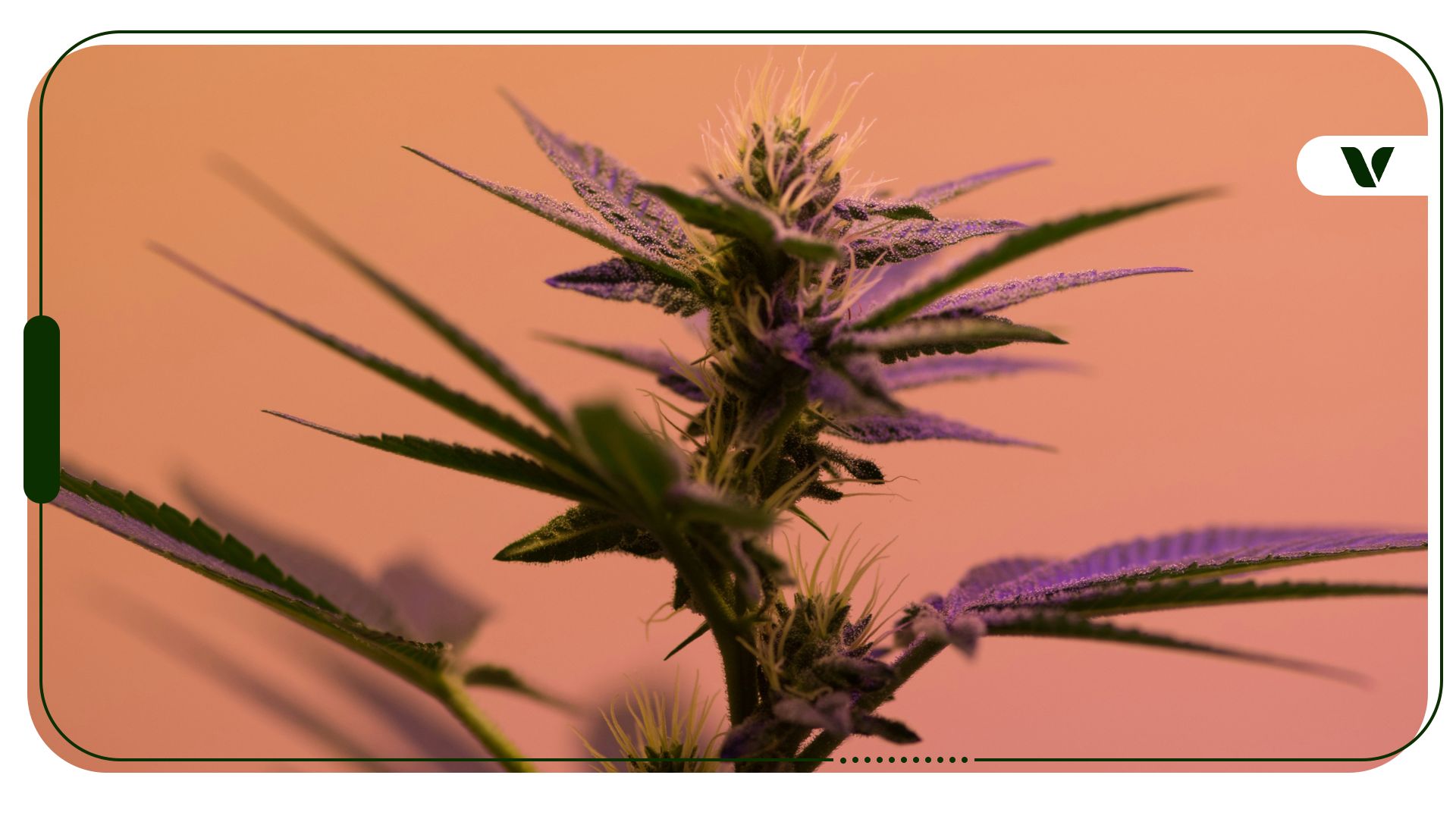
Indica cultivars feature short, bushy appearances due to their evolution in moisture conservation and regulation of temperature in those dry mountainous regions. This variety produces very frosty resin as a defense mechanism against extreme elements in its original mountainous habitats.
Sativa Landrace Strains Span the Entire Globe
Sativa landrace strains originate from subtropical and tropical latitudes along the Earth’s equator. The hot and humid climates of these areas molded sativa cannabis plants into their classic appearance—very tall, wiry, and airy to regulate high temperatures in very UV-rich areas.
The high limonene and pinene terpene content of landrace sativas is what gives them their reportedly energetic, uplifting, and focused reputation. Sativa landrace strains need a few more weeks to finish flowering because they face very long summers and growing seasons in many places around the world, including:
South America
Central America
Africa
Southern India
Southeast Asia
Ruderalis Originates From Harsh Climate Regions
North and South Poles notwithstanding, regions of Central Asia and Eastern Europe feature some of the world’s most bitterly cold climates. A third variety of cannabis—Ruderalis—evolved in the climates found in places like Russia, Siberia, Ukraine, Mongolia, and Kazakhstan.
These regions all feature shorter growing seasons, cold temperatures, and unpredictable light cycles. Ruderalis adapted to rely on time itself to trigger flowering, unlike traditional photoperiod indica and sativa plants that rely solely on the light cycle.
Ruderalis Formed the Basis of the Autoflower
Their short, hardy nature and low THC levels led people to leave these plants to grow wild. However, breeders crossed its main trait—flowering after just 4 weeks—with indica and sativa strains to create a seed type known as autoflowers. Growers use autoflowers for quicker grows that yield a bounty of bud in just 8-10 weeks. Autoflowers now rival photoperiod strains in terms of potency and quicker turnaround times.
What’s Weed in Canada & Mexico Like?
We all know the story here stateside, cannabis is federally illegal, yet almost half of the states now have adult-use recreational marijuana legalized within their own borders. Marijuana, concentrates, and edibles dominate the market despite their varying legal statuses in the U.S. Whitney Economics estimates retail cannabis sales in the U.S. to total approximately $34.0 billion by the end of 2025, with no signs of slowing down.
Weed here is plentiful and continues to astound in potency, aroma, and bag appeal, but what’s weed like within the borders of our neighbors to the south and north, Canada and Mexico?
Marijuana in Mexico
Mexico has a significant history with weed here in the U.S. Mexican cartel-linked cannabis was the majority of weed for people in the U.S. for decades until medical and recreational programs became the norm, and breeders took genetics to the next level.
Besides brick weed, some legendary landrace strains hail from Mexico, like Acapulco Gold and Oaxaca, and have been available on the black market to consumers in the U.S. since the 60s.
Brick weed and landrace strains still get around plenty in Mexico; however, the advent of top-tier cannabis breeding and genetics here in the U.S. has trickled down south of the border. Big cities in Mexico now produce high-grade indoor flower hybrids on par with what growers cultivate in the U.S. Mexico legalized medical marijuana, and the government decriminalized possession of 5 grams or less for Mexican nationals.
Canada Legalized Cannabis in 2018
While lawmakers in the U.S. can’t agree on anything, industry professionals and politicians in Canada have one of the most developed frameworks for legal weed in the world. As the second country in the world to fully legalize cannabis, Canada allows adults to possess 30 grams or less and grow at home in 8 of 10 provinces. Canada legalized medical cannabis in 2001.
Much of the weed culture from the U.S. has made its way up north. Province-run stores are everywhere, along with head shops and 4/20 celebrations. Simple advancements like legal federal banking for marijuana businesses, federal regulation, and national distribution create a stark difference with the stifling hypocrisy that cannabis’s Schedule I distinction prevents here in the U.S.
Cannabis in South America
South America sits on the Western Hemisphere with much of its land mass in proximity to the equator. Hot and humid conditions in many of the continent’s 12 countries produce different sativa strains, though indoor cultivation is also very common. Cultivators grow craft cannabis strains alongside brick weed known as “prensado”.
Is Cannabis Fully Legal in Uruguay?
These independent nations also vary widely in their cannabis laws; however, Uruguay became the first country in the world to fully legalize recreational weed in 2013.
Despite Uruguay’s fully legal status, only legal residents can access it from pharmacies, private cannabis clubs, or grow their own at home. Cannabis clubs in particular make up a lot of the cannabis culture in Uruguay due to variety, quality, and the ability to grow dozens of your own plants.
Paraguay Produces the Most Illegal Weed in the World
Since cannabis isn’t legalized recreationally in other countries in South America like it is in Uruguay, people still get their weed in other ways. Cannabis cultivators in Paraguay operate as one of the largest producers of illicit weed in not just South America, but the world.
Smugglers send much of it to neighboring countries like Brazil, which reportedly receives about 80% of Paraguay’s supply. Rural isolation, an ideal climate, and drug trafficking networks drive Paraguay’s cannabis production. The country also has medical marijuana and some decriminalization for small amounts.
What’s the Deal with Cannabis in Other South American Countries?
Many of the other countries in South America have some degree of decriminalization or medical access.
Medical patients in Argentina can access marijuana legally and grow it at home.
Colombian lawmakers decriminalized possession of less than 20 grams.
Ecuador maintains a successful medical marijuana program.
Small amounts of marijuana in Peru are decriminalized, while medical patients have legal access.
Personal use in Brazil isn’t illegal; however, the usual culprits of growing, packaging, distribution, and sale are.
Europe Still Has A Great Cannabis Legacy, Especially Hash
Despite the U.S. taking over advancements in cannabis breeding, genetics, and culture, European countries created a legacy that U.S. cannabis breeders and culture now dominate.
Breeders and growers in European countries have a deep tradition of hash making and consumption compared to the U.S. Many countries feature decriminalization laws that allow for looser restrictions when it comes to consumption, possession, and cultivation.
See If You Qualify For Medical Marijuana -Select Your State!
Select Your State
Alabama
Alaska
Arizona
Arkansas
California
Colorado
Connecticut
Delaware
Florida
Georgia
Hawaii
Idaho
Illinois
Indiana
Iowa
Kansas
Kentucky
Louisiana
Maine
Maryland
Massachusetts
Michigan
Minnesota
Mississippi
Missouri
Montana
Nebraska
Nevada
New Hampshire
New Jersey
New Mexico
New York
North Carolina
North Dakota
Ohio
Oklahoma
Oregon
Pennsylvania
Rhode Island
South Carolina
South Dakota
Tennessee
Texas
Utah
Vermont
Virginia
Washington
West Virginia
Wisconsin
Wyoming
Never miss a post
Get updates on cannabis culture, new research, and expert insights
Legendary hash-making countries like Morocco and Afghanistan send many of their products to European countries like Spain, France, and the Netherlands, where potent, concentrated hash still dominates culture.
Spliffs Light the Way for Most European Cannabis Consumers
Europeans are notorious for spliffs—joints typically rolled with hash and tobacco. Many European countries use spliffs more often than Americans realize. This phenomenon occurs because potent hash is very common, and people need to combine it with something readily available and inhalable to combust with. Weed was often hard to acquire, expensive, and low-potency until more recently. Spliffs can be found all over Europe, but especially in:
United Kingdom
Spain
France
Italy
Netherlands
Germany
The Netherlands Pioneered Indoor Growing With Cannabis Decriminalization
Amsterdam’s location as a vital port made the city a melting pot of seeds and strains from different parts of the world. Naturally, a culture of cultivation and consumption prevailed within a looser atmosphere of decriminalization. Cannabis breeders from Amsterdam created various innovations regarding cannabis cultivation, namely indoor cultivation and feminized seeds.
Breeders in Amsterdam shaped today’s amazing hybrids through their innovation and work in the 70s–90s. Strains like Skunk and Amnesia Haze made their way across the shores to the U.S, but originated in the coffee shops of Amsterdam alongside Space Cakes and potent hash. These traditions still prevail to this day.
What’s Weed Like In the Rest of Europe?
Amsterdam dominates all cannabis speak when it comes to Europe, but other countries have their own vibe as well. Germany fully legalized adult-use marijuana in 2024, while medical marijuana, decriminalization laws, and member-based cannabis clubs dominate the culture of most other European countries.
European cannabis culture considers Spain the unofficial European capital of cannabis. Not only is cultivation on the same scale as the U.S., but concentrates and hash are also king. A legacy of decriminalization propels the laid-back attitude.
The UK, on the other hand, despite high cannabis consumption rates, continues to be very tough on weed, keeping the cannabis vibe mostly underground in cities like London.
French stoners love their hash.
Czech Republic cities like Prague feature a vibrant cannabis culture.
Asia Has A Deep Tradition of Hash & Zero Tolerance
Many hash-making countries are located in Asia, such as Afghanistan and India. The Hindu Kush and Khyber regions of India, Nepal, and Pakistan developed deep traditions of hash making.
Consumers of hash in Asia also smoke it in spliffs; however, other forms are also popular. India originated both bhang, an edible form of cannabis, and charas, a legendary hand-rolled variety of hash known around the world as ‘temple balls’. Hookahs, joints, and chillum pipes are other methods of consumption for both hash and cannabis flower in many Asian countries.
Many Asian Countries Don’t Play
China, Japan, South Korea, and most Southeast Asia countries don’t play around when it comes to weed. The plant and its derivatives are outlawed and heavily enforced, despite countries like China having a rich heritage of cannabis as medicine.
Russia enforces strict drug laws that make possession of more than 6 grams highly illegal; however, Russians still consume plenty of imported hash. Despite the strict environments, the underground cannabis culture still exists mostly around hash consumption.
Africa Features Deep Cultural Legacies
Cannabis use in Africa spans many centuries as a medicinal, spiritual, and social cornerstone. African culture is very spirited, especially paired with weed, music, food, and friends. Africans enjoy cannabis and hash often with pipes, spliffs, and joints.
However, colonists enacted drug laws during colonial times to suppress ancient indigenous practices, and some places still have them in place.
Africa’s warm, equatorial geography produces landrace sativas. The city of Durban benefited from outstanding genetics moving through its port, much like Amsterdam. Cannabis consumers report the strain Durban Poison as one of the most potent landrace sativas on Earth. Malawi Gold and Swazi Gold are two other standout strands originating from Africa as well.
Morocco Produces World-Class Hash
A wide variety of hash comes from North Africa, especially in Morocco. This North African country features socially acceptable attitudes toward consumption and cultivation. Rich generational legacies of hash growers and producers still exist in this port country to provide their products to consumers in Europe and the Middle East as some of the best in the world.
Cultivators can now legally produce cannabis and hash for medical and industrial use in Morocco. Hash producers there are famous for several varieties like Ketama Gold, Double 00, and Moroccan brick hash, which are all made using ancient traditional methods.
South Africa
The many port cities of South Africa also benefited greatly from traders importing and exporting genetics from around the world. Durban is, of course, the home of Durban Poison, a high-quality 100% pure sativa landrace strain.
Cannabis culture is heavy in South African cities like Johannesburg, Cape Town, and Durban, with a heavy homegrow and gray market culture that thrives in a private-use, decriminalized environment. Rastafari communities in South Africa traditionally call cannabis ‘dagga’.
What’s Weed Like in Some Other African Countries
Africa has 54 independent nations with variations in cannabis use and laws.
Ethiopia and Ghana are home to many different cannabis-centric Rastafari communities. Ghanaians refer to cannabis as ‘wee’.
Cannabis grows wild rurally in central African nations like Congo, Cameroon, and Angola, where it’s used in traditional medicinal practices.
Cannabis in Australia
Aussies love weed—it’s the home to a large countercultural presence, especially the outdoor, surfing, and skateboarding scenes. Metropolitan areas like Sydney, Melbourne, and Brisbane all have large populations of cannabis consumers.
Cannabis remains fully illegal in Australia, but police usually give warnings instead of jail time for small possession. Medical marijuana has been fully legal nationwide in Australia with a prescription since 2016, while also being decriminalized in some regions of South Australia. Australians still grow a lot of outdoor and indoor home plants despite the legal restrictions.
How Do Aussies Consume Cannabis?
Bush grows are outdoor grows that are a large part of the black market. Hashish is less common in Australia because the country sits far from traditional hash-producing trade routes and subsequent demand. Aussies also enjoy spliffs due to the British cultural influence prevalent there; however, bongs are extremely popular. Consumers use slang like ‘packing a cone’ to indicate loading a bong up with some tobacco and weed for a strong rush to the head.
Cannabis—it’s a traditional medicine, cultural staple, and international sensation, and no matter how much different institutions and laws try to keep people away from it, they always find a way to access it.
People all over the world like to get high, be happy, and have fun, no matter what country they live in. Cannabis varies in many different forms and methods of consumption across the world, but this tour definitely reinforces one thing—weed is one of the main things that connects humans of all nations the most.
Anthony DiMeo is a Southern New Jersey-based journalist and cannabis advocate whose work and advocacy have been featured in Leafly, DOPE Magazine, and the Philadelphia Inquirer. Hobbies include navigating interdimensional psychedelic energy vortexes and tennis.
In the confusing landscape of state-by-state medical marijuana legalization and federal prohibition lies a patient’s pursuit of a better quality of life, balanced with an unrestricted financial livelihood. In workplaces across many different medical marijuana legal states, no law guarantees that a valid, card-carrying MMJ patient status exempts an employee from termination or discrimination stemming…
It feels like every other day, a fresh slang term pops up in the cannabis lexicon, and today, we’re looking at an entry that’s all over TikTok and Reddit – Yart! Spoiler alert: it has everything to do with the humble vape cart (and how challenging it is to talk about cannabis on social media). …
The final stage of life often brings profound challenges for both patients and their families. For patients in hospice and palliative care, common symptoms not only affect the physical body but also their mental well-being. While traditional medications may dull pain, they often come with heavy sedation, confusion, and loss of clarity. Fortunately, medical cannabis…
If you’re planning to get a medical marijuana card in 2026, you might be wondering whether you need to meet with a certified cannabis doctor—either online or in person. Still, finding a qualified medical marijuana doctor near you can feel overwhelming and confusing if you’re not sure where to start. This guide shows you exactly…
Cannabis consumers in the legal market rely on proper analysis and testing as a matter of knowledge and safety regarding the composition of the weed they’re purchasing. One of the main differences between the state-run legal market and the black and gray cannabis markets is how they handle testing. Those of us in medical and…
The statements made regarding cannabis products on this website have not been evaluated by the Food and Drug Administration (FDA). Cannabis is not an FDA-approved substance and is still illegal under federal law. The information provided on this website is intended for educational purposes only and is not intended to diagnose, treat, cure, or prevent any disease. It is not intended as medical advice and should not be considered as a substitute for advice from a healthcare professional. We strongly recommend that you consult with a physician or other qualified healthcare provider before using any cannabis products. The use of any information provided on this website is solely at your own risk.