Your medical cannabis journey simplified: find partnered dispensaries, explore pricing options, earn rewards, and get answers to FAQs, all in one spot.
While the cannabis industry specific occupations may be appealing to you, the industry needs similar positions filled as any other industry would such as security, accountants, healthcare professionals, nursery workers, lawyers, scientists and the list could go on. According to Glassdoor, working within the cannabis industry can pay 11% more than the American median salary. No wonder there’s a rise in individuals looking to work in the industry. Rest assured, the demand for employees in the industry has also risen by as much as 76% between 2017 and 2018 alone…and it appears to be accelerating with no signs of slowing down.
Many tend to assume that positions such as those of budtenders are where the demand is for employees, when in actual fact 53% of the jobs needing to be filled are simply profession or technical positions such as managers in marketing and products as well as auditors.
Daniel Zhao is an economist and a data scientist with the company Glassdoor. He explains that “As the cannabis industry becomes more legitimate, more and more professional roles will be in demand to help businesses comply with tax laws and regulations and scale into larger markets”. Mr Zhao’s research goes on to conclude that “While there are a variety of skills and backgrounds needed, the majority of job openings today are for professional and technical roles, due to three key trends: (1) legitimization, (2) professionalization and (3) modernization”.
What Jobs Are Needed in the Cannabis Industry?
Before we continue down the path of discussing why the cannabis industry needs occupations that aren’t directly related to cannabis, let’s have a look at some examples of occupations that are needed.
Cannabis Industry Specific Occupations:
Nursery and Grow Employees, Extractors and Manufacturers, Dispensary Managers, Budtenders, Cash Handlers, Packaging, Quality-Control Inspectors
IT Developers, Marketing, Human Resources, Production, Lawyers and Legal Consultants, Accountants, Business Consultants, Web Developers, Digital Media, Electricians, Plumbers, Paralegals, Writers, Graphic Design, Sales Representatives, HVAC/ Plumbing Technicians, Electricians, Administrative Executives and Assistants, Couriers, Security
As you can see, the list of occupations needed in the cannabis industry leans heavily on occupations which can be found in any other type of industry.
Why Does the Cannabis Industry Require the Same Jobs as Other Industries?
It’s Becoming Legitimate
Specific regulations, standards and requirements need to be complied with if the cannabis industry is to become legitimate. This includes requirements on product safety, accounting and ensuring that the state law is being abided. By adhering to governance (state and federal law), the cannabis industry becomes lawful and acts under the authority of the regulations, requirements, and standards to be met.
It’s Getting Professional
As the industry continues to see more and more small to medium sized businesses popping up, the need for more professional and technical workers increases too. Businesses are looking to employ workers with a higher education or enough experience to oversee parts of the businesses involved in making it more professional, such as marketing.
It’s Tailored for the Tech Age
The technological era continues to boom alongside the cannabis industry which means that more technical employees will be required. The cannabis industry already has many online platforms for retailers, reviewers and deliveries. Businesses will need to hire more professional workers to continue satisfying consumers on these platforms as well as for keeping up with competitors.
According to Mr Zhao’s research, many big cannabis companies are looking to hire and have an average of 43 open positions of the ten employers looking to hire (at the time of his research).
If you find yourself longing to switch from your current industry to another, be sure to consider the cannabis community. The odds of getting a job in the industry are ever increasing as more and more jobs become available. Especially since the necessity for different occupations arise in attempts to become legitimate, professional and tech-savvy.
Chane Leigh, aka The Bud Fairy, is a South African cannabis advocate and enthusiast with a firey personality and a thirst for travel. She loves to educate people and to question the norms.
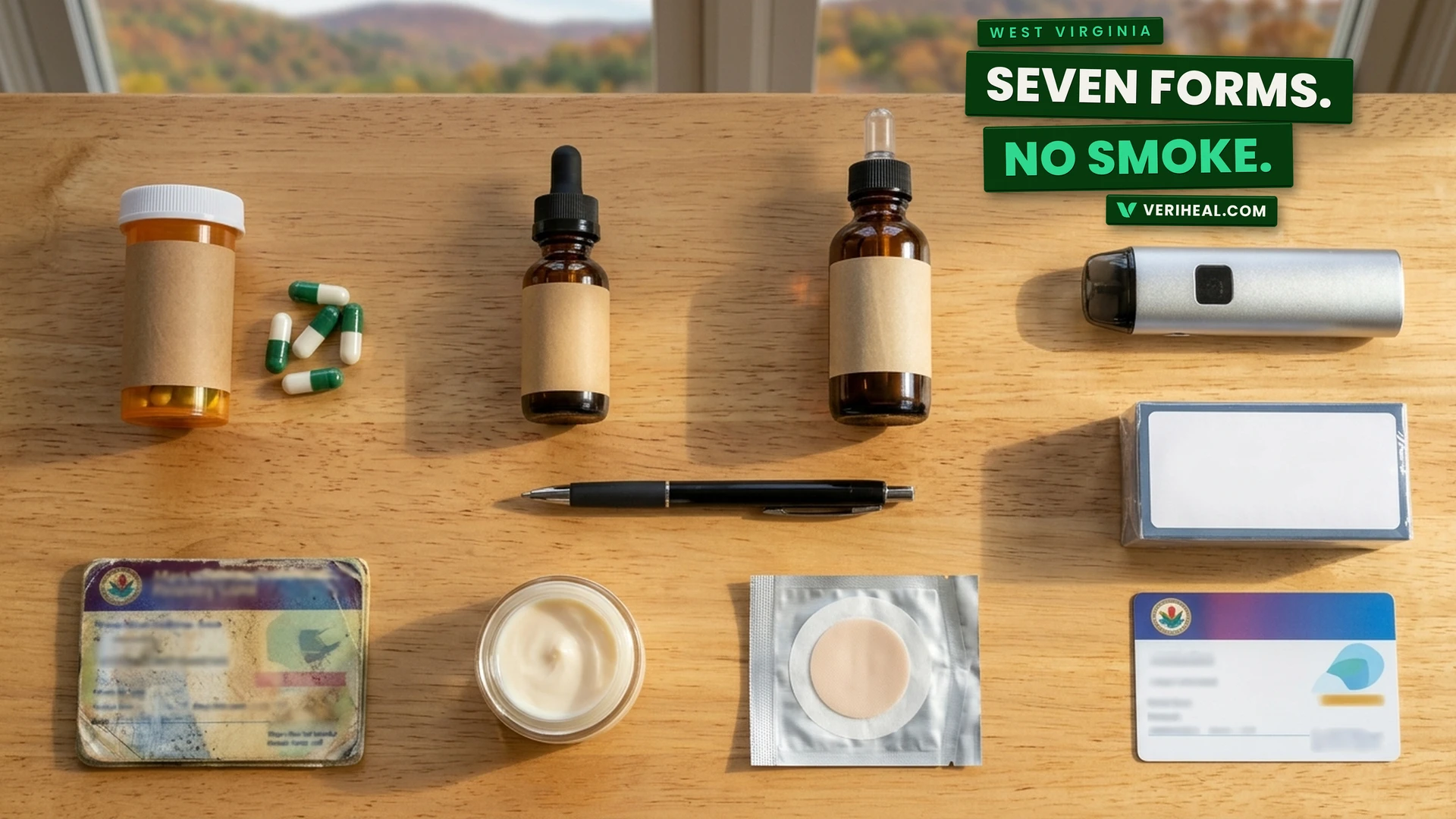
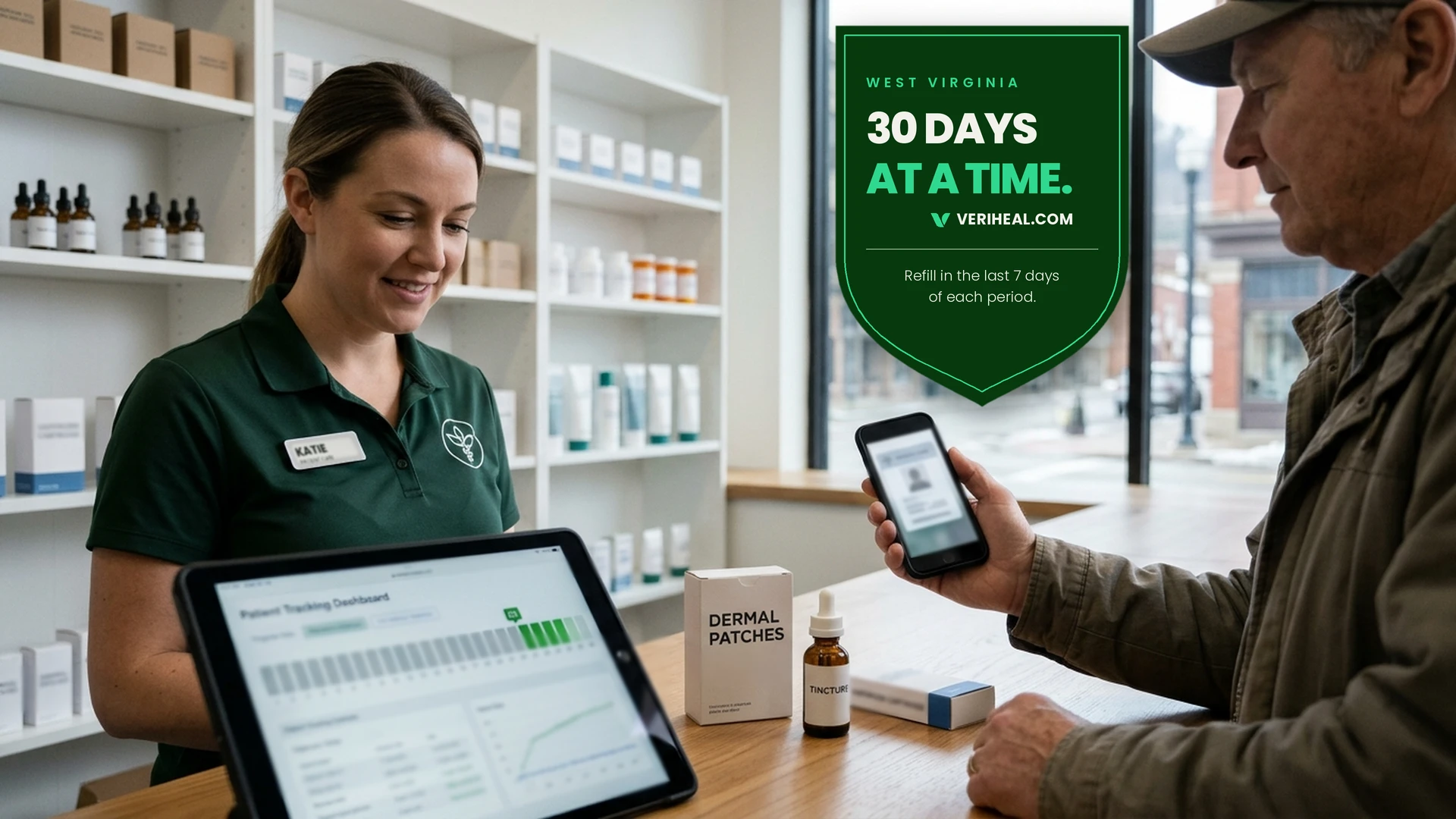
West Virginia allows medical cannabis in approved forms, including pills, oils, tinctures, topicals, patches, and products intended for vaporization, while prohibiting smoking and dispensary-sold edibles. This guide explains the differences between permitted products, dry leaf restrictions, purchase and possession limits, patient registration requirements, certification costs, and important legal considerations for medical cannabis patients.
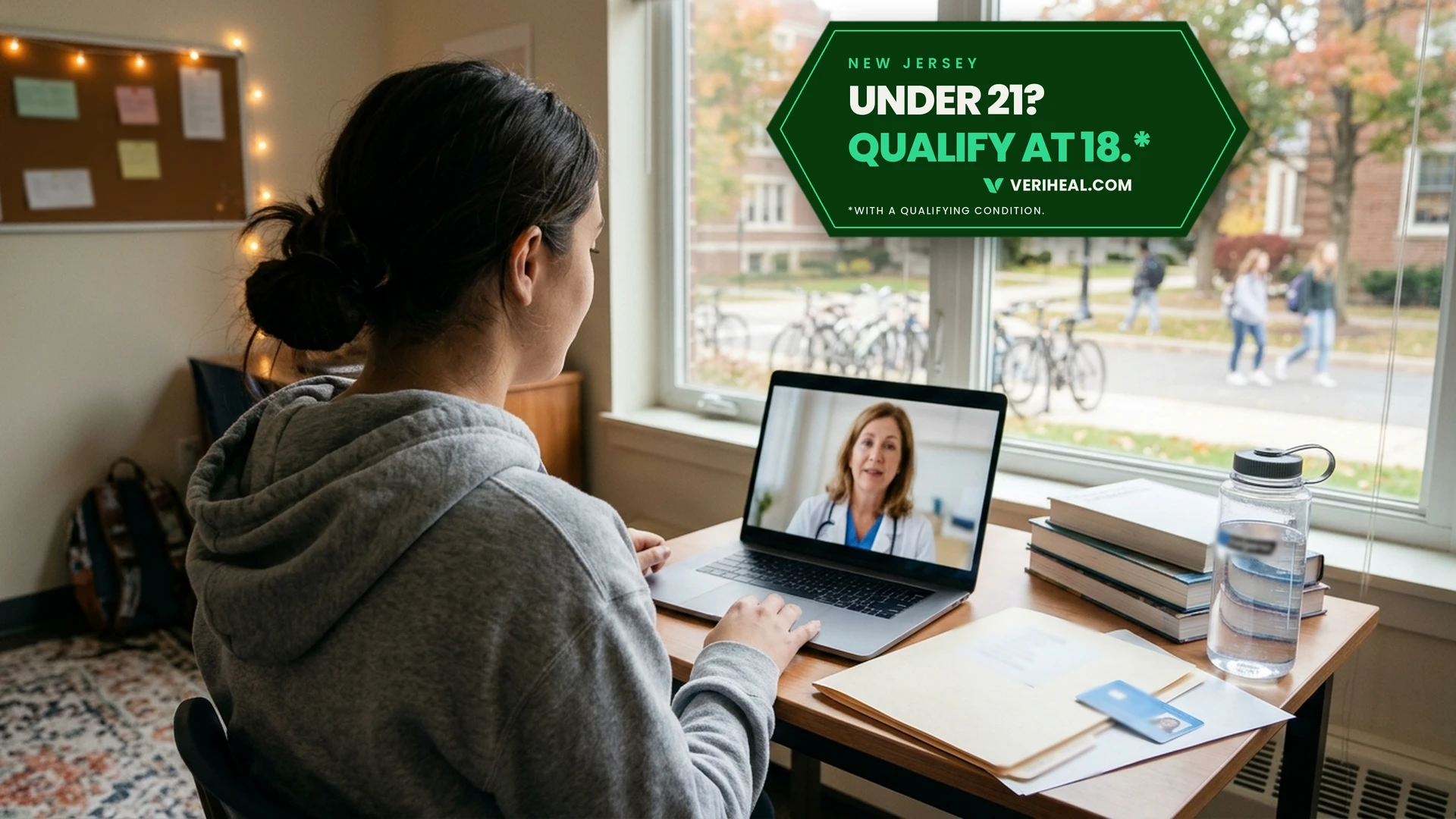
A New Jersey medical marijuana card can still offer benefits despite recreational legalization, including sales tax savings, workplace protections, and access for eligible adults under 21. This guide compares medical and recreational cannabis costs, purchase limits, eligibility requirements, potential savings, registration steps, and the drawbacks patients should consider before applying.
Post-traumatic stress disorder (PTSD) is a qualifying condition for medical cannabis in Minnesota, with a separate enrollment pathway available to eligible veterans. This guide explains practitioner certification, free state enrollment, veteran exemptions, telehealth evaluations, tax savings, medical versus recreational cannabis benefits, and important considerations involving existing PTSD treatments, insurance coverage, and patient rights.
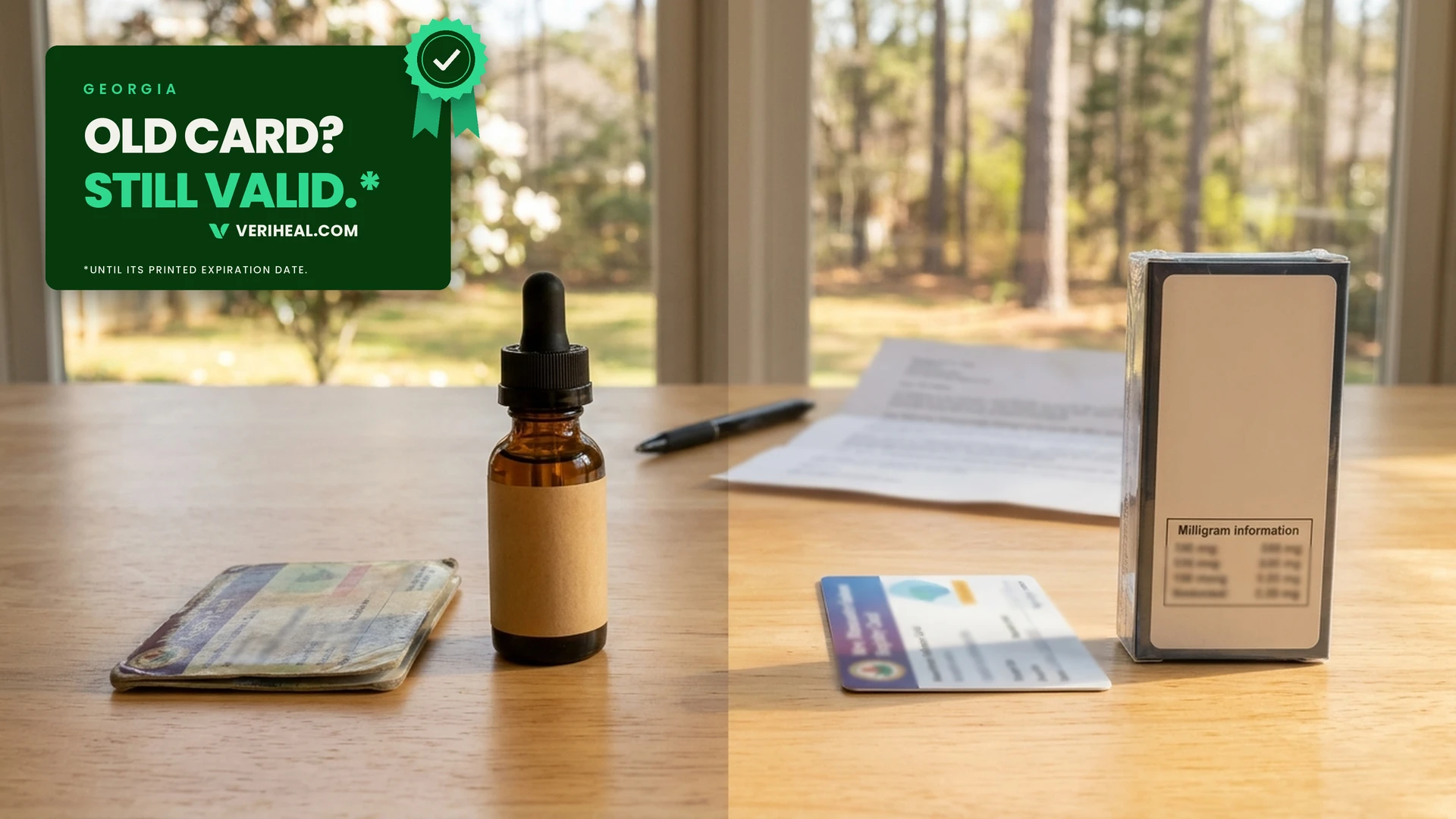
Georgia’s SB 220 replaced the Low THC Oil program with the Medical Cannabis Patient Registry, removing the 5% THC cap and expanding patient access. This guide compares the old and new rules, including possession limits, qualifying conditions, permitted products, physician certification, registration costs, and what existing cardholders need to know about the transition.
West Virginia medical marijuana dispensaries serve registered patients and caregivers, offering state-approved cannabis products through licensed locations. This guide explains how to find dispensaries, obtain a medical cannabis card, prepare for your first visit, understand application costs and financial hardship waivers, and navigate qualifying conditions, purchase limits, and patient privacy considerations.
The statements made regarding cannabis products on this website have not been evaluated by the Food and Drug Administration (FDA). Cannabis is not an FDA-approved substance and is still illegal under federal law. The information provided on this website is intended for educational purposes only and is not intended to diagnose, treat, cure, or prevent any disease. It is not intended as medical advice and should not be considered as a substitute for advice from a healthcare professional. We strongly recommend that you consult with a physician or other qualified healthcare provider before using any cannabis products. The use of any information provided on this website is solely at your own risk.