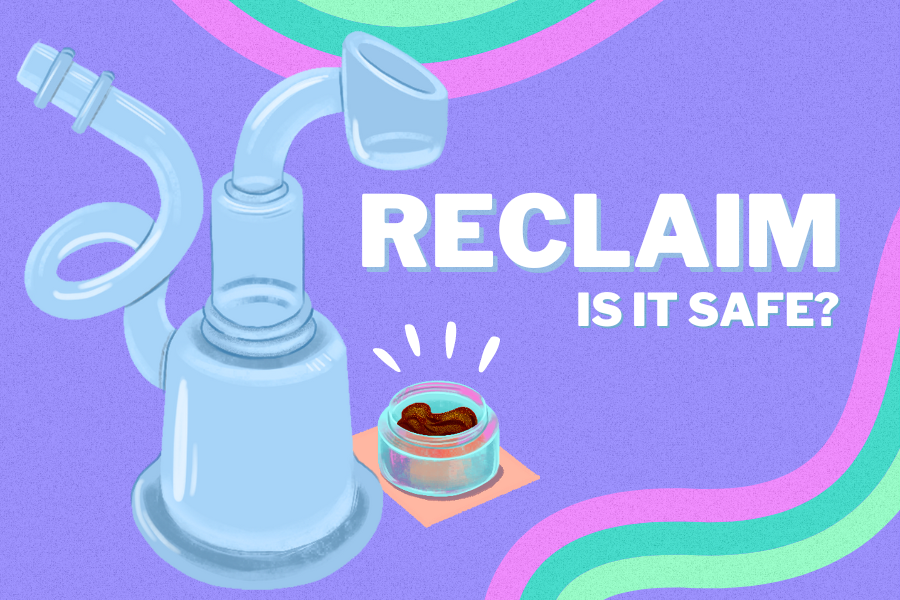
Cannabis reclaim can be dabbed safely when collected properly, though it has a harsher taste and different effects than fresh concentrates. This leftover residue from your dab rig retains significant potency but contains degraded compounds that change the experience. Understanding how to collect and use reclaim safely helps you make informed decisions about this byproduct of dabbing.
What Is Reclaim?
Reclaim forms when cannabis concentrates vaporize in your rig and recondense on cooler surfaces as temperatures drop. This sticky residue appears as the dark buildup coating your banger, drop-down, and rig walls after dabbing sessions. The decarboxylation process occurs naturally during vaping, which is why reclaim remains psychoactive without additional heating.
Temperature-driven condensation causes compounds like THC, CBD, and terpenes to stick to glass surfaces rather than being fully vaporized. Research suggests reclaim can retain roughly 65% of its original cannabinoid content on average, though the actual amount varies considerably depending on the original concentrate, vaporization temperature, how many times it’s been heated, and storage conditions, with standardized human data still limited. The darker color comes from oxidation and terpene degradation that occurs during the heating process.
Reclaim differs significantly from pipe resin, which contains combustion byproducts and tar. Unlike the black, sticky resin from smoking flower, cannabis reclaim forms through vaporization and contains concentrated cannabinoids without the harmful compounds created by combustion. The consistency ranges from amber and sticky when fresh to darker and harder as it ages.
Reclaim vs. Fresh Concentrate Properties:
- Potency: Often around 60-70% of original strength vs. 70-90% in fresh concentrate, though this varies by product and handling
- Flavor: Harsh, degraded taste vs. full terpene profile
- Consistency: Sticky, dark residue vs. various textures (wax, shatter, crumble)
- Cannabinoid profile: Tends to run higher in CBN vs. more balanced THC/CBD ratios in fresh concentrate
How to Safely Collect Reclaim from Your Dab Rig
Safe reclaim collection requires clean tools and proper technique to avoid contamination. Start by ensuring your rig is completely cool and free of water residue. Dirty rigs can introduce bacteria or mold into your reclaim, creating health risks that outweigh any benefits.
Collection Steps:
- Heat gently: Warm your rig slightly with a hair dryer or by placing it near (not on) a heat source to soften reclaim without overheating
- Use silicone tools: Scrape reclaim with clean silicone dabbers or glass scrapers – never use metal tools that can scratch your rig or introduce particles
- Target collection points: Focus on the drop-down, banger neck, and main chamber where the thickest buildup occurs
- Try isopropyl extraction: For hard-to-reach areas, use 99% isopropyl alcohol to dissolve reclaim, then evaporate the alcohol completely in a pyrex dish
- Store immediately: Place collected reclaim in airtight silicone containers away from light and heat
The alcohol extraction method works well for thorough rig cleaning while preserving reclaim. Pour warm isopropyl alcohol into your rig, shake gently, then strain the mixture through unbleached coffee filters. Allow the alcohol to evaporate completely – usually 24-48 hours – before collecting the remaining reclaim.
Store your reclaim in small silicone containers at room temperature for up to three months. Refrigeration extends shelf life but may change consistency. Always clean your glass pipe thoroughly between collection sessions to prevent cross-contamination.
Reclaim vs. Fresh Concentrates: What You Need to Know
Understanding the differences between reclaim and fresh concentrates helps you set proper expectations for effects and quality. Fresh concentrates offer peak flavor, potency, and terpene profiles, while reclaim provides a cost-effective alternative with modified characteristics.
| **Aspect** |
**Fresh Concentrates** |
**Cannabis Reclaim** |
| Potency |
70-90% cannabinoids |
60-70% cannabinoids |
| Flavor Profile |
Full terpenes, strain-specific |
Harsh, degraded, limited terpenes |
| Consistency |
Varies (shatter, wax, rosin) |
Sticky, dark, uniform texture |
| Effects |
Balanced, strain-dependent |
Heavier, more sedating (higher CBN) |
| Cost |
Premium pricing |
Free byproduct |
| Shelf Life |
6-12 months properly stored |
2-3 months at peak quality |
Reclaim tends to contain higher levels of cannabinol (CBN), the cannabinoid that forms as THC degrades through heat and time, though exactly how much depends on the concentrate’s history. This is thought to explain why reclaim often produces more sedating, body-focused effects compared to the original concentrate, and users frequently report feeling more tired or “couch-locked” after consuming it.
The cost-effectiveness makes reclaim attractive for budget-conscious users, but the trade-offs in flavor and experience are significant. Many users reserve reclaim for nighttime use when the sedating effects align with their goals, or they process it into edibles where taste matters less than potency.
Fresh concentrates like crumble wax maintain their original terpene profiles and offer more predictable effects. Choose fresh concentrates when flavor, precise dosing, and specific strain effects matter most.
How to Use Reclaim: Dabbing, Edibles, and Other Methods
Reclaim offers several consumption methods, each with distinct advantages depending on your preferences and tolerance. Direct dabbing provides immediate effects but emphasizes the harsh flavor, while edible preparation masks taste issues and extends duration.
Direct dabbing works best at lower temperatures than fresh concentrate. Start with smaller amounts since reclaim’s different cannabinoid profile can feel stronger than expected. The degraded terpenes create harsh vapor that may irritate your throat more than fresh concentrates.
Vaping reclaim in portable devices requires careful temperature control. Many users find reclaim works better in convection vaporizers that heat more evenly. The sticky consistency can clog atomizers quickly, so clean your device more frequently when using reclaim.
Mixing reclaim into joints or bowls stretches your flower while adding potency. The sticky texture helps bind loose flower together, though it burns harsher than pure cannabis. Use small amounts to avoid overwhelming the flower’s flavor profile.
Topical applications work well for localized effects without psychoactive impact. Mix reclaim with carrier oils or existing topical products, though the dark color may stain skin or clothing temporarily. Some users report effective pain relief from reclaim-infused balms.
Making Reclaim Edibles: Dosing and Decarboxylation
Reclaim edibles offer the most practical way to consume this byproduct since the harsh taste becomes manageable when mixed with other ingredients. The cannabis decarboxylation process has already occurred during vaporization, making reclaim ready for direct consumption without additional heating.
Basic Reclaim Edible Steps:
- Calculate dosage: Estimate 0.1-0.3g reclaim per serving, adjusting based on your tolerance and the original concentrate’s strength
- Choose fat source: Mix with coconut oil, butter, or medium-chain triglyceride (MCT) oil for optimal cannabinoid absorption
- Heat gently: Warm the fat to liquid state (around 160°F) and stir in reclaim until fully dissolved
- Incorporate into recipes: Add the infused fat to brownies, cookies, or any recipe calling for oil or butter
Start with conservative dosing since reclaim’s effects differ from fresh concentrate edibles. The higher CBN content creates more sedating effects that last 4-6 hours. Many users find reclaim edibles work exceptionally well as sleep aids or for managing chronic pain.
Making cannabis coconut oil with reclaim follows the same process as fresh concentrate but requires no decarboxylation step. Simply heat the oil to dissolving temperature and mix thoroughly.
Taste management becomes important with reclaim edibles. Strong flavors like chocolate, peanut butter, or mint effectively mask the harsh, degraded taste. Avoid delicate flavors like vanilla or lemon that may clash with reclaim’s bitter notes.
Health Implications of Dabbing Reclaim
Dabbing reclaim presents health considerations that differ from consuming fresh concentrates. Repeated heating changes reclaim’s cannabinoid and terpene makeup over time, and the condensation process can concentrate not just cannabinoids but also contaminants from the original material, storage, or degradation products created by that repeated heating. The long-term health effects of inhaling reclaim specifically haven’t been well studied.
Contaminant concentration occurs when impurities from the original concentrate, residual solvents, pesticides, heavy metals, or particles from the rig itself accumulate in reclaim. Poor storage practices can also introduce bacteria, mold, or dust that becomes more concentrated in the sticky residue. Research on concentrate contaminants suggests that some extraction residues may become more concentrated through the vaporization and recondensation process, which is why reclaim should only be collected from clean, well-maintained equipment and from concentrates sourced through reputable, regulated channels.
The harsh taste comes from degraded terpenes and oxidized compounds that form during the heating process. These degraded compounds may cause more throat and lung irritation compared to fresh concentrates. Users with respiratory sensitivities often report more coughing and discomfort when dabbing reclaim versus fresh material.
Cannabinoid profile changes create different physiological effects that catch some users off guard. The higher CBN content produces more sedating effects, which can impair coordination and cognitive function differently than the original concentrate. This makes dosing more unpredictable for users accustomed to specific strain effects.
| Compound Type |
Fresh Concentrate |
Reclaim |
Health Impact |
| THC |
15-30% |
10-20% |
Reduced psychoactive intensity |
| CBN |
1-3% |
8-15% |
Increased sedation, drowsiness |
| Terpenes |
2-8% |
<1% |
Lost therapeutic benefits, harsh taste |
| Degraded compounds |
Minimal |
5-10% |
Potential respiratory irritation |
Regular reclaim use may increase tolerance to CBN-dominant effects while providing less of the balanced cannabinoid experience that many medical users seek. The unpredictable potency makes consistent medical dosing more challenging compared to standardized fresh concentrates.
Is Reclaim Safe? Understanding the Health Risks
Cannabis reclaim may be reasonably safe for occasional use when collected and stored properly, though it carries more health risks than fresh concentrates, and the overall picture depends heavily on the cleanliness of your collection methods, your storage practices, and the quality of the original concentrate. People with chronic lung disease or other significant respiratory conditions should exercise extra caution with any inhaled cannabis product, reclaim included.
Clean collection and storage minimize most health risks associated with reclaim use. Contamination from dirty rigs, improper storage, or cross-contamination with other substances creates the primary safety concerns. Users who maintain sterile collection practices and proper storage typically experience minimal health issues beyond the harsh taste and throat irritation.
The degraded compounds in reclaim may cause more respiratory irritation than fresh concentrates, particularly for users with asthma, COPD, or other lung conditions. Studies on vaporization byproducts suggest that repeated heating and cooling cycles can create oxidized compounds that are more irritating to respiratory tissues.
Dosing unpredictability presents another safety consideration, especially for new users or those with low tolerance, since the altered cannabinoid profile can produce stronger sedating effects than expected and potentially impair driving ability or cognitive function. Start with a very small amount, avoid activities requiring alertness until you understand your response, and seek medical evaluation if you notice significant respiratory symptoms or effects that feel unexpected or concerning.
Quality of the original concentrate directly impacts reclaim safety. Reclaim from concentrates containing residual solvents, pesticides, heavy metals, or other contaminants will concentrate these substances further. Collect reclaim only from concentrates obtained through reputable, regulated sources, and avoid using reclaim from unknown or low-quality material.
Medical users should consult healthcare providers before incorporating reclaim into treatment regimens, as the altered cannabinoid profile may not provide the same therapeutic effects as standardized products.
When to See a Doctor
Seek medical attention if you experience persistent respiratory symptoms, allergic reactions, or concerning side effects after using reclaim. While most users tolerate reclaim well, certain symptoms warrant professional evaluation.
Contact a healthcare provider if you develop lasting cough, chest tightness, or breathing difficulties that persist beyond the immediate consumption period. These symptoms may indicate respiratory irritation or sensitivity that could worsen with continued use. Users with pre-existing respiratory conditions should be particularly vigilant about these symptoms.
Severe or unusual side effects like persistent nausea, dizziness, rapid heart rate, or anxiety that lasts more than a few hours may indicate contamination or individual sensitivity. Unlike fresh concentrates with predictable effects, reclaim’s variable composition can occasionally cause unexpected reactions.
Signs of contaminated reclaim include unusual odors, visible mold growth, or effects that feel dramatically different from the original concentrate. If you suspect contamination, discontinue use immediately and consider medical evaluation if symptoms persist.
Discuss reclaim use with medical professionals if you’re using cannabis for specific health conditions, as the altered cannabinoid profile may not provide the same therapeutic benefits as your prescribed products.
If you’re interested in exploring legal, regulated cannabis options, find a qualified medical marijuana doctor who can guide you toward products suited to your health needs.
Note: The content on this page is for informational purposes only and is not intended to be professional medical advice. Do not attempt to self-diagnose or prescribe treatment based on the information provided. Always consult a physician before making any decision on the treatment of a medical condition.
Note: Veriheal does not support illegally consuming therapeutic substances such as cannabis but acknowledges that it transpires because of the current illicit status, which we strive to change by advocating for research, legal access, and responsible consumption. Always consult a physician before attempting alternative therapies.
Frequently Asked Questions
Is it safe to smoke reclaim from a dab rig?
Reclaim may be reasonably safe to use when collected cleanly from quality, reputably sourced concentrates, though it tastes harsher and may irritate your throat more than fresh material. Because potency can be unpredictable, start with a small amount and avoid driving or operating machinery until you know how it affects you.
How much reclaim can I get from my dab rig?
The amount depends on your dabbing frequency and rig size, but most users collect 0.5-2 grams of reclaim after several weeks of regular use.
Does reclaim get you as high as fresh concentrates?
Reclaim tends to produce different effects, often somewhere around 60-70% of the original potency, though this varies by product and handling, and its typically higher CBN content tends to create more sedating, body-focused highs that feel distinct from fresh concentrates.
Can I make edibles with reclaim without decarbing it?
Yes, reclaim is already decarboxylated from the vaporization process and can be mixed directly into fats or oils for immediate edible use.
How long does reclaim stay good?
Properly stored reclaim maintains potency for 2-3 months at room temperature, though flavor and consistency may continue degrading over time.
Why does my reclaim taste so harsh?
The harsh taste comes from degraded terpenes and oxidized compounds that form during the heating and cooling process, which is why many users prefer using reclaim in edibles.
Author, Share & Comments