Your medical cannabis journey simplified: find partnered dispensaries, explore pricing options, earn rewards, and get answers to FAQs, all in one spot.
If you live in or around DC, you may have noticed some recent changes to the business landscape–specifically if you enjoy cannabis.
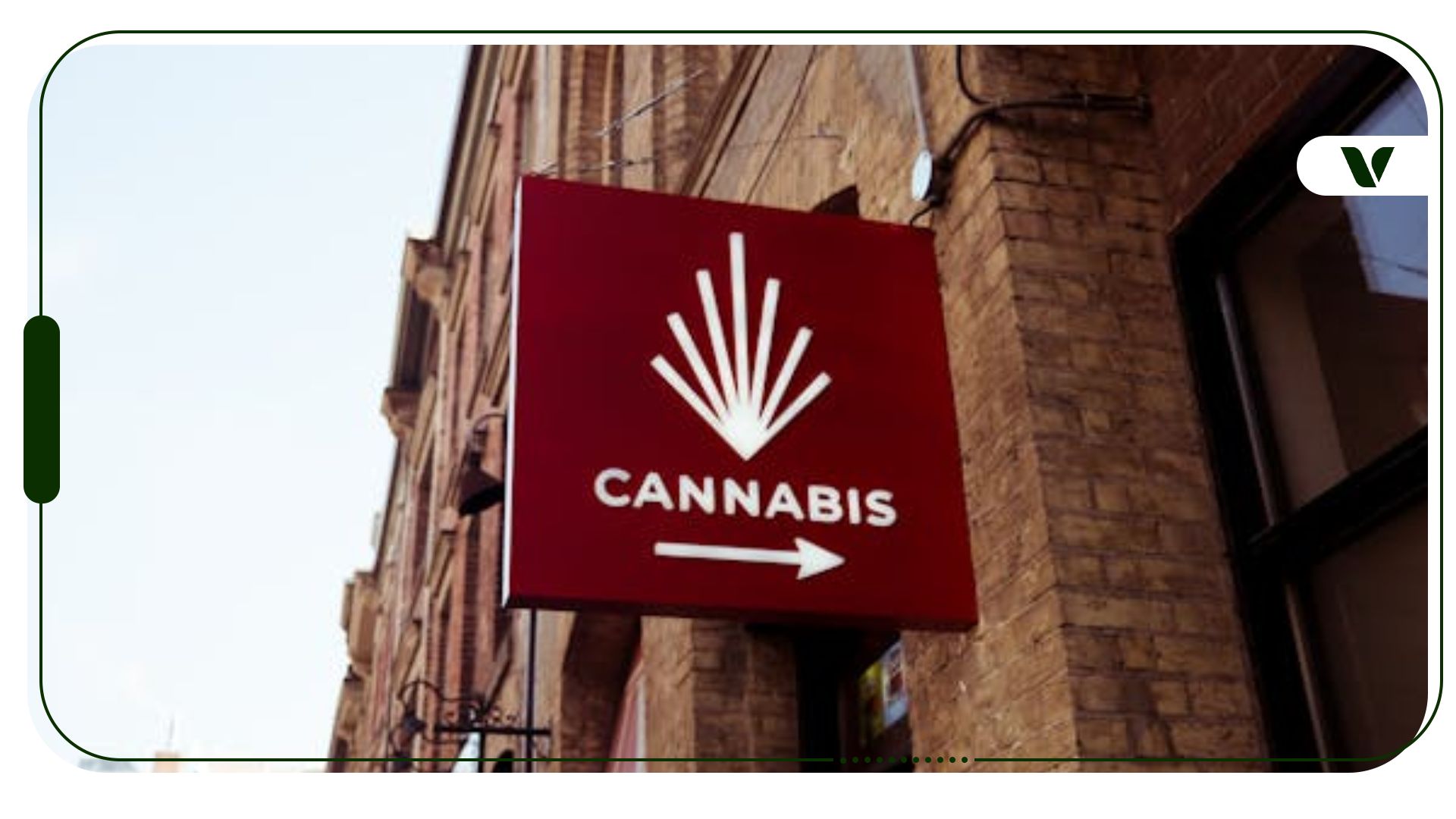
There has been a sequence of closures of cannabis businesses over the past year, which potentially means less access to cannabis as well as changes to the cannabis industry.
Wondering why? We will explore the status of cannabis in DC, what exactly has been happening with these business closures, why they have been shut down, and what this may mean for the future of cannabis in DC.
Legal Status of Cannabis in DC
First, let’s get clear on the legal status of cannabis in DC. According to the Washington DC police department website, cannabis is legal for both medicinal use and recreational use within certain boundaries. They specify that it is “small amounts” for adults 21 and older, amongst other restrictions.
Additionally, the Washington DC Cannabis Information website specifies that it is legal to grow a max of six marijuana plants. Meanwhile, penalties for violating the cannabis laws include “jail sentences, payment of fines, driver’s license suspension, and sometimes, asset confiscation.”
What Has Been Happening with Cannabis Businesses in DC?
In contrast to this recreational legality, there has been a recent stream of cannabis business shutdowns in DC. The Office of the Attorney General for the District of Columbia announced that, as of February 27, 2025, it has shut down 25 unlicensed cannabis retailers in DC over the past six months.
Additionally, “in partnership with the District Alcoholic Beverage and Cannabis Administration (ABCA) and the Metropolitan Police Department (MPD), OAG’s Civil Enforcement Section (CES) has brought actions against a total of 38 unlicensed establishments illegally selling cannabis products.”
This has only continued to increase, as DC News Now reported on March 25, 2025, that the Alcoholic Beverage and Cannabis Administration had shut down its forty-second unlicensed cannabis retailer in DC.
According to the Office of the Attorney General, the enforcement operations include purchasing and testing products, as well as sometimes obtaining search warrants. Then, cease and desist letters are issued.
These changes have rapidly disrupted the DC cannabis market, forcing more shops to shut down. DC cannabis business owners and residents deeply feel the impact.
See If You Qualify For Medical Marijuana -Select Your State!
Select Your State
Alabama
Alaska
Arizona
Arkansas
California
Colorado
Connecticut
Delaware
Florida
Georgia
Hawaii
Idaho
Illinois
Indiana
Iowa
Kansas
Kentucky
Louisiana
Maine
Maryland
Massachusetts
Michigan
Minnesota
Mississippi
Missouri
Montana
Nebraska
Nevada
New Hampshire
New Jersey
New Mexico
New York
North Carolina
North Dakota
Ohio
Oklahoma
Oregon
Pennsylvania
Rhode Island
South Carolina
South Dakota
Tennessee
Texas
Utah
Vermont
Virginia
Washington
West Virginia
Wisconsin
Wyoming
Never miss a post
Get updates on cannabis culture, new research, and expert insights
But why is this happening? Of course, authorities regularly investigate and close some unlicensed shops, but they have shut down many suddenly and in large numbers.
The answer is complicated. In terms of legislation, these shutdowns can be accounted for by the enactment of Bill 25-872, the Medical Cannabis Conditional License and Unlicensed Establishment Closure Clarification Emergency Amendment Act of 2024. This gave the agency, composed of the police department, ABCA, and the D.C. Attorney General’s Office,new civil enforcement powers, resulting in increased search warrants, cease and desist notices, and shutdowns.
Beyond cannabis, investigators have also uncovered and confiscated other illegal products at some shops, including “weapons, cash, cocaine and other illegal drugs.”
All in all, the agency claims that public safety is driving the shutdowns. Stephanie Litos, the Senior Council for Attorney General for Trials and Complex Litigation, explained, “People are going into shops, thinking they are buying cannabis but, instead, they are buying and ingesting stuff that’s not just cannabis but laced with other dangerous drugs.”
Future of Cannabis in DC
All of this raises the question: what’s next for cannabis in DC?
There are some potential outcomes from these changes. On the one hand, some believe that this will make DC’s cannabis landscape safer by ensuring proper regulation of sales and consumption and reducing consumers’ exposure to unsafe, unregulated cannabis. Others may feel that this limits cannabis and reduces the ease of access in DC.
Additionally, authorities shutting down unregulated, unlicensed cannabis shops may help legally operating cannabis businesses, though they have not necessarily felt this change yet. Martin Austermuhle with The 51st explains, “All of the talk of enforcement is of little comfort to some of D.C.’s existing medical marijuana dispensaries, who say they are still losing business to existing gifters and illicit delivery services – not to mention Maryland’s market.”
These changes have happened so recently and rapidly that it is unlikely we can determine their true effect yet, but we can hope that they will ultimately lead to more success for legally running cannabis businesses while keeping consumers safer.
Final Thoughts
The shutdowns of various cannabis businesses in DC have been swift and intense, with 40+ businesses closed just over the past six months.
This is a notable shift in the cannabis community in DC and has multiple potential effects, ranging from increased safety to increased urgency of business owners to get up to code, to, ideally, increased business for legally operating businesses.
Assessing the real impact of the new legislation and stream of investigations and shutdowns will likely take time, as all of this is still fresh and has been happening quickly.
We can hope that the effect will ultimately be net positive, aiding in the success of licensed and legally operating businesses and boosting the safety of consumers.
Jasmine Cook is a Los Angeles copywriter. She’s loved writing since elementary school, and she’s so excited to bring her passion to Veriheal. When she’s not writing, you can find her rewatching Succession and Gilmore Girls, hiking, or frequenting cafes.
In the confusing landscape of state-by-state medical marijuana legalization and federal prohibition lies a patient’s pursuit of a better quality of life, balanced with an unrestricted financial livelihood. In workplaces across many different medical marijuana legal states, no law guarantees that a valid, card-carrying MMJ patient status exempts an employee from termination or discrimination stemming…
It feels like every other day, a fresh slang term pops up in the cannabis lexicon, and today, we’re looking at an entry that’s all over TikTok and Reddit – Yart! Spoiler alert: it has everything to do with the humble vape cart (and how challenging it is to talk about cannabis on social media). …
The final stage of life often brings profound challenges for both patients and their families. For patients in hospice and palliative care, common symptoms not only affect the physical body but also their mental well-being. While traditional medications may dull pain, they often come with heavy sedation, confusion, and loss of clarity. Fortunately, medical cannabis…
The old “lazy stoner” stereotype is quickly fading. We now see bodybuilder moms using cannabis for better sleep, runners getting in the zone with the help of weed, and many other examples of cannabis being used in ways that counter the unmotivated stereotypes of the past. As legal access to the plant increases, more people…
If you’re planning to get a medical marijuana card in 2026, you might be wondering whether you need to meet with a certified cannabis doctor—either online or in person. Still, finding a qualified medical marijuana doctor near you can feel overwhelming and confusing if you’re not sure where to start. This guide shows you exactly…
The statements made regarding cannabis products on this website have not been evaluated by the Food and Drug Administration (FDA). Cannabis is not an FDA-approved substance and is still illegal under federal law. The information provided on this website is intended for educational purposes only and is not intended to diagnose, treat, cure, or prevent any disease. It is not intended as medical advice and should not be considered as a substitute for advice from a healthcare professional. We strongly recommend that you consult with a physician or other qualified healthcare provider before using any cannabis products. The use of any information provided on this website is solely at your own risk.