Cannabis resin is one of the stickiest substances you’ll encounter, but with the right approach, you can remove it from virtually any surface. The key lies in understanding what makes resin so stubborn and matching your cleaning method to the specific material you’re dealing with.
Whether you’re scraping hardened buildup from glass pipes or tackling fresh sticky residue on fabric, the solution involves breaking down resin’s hydrophobic properties with the right solvent. This guide covers proven methods for every surface you’re likely to encounter, from smoking equipment to household items and even your skin.
Understanding Cannabis Resin and Why It Sticks
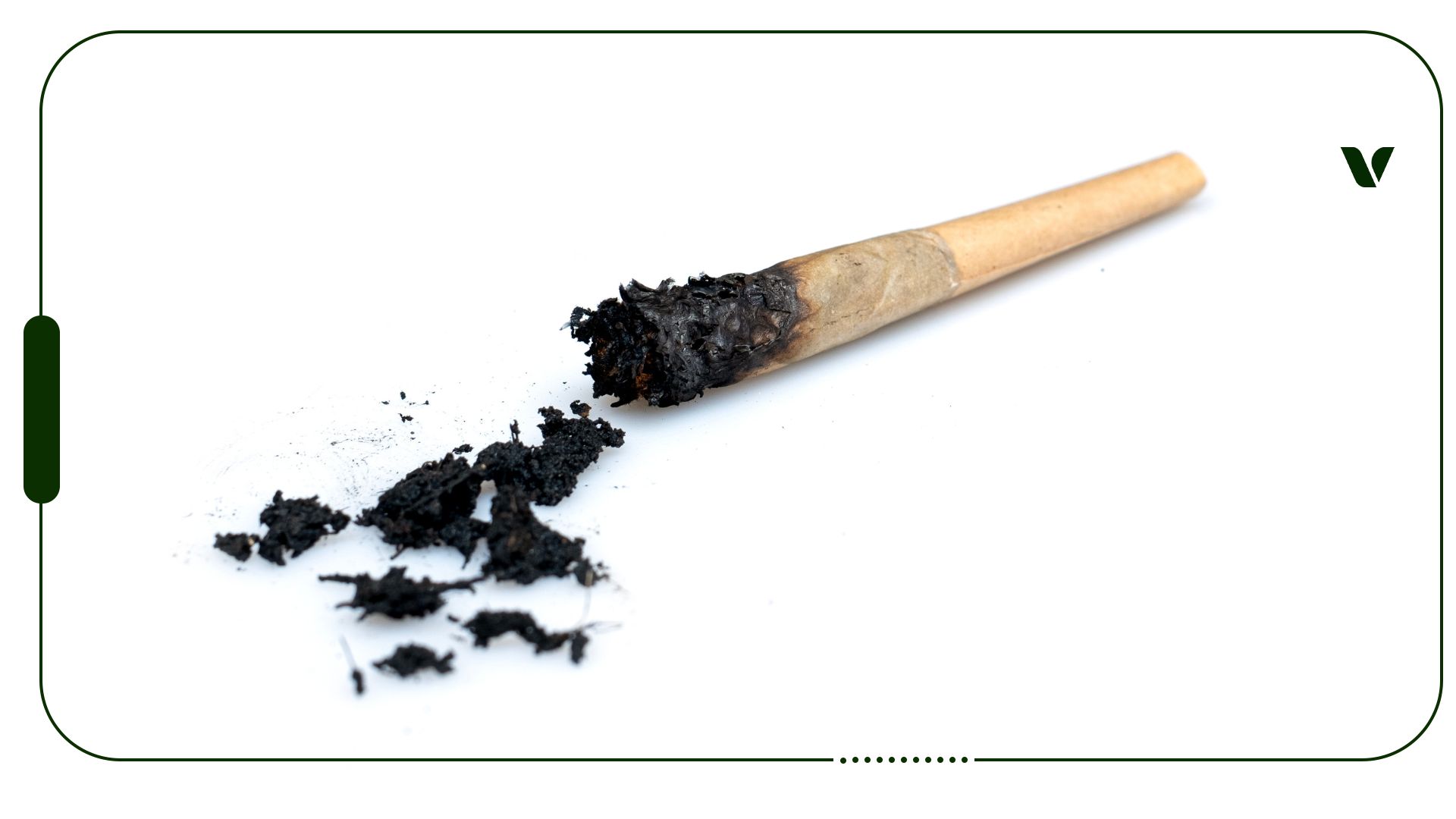
Cannabis resin forms when cannabinoids and plant compounds condense during smoking or vaporization. This sticky, tar-like substance contains tetrahydrocannabinol (THC), cannabidiol (CBD), and other compounds that bond tightly to surfaces through both chemical adhesion and physical entrapment in microscopic surface irregularities.
Fresh resin appears as a dark, sticky film that you can often wipe away with moderate effort. As it ages and hardens, the compounds cross-link and become increasingly difficult to remove with simple soap and water. This transformation explains why cleaning immediately after use requires less aggressive methods than removing week-old buildup.
Water alone fails against resin because cannabis compounds are hydrophobic – they repel water rather than dissolving in it. Effective cleaning requires solvents that can penetrate and break down these oily compounds or physical methods that mechanically remove hardened deposits.
The cleaning principles that work consistently across all surfaces include:
- Heat softens hardened resin for easier removal
- Alcohol-based solvents dissolve most resin compounds effectively
- Freezing makes brittle resin crack and flake off certain surfaces
- Gentle abrasion helps when solvents alone aren’t sufficient
How to Clean Resin Off Glass and Smoking Equipment
Glass pipes, bongs, and smoking accessories accumulate resin faster than any other surface because they’re directly exposed to concentrated cannabis vapor and tar. The good news is that glass tolerates aggressive cleaning methods that would damage other materials.
Method 1: Isopropyl alcohol soak
- Remove any removable parts (bowls, downstems, screens)
- Submerge the piece completely in 91% or 99% isopropyl alcohol
- Let it soak for 30 minutes to 2 hours depending on buildup severity
- Shake gently to loosen dissolved resin, then rinse with hot water
- Use pipe cleaners or cotton swabs for stubborn spots in crevices
Method 2: Salt and alcohol scrub
- Add coarse salt to the piece along with isopropyl alcohol
- Cover all openings and shake vigorously for 2-3 minutes
- The salt acts as an abrasive while the alcohol dissolves resin
- Rinse thoroughly with hot water and repeat if necessary
Method 3: Freezer method for thick buildup
- Place the piece in a sealed bag and freeze for 2-3 hours
- Remove and immediately tap or shake to crack off brittle resin chunks
- Follow up with alcohol cleaning to remove remaining residue
- This works particularly well for pieces with heavy, hardened deposits
Always rinse glass pieces thoroughly with hot water after alcohol cleaning to remove any remaining solvent residue. Properly cleaned glass should feel completely smooth to the touch and show no dark films when held up to light. Learning to clean your glass pipe regularly prevents heavy buildup that requires more aggressive methods.
How to Clean Resin Off Household Surfaces
Resin doesn’t stay confined to smoking equipment. It transfers to sinks, countertops, walls, and other household surfaces through direct contact or airborne particles that settle over time. Each surface material requires a tailored approach to avoid damage while effectively removing sticky residue.
Sinks and Ceramic Surfaces
Bathroom and kitchen sinks often collect resin from pipe cleaning or accidental contact. Ceramic and porcelain surfaces can handle moderately aggressive cleaning without damage.
- Start with dish soap and hot water to remove surface-level residue
- Apply isopropyl alcohol to a cloth for sticky spots that resist soap
- Use baking soda paste (baking soda + water) as a gentle abrasive for stubborn areas
- Finish with glass cleaner to restore shine and remove any haze
Countertops and Hard Surfaces
The cleaning approach depends on your countertop material. Natural stone requires gentler methods than laminate or quartz.
For laminate, quartz, and solid surface counters: wipe with isopropyl alcohol on a microfiber cloth, use plastic scrapers for thick, hardened deposits, and finish with your regular countertop cleaner.
For granite, marble, and natural stone: avoid alcohol-based cleaners that can damage sealants, use warm water and stone-safe detergent only, and apply gentle pressure with soft cloths to prevent scratching.
Walls and Painted Surfaces
Wall cleaning requires the most caution since paint can be damaged by aggressive solvents or scrubbing.
- Test any cleaner in an inconspicuous area first
- Start with mild dish soap and warm water using a soft cloth
- For stubborn spots, try a magic eraser with light pressure
- Avoid alcohol or abrasive cleaners on flat paint finishes
Mirrors and Glass Surfaces
Mirrors and windows clean easily but show streaks if not handled properly.
- Use glass cleaner or isopropyl alcohol diluted 50/50 with water
- Wipe in circular motions, then finish with vertical strokes
- Newspaper or microfiber cloths prevent lint and streaking
- Remove thick buildup with a razor blade held at 45 degrees
Removing Resin from Fabrics and Textiles
Fabric presents unique challenges because resin penetrates between fibers and can set permanently if treated incorrectly. Success depends on acting quickly and using the right combination of solvents and mechanical action.
| Fabric Type |
Primary Method |
Secondary Method |
Professional Cleaning |
| Cotton/Linen |
Freezer + scraping, then wash |
Rubbing alcohol pre-treat |
Heavy stains only |
| Synthetic blends |
Ice cubes + scraping |
Dish soap + warm water |
Delicate items |
| Wool/Silk |
Professional only |
Ice method (gentle) |
Always recommended |
| Denim |
Freezer method |
Alcohol + enzyme detergent |
Stubborn stains |
| Upholstery |
Vacuum + alcohol spot clean |
Steam cleaning |
Deep penetration |
Step-by-step fabric cleaning process
- Remove excess resin immediately by scraping with a dull knife – never rub it deeper into fibers
- Apply cold by placing ice cubes in a plastic bag against the stain for 10-15 minutes
- Scrape again while the resin is brittle from cold, working from outside edges toward center
- Pre-treat with isopropyl alcohol applied to a clean cloth, dabbing rather than rubbing
- Wash immediately in the hottest water safe for the fabric with enzyme-based detergent
- Air dry completely before checking results – heat from the dryer can set remaining residue
For carpets and large textiles: work from the outside of the stain inward to prevent spreading, use a shop vacuum to remove loose particles after scraping, test alcohol or cleaning solutions in an inconspicuous area first, and consider professional cleaning for valuable rugs or persistent stains.
Never use heat methods like hair dryers or irons on resin stains – heat will melt the resin deeper into fabric fibers and make removal nearly impossible.
Skin and Hair Resin Removal Methods
Getting resin on your hands, arms, or hair is inevitable if you handle cannabis regularly. Skin-safe removal methods prioritize gentle effectiveness over aggressive solvents that could cause irritation.
Quick removal methods for fresh resin:
- Rubbing alcohol on a cotton pad removes most sticky residue safely
- Hand sanitizer works in a pinch due to its alcohol content
- Cooking oil (olive, coconut, or vegetable) dissolves resin, then wash with dish soap
- Peanut butter or mayonnaise contain oils that break down resin – massage in, then soap off
For stubborn resin on skin: make a paste with baking soda and dish soap for gentle abrasive action, use a pumice stone or exfoliating scrub with light pressure, apply ice to harden the resin then rub with a towel to flake it off, and never use acetone, paint thinner, or harsh chemicals on skin.
Hair resin removal: work coconut oil or olive oil through affected hair strands, let the oil sit for 10-15 minutes to penetrate and soften the resin, shampoo multiple times with clarifying shampoo to remove oil and residue, and for severe cases cut out small affected sections rather than risk damage.
Nail and cuticle cleaning: soak fingertips in warm soapy water for 5 minutes to soften resin, use a nail brush or old toothbrush to scrub under nails, push back cuticles gently while they’re soft to remove embedded particles, and apply hand lotion after cleaning to prevent dryness from alcohol or soap.
Always test any cleaning method on a small, less visible area of skin first. If you experience redness, burning, or irritation, stop immediately and rinse with cool water.
Advanced Cleaning Solutions and When to Use Them
Some resin situations require stronger solvents or specialized tools beyond basic household cleaners. Understanding when to escalate your cleaning approach can save time and prevent surface damage.
| Cleaning Agent |
Best For |
Safety Notes |
Surface Compatibility |
| Acetone/Nail polish remover |
Thick, hardened resin |
Use with ventilation only |
Avoid painted surfaces, plastics |
| Commercial resin cleaners |
Glass and metal only |
Follow label instructions |
Never use on skin or fabric |
| Heat gun/Hair dryer |
Softening before scraping |
Fire hazard – use carefully |
Heat-resistant surfaces only |
| Ultrasonic cleaners |
Small glass pieces |
Professional equipment |
Glass and metal parts only |
When to use acetone: acetone dissolves resin faster than alcohol but comes with significant risks. Reserve it for glass surfaces with extremely heavy buildup that resists other methods. Always work in well-ventilated areas and wear nitrile gloves – acetone absorbs through skin rapidly.
Commercial resin cleaner benefits: products like Formula 420 or Grunge Off are specifically formulated for cannabis resin removal. They often work faster than home remedies and require less scrubbing, but cost significantly more than isopropyl alcohol.
Heat application guidelines: heat softens resin for easier mechanical removal, but creates fire risks and can release toxic fumes. Use heat guns only outdoors or in well-ventilated spaces, and never apply heat to surfaces that might melt or off-gas.
Specialized tool considerations:
- Ultrasonic cleaners use vibration to remove buildup from intricate glass pieces
- Steam cleaners work well for fabric and upholstery when used carefully
- Pressure washers can clean outdoor surfaces but may spread resin to surrounding areas
Safety equipment for advanced cleaning:
- Nitrile gloves protect hands from harsh solvents
- Safety glasses prevent splashes during vigorous cleaning
- N95 masks filter fumes from strong solvents
- Adequate ventilation prevents solvent vapor buildup
Never mix cleaning chemicals – combining different solvents can create toxic reactions. Stick to one cleaning agent at a time and ventilate your workspace thoroughly.
Important Reminders
Always prioritize safety when cleaning cannabis resin, especially when using stronger solvents or heat methods. Work in well-ventilated areas to avoid inhaling fumes, and keep cleaning products away from heat sources and open flames.
Test any cleaning method on an inconspicuous area first, particularly on painted surfaces, fabrics, or materials you’re unsure about. What works safely on glass might damage wood finishes or cause fabric discoloration.
Store cleaning supplies safely away from children and pets. Many effective resin solvents are toxic if ingested and can cause skin or eye irritation with direct contact.
Remember that prevention often beats cleanup. Understanding how to properly store cannabis reduces resin transfer to surfaces, and exploring different ways to smoke can help you find consumption methods that create less sticky residue.
Ready to Start Cleaning?
With the right approach for each surface type, resin removal becomes a manageable task rather than a frustrating battle. Start with the gentlest method appropriate for your situation and escalate only when necessary.
Remember that immediate cleaning prevents most serious resin problems. Fresh resin wipes away easily, while aged, hardened deposits require more time and stronger solvents.
If you’re dealing with resin regularly, consider it a sign that you might benefit from cleaner consumption methods or more frequent equipment maintenance. A medical marijuana card can provide access to higher-quality products and professional guidance on consumption techniques that minimize sticky cleanup.
If you’re regularly dealing with resin cleanup, it may be time to explore cleaner consumption methods with professional guidance. Find a qualified medical marijuana doctor who can help you discover options that work better for your lifestyle.
Note: The content on this page is for informational purposes only and is not intended to be professional medical advice. Do not attempt to self-diagnose or prescribe treatment based on the information provided. Always consult a physician before making any decision on the treatment of a medical condition.
Note: Veriheal does not support illegally consuming therapeutic substances such as cannabis but acknowledges that it transpires because of the current illicit status, which we strive to change by advocating for research, legal access, and responsible consumption. Always consult a physician before attempting alternative therapies.
Frequently Asked Questions
What removes resin fastest from glass pipes?
Isopropyl alcohol (91% or higher) combined with coarse salt creates the most effective combination for glass cleaning. The alcohol dissolves resin while salt provides abrasive action to scrub away stubborn buildup.
Can I use acetone to clean resin off any surface?
Acetone works well on glass and metal but can damage painted surfaces, plastics, and fabrics. Always test in an inconspicuous area first and ensure adequate ventilation when using acetone-based cleaners.
How do I get resin out of fabric without ruining it?
Start by freezing the fabric to harden the resin, then scrape off what you can. Pre-treat with isopropyl alcohol, then wash in the hottest water safe for that fabric type using enzyme-based detergent.
Is it safe to use heat to soften resin for removal?
Heat can be effective but creates fire risks and may release toxic fumes. Only use heat methods in well-ventilated outdoor areas, and never apply direct heat to surfaces that could melt or burn.
What’s the safest way to remove resin from skin?
Rubbing alcohol on a cotton pad removes most resin safely from skin. For stubborn residue, try cooking oil followed by dish soap, or make a gentle scrub with baking soda and dish soap.
Why does resin stick so strongly to surfaces?
Cannabis resin contains hydrophobic compounds that bond chemically with surfaces and settle into microscopic irregularities. As it ages and hardens, these bonds strengthen, making removal increasingly difficult without proper solvents.
How often should I clean my glass pipes to prevent heavy buildup?
Clean glass pieces after every 3-5 uses to prevent resin from hardening. Fresh resin removes easily with simple alcohol wipes, while aged buildup requires soaking and scrubbing to remove completely.
Can commercial resin cleaners damage my smoking equipment?
Quality commercial cleaners designed for glass and metal smoking equipment are generally safe when used as directed. However, they’re often unnecessarily expensive compared to isopropyl alcohol, which works just as effectively for most cleaning tasks.
Author, Share & Comments