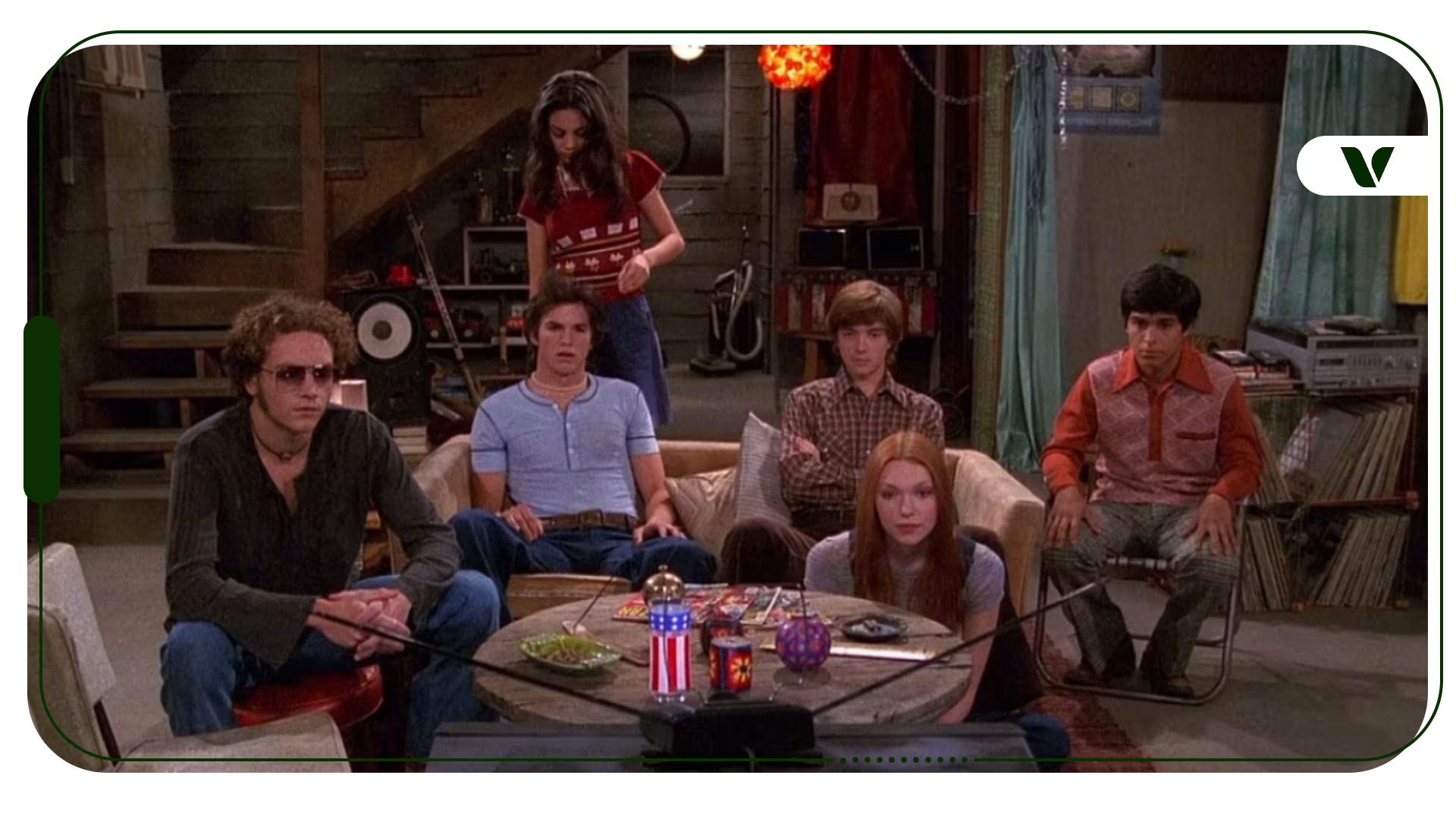
Television has played a pivotal role in normalizing cannabis culture, transforming it from taboo subject matter to mainstream comedy gold. From the paranoid mishaps in Friends to the generational discoveries in Roseanne, these episodes didn’t just entertain — they shaped how millions of viewers understood cannabis use in everyday life.
The most memorable cannabis episodes combine relatable scenarios with sharp writing, creating moments that resonate long after the credits roll. These shows took cannabis out of the shadows and placed it squarely in living rooms across America, making it a subject families could laugh about together.
How TV Cannabis Episodes Evolved Over Decades
Television’s approach to cannabis has undergone a dramatic transformation since the 1990s, reflecting broader cultural shifts around legalization and medical acceptance. Early sitcoms treated cannabis as purely comedic material, often centering episodes around accidental consumption or exaggerated paranoia for laughs.
1990s Sitcom Era
The decade established the foundation for cannabis comedy with shows like That ’70s Show making cannabis central to character development rather than treating it as a one-off gag. Friends pioneered the “accidental high” formula that became a sitcom staple, while shows approached the subject with careful humor that avoided glorification.
2000s Normalization
This period saw cannabis episodes become more sophisticated in their approach. How I Met Your Mother used coded language like “eating sandwiches” to normalize regular use among young professionals, while maintaining network television standards. The comedy shifted from shock value to character-driven situations where cannabis culture representation in television media became part of the characters’ established personalities.
2010s Medical Acceptance
Later episodes like Grey’s Anatomy‘s cannabis cookie storyline reflected growing awareness of medical cannabis legalization trends across multiple states. These portrayals moved beyond pure comedy to explore therapeutic uses, showing characters using cannabis for legitimate medical reasons rather than just recreational laughs.
Classic Shows That Broke Cannabis Stereotypes
Several television episodes deserve recognition for challenging tired cannabis tropes and presenting more nuanced portrayals. Sex and the City Season 6, Episode 7 showed Carrie’s arrest for smoking marijuana, treating legal consequences seriously rather than as pure comedy material.
Friends Season 6, Episode 9 used Ross’s paranoid confession about college marijuana use to explore family dynamics and generational attitudes. The episode worked because it grounded the cannabis humor in genuine character relationships rather than relying on stereotypical stoner behavior.
That ’70s Show Season 2, Episode 1 featured Red and Kitty accidentally getting high, subverting the typical parent-discovers-weed storyline by having the conservative parents experience cannabis effects themselves. This role reversal created comedy while humanizing older characters who might typically be portrayed as simply anti-cannabis.
How I Met Your Mother normalized regular cannabis use among successful professionals through its “eating sandwiches” euphemism, showing that regular users could maintain careers and relationships. The show’s approach helped counter the lazy stoner stereotype that dominated earlier portrayals. These portrayals shaped broader cannabis culture perceptions that extended well beyond television audiences.
What These Episodes Taught Audiences About Cannabis
These television episodes served as informal education for millions of viewers, often providing their first exposure to cannabis culture and use patterns. The shows consistently reinforced that cannabis users came from all demographics — from Carrie’s successful writer lifestyle to the suburban parents in That ’70s Show.
Episodes like Roseanne‘s “Stash from the Past” addressed intergenerational attitudes directly, showing how parents who experimented in their youth might handle discovering their children’s use. This storyline helped normalize conversations between generations about cannabis experiences and family boundaries.
The medical cannabis episodes on Grey’s Anatomy introduced audiences to therapeutic applications through Dr. Arizona’s use of cannabis edibles for chronic pain. These portrayals helped shift public perception research on medical cannabis acceptance from viewing cannabis purely as recreational to understanding legitimate medical applications.
Key cultural lessons these episodes reinforced:
- Cannabis use spans all socioeconomic classes and professions
- Family discovery scenarios can be handled with humor rather than drama
- Medical applications exist beyond recreational stereotypes
- Regular users maintain normal relationships and responsibilities
The Comedy Formulas Behind Great Cannabis Episodes
Successful cannabis comedy episodes rely on specific structural elements that create relatable humor without reinforcing harmful stereotypes. Writers developed several proven formulas that consistently produced memorable television moments.
Accidental consumption scenarios create immediate comedy through unexpected situations, as seen when Red and Kitty unknowingly eat cannabis brownies in That ’70s Show. The humor comes from watching typically conservative characters navigate unfamiliar experiences.
Paranoid confession sequences work because they tap into universal fears about being discovered, like Ross’s Thanksgiving marijuana revelation in Friends. These scenes generate tension and relief that audiences connect with regardless of personal cannabis experience.
Generational discovery dynamics provide rich comedy material by contrasting different attitudes within families. Roseanne‘s approach showed how parents’ past experiences influence their reactions to their children’s choices.
Professional consequence comedy explores what happens when cannabis intersects with work life, as demonstrated in Sex and the City‘s arrest storyline. These scenarios ground cannabis use in real-world contexts rather than fantasy situations.
Ready to explore your own cannabis journey? Find qualified medical professionals who can guide you through the legal process in your state.
Note: The content on this page is for informational purposes only and is not intended to be professional medical advice. Do not attempt to self-diagnose or prescribe treatment based on the information provided. Always consult a physician before making any decision on the treatment of a medical condition.
Note: Veriheal does not support illegally consuming therapeutic substances such as cannabis but acknowledges that it transpires because of the current illicit status, which we strive to change by advocating for research, legal access, and responsible consumption. Always consult a physician before attempting alternative therapies.
Frequently Asked Questions
What makes a cannabis TV episode culturally significant?
Cannabis episodes become culturally significant when they challenge stereotypes while creating relatable scenarios that normalize use across different demographics. The best episodes ground cannabis humor in genuine character development rather than relying on outdated stoner tropes.
How did TV shows handle cannabis before legalization?
Before widespread legalization, shows used coded language and careful humor to discuss cannabis without glorifying illegal activity. Programs like How I Met Your Mother developed euphemisms while others focused on accidental consumption scenarios to avoid promoting intentional use.
Which TV cannabis episodes had the biggest cultural impact?
Episodes from Friends, That ’70s Show, and Sex and the City had major cultural impact because they presented cannabis use within mainstream characters’ lives rather than marginalizing it to counterculture stereotypes. These shows helped normalize cannabis conversations in American households.
Do modern TV shows portray cannabis differently than older ones?
Modern television portrays cannabis with much less stigma, often incorporating medical applications and regular use into character backgrounds without making it the central plot point. Shows now treat cannabis more like alcohol — present in characters’ lives without requiring special episode treatment.
Author, Share & Comments