Your medical cannabis journey simplified: find partnered dispensaries, explore pricing options, earn rewards, and get answers to FAQs, all in one spot.
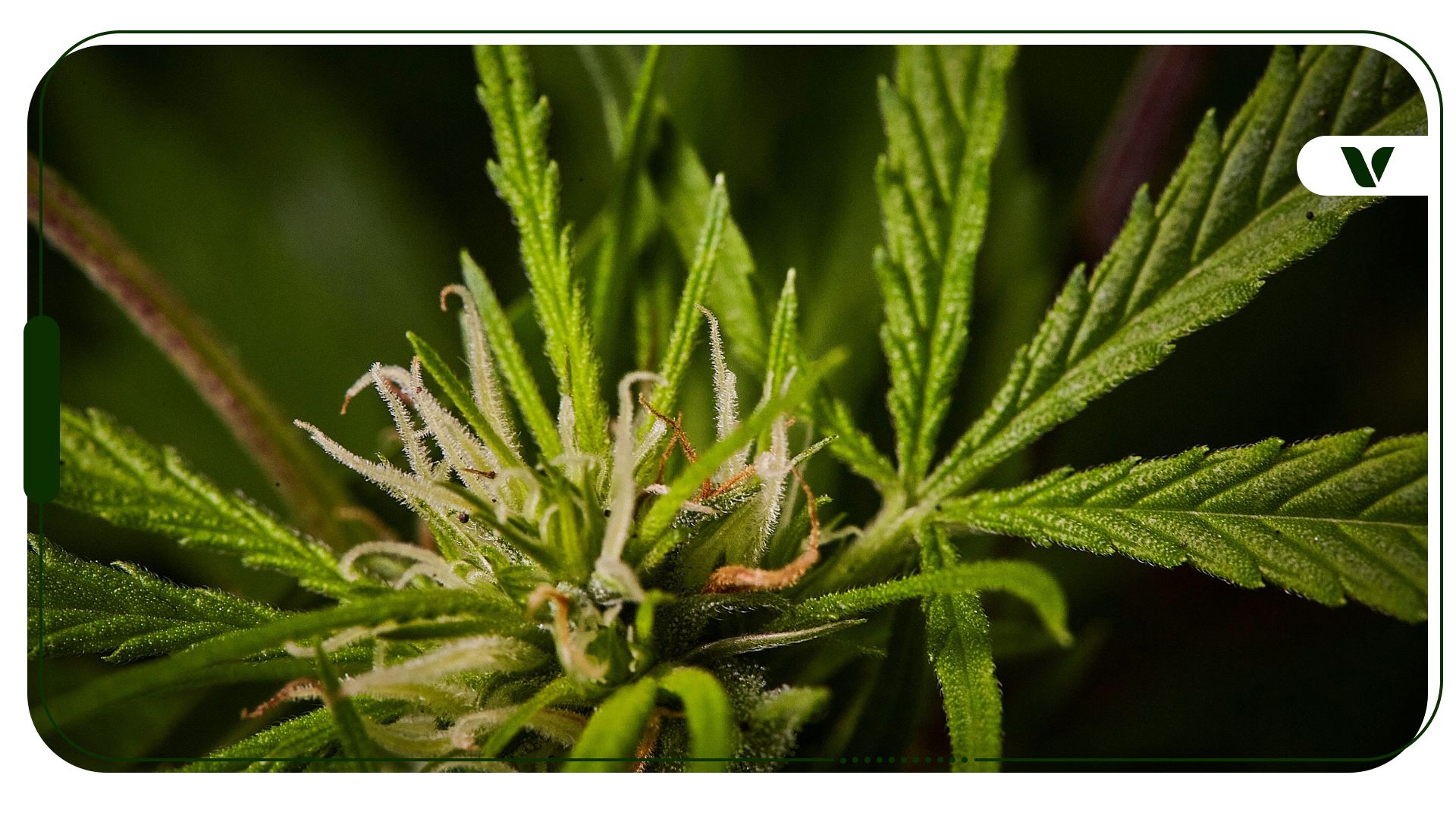
Texas residents who rely on the hemp industry for their work or medicine have been on a rollercoaster lately. In March of this year, republican senators brought forward Senate Bill 3, a widely criticized measure that would effectively ban all hemp products in the state. The bill then passed in the Senate and House, only to be vetoed by Texas Governor Greg Abbott in June.
But on June 22, 2025, Governor Greg Abbott surprised many people by vetoing the bill. So, how did we get here, and what does this all mean for Texas residents?
Senate Bill 3 Timeline
A lot has happened with the controversial hemp bill since it first made headlines earlier this year. Here’s a quick breakdown of the progression:
2019:House Bill 1325 passed, providing a pathway for a regulated hemp industry. Effective immediately, the law permits the cultivation of hemp plants with no more than 0.3% delta-9 tetrahydrocannabinol (THC) content in dry weight.
2021: The production of delta-8 THC proliferated across the state. Produced through a legal loophole, synthetic delta-8 products are intoxicating and sold as an alternative to regular cannabis.
Pressure to ban or regulate delta-8 products continued to grow across the state.
March 2025: Senate Bill 3 is introduced.
May 2025: The House grants approval on SB3, in line with the Senate
June 2025: Texas Governor Greg Abbott vetoes the bill and calls for lawmakers to focus on regulating hemp.
What Would Happen If SB3 Passed?
Had Greg Abbott not vetoed the bill, SB3 would have effectively ended the state’s hemp industry—not just the gray market synthetic cannabinoids like the popular delta-8.
Brought forth by an all-Republican group of senators and representatives, the bill remained unpopular among the general public. Texas Lieutenant Governor Dan Patrick was one of the biggest proponents of the bill, often pointing out his safety concerns for children.
“Dangerously, retailers exploited the agriculture law to sell life-threatening, unregulated forms of THC to the public and made them easily accessible. These stores not only sold to adults, but they targeted Texas children and exposed them to dangerous levels of THC,” Patrick said in a statement.
“More than two-thirds of Republican primary voters (72%) believe military veterans should be able to access THC products as an alternative to opioids.
53% of Republican primary voters believe a ban will create opportunities for drug cartels.
55% of Republican primary voters believe a ban will increase black market sales.”
They also released poll data showing that 47% of Texas republican primary voters opposed the hemp ban, while only 37% supported it. THBC noted that opposition to the ban was stronger among those with current or former active duty military members in the household.
Reactions to Abbott’s Veto
A dismayed Lt. Governor Dan Patrick responded to the news of the veto with, “One can only come to this conclusion, which surprises me. The governor of the state of Texas wants to legalize recreational marijuana in Texas.”
Senator Charles Schwertner agreed, saying the veto “was the wrong decision.” State Rep Tom Oliverson echoed the sentiments and said he was disappointed, but told reporters they’d work together in good faith to find a solution.
Hemp-based business owners, such as J Heart CBD store manager Lizzie Taylor, shared their excitement about the news with reporters. “Last night, my coworker and I started screaming. We were so excited to have that happen that changed our lives because our trajectory wasn’t. We’re going to lose our jobs and have to go find another job,” said Lizzie Taylor, Store Manager, J Heart CBD Cedar Park.
The THBC, who vehemently opposed the legislation, celebrated by saying the veto proved that “truth, freedom, and the invoices of Texans still matter.”
Looking Ahead
Texans and those watching closely are not off the rollercoaster just yet. The veto may have been a major victory for the hemp industry in the state, but it comes with the understanding that there’s much more work to be done. Regulation is next on the table.
In the statement addressing his last-minute veto, Abbott called for a special session to begin on July 21st. This will allow lawmakers to pass a bill to regulate the state’s hemp industry. The specifics have yet to be made public.
We will have to wait and see exactly what lawmakers draw up in this special session. Our team will keep a close eye on upcoming legislation to keep readers informed.
Macey is a freelance writer from Seattle. She's covered the cannabis industry extensively, emphasizing the economic opportunities for Indigenous entrepreneurs. Her writing focuses on the people, stories, and labors of love behind every venture.
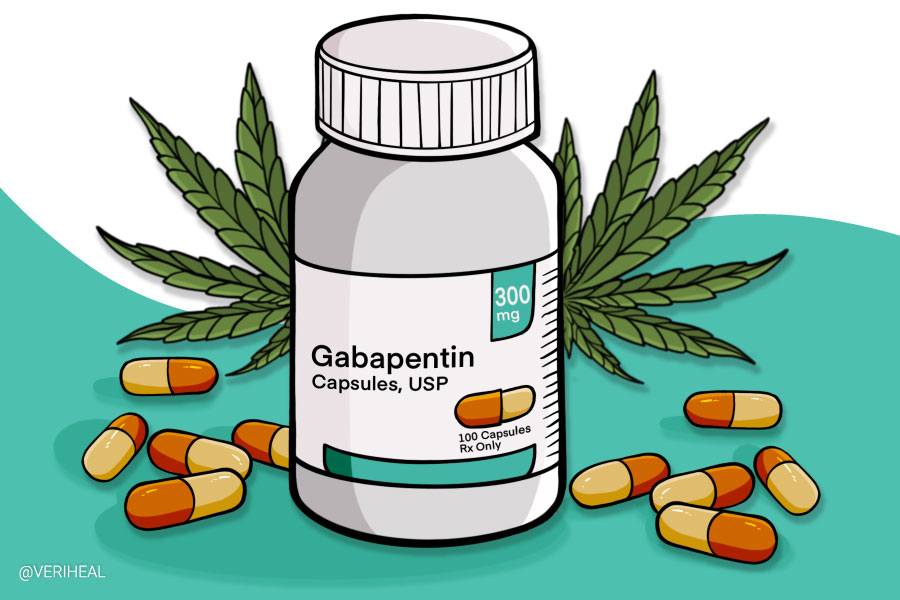
According to the New York Times, 64 million gabapentin prescriptions were dispensed in 2016, with numbers continuing to rise each year. Many patients now explore medical cannabis as an alternative after experiencing gabapentin’s concerning side effects, including FDA warnings about serious respiratory problems. Both treatments target similar conditions like nerve pain and seizures, but they…
An Oklahoma medical marijuana card provides legal protection under state law, but it can still affect employment, commercial driving, firearms, privacy, and federally regulated situations. This guide explains the main consequences to consider before applying, including workplace drug testing, CDL rules, insurance, housing, and registry privacy.
Getting a medical marijuana card in Oklahoma can be completed online, with no specific qualifying condition required for adult applicants. This guide covers eligibility, telehealth evaluations, required documents, OMMA application steps, fees, processing times, and what patients can do once approved.
A same-day telehealth appointment in Oklahoma can get you a physician recommendation quickly, but OMMA still needs to process your medical marijuana license application. This guide explains the timeline, required documents, costs, and when you can legally visit a dispensary while waiting for the physical card.
Medical marijuana has been legal in Oklahoma since 2018, with eligibility determined by physician judgment rather than a fixed list of qualifying conditions. This guide explains how the OMMA program works, patient rights and possession limits, recreational cannabis laws, federal restrictions, and how Oklahoma compares with neighboring states.
The statements made regarding cannabis products on this website have not been evaluated by the Food and Drug Administration (FDA). Cannabis is not an FDA-approved substance and is still illegal under federal law. The information provided on this website is intended for educational purposes only and is not intended to diagnose, treat, cure, or prevent any disease. It is not intended as medical advice and should not be considered as a substitute for advice from a healthcare professional. We strongly recommend that you consult with a physician or other qualified healthcare provider before using any cannabis products. The use of any information provided on this website is solely at your own risk.