Lavender, chamomile, and mullein are the most popular herbs to mix with cannabis, offering enhanced relaxation and smoother smoke. These herbs can improve flavor, reduce harshness, and add their own therapeutic benefits to your cannabis experience.
Mixing herbs with cannabis has become increasingly popular among users looking to customize their experience. Whether you want to enhance relaxation, improve taste, or reduce the intensity of your high, the right herbal blend can transform your session. The key is understanding which herbs complement cannabis and how to combine them safely.
What Plants Can You Smoke Besides Cannabis
Beyond cannabis, several plants offer safe smoking alternatives with their own unique properties. These herbs have been used traditionally for relaxation, flavor, and mild psychoactive effects.
Common smokable herbs include:
- Lavender – provides calming effects and floral aroma
- Chamomile – offers gentle relaxation and sweet taste
- Mullein – acts as a natural lung cleanser with smooth smoke
- Rose petals – adds floral notes and mild mood enhancement
- Sage – delivers earthy flavor and purification properties
- Peppermint – creates cooling sensation and fresh taste
Always research the legal status of any herb in your area before use. While these plants are generally safe for most people, individual reactions can vary. Some herbs may interact with medications or cause allergic reactions in sensitive individuals.
Start with small amounts when trying any new herb. This approach helps you gauge your body’s response and find the right balance for your needs.
Lavender
Lavender stands out as one of the most complementary herbs for cannabis mixing. This purple flower contains linalool, a terpene also found in many cannabis strains, which creates natural synergy between the two plants.
The floral aroma of lavender softens the sometimes harsh smell of cannabis while adding its own calming properties. When smoked, lavender produces smooth, light smoke that reduces coughing and throat irritation. Many users report deeper relaxation and improved sleep quality when combining lavender with their evening cannabis routine.
You can use either dried lavender buds or leaves in your blend. The flowers provide stronger aroma and effects, while the leaves offer a milder experience. Both options mix well with cannabis in ratios ranging from 10% to 30% lavender.
Chamomile
Chamomile brings gentle sedative effects that enhance cannabis’s relaxing properties without overwhelming the experience. This daisy-like flower has been used for centuries as a natural sleep aid and anxiety reducer.
The sweet, honey-like taste of chamomile balances the earthiness of cannabis, creating a more palatable smoke. Its anti-inflammatory properties may also help soothe throat irritation that can occur with smoking. Chamomile burns cleanly and produces light, aromatic smoke that many find more enjoyable than cannabis alone.
When mixed with indica strains, chamomile can intensify the sedating effects, making it ideal for nighttime use. With sativa strains, it helps temper any anxiety or overstimulation while maintaining mental clarity.
Mullein
Mullein serves as an excellent base herb for cannabis blends due to its neutral flavor and smooth-burning properties. This common wildflower has traditionally been used to support respiratory health and reduce lung irritation.
The herb produces very mild smoke that won’t overpower cannabis flavors while making the overall experience gentler on your throat and lungs. Mullein’s high burning temperature ensures even combustion when mixed with cannabis, preventing uneven burning that can waste your blend.
Many users appreciate mullein’s ability to stretch their cannabis supply without significantly altering the effects. It acts as a natural filler that maintains the smoking experience while reducing cannabis consumption.
Tobacco
While tobacco remains a popular mixing option in many parts of the world, it carries significant health risks that other herbs do not. Tobacco contains nicotine, an addictive stimulant, along with numerous harmful chemicals that increase cancer risk and respiratory problems.
The combination of tobacco and cannabis creates a more stimulating effect due to nicotine’s properties. Some users prefer this energizing quality, especially when consuming indica-dominant strains. However, the addiction potential and health consequences make tobacco a problematic choice for regular use.
If you choose to use tobacco occasionally, opt for organic, additive-free varieties and keep the ratio low. Many countries and regions offer harm reduction information about tobacco use that can help you make informed decisions.
Raspberry Leaf
Raspberry leaf offers a mild, slightly sweet flavor that complements cannabis without competing for dominance. This herb burns smoothly and produces light smoke that many find more pleasant than straight cannabis.
Traditional herbalists have used raspberry leaf for its mild astringent properties and potential benefits for respiratory comfort. When smoked, it provides a neutral base that allows cannabis terpenes to shine while adding subtle fruity notes.
The herb works particularly well with fruity cannabis strains, enhancing their natural flavor profiles. Raspberry leaf also burns at a consistent rate, helping maintain even combustion throughout your smoking session.
Rose Petals
Rose petals add luxury and elegance to cannabis blends while providing their own mild mood-enhancing properties. The floral aroma and taste create a sophisticated smoking experience that many find more refined than traditional combinations.
Different rose varieties offer varying intensities of fragrance and flavor. Red roses tend to provide stronger scents, while pink and white varieties offer more subtle notes. All types burn well and produce smooth, aromatic smoke when properly dried.
The natural oils in rose petals and cannabis can help maintain moisture balance in your blend while adding their own therapeutic compounds. Many users report enhanced mood and relaxation when incorporating rose petals into their cannabis routine.
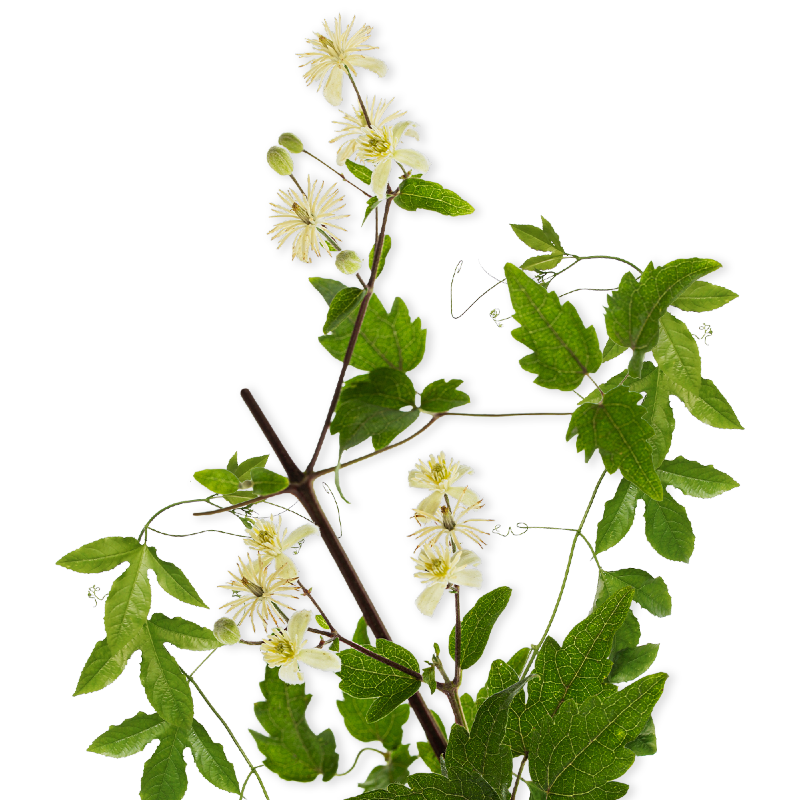
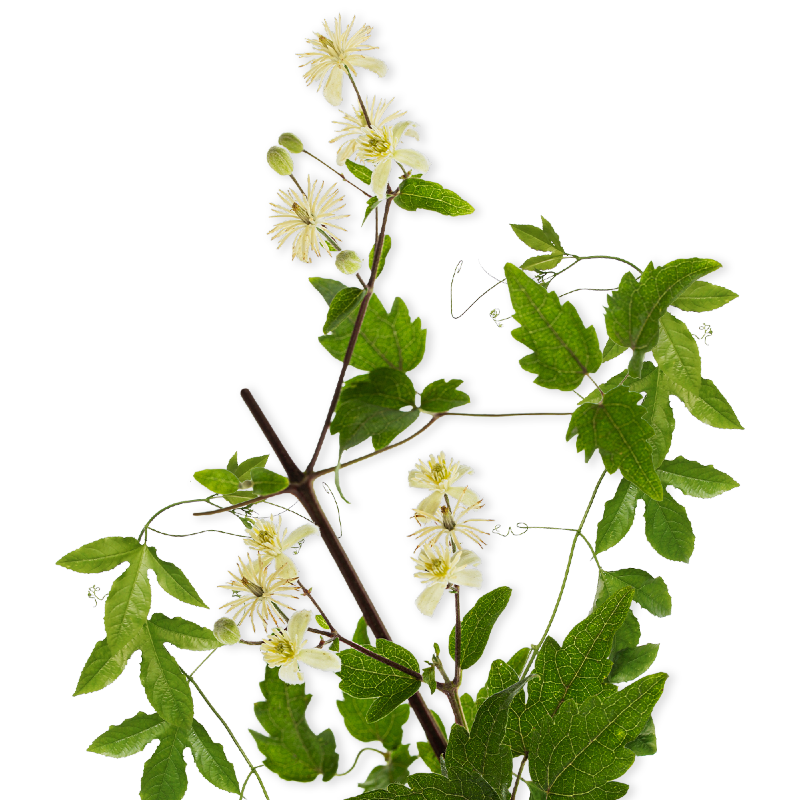
Passionflower
Passionflower brings natural anxiety-reducing properties that work synergistically with cannabis’s calming effects. This climbing vine has been used traditionally as a sedative and nervine, making it ideal for stress relief and sleep support.
The herb’s mild, grassy flavor doesn’t interfere with cannabis taste while adding its own relaxing qualities. Research linking passionflower to reduced anxiety suggests the plant contains compounds that may enhance GABA activity in the brain, promoting relaxation.
When combined with cannabis, passionflower can help reduce any anxiety or paranoia that some users experience with higher THC strains. The combination often produces a more balanced, mellow high that many find preferable to cannabis alone.
Mugwort
Mugwort stands out for its potential to enhance dreams and promote vivid sleep experiences when combined with cannabis. This aromatic herb has been used traditionally for its mild psychoactive properties and dream-enhancing effects.
The plant’s slightly bitter, sage-like flavor adds complexity to cannabis blends while contributing its own unique properties. Some users report more memorable dreams and improved sleep quality when incorporating mugwort into their nighttime cannabis routine.
Mugwort burns well and produces smooth smoke, though its strong flavor means a little goes a long way. Most users find that 5-15% mugwort in their blend provides the desired effects without overwhelming the cannabis taste.
Understanding Terpenes in Herbal Blends
Terpenes create the aromatic and therapeutic connections between cannabis and mixing herbs, explaining why certain combinations work better than others. These volatile compounds influence both flavor and effects, including how they interact with tetrahydrocannabinol (THC) and other cannabinoids, in your herbal blends.
Linalool appears in both lavender and many cannabis strains, creating natural synergy that enhances relaxation without competing effects. This shared terpene profile explains why lavender-cannabis blends feel so harmonious and why the combination often produces deeper calm than either plant alone. This interaction between plant terpenes is sometimes called the entourage effect, which is the idea that cannabis compounds work better together than in isolation.
Myrcene, found in hops and some cannabis varieties, contributes to sedating effects and earthy flavors. When you combine myrcene-rich cannabis with complementary herbs, you can amplify these qualities naturally. Limonene from citrus peels adds uplifting qualities that can balance heavier terpenes in your blend.
Understanding terpene interactions helps you select herbs that complement rather than conflict with your chosen cannabis strain. Research on terpene synergy and the entourage effect suggests these compounds work together to create effects greater than the sum of their parts.
| Terpene |
Common Herbs |
Cannabis Strains |
Combined Effects |
| Linalool |
Lavender, Rose |
Purple strains, Lavender Kush |
Enhanced relaxation, better sleep |
| Myrcene |
Hops, Lemongrass |
Indica dominants, Granddaddy Purple |
Deeper sedation, muscle relaxation |
| Limonene |
Citrus peels, Peppermint |
Sativa strains, Super Lemon Haze |
Mood elevation, stress relief |
How to Mix Herbs with Cannabis Safely
Proper mixing techniques ensure you get the best results from your herbal blends while maintaining safety and quality. Start with small batches to test ratios before committing to larger quantities.
The grinding process requires attention to achieve consistent particle size across all ingredients. Use a quality herb grinder to process cannabis and herbs separately first, then combine them in your desired ratio. This method prevents overgrinding delicate herbs while ensuring even distribution.
Recommended Mixing Ratios
Different herbs require different proportions to achieve optimal effects without overwhelming the cannabis experience:
| Herb Type |
Beginner Ratio |
Experienced Ratio |
Notes |
| Lavender |
70% cannabis, 30% herb |
60% cannabis, 40% herb |
Strong flavor, start small |
| Chamomile |
75% cannabis, 25% herb |
65% cannabis, 35% herb |
Mild taste, good for beginners |
| Mullein |
60% cannabis, 40% herb |
50% cannabis, 50% herb |
Neutral base, high ratios work |
| Rose Petals |
80% cannabis, 20% herb |
70% cannabis, 30% herb |
Potent aroma, less is more |
| Passionflower |
75% cannabis, 25% herb |
65% cannabis, 35% herb |
Sedating, adjust for tolerance |
Always start with the beginner ratios and adjust based on your preferences and tolerance. Some herbs have stronger effects or flavors that can quickly overwhelm the blend if used in high concentrations.
Store your mixed herbs in airtight containers away from light and moisture. Properly stored blends maintain quality for several weeks, though fresh mixtures generally provide the best flavor and effects.
Key Benefits of Mixing Herbs with Cannabis
Herbal blends offer multiple advantages beyond simple flavor enhancement, creating customized experiences that match your specific needs and preferences. The right combination can improve both the immediate smoking experience and the overall effects.
Throat and lung comfort improves significantly with many herb additions. Mullein and chamomile naturally soothe respiratory irritation, while rose petals add moisture that prevents harsh, dry smoke. These benefits make cannabis consumption more comfortable, especially for regular users.
Cost effectiveness becomes apparent when using herbs as partial cannabis substitutes. Quality herbs cost significantly less than cannabis while extending your supply and maintaining satisfying sessions. This approach helps manage consumption while exploring new flavor profiles.
Exploring different ways to smoke your herbal blends opens up additional possibilities for customization. Whether you prefer joints, pipes, or vaporizers, the right herb mixture can enhance any consumption method. Many users also explore rolling paper alternatives to further customize their smoking experience.
Ready to explore medical cannabis options? Get connected with a qualified physician today to discuss whether cannabis could benefit your health and wellness goals.
Note: The content on this page is for informational purposes only and is not intended to be professional medical advice. Do not attempt to self-diagnose or prescribe treatment based on the information provided. Always consult a physician before making any decision on the treatment of a medical condition.
Note: Veriheal does not support illegally consuming therapeutic substances such as cannabis but acknowledges that it transpires because of the current illicit status, which we strive to change by advocating for research, legal access, and responsible consumption. Always consult a physician before attempting alternative therapies.
FAQ
What is the best herb to mix with cannabis for beginners?
Chamomile offers the gentlest introduction to herb mixing with mild effects and pleasant taste. Its sweet flavor complements cannabis without overwhelming the experience.
How much herb should I add to my cannabis?
Start with 20-30% herbs and 70-80% cannabis, then adjust based on your preferences. Strong-flavored herbs like lavender need lower ratios, while neutral herbs like mullein can be used in higher amounts.
Can mixing herbs change the effects of cannabis?
Yes, certain herbs can enhance or modify cannabis effects through shared terpenes and their own therapeutic properties. Chamomile and passionflower increase relaxation, while peppermint may provide more alertness.
Are there any herbs I should avoid mixing with cannabis?
Avoid any herbs you’re allergic to, and research potential medication interactions before trying new combinations. Tobacco carries significant health risks that other herbs do not.
How do I store mixed herbs properly?
Use airtight containers in cool, dark places to maintain freshness and potency. Properly stored herb-cannabis blends keep their quality for several weeks.
Will mixing herbs make my cannabis less potent?
Mixing herbs reduces the overall THC concentration by dilution, but many users find the enhanced flavor and complementary effects create a more satisfying experience overall.
Author, Share & Comments