Tetrahydrocannabinol (THC) chewing gum is a cannabis-infused edible that delivers cannabinoids through both sublingual absorption in your mouth and traditional digestion. Unlike other edibles that only work through your digestive system, THC gum offers a faster onset time and more controlled dosing experience.
The appeal of THC-infused gum lies in its discretion and convenience. You can consume it anywhere without drawing attention, making it ideal for medical patients who need consistent dosing throughout the day. The chewing action also helps activate the THC more efficiently than simply letting it dissolve.
This guide covers everything you need to know about THC chewing gum, from how it works in your body to finding the right dose for your needs.
What is THC Chewing Gum?
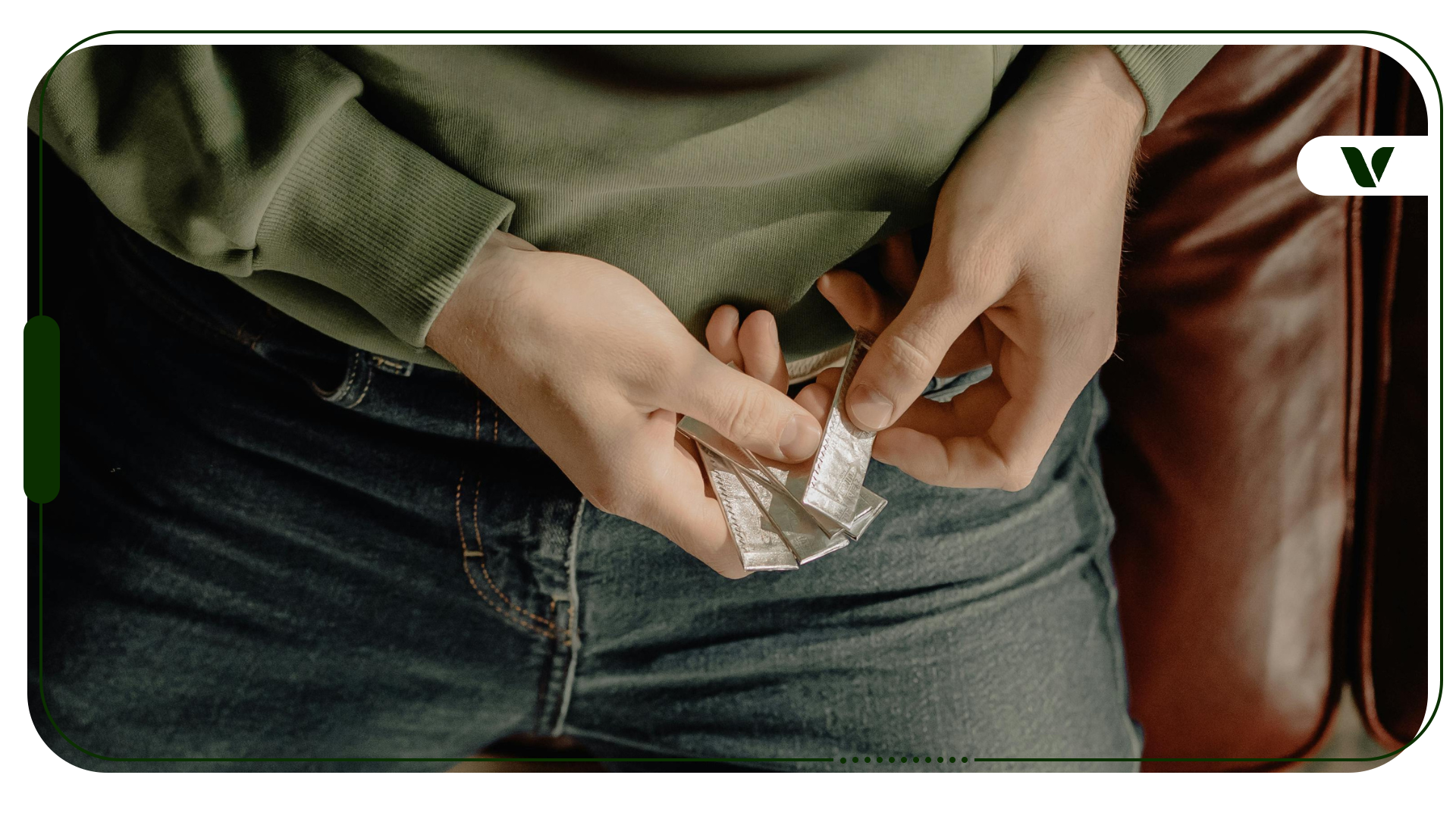
THC chewing gum is a cannabis edible that combines the familiar experience of chewing gum with precise cannabis dosing. Each piece contains a measured amount of THC, typically ranging from 2.5mg to 10mg, infused throughout the gum base rather than just on the surface.
The first commercial THC gum, JoyGum, launched in Colorado dispensaries in 2021 through a company called Joyibles. Each piece contained 5mg of THC and came in flavors like spearmint and cinnamon. While JoyGum has since been discontinued, other manufacturers have introduced their own versions of cannabis chewing gum.
Unlike traditional edibles that rely entirely on digestion, THC gum works through dual absorption pathways. Some THC absorbs directly through the soft tissues in your mouth while you chew, while the remainder enters your digestive system when you swallow saliva containing dissolved cannabinoids.
How THC Chewing Gum Works: Absorption & Effects Timeline
THC chewing gum delivers cannabinoids through two distinct absorption methods that create a unique effects profile. Understanding these pathways helps you predict when and how the effects will develop.
Onset Time and Duration
The dual absorption of THC gum creates a two-phase onset pattern. Sublingual absorption through your mouth tissue begins within 15-30 minutes of chewing, delivering an initial wave of effects. The digestive absorption kicks in 45-90 minutes later as dissolved THC reaches your liver, creating a second, longer-lasting phase.
Total duration typically ranges from 3-5 hours, with peak effects occurring 1-2 hours after consumption. This timeline sits between smoking (immediate but short-lived) and traditional edibles (delayed but long-lasting).
How It Compares to Other Edibles
THC gum offers faster onset than most edibles because of the sublingual component. While brownies or gummies can take 60-120 minutes to produce noticeable effects, gum begins working within 15-45 minutes due to mouth absorption.
| Consumption Method |
Onset Time |
Peak Effects |
Duration |
| THC Gum |
15-45 minutes |
1-2 hours |
3-5 hours |
| Traditional Edibles |
45-120 minutes |
2-4 hours |
4-8 hours |
| Smoking/Vaping |
1-5 minutes |
15-30 minutes |
1-3 hours |
| Tinctures |
15-30 minutes |
1-2 hours |
2-4 hours |
The chewing action also helps distribute THC more evenly in your mouth, potentially improving absorption compared to simply holding a tincture under your tongue.
Benefits of THC Chewing Gum
THC chewing gum offers several advantages over other cannabis consumption methods, particularly for users who prioritize discretion and dosing control.
Discretion and Portability
Chewing gum produces no smoke, vapor, or distinctive odor that might alert others to cannabis use. You can consume THC gum in public spaces, at work, or in social situations where other consumption methods would be inappropriate or impossible.
The familiar appearance of chewing gum also eliminates questions or concerns from others. Most people won’t think twice about seeing someone chew gum, making it ideal for medical patients who need consistent dosing throughout the day.
Precise Dosing Control
Each piece of THC gum contains a predetermined amount of THC, typically in 2.5mg, 5mg, or 10mg doses. This precision eliminates the guesswork involved with homemade edibles or trying to portion brownies into equal doses.
You can also control absorption somewhat by adjusting how long you chew before swallowing. Chewing for shorter periods emphasizes digestive absorption, while extended chewing maximizes sublingual uptake and faster onset.
Faster Onset Than Traditional Edibles
The sublingual absorption component means you’ll feel initial effects within 15-45 minutes rather than waiting over an hour for traditional edibles to kick in. This faster feedback helps prevent accidental overconsumption, a common problem with delayed-onset edibles.
Medical patients particularly benefit from this quicker onset when managing acute symptoms like pain flares or nausea episodes. Studies on sublingual cannabis absorption suggest faster bioavailability translates directly into more responsive dosing throughout the day.
THC Chewing Gum Dosage Guide
Finding the right THC gum dose depends on your experience level, tolerance, and intended effects. Starting low and adjusting gradually remains the safest approach, especially given the dual absorption pathway.
Standard Dosing (5-10mg)
Most THC gums contain 5-10mg per piece, which works well for regular cannabis users. New users should start with half a piece (2.5-5mg) and wait at least 2 hours before consuming more. The dual onset can be misleading – you might feel mild effects from sublingual absorption but still have stronger digestive effects coming.
| Experience Level |
Recommended Starting Dose |
Maximum Single Dose |
| Beginner |
1-2.5mg |
5mg |
| Occasional User |
2.5-5mg |
10mg |
| Regular User |
5-10mg |
20mg |
| Heavy User |
10-15mg |
25mg+ |
Finding Your Optimal Dose
Track your response to different doses and timing patterns to find what works best. Some users prefer multiple small doses throughout the day, while others prefer single larger doses. Keep notes on onset time, peak effects, and duration for each dose level.
Consider your goals when setting your dose. Medical symptom management often requires different dosing patterns than recreational use. Start with manufacturer recommendations and adjust based on your individual response.
THC Gum vs. Traditional Edibles: Key Differences
Understanding how THC gum differs from brownies, gummies, and other edibles helps you choose the right product for your needs and expectations.
Absorption Differences
Traditional edibles work entirely through digestion. THC enters your stomach, gets processed by your liver into 11-hydroxy-THC, and produces effects that can last 4-8 hours. This process takes time but creates potent, long-lasting effects.
THC gum splits absorption between your mouth and digestive system. The sublingual portion bypasses liver processing, delivering THC directly to your bloodstream for faster but shorter-lived effects. The swallowed portion follows the traditional edible pathway for sustained effects.
When to Choose Gum Over Other Edibles
| Choose THC Gum When |
Choose Traditional Edibles When |
| You need faster onset |
You want maximum duration |
| Discretion is essential |
Potency is the priority |
| You’re dosing multiple times daily |
You prefer single daily doses |
| You want to control absorption timing |
You want consistent, predictable effects |
THC gum works particularly well for medical patients managing symptoms throughout the workday or social situations where other consumption methods aren’t practical. Traditional edibles remain better for evening use or when you want the strongest possible effects from a single dose.
Risks and Drawbacks of THC Chewing Gum
While THC chewing gum offers unique advantages, it also presents specific risks and limitations that users should understand before trying it.
The dual absorption pathway can make dosing unpredictable, especially for new users. You might feel mild initial effects from sublingual absorption and assume the dose isn’t working, then experience stronger effects when the digestive portion kicks in 45-90 minutes later.
Jaw fatigue becomes an issue with extended chewing sessions. Unlike regular gum, you need to chew THC gum longer to maximize absorption, which can cause jaw soreness or temporomandibular joint discomfort in some users.
Limited product availability remains a significant drawback. Few manufacturers produce THC gum compared to other edible categories, limiting your options for flavors, dosing, and price points. The complexity of creating stable THC gum formulations keeps many companies focused on simpler edible formats.
If you accidentally consume too much, the same control strategies apply: stay hydrated, find a calm environment, and remember that effects will subside within a few hours.
THC Chewing Gum Products and Brands
The THC gum market remains relatively small compared to other edible categories, with limited options available in most legal cannabis markets.
JoyGum was the pioneer product that introduced many consumers to THC-infused chewing gum. Produced by Joyibles, each piece contained 5mg of THC in flavors like spearmint and cinnamon. The product launched in Colorado dispensaries in 2021 but has since been discontinued, though some dispensaries may still have remaining inventory.
Current alternatives include products from smaller regional manufacturers, though availability varies significantly by state. Most THC gums contain 5-10mg per piece and come in mint or fruit flavors. Pricing typically ranges from $15-25 for a pack of 10 pieces, making the per-dose cost higher than most traditional edibles.
Some manufacturers focus on CBD-dominant formulations or balanced THC:CBD ratios rather than high-THC products. These options appeal to users seeking therapeutic benefits with minimal psychoactive effects.
When shopping for THC gum, check the lab testing results for accurate cannabinoid content and the absence of harmful contaminants. The manufacturing process for cannabis gum is more complex than other edibles, making quality control particularly important.
Ready to explore cannabis products that work for your lifestyle? Find a qualified cannabis doctor to discuss THC gum and other consumption methods that align with your needs and medical history.
Note: The content on this page is for informational purposes only and is not intended to be professional medical advice. Do not attempt to self-diagnose or prescribe treatment based on the information provided. Always consult a physician before making any decision on the treatment of a medical condition.
Note: Veriheal does not support illegally consuming therapeutic substances such as cannabis but acknowledges that it transpires because of the current illicit status, which we strive to change by advocating for research, legal access, and responsible consumption. Always consult a physician before attempting alternative therapies.
Frequently Asked Questions
What is THC chewing gum?
THC chewing gum is a cannabis edible that delivers measured doses of THC through both mouth absorption and digestion. Each piece typically contains 2.5-10mg of THC infused throughout the gum base.
How does THC gum work?
THC gum works through dual absorption – some THC absorbs through your mouth tissues while chewing, while the remainder enters your digestive system when you swallow saliva containing dissolved cannabinoids.
How long does it take for THC gum to work?
Initial effects from sublingual absorption begin within 15-45 minutes, while digestive effects peak 1-2 hours after consumption. Total duration typically lasts 3-5 hours.
How is THC gum different from other edibles?
THC gum offers faster onset than traditional edibles due to sublingual absorption and provides more discreet consumption. However, it typically has shorter duration and higher per-dose costs than brownies or gummies.
Are there any risks or drawbacks to THC gum?
The dual absorption can make dosing unpredictable, extended chewing may cause jaw fatigue, and limited product availability restricts options compared to other edible categories.
How much THC is in each piece of gum?
Most THC gums contain 5-10mg per piece, though some products offer 2.5mg options for beginners or micro-dosing. Always check the package labeling for exact cannabinoid content and start with the lowest available dose.
Author, Share & Comments