There are practical, science-backed ways to enhance your high without simply consuming more cannabis. Whether you want stronger effects, a longer-lasting experience, or more control over how your session goes, the methods below address each of those goals from different angles.
How To Make Your High Last Longer
How long a cannabis high lasts depends on your tolerance, consumption method, and body composition, but there are reliable ways to extend it. Staying hydrated, eating a small meal with healthy fats beforehand, and avoiding alcohol during your session all help sustain the experience. Timing matters too: consuming in the early evening, when your body is in a natural wind-down phase, tends to produce longer-lasting effects than a midday session.
One factor many users overlook is how holding in cannabis smoke affects their high. Contrary to popular belief, holding smoke in for longer does not meaningfully increase tetrahydrocannabinol (THC) absorption. Most cannabinoid absorption happens within the first few seconds of inhalation, so the practice adds irritation without adding potency.
Tolerance Breaks and Microdosing
If your high feels weaker than it used to, the most likely explanation is cannabinoid receptor downregulation. Regular cannabis use causes your brain’s CB1 receptors to reduce in number and sensitivity, which means the same dose produces a noticeably blunted effect over time. This is a physiological process, not a willpower issue.
A tolerance break gives those receptors time to recover. Most users notice a meaningful difference after 48 hours to two weeks away from cannabis, though individual results vary depending on frequency and duration of prior use. The longer and more frequent your consumption history, the longer a break typically needs to be to restore full sensitivity.
For medical patients who cannot stop consuming entirely, microdosing offers a middle path. Taking smaller, more controlled doses throughout the day rather than larger sessions can prevent further receptor downregulation while still delivering therapeutic relief. If you are managing a condition that requires consistent cannabis use, discussing a microdosing approach with a healthcare provider is worth considering before attempting a full break.
Store Your Cannabis Differently
Degraded cannabis produces a weaker, flatter high because THC has already converted to cannabinol (CBN) and other less psychoactive compounds. Heat, light, air, and humidity all accelerate that degradation, and most people store their cannabis in conditions that expose it to at least one of those factors. Learning how to properly store cannabis flower in an airtight container, away from direct light and heat sources, preserves both potency and terpene content significantly longer than a drawer or a baggie left on a counter.
Consume After a Workout
Exercise temporarily elevates plasma THC concentrations in regular users, and the mechanism is more direct than most people realise. THC stored in adipose (fat) tissue gets mobilised into the bloodstream during aerobic activity, which produces a measurable spike in circulating cannabinoids.
A 2013 study examining exercise-induced cannabinoid release in regular cannabis users found that a 35-minute cycling session raised plasma THC levels by roughly 15% in regular consumers. A related 2014 rat study found that both fasting and exercise independently raised plasma cannabinoid levels in THC-pretreated animals, reinforcing fat-store mobilisation as the likely mechanism.
Intermittent fasting produces a similar effect through the same mechanism. Fat mobilisation during a fasted state draws stored THC back into circulation, which can intensify or extend the experience for regular users. For a deeper look at how fasting intersects with cannabis consumption, the Veriheal guide on intermittent fasting and cannabis use covers the practical side in detail.
Change Your Cannabis
Switching to a higher-THC strain or a strain with a terpene profile better suited to your desired effect is one of the most direct ways to enhance your high. Terpenes like myrcene and linalool may increase cannabinoid uptake or modulate the quality of the experience alongside THC, which is why two strains at the same THC percentage can feel meaningfully different.
If your current strain has stopped delivering the experience you want, trying a different cannabinoid and terpene profile is worth experimenting with before escalating your dose.
How Your Consumption Method Affects Your High
The delivery method you choose shapes how much THC your body actually absorbs, and the difference between methods is larger than most users expect. Switching from flower to a more bioavailable format can effectively double your active THC exposure without changing your dose at all.
The table below summarises the approximate bioavailability by consumption method across common formats.
| Method |
Approx. THC Bioavailability |
Notes |
| Smoked flower |
10 to 35% |
Wide range due to inhalation technique and combustion efficiency |
| Vaporized flower |
50 to 80% |
Higher efficiency; less cannabinoid loss from combustion |
| Oral/edibles |
4 to 20% |
Slow onset; first-pass liver metabolism reduces absorption significantly |
| Sublingual tinctures |
20 to 50% |
Bypasses first-pass metabolism; faster onset than edibles |
Vaporizing at higher temperatures also activates a broader range of cannabinoids and terpenes, which contributes to a fuller entourage effect. A guide to cannabinoid boiling points and vaporizer temperatures explains which compounds activate at which temperature ranges and how to dial in your device accordingly.
If you currently smoke flower and feel like your high has plateaued, switching to a dry herb vaporizer is the single highest-impact method change available before exploring concentrates or edibles.
Set and Setting: How Your Environment Shapes the High
The environment you consume in shapes your high more than most people account for. The endocannabinoid system is closely connected to the body’s stress response, which means an anxious or unfamiliar setting can blunt or distort the experience even with an optimal dose. Choosing a comfortable, familiar environment before you consume is not a preference issue, it is a physiological one.
Expectancy also plays a measurable role. Research on context-dependent drug response and expectancy effects has consistently shown that what a person expects to experience meaningfully shapes what they actually feel. Going into a session with a clear intention, whether that is relaxation, creativity, or social connection, tends to produce a more directed and satisfying high than consuming without context.
Practically, this means:
- Choose a setting where you feel safe and comfortable
- Consume with people you trust if you are in a social setting
- Have water and a light snack available
- Avoid high-stress situations in the hours before a session If things do go sideways and the experience becomes too intense, the Veriheal guide on counteracting an intense high covers the most effective strategies for bringing it back down.
How Long Does a High Typically Last?
For smoked or vaporized cannabis, effects typically peak within 30 minutes and last two to four hours in most users. Edibles take longer to onset, usually between 30 minutes and two hours, but can produce effects lasting four to eight hours or longer depending on dose, metabolism, and whether you have eaten recently. Understanding how food intake affects your high can help you predict onset and duration more reliably, particularly with edibles.
Tolerance is the biggest variable across all methods. Regular users metabolise THC faster and experience shorter, less intense highs at the same dose than infrequent users, which is why the tolerance break section earlier in this article is the most relevant starting point for experienced consumers who feel their highs have shortened.
Foods That Enhance Your High
Certain foods contain compounds that interact with the endocannabinoid system or support cannabinoid absorption, and timing your consumption around them can meaningfully influence the quality and duration of your high. Our guide on how food intake affects your high covers the broader relationship between eating and cannabis effects, but the specific items below have the most direct supporting evidence.
Mango
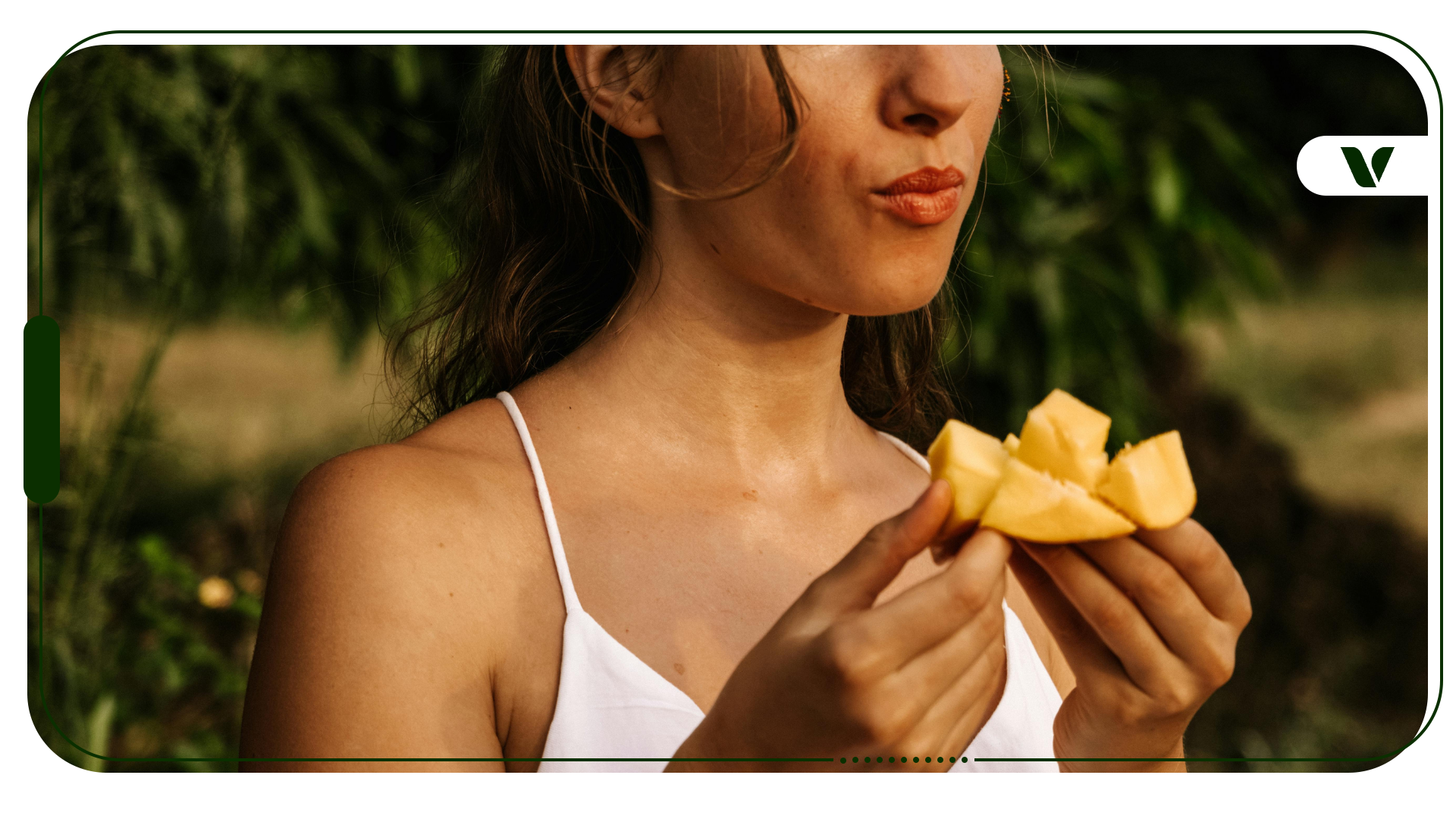
Mango contains myrcene, a terpene also found in many cannabis strains, which research suggests may increase the permeability of the blood-brain barrier and facilitate faster cannabinoid uptake. A 2021 PMC review on myrcene’s interaction with CB1 receptors and cannabinoid transport supports the mechanism, though the effect size in humans depends on how much myrcene the specific mango variety contains. Eating a ripe mango 45 minutes before consuming cannabis is the most commonly cited approach, as ripe fruit contains higher myrcene concentrations than unripe.
Broccoli
Broccoli contains beta-caryophyllene (BCP), a terpene that acts as a cannabinoid by binding directly to CB2 receptors. This interaction may amplify the anti-inflammatory and relaxing components of a high without increasing psychoactivity. Including broccoli or other cruciferous vegetables in a pre-session meal adds BCP to your system alongside whatever cannabinoids you consume.
Sweet Potatoes
Sweet potatoes are high in complex carbohydrates and B vitamins, which support serotonin production. Serotonin and the endocannabinoid system interact through shared signalling pathways, and a stable mood baseline before consuming cannabis tends to support a more euphoric, less anxious experience. They work best as part of a meal eaten one to two hours before your session.
Chocolate
Dark chocolate contains compounds that slow the breakdown of anandamide, the body’s own endocannabinoid often called the “bliss molecule.” By inhibiting the enzyme that degrades anandamide, chocolate can extend the mood-elevating aspects of a cannabis high. The higher the cacao content, the more relevant compounds the chocolate contains, so 70% cacao or above is worth prioritising.
Black and Green Teas
Both black and green teas contain catechins, antioxidant compounds that bind to CB1 receptors in a way that may complement the effects of THC. Green tea also contains l-theanine, an amino acid associated with calm focus that can balance the anxious edge some users experience at higher doses. Drinking a cup 30 minutes before consuming is a straightforward way to incorporate it.
Nuts and Eggs
Nuts and eggs are rich in omega-3 fatty acids and healthy fats, which support cannabinoid absorption by providing the lipid substrates THC binds to during digestion. Our guide on how healthy fats and cannabis absorption interact is particularly relevant for edibles users, since oral THC bioavailability increases significantly when consumed alongside dietary fats.
Coffee
Caffeine and THC both act on the dopamine system, and low doses of caffeine before consuming cannabis can sharpen alertness and intensify the euphoric quality of a sativa-dominant experience. High doses of caffeine, however, can amplify anxiety and increase heart rate, which tends to work against a comfortable high. Keeping it to one cup is the practical guideline here.
Beer
Alcohol and THC interact unpredictably, particularly because alcohol increases the rate of THC absorption, which can push the experience into uncomfortable intensity faster than expected. Low-alcohol beer consumed in small amounts may enhance the social and relaxing dimensions of a high, but this combination warrants caution. Many users find that the combination amplifies both substances in ways that are difficult to control, especially at higher doses of either.
Foods That Can Reduce Your High
If you have consumed too much and want to bring the intensity down, several foods and drinks can help. Each works through a slightly different mechanism.
- Citrus fruits: Limonene, the dominant terpene in citrus peel, has been associated with anxiolytic effects and may take the edge off an anxious or overwhelming high when eaten or juiced.
- Pine nuts: Contain pinene, a terpene that may support mental clarity and help counteract short-term memory impairment associated with high THC doses.
- Black pepper: Chewing a few black peppercorns delivers beta-caryophyllene and pinene, a combination that many users report as effective for reducing paranoia during an intense high.
- Water: Hydration does not reduce THC in your system, but dry mouth and mild dehydration both amplify discomfort. Drinking water addresses the physical symptoms that make an intense high feel worse.
- High-CBD strains: Cannabidiol (CBD) may modulate the psychoactive effects of THC by partially blocking CB1 receptor binding. Switching to or adding a high-CBD product during an overwhelming session is the most direct pharmacological intervention available.
If you are considering using cannabis for a medical condition, speaking with a licensed cannabis physician makes sense before adjusting your approach.
Note: The content on this page is for informational purposes only and is not intended to be professional medical advice. Do not attempt to self-diagnose or prescribe treatment based on the information provided. Always consult a physician before making any decision on the treatment of a medical condition.
Note: Veriheal does not support illegally consuming therapeutic substances such as cannabis but acknowledges that it transpires because of the current illicit status, which we strive to change by advocating for research, legal access, and responsible consumption. Always consult a physician before attempting alternative therapies.
Frequently Asked Questions
Can You Last Longer When High?
Yes, there are several ways to extend the duration of a cannabis high. Consuming after exercise, eating a meal with healthy fats beforehand, and choosing a more bioavailable delivery method’s effect on absorption and duration such as a sublingual tincture can all prolong the experience. Tolerance is the most significant limiting factor, so users who feel their highs have shortened may benefit most from a short tolerance break.
How Do You Stop Greening Out?
Greening out refers to the uncomfortable physical and psychological effects of consuming too much cannabis at once. Lying down in a safe, quiet space, drinking water, and consuming black pepper or citrus can help reduce the intensity. The effects are temporary and typically resolve within one to two hours.
Is It Normal for a High To Last 24 Hours?
A high lasting a full 24 hours is not typical for smoked or vaporized cannabis, where effects usually resolve within two to four hours. Edibles consumed in large doses can produce effects lasting eight to twelve hours in some individuals. Residual fatigue or mild cognitive effects the following day are possible after very high doses, but these are not the same as an active high.
Do You Sleep Longer When High?
Cannabis, particularly strains high in THC, can increase total sleep time and reduce the time it takes to fall asleep in some users. However, regular use tends to suppress rapid eye movement (REM) sleep over time, which may affect sleep quality even when duration increases. Individual responses vary depending on dose, timing, and strain.
How Do You Get High Faster From Edibles?
Consuming edibles on an empty stomach shortens onset time because there is less food competing for absorption. Choosing edibles with added fats or consuming them alongside a small amount of dietary fat can also improve absorption rate. Sublingual administration, such as placing a tincture under the tongue, bypasses digestion entirely and typically produces effects within 15 to 45 minutes.
What Drinks Enhance Your High?
Green or black tea consumed before your session adds catechins and l-theanine, which may complement the effects of THC and reduce anxiety at higher doses. Mango juice contains myrcene in varying concentrations depending on ripeness and variety. Alcohol-containing drinks, including beer, increase THC absorption rate but can make the experience harder to control, so they are best approached cautiously.
What Gets You High the Longest?
Edibles typically produce the longest-lasting effects of any consumption method, with durations ranging from four to eight hours and occasionally longer at high doses. Oral bioavailability is lower than inhalation, but the prolonged release through digestion extends the window of effect significantly. Consuming edibles with healthy fats and on a moderately full stomach tends to produce the most consistent long-duration results.
Author, Share & Comments