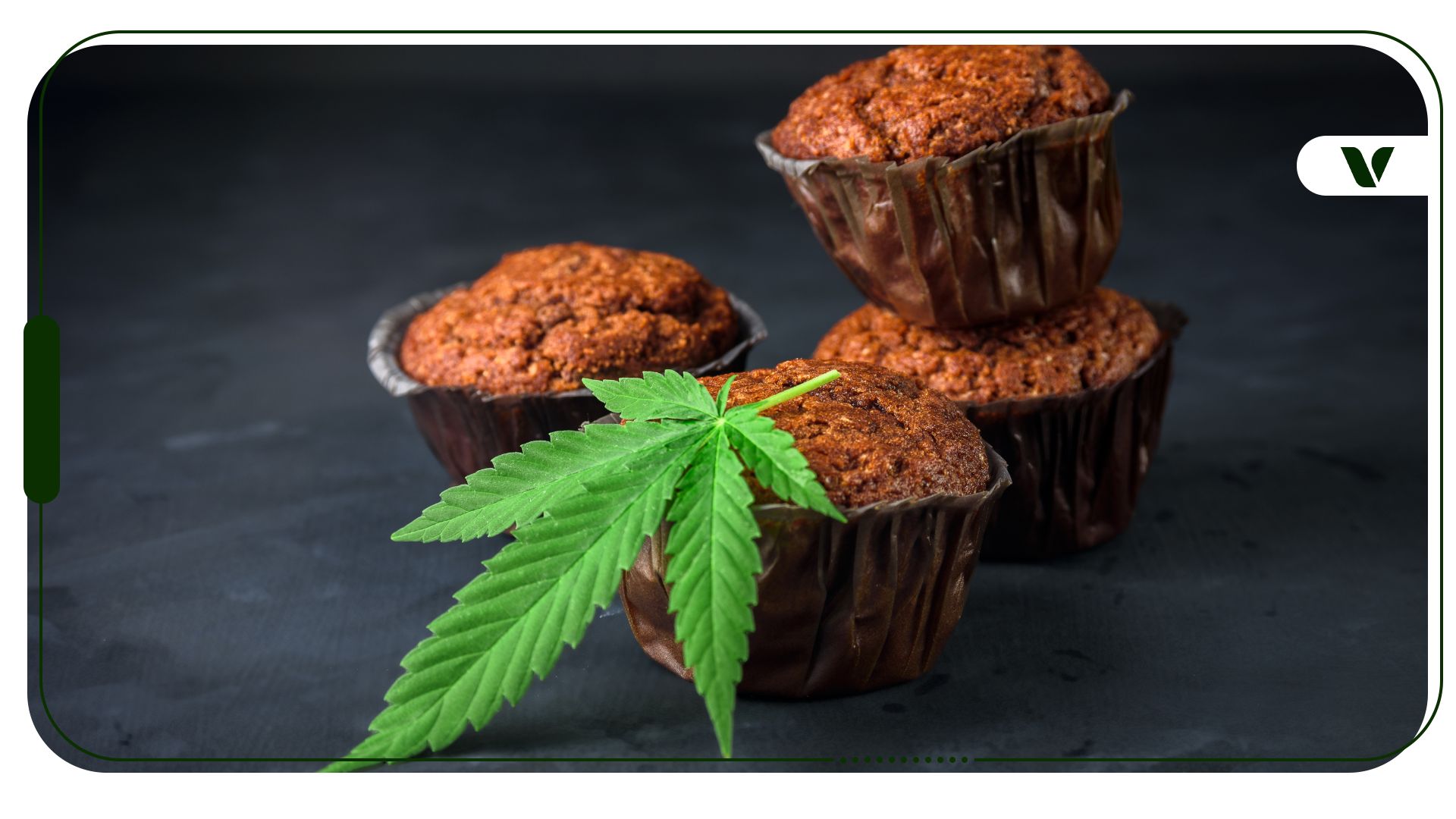
Getting too high from edibles happens more often than you might think, especially when you’re new to cannabis or trying a different product. Unlike smoking, edibles take longer to kick in and last much longer, making it easy to consume too much before you feel the initial effects.
The good news is that while uncomfortable, edible overconsumption isn’t dangerous and the intense effects will pass. Most people start feeling better within 4-6 hours, though some effects can linger up to 12 hours depending on how much you consumed.
How Long Does Being Too High From Edibles Last?
When you’ve consumed too much THC through edibles, the peak discomfort typically occurs 2-4 hours after consumption. This is different from a normal edible high, where you might feel pleasant effects during this same window.
The worst symptoms – nausea, anxiety, paranoia, or dizziness – usually start to diminish within 4-6 hours. However, you may still feel some lingering effects for 8-12 hours total. Several factors affect how long your recovery takes:
- Metabolism speed plays the biggest role. People with faster metabolisms process THC more quickly through their digestive system, while those with slower metabolisms may feel effects longer.
- Food intake before consuming the edible also matters. Food affects cannabis absorption significantly; eating a large meal beforehand slows THC absorption, which can extend both the onset and duration.
- Tolerance level affects duration too. Regular cannabis users typically recover faster than occasional users because their bodies process cannabinoids more efficiently.
You might still feel slightly off the next morning, especially if you consumed a high dose late in the evening. This “cannabis hangover” is normal and usually fades within a few hours of waking up.
Managing Specific Symptoms From Too Much THC
Different symptoms require different approaches. Rather than trying generic recovery methods, focus on managing your specific symptoms for faster relief.
Anxiety and Paranoia
Anxiety is the most common symptom when you’ve consumed too much THC. Your heart might race, you may feel panicked, or experience overwhelming worry about your condition.
- Find a quiet, familiar space where you feel safe. Bright lights and loud noises can intensify anxiety, so dim the lights and reduce stimulation around you.
- Practice slow, controlled breathing. Inhale for four counts, hold for four counts, then exhale for six counts. This activates your parasympathetic nervous system and counteracts THC-induced anxiety.
- Use positive self-talk. Remind yourself that what you’re feeling is temporary and that no one has ever died from cannabis overconsumption.
Nausea and Stomach Discomfort
THC affects your digestive system directly, which explains why nausea is so common with edible overconsumption.
- Lie on your left side to help your stomach empty more efficiently. This position uses gravity to move contents through your digestive tract.
- Sip small amounts of ginger tea if you can keep liquids down. Ginger naturally reduces nausea and won’t interact negatively with THC.
- Avoid eating more food until the nausea passes. Your digestive system is already working hard to process the THC you’ve consumed.
Dizziness and Coordination Issues
THC affects blood pressure and inner ear function, which is why cannabis-related dizziness and passing out is a documented side effect of overconsumption.
- Sit or lie down immediately when you feel dizzy. Moving around increases your risk of falling or injury.
- Stay hydrated with small sips of water. Dehydration worsens dizziness, but drinking too much too quickly can trigger nausea.
- Keep your head elevated when lying down to maintain better blood flow and reduce spinning sensations.
Rapid Heart Rate
A racing heart is alarming but rarely dangerous with cannabis overconsumption. THC can temporarily increase heart rate by 20-50 beats per minute.
- Focus on slow breathing rather than trying to directly slow your heart rate. Your heart rate will naturally decrease as you calm your nervous system.
- Avoid caffeine completely, as it will amplify the racing heart sensation.
- Change positions slowly to prevent additional spikes in heart rate from sudden movements.
Immediate Steps to Take When Too High From Edibles
When you realize you’ve consumed too much, taking the right steps immediately can significantly reduce your discomfort and help you recover faster.
- Find a calm, comfortable environment. Move away from crowded, noisy, or stimulating spaces. Go to a familiar room where you feel safe and can control the lighting and noise level.
- Hydrate slowly with water. Sip small amounts rather than drinking large quantities at once. THC can cause dry mouth and mild dehydration, but overhydrating can worsen nausea.
- Use cannabidiol (CBD) if available. CBD works against THC’s more intense effects by competing for the same cannabinoid receptors. A 15-25mg dose of CBD oil or tincture tends to work fastest.
- Practice controlled breathing. Focus on slow, deep breaths to activate your body’s natural calming response. This is more effective than trying to distract yourself with screens or activities.
- Try the pepper trick. Chew on a few black peppercorns or smell freshly ground black pepper. The terpenes in black pepper can reduce THC-induced anxiety within minutes.
- Take a warm shower or bath. The warm water helps relax tense muscles and provides sensory grounding when you feel disconnected from your body.
Avoid vigorous exercise when you’re too high, as it can increase anxiety and make coordination problems worse. Light stretching or gentle yoga is fine, but save the intense workouts for when you’re feeling normal again.
When to Seek Help and What NOT to Do
Most cannabis overconsumption resolves on its own, but knowing when to seek help and what to avoid can prevent making the situation worse.
Call for medical help if you experience:
- Severe chest pain that doesn’t improve with rest and breathing exercises
- Difficulty breathing beyond normal anxiety-related shortness of breath
- Persistent vomiting that prevents you from keeping water down for several hours
- Signs of panic attack that don’t respond to calming techniques after 30-60 minutes
- Any concerning symptoms if you have pre-existing heart conditions
Emergency rooms can provide IV fluids for dehydration and anti-nausea medication, but they cannot “reverse” THC effects. Most ER visits for cannabis overconsumption involve supportive care while the THC processes naturally.
Never do these things when too high:
- Take a cold shower or ice bath – the shock can worsen anxiety and doesn’t speed up THC metabolism
- Try to vomit unless it happens naturally – forced vomiting can cause more problems than it solves
- Consume more substances including alcohol, which can dangerously amplify impairment
- Drive or operate machinery even if you think you’re feeling better
- Take stimulants like caffeine pills or energy drinks to “balance out” the THC
Remember that while extremely uncomfortable, cannabis overconsumption from edibles has an excellent safety profile. Research on cannabis toxicity shows that the lethal dose would require consuming hundreds of times more THC than any edible contains.
What To Avoid When Taking Edibles
Prevention remains the best approach to avoiding edible overconsumption. Understanding what leads to taking too much helps you make better decisions in the future.
- Never redose within 4 hours of your initial consumption. Edibles can take 30 minutes to 4 hours to reach peak effects, depending on your metabolism and what you’ve eaten. The urge to take more because you “don’t feel anything” leads to most overconsumption cases.
- Don’t mix edibles with alcohol in the same session. Alcohol changes how your body processes THC and can intensify effects unpredictably. If you’ve been drinking, skip the edibles entirely for that day.
- Avoid taking edibles on an empty stomach if you’re sensitive to cannabis. While an empty stomach makes effects come on faster, it also makes them more intense and harder to predict.
- Don’t assume homemade edibles have consistent dosing. Unless made with precisely measured cannabis oil or tincture, homemade edibles often have uneven THC distribution. Start with a smaller piece than you think you need.
- Never take edibles when you’re already stressed or anxious. THC can amplify existing negative emotions, making anxiety worse rather than providing the relaxation you’re seeking.
Understanding how long cannabis high lasts, especially for different consumption methods, helps you plan better and avoid timing mistakes that lead to overconsumption.
Final Thoughts
Getting too high from edibles is an uncomfortable but temporary experience that will pass with time and the right management approach. Focus on symptom-specific relief rather than trying every recovery method at once.
The most effective strategy combines immediate comfort measures – finding a calm environment, controlled breathing, and staying hydrated – with patience as your body processes the THC naturally. Most people feel significantly better within 4-6 hours, even after consuming more than intended.
Remember that this experience, while unpleasant, can help you better understand your tolerance and ideal dosing for future cannabis use. Many people find that going through edible overconsumption once makes them much more cautious and successful with cannabis in the long term.
If you’re interested in exploring medical cannabis options with professional guidance, you can find a doctor today to discuss dosing strategies and products that match your needs and tolerance level.
Note: The content on this page is for informational purposes only and is not intended to be professional medical advice. Do not attempt to self-diagnose or prescribe treatment based on the information provided. Always consult a physician before making any decision on the treatment of a medical condition.
Note: Veriheal does not support illegally consuming therapeutic substances such as cannabis but acknowledges that it transpires because of the current illicit status, which we strive to change by advocating for research, legal access, and responsible consumption. Always consult a physician before attempting alternative therapies.
Frequently Asked Questions
How do I come down from an edible?
Focus on staying calm in a comfortable environment and practice slow, controlled breathing. Drink water slowly and consider using CBD if available, as it counteracts THC effects. Most discomfort peaks within 2-4 hours and improves significantly after that.
How do I stop nausea from edibles?
Lie on your left side to help your stomach empty and sip small amounts of ginger tea if you can keep liquids down. Avoid eating more food until the nausea passes, as your digestive system is already working to process the THC.
Why do edibles make me nauseated?
THC directly affects your digestive system and can slow stomach emptying, leading to nausea. This effect is more common with edibles than smoking because the THC passes through your digestive tract rather than your lungs.
How do I get normal after edibles?
Time is the most effective solution, as your body needs to metabolize the THC naturally. Stay hydrated, rest in a comfortable environment, and use symptom-specific management techniques. Most people feel much better within 4-6 hours.
What not to do after eating edibles?
Never take cold showers, try to force vomiting, consume alcohol or other substances, or attempt to drive. Avoid taking more edibles to “balance out” the effects, and don’t consume caffeine or stimulants which can worsen anxiety.
How do you reduce the symptoms of edibles?
Address your specific symptoms directly rather than using generic approaches. Use controlled breathing for anxiety, lie on your left side for nausea, sit down immediately for dizziness, and stay in a calm environment to reduce all symptoms.
Author, Share & Comments