Your medical cannabis journey simplified: find partnered dispensaries, explore pricing options, earn rewards, and get answers to FAQs, all in one spot.
Cannabigerol (CBG) is a relatively understudied cannabinoid that is increasingly found in products marketed to athletes for promoting recovery. Because of the cannabinoid’s potential anti-inflammatory properties, CBG is touted by marketers as having benefits for enhancing recovery from physical exertion. And, according to emerging evidence on the effects of CBG on muscle and bone strain, these claims might be more than just hype.
So, what do we know about CBG, and what is the evidence surrounding its use for athletic recovery? This article explains what CBG is and shows how it enhances and promotes muscle and bone repair. It explores the implications for future discoveries and advances in research on this rare, mysterious cannabinoid.
Perhaps you may even want to try out incorporating CBG into your own exercise routine, in which case this guide is an excellent place to start for getting to know a little bit about this cannabinoid, its benefits, and what the research says about its efficacy in athletic recovery.
CBG: A Brief Overview
While tetrahydrocannabinol (THC) and cannabidiol (CBD) are the two most well-known and discussed cannabinoids found in the cannabis plant, there are actually over 150 phytocannabinoids(or plant-derived cannabinoids) that have been identified in the plant by modern science.
CBG is a lesser-known cannabinoid whose benefits are currently under investigation in scientific research. It is the third most common cannabinoid in the cannabis plant, next to THC and CBD. However, unlike THC, CBG is a non-impairing cannabinoid, and it will not produce the intoxicating “high” effects associated with marijuana use.
Yet, this special cannabinoid has an interestingly essential chemical relationship to both THC and CBD. This is because the acidic form of CBG, known as cannabigerolic acid (CBGA), acts as a parental compound from which the other main cannabinoids (like THC and CBD, among others) are produced.
Enzymes in the plant convert CBGA, and the broken-down acid is transformed into the main cannabinoid acids, namely tetrahydrocannabinolic acid (THCA), cannabidiolic acid (CBDA), and cannabichromenic acid (CBCA). Ultimately, exposure to heat or ultraviolet light initiates a process called decarboxylation, which converts these acids into the cannabinoids THC, CBD, and cannabichromene (CBC)—cannabinoids that have entirely different effects from their acidic forms.
The benefits of CBG are still being researched, with most evidence in the preclinical or survey stage. However, there are new indications that the cannabinoid has properties with the potential to provide benefits such as:
Pain reduction for chronic and acute symptoms, as well as for migraines and headaches
Neuroprotective and procognitive effects
Weight control
Anti-tumor effects
CBG and Athletic Recovery
As interest in cannabis-based medicine expands, CBG is emerging as a compelling candidate for athletes seeking natural, non-intoxicating ways to support healing and performance.
In the following sections, we explore some recent scientific studies investigating CBG’s effects on pain, inflammation, and tissue repair.
Together, this evidence presents the potential for CBG to support recovery from bone injuries, reduce muscle soreness, and promote overall resilience after recovery from physical strain.
Studying CBG in Sports Drinks
Emerging research shows that CBG has the potential to aid with muscle repair in athletic recovery. A 2024 study from the Journal of the International Society of Sports Nutrition presents results from an experiment involving the application of a CBD- and CBG-based sports beverage powder. The primary aim of the study was to find out if the two cannabinoids – along with beta-caryophyllene, amino acids, and magnesium – enhance recovery time for delayed onset muscle soreness (DOMS) occurring after strenuous exercise.
See If You Qualify For Medical Marijuana -Select Your State!
Select Your State
Alabama
Alaska
Arizona
Arkansas
California
Colorado
Connecticut
Delaware
Florida
Georgia
Hawaii
Idaho
Illinois
Indiana
Iowa
Kansas
Kentucky
Louisiana
Maine
Maryland
Massachusetts
Michigan
Minnesota
Mississippi
Missouri
Montana
Nebraska
Nevada
New Hampshire
New Jersey
New Mexico
New York
North Carolina
North Dakota
Ohio
Oklahoma
Oregon
Pennsylvania
Rhode Island
South Carolina
South Dakota
Tennessee
Texas
Utah
Vermont
Virginia
Washington
West Virginia
Wisconsin
Wyoming
Never miss a post
Get updates on cannabis culture, new research, and expert insights
Researchers produced a powder containing 35 mg of CBD with 50 mg of CBG per serving dissolved in 16 oz of water, and gave this drink mix twice daily to exercise-trained individuals who self-reported exercising at least 3 times per week for at least 30 minutes each session for the past year. The cannabinoids were isolated, nano-emulsified, dried, and powdered using 20% cannabinoids and 80% acacia gum to improve absorption and taste. Since the powder was given twice daily (every 12 hours), the total daily doses actually consumed were:
70 mg CBD
100 mg CBG
50 mg BCP (beta-caryophyllene)
7.6 g BCAAs (branched-chain amino acids)
840 mg magnesium citrate
Participants underwent experimental induction of DOMS, and half of the participants followed up their exercise with the sports drink mixed with the cannabinoid-containing powder twice per day. The other half of the participants received a placebo drink.
The cannabinoid-containing sports drink reduced the interference of DOMS on daily activities in individuals compared to the placebo, highlighting new potential therapeutic uses for CBG in muscle repair. Although discussion of the results indicate that the differences reported were “modest,” the formulation nevertheless produced reductions in participants’ self-reported experiences of interference from muscle soreness, discomfort, or stiffness on their ability to perform daily activities at work or home, as well as their ability to perform further physical activity at 48–72 hours after DOMS induction. Thus, the findings provide evidence that functional indicators of well-being could be enhanced by similar cannabinoid-based formulations.
These outcomes suggest promising potential for future studies to explore how varying dosages or targeted applications of CBG—possibly combined with CBD, terpenes, amino acids, and electrolytes—can improve muscle repair in athletes and individuals with routine muscle repair, recovery, and relaxation after exercise. It is not yet clinically determined if CBG may help those with degenerative disorders or muscle spasms, but mouse studies show CBG may protect against chemo-induced muscle atrophy.
A 2023 study published in the Journal of Bone and Mineral Research finds that CBG and CBD used in combination as an analgesic (pain-reliever) effectively reduced fracture-related pain in mice, performing on par with non-steroidal anti-inflammatory drugs (NSAIDs) used for comparison. While NSAIDs can interfere with bone healing by dampening the body’s early inflammatory response in healing, the study found that CBG (as well as CBD) actually seemed to support the bone healing process. This suggests that CBG can play a potential dual role in injury recovery: pain management and bone repair.
The study showed that CBG accelerated several phases of bone regeneration. In early phases, CBG and CBD increased the abundance of bone progenitor cells. During the later phases of healing, the two cannabinoids produced enhanced mineralization of the soft callus and increased strength and density in newly formed bone.
In terms of pain relief, mice treated with CBG displayed improved functional outcomes, showing fewer complications with gait and mobility during healing. Researchers also found that CBG boosted the viability and proliferation of bone and bone marrow cells, all while avoiding the addictive risks associated with opioids or the healing delays and organ toxicity linked to NSAIDs. While this research is still preclinical, the experimental findings nevertheless offer interesting possibilities to athletes and others seeking safer alternatives for post-injury care.
Concluding Thoughts
With its anti-inflammatory, analgesic, relaxing, and regenerative properties, CBG may become a valuable tool in future recovery protocols for bone and muscle injury—especially in athletics where muscle strain, fractures, and stress injuries are more common.
Most cannabis strains contain less than 1% CBG, making it a rare cannabinoid. Thus, in order to enhance our access to the medicinal properties of CBG, breeders have been experimenting with genetic manipulation and cross-breeding to increase the quantity of this underappreciated cannabis compound. Today, modern selective breeding techniques have allowed us to produce enhanced cannabis plants with profiles dominant in CBG. These strains could allow us to further isolate and study the therapeutic potential of CBG in the future to eventually develop novel cannabis-based treatments for athletic recovery or other medical applications.
Researchers need to conduct more clinical studies to explore CBG’s benefits for enhancing recovery from physical strain and injury. Nonetheless, CBG has so far achieved an impressive place in the growing conversation about the promising therapeutic benefits cannabis may offer in the context of athletic performance.
Sheldon Sommer is a Southern Californian philosopher with a lifelong interest in the biological world. She is enthusiastic to contribute her fascination with philosophy, natural history, psychology, botany, biochemistry and other related topics to providing cannabis education for the similarly curious. Outside of writing, she enjoys painting, singing opera and Taylor Swift songs, as well as spending quality time with a certain beloved orange kitty cat.
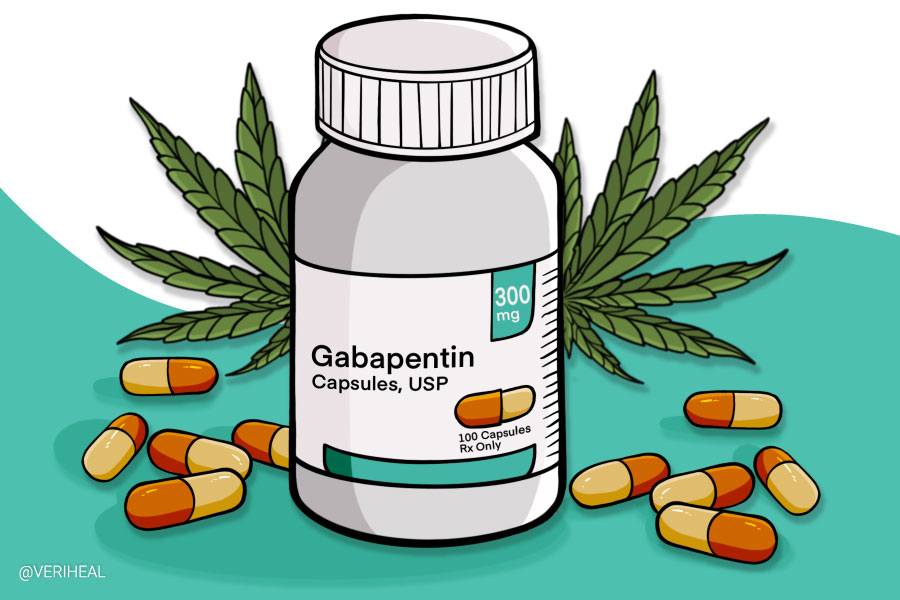
According to the New York Times, 64 million gabapentin prescriptions were dispensed in 2016, with numbers continuing to rise each year. Many patients now explore medical cannabis as an alternative after experiencing gabapentin’s concerning side effects, including FDA warnings about serious respiratory problems. Both treatments target similar conditions like nerve pain and seizures, but they…
An Oklahoma medical marijuana card provides legal protection under state law, but it can still affect employment, commercial driving, firearms, privacy, and federally regulated situations. This guide explains the main consequences to consider before applying, including workplace drug testing, CDL rules, insurance, housing, and registry privacy.
Getting a medical marijuana card in Oklahoma can be completed online, with no specific qualifying condition required for adult applicants. This guide covers eligibility, telehealth evaluations, required documents, OMMA application steps, fees, processing times, and what patients can do once approved.
A same-day telehealth appointment in Oklahoma can get you a physician recommendation quickly, but OMMA still needs to process your medical marijuana license application. This guide explains the timeline, required documents, costs, and when you can legally visit a dispensary while waiting for the physical card.
Medical marijuana has been legal in Oklahoma since 2018, with eligibility determined by physician judgment rather than a fixed list of qualifying conditions. This guide explains how the OMMA program works, patient rights and possession limits, recreational cannabis laws, federal restrictions, and how Oklahoma compares with neighboring states.
The statements made regarding cannabis products on this website have not been evaluated by the Food and Drug Administration (FDA). Cannabis is not an FDA-approved substance and is still illegal under federal law. The information provided on this website is intended for educational purposes only and is not intended to diagnose, treat, cure, or prevent any disease. It is not intended as medical advice and should not be considered as a substitute for advice from a healthcare professional. We strongly recommend that you consult with a physician or other qualified healthcare provider before using any cannabis products. The use of any information provided on this website is solely at your own risk.