Your medical cannabis journey simplified: find partnered dispensaries, explore pricing options, earn rewards, and get answers to FAQs, all in one spot.
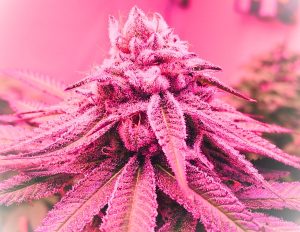
Prepare to be born again. A marijuana miracle rises from California’s prestigious Sonoma Valley wine region. It elevates the cannabis experience to divine heights and converts even the most devoted Blue Dream believers into Pink Disciples. Hailing from the blessed West, the connoisseur-cultivated strain known as Pink Jesus evokes floral fruitiness, uplifting energy, and bold coloring. It delivers a rapturous high that has even seasoned weed enthusiasts exclaiming, “Holy smoke!”
This Pink Jesus strain review explores what makes Pink Jesus a sacred standout among the over 700 different cannabis strains. We highlight the phytochemical traits and psychoactive effects that make Pink Jesus such a popular variant. Your old favorite strains might want to say a prayer, because this savior of sativas has the power to rise above them all. Lots of strains get you high, but this craft cannabis cultivar delivers you to the pink promised land.
Pink Jesus Background
Craft Cannabis Roots
Pink Jesus is of the “craft cannabis” variety. Craft cannabis growers produce premium-quality strains in small batches, which makes them available only in limited quantities and local regions. Rather than managing vast crops of plants with a standardized process, craft cannabis growers value quality over quantity.
By attending to plants’ individual needs from seed to harvest, the grower achieves a uniform, top-quality product where each flower develops to manifest its fullest potential. Craft cannabis growers also typically employ organic, regenerative farming methods to prioritize sustainability and the natural enrichment of their plants’ vitality over mass production.
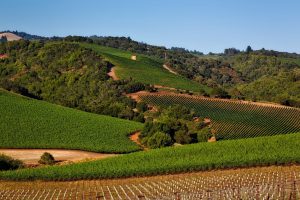
Pink Jesus is grown by Sonoma Hills Farm, which cultivates premium cannabis in harmony with the land across 60 acres of the Petaluma Gap appellation, one of Sonoma Valley’s most celebrated world-class wine terroirs. Cool coastal winds and inland-sweeping fog shape this unique corner of wine country, just thirty miles north of San Francisco.
California vineyard
Sonoma Hills Farm and the Rise of a Cult Strain
After a rigorous three-year licensing process, Sonoma Hills Farm became the first producer in Sonoma County to secure a one-acre cannabis cultivation permit in 2019. The farm agreed to more than 200 land-use conditions designed to respect its agricultural neighbors.
Today, the farm stands as a model of craft cultivation, committed to regenerative farming and organic standards that elevate cannabis to the same level of craftsmanship as fine wine and produce. At Sonoma Hills, Pink Jesus and other quality cannabis cultivars thrive under individualized care. They grow alongside a culinary garden, an apiary, and a “foraging forest” that reflects Sonoma’s rich biological diversity and deep agricultural traditions.
Where Food, Farming, and Cannabis Come Together
Under the leadership of Aaron Keefer, a former culinary gardener for The French Laundry, Sonoma Hills Farm works closely with chefs. The goal is to bring out the best in sun-grown cannabis, hemp, and vegetables.
By blending California wine country’s farm-to-table ethos with cannabis hospitality, the farm represents a new era of premium experiences. These include dining, lifestyle, and, of course, smoking. It’s designed for consumers who value sustainability, sophistication, and the natural complexity of the cannabis plant.
From Small-Batch Favorite to Award Winner
Few strains rise from boutique small-scale farming to become a widespread cultural phenomenon, but Pink Jesus’ special qualities have secured the strain a reverent place in the cannabis canon. The Pink Jesus Hash Hole earned a Golden Bear (Gold Medal) at the 2025 California State Fair Cannabis Awards in the Infused Solventless Pre-Roll category.
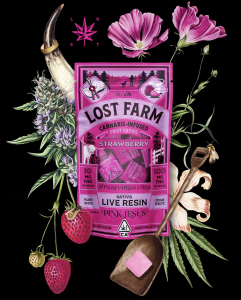
Pink Jesus crossed further into mainstream recognition when Kiva, one of California’s best-known edibles brands, featured the strain in a limited-edition edible for their line of Lost Farm fruit chews. The strain proved so popular that the brand recently made Pink Jesus a permanent addition to its classic offerings, which include legendary strains like Sour Diesel, Blue Dream, Gelato, and Durban Poison.
See If You Qualify For Medical Marijuana -Select Your State!
Select Your State
Alabama
Alaska
Arizona
Arkansas
California
Colorado
Connecticut
Delaware
Florida
Georgia
Hawaii
Idaho
Illinois
Indiana
Iowa
Kansas
Kentucky
Louisiana
Maine
Maryland
Massachusetts
Michigan
Minnesota
Mississippi
Missouri
Montana
Nebraska
Nevada
New Hampshire
New Jersey
New Mexico
New York
North Carolina
North Dakota
Ohio
Oklahoma
Oregon
Pennsylvania
Rhode Island
South Carolina
South Dakota
Tennessee
Texas
Utah
Vermont
Virginia
Washington
West Virginia
Wisconsin
Wyoming
Never miss a post
Get updates on cannabis culture, new research, and expert insights
Pink Jesus strain
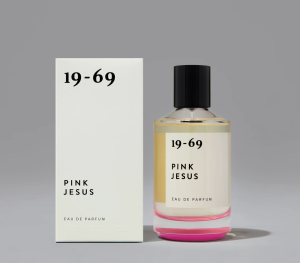
The holy hype doesn’t stop at the dispensary. Pink Jesus has even been bottled as a luxury fragrance: Pink Jesus Eau de Parfum by cult cosmetics brand 19-69. Johan Bergelin crafted the unisex perfume after three years of development, countless farm visits, and sharing more than a few joints at harvest. With notes of ginger, pink bubblegum, cannabis sativa essence, and wood, the scent is a celebration of California cannabis culture that pairs playful spiritedness with the crisp, resinous air of Sonoma in fall.
Pink Jesus Eau de Parfum by 16-69
Pink Jesus Cannabinoid Content
Pink Jesus is a sativa-dominant strain that blends an eclectic cross of Pink 2.0, Starfighter, and Heirloom OG. Like its heavy-hitting parent strains, Pink Jesus features quite a high concentration of tetrahydrocannabinol (THC), which ranges from 25%-34%.
For reference, the average THC level found in weed on today’s adult-use legal market is around 19–21% according to a 2020 PLOS One survey of 8,505 products for sale across nine US States. The Pink Jesus strain contains a more modest concentration of cannabidiol (CBD), which is found in about 0.1% concentration. Researchers have not yet reported other“minor” cannabinoids like cannabinol (CBN) and cannabigerol (CBG) in the Pink Jesus cannabinoid profile.
Pink Jesus Terpenes
Different strains also feature distinctive balances of terpenes, which are aromatic compounds found in many organisms. Cannabis contains fragrant phytochemicals like terpenes and VSCs (skunky) that create distinct effects and flavors, giving each strain its individuality. Different terpenes interact both with each other and with the compounds found in a strain’s cannabinoid profile. This results in a variety of entirely different experiences and therapeutic benefits to the user via the synergistic entourage effect.
Dominant Terpenes in Pink Jesus
Pink Jesus contains the following dominant terpenes:
Myrcene: The source of earthy and herbaceous aromas associated with mango, lemongrass, and eucalyptus. It’s one of the most common terpenes that you can find across the diverse repertoire of cannabis strains. Therapeutic benefits of this terpene include pain relief, anxiety relief, antiseizure activity, antioxidant properties, and antimutagen effects.
Beta-Caryophyllene (BCP): An essential terpene in producing the distinct aromatic qualities that you can find in hops and black pepper. It has anti-inflammatory, antioxidant, and analgesic (pain-relieving) effects. BCP, interestingly, is the only terpene that interacts directly with the body’s natural endocannabinoid system (ECS). It activates CB2 receptors, which are located primarily in the organs and tissues connected with the immune system. The terpene is also being investigated for use in cancer treatment due to its antitumor effects and the potentiating effects it offers alongside common drugs used in certain cancer therapies.
Linalool: Present in lavender, sweet basil, and mint, linalool is a terpene that offers anxiety reduction, pain relief, anti-inflammatory effects, and sedation. With its powerful therapeutic effects on stress and inflammation, linalool is also a potential approach to treating depression.
Pink Jesus’ phytochemicals evoke exotically fruity and creamy fragrances with raspberry and lavender notes. Users love this strain for its uplifting, light, flirty flavors that blend berry sweetness with spicy florals. In edibles, Kiva paired Pink Jesus live resin with strawberry for its line of fruit chews, and the resulting flavor seems to sing the essence of pink bubblegum candy with a sophisticated floral zest.
Strawberry Pink Jesus Live Resin Chews by Kiva
Pink Jesus Effects and Benefits
Pink Jesus produces an energetic and inspiring head high that transports your mood to the heavens. But it also seems to completely lack the agitated, speedy effects that can accompany highly activating THC-heavy strains.
Master grower Aaron Keefer of Sonoma Hills Farm describes the strain as specifically engineered “to spark joy and euphoria, extinguish anxiety, and encourage all the stress to leave your body.” Mission accomplished. Pink Jesus delivers a high that inspires mental clarity and creativity; it’s powerfully uplifting, but also light and delightfully liberating.
While individual biological factors can impact a person’s specific experience with a cannabis strain, Pink Jesus evokes the following unique effects:
Euphoria
Talkativeness
Relaxation
Creativity
Because of these uplifting yet calming effects, Pink Jesus can be potentially therapeutic for relieving depression, anxiety, and stress. The clear, energetic head high might also improve focus for individuals affected by burnout, depression, or even ADHD.
Key Takeaway
Pink Jesus is more than just another strain with a quirky moniker. By combining rigorous agricultural dedication, award-winning pedigree, and a bright head high, Pink Jesus is an emerging game-changer in cannabis.
Connoisseurs celebrate it, casual consumers embrace it, and fans of premium fragrances luxuriate in it. Pink Jesus sparks an enthusiasm and reverence unprecedented in the world of weed. It proves what cannabis can achieve in craft, culture, and commercial success. So light up, get lit, and see the light. It’s pink.
Sheldon Sommer is a Southern Californian philosopher with a lifelong interest in the biological world. She is enthusiastic to contribute her fascination with philosophy, natural history, psychology, botany, biochemistry and other related topics to providing cannabis education for the similarly curious. Outside of writing, she enjoys painting, singing opera and Taylor Swift songs, as well as spending quality time with a certain beloved orange kitty cat.
According to the New York Times, 64 million gabapentin prescriptions were dispensed in 2016, with numbers continuing to rise each year. Many patients now explore medical cannabis as an alternative after experiencing gabapentin’s concerning side effects, including FDA warnings about serious respiratory problems. Both treatments target similar conditions like nerve pain and seizures, but they…
An Oklahoma medical marijuana card provides legal protection under state law, but it can still affect employment, commercial driving, firearms, privacy, and federally regulated situations. This guide explains the main consequences to consider before applying, including workplace drug testing, CDL rules, insurance, housing, and registry privacy.
Getting a medical marijuana card in Oklahoma can be completed online, with no specific qualifying condition required for adult applicants. This guide covers eligibility, telehealth evaluations, required documents, OMMA application steps, fees, processing times, and what patients can do once approved.
A same-day telehealth appointment in Oklahoma can get you a physician recommendation quickly, but OMMA still needs to process your medical marijuana license application. This guide explains the timeline, required documents, costs, and when you can legally visit a dispensary while waiting for the physical card.
Medical marijuana has been legal in Oklahoma since 2018, with eligibility determined by physician judgment rather than a fixed list of qualifying conditions. This guide explains how the OMMA program works, patient rights and possession limits, recreational cannabis laws, federal restrictions, and how Oklahoma compares with neighboring states.
The statements made regarding cannabis products on this website have not been evaluated by the Food and Drug Administration (FDA). Cannabis is not an FDA-approved substance and is still illegal under federal law. The information provided on this website is intended for educational purposes only and is not intended to diagnose, treat, cure, or prevent any disease. It is not intended as medical advice and should not be considered as a substitute for advice from a healthcare professional. We strongly recommend that you consult with a physician or other qualified healthcare provider before using any cannabis products. The use of any information provided on this website is solely at your own risk.